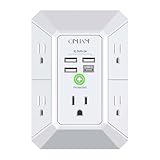
I remember the first time I saw one of those little AFCI outlet testers. It looked like some kind of high-tech gadget, and honestly, I thought it was a bit much. Like, who needs that? My house had worked fine for years without them, right? Then, a few years back, my neighbor’s garage caught fire. Turned out to be faulty wiring in an old extension cord. That’s when my mind started to shift. Suddenly, those little gizmos didn’t seem so unnecessary. So, are AFCI outlets worth it? Let’s cut through the noise and talk about what really matters.
I’ve spent more time than I care to admit wrestling with electrical projects, from simple swaps to more involved wiring. I’ve seen my fair share of things go wrong, and I’ve learned the hard way that sometimes, the stuff that seems like overkill is actually the stuff that saves your bacon. This isn’t about hyping up some newfangled gadget; it’s about understanding what’s actually going to keep your home and family safer. It’s a question I asked myself, and I think you might be asking it too.
What the Heck Are Afci Outlets Anyway?
Alright, let’s get down to brass tacks. AFCI stands for Arc-Fault Circuit Interrupter. Fancy name, I know. But what it actually does is pretty straightforward. Think of it as a really, really smart circuit breaker, but instead of just tripping when there’s a massive surge of electricity, it’s designed to detect those sneaky, dangerous little electrical arcs. These arcs aren’t always the dramatic sparks you see in movies; they can be tiny, almost invisible flickers that happen when wires get damaged, insulation frays, or something gets pinched behind a wall. Over time, these small arcs can generate enough heat to ignite nearby materials, like wood framing or insulation, leading to a fire that can start before you even see smoke.
Now, the key difference between a regular circuit breaker and an AFCI breaker (or an AFCI outlet, which has the AFCI protection built right into the outlet itself) is sensitivity. A standard breaker is looking for a major fault – a dead short, basically. An AFCI is looking for the signature of an arc.
It’s like the difference between a smoke detector that goes off when your toast is burning to a crisp and one that senses the faintest whiff of smoke from a smoldering ember. The National Electrical Code (NEC) has been making these requirements more stringent over the years, pushing for AFCI protection in more and more areas of the house, especially bedrooms, living rooms, and kitchens.
This isn’t just some manufacturer trying to sell you more stuff; it’s a response to real-world fire data. The U.S.
Fire Administration has reported that electrical malfunctions are a leading cause of home fires, and arcs are a significant contributor to that.
So, when you’re looking at your electrical panel, you might see breakers labeled ‘AFCI’. These protect the entire circuit. Or, you might see outlets that look slightly different from your standard ones, often with a little ‘test’ and ‘reset’ button on them. These are the AFCI outlets.
They offer protection at the point of use, which can be particularly useful in older homes where upgrading the entire panel might be a bigger undertaking. The idea is to catch these faults early, before they can escalate into a serious fire. It’s about adding a layer of safety that wasn’t standard in homes built even just 15 or 20 years ago.
Understanding this basic function is the first step to figuring out if they are worth the investment for your specific situation.
How Do These Things Actually Work? The Nitty-Gritty.
Okay, so we know they detect arcs. But how? It’s not magic; it’s smart electronics. AFCI devices basically monitor the electrical waveform – the pattern of the electricity flowing through the wire.
They use microprocessors to analyze this waveform for the characteristic signatures of different types of arcs. There are two main types of arcing that AFCI devices are designed to detect: series arcs and parallel arcs. A series arc happens when there’s an unintentional break in a single conductor. (See Also: Are American Outlets Ac Or Dc )
Imagine a frayed wire inside a wall – the electricity tries to jump the gap, creating an arc. A parallel arc happens when electricity jumps between two conductors that are supposed to be separate, like a hot wire and a neutral wire, or a hot wire and a ground wire. This can happen if insulation is damaged and the wires touch.
What makes an AFCI smart is its ability to differentiate between normal electrical noise and a dangerous arc. Your toaster, your drill, even your dimmer switches can create small electrical ‘noise’ as they operate. AFCI devices have algorithms designed to distinguish between this normal noise and the specific patterns of an arcing fault. They look for rapid changes in current, voltage, and frequency that are indicative of an arc. If the device detects a persistent pattern that matches a dangerous arc signature, it trips. This tripping action basically opens the circuit, stopping the flow of electricity and preventing the arc from continuing and potentially causing a fire. It’s a sophisticated process happening in milliseconds.
The detection isn’t just about looking for a ‘spark.’ It’s about analyzing the nuances of the electrical signal. Think of it like listening to a crowd. You can distinguish between normal chatter and a specific alarm sound. An AFCI is doing the electrical equivalent of that. It’s constantly listening to the electrical ‘chatter’ and has learned to identify the sound of a fire waiting to happen. The technology has evolved significantly, becoming more precise and less prone to nuisance tripping. Early versions could sometimes be a bit finicky, tripping for seemingly no reason, but modern AFCI protection is much more reliable. This underlying technology is what makes them a significant upgrade in home electrical safety, moving beyond simple overcurrent protection.
Are Afci Outlets Worth It? My Personal Standoff with a Dodgy Lamp
I’ll be honest, for the longest time, I just wasn’t convinced. I’d replaced a few standard outlets in my workshop with AFCI versions, mostly because I was doing some wiring anyway and figured, ‘Why not?’ But I never really thought about them. Then came the incident with a cheap, used floor lamp I picked up.
It had this weird, almost imperceptible flicker sometimes, and I’d just shrug it off. One evening, I was working late, and the lamp started buzzing a bit more than usual.
I ignored it. A few minutes later, I heard a distinct ‘snap’ from near the wall where the lamp was plugged in. The lights flickered, and the lamp went dead.
My heart did a little lurch, imagining the worst.
I pulled the lamp away from the wall and, sure enough, the cord was all messed up. Some animal, probably a mouse, had chewed through the insulation in a couple of spots, creating tiny little arcing points where it was just about to ignite the carpet. If I hadn’t had that AFCI outlet there, it could have been a very different story.
The outlet had tripped instantly when the arcing started to get serious. It wasn’t a dramatic explosion; it was that insidious, quiet danger that AFCI is designed to combat.
That day, my skepticism evaporated. It cost me a cheap lamp and a few minutes of troubleshooting, but it easily saved me from a potential house fire.
That’s the kind of ‘worth it’ that really matters, isn’t it? (See Also: Are All Power Outlets Ac )
I’ve also learned that not all AFCI outlets are created equal. I once bought a pack from a brand I hadn’t heard of, and they were way too sensitive. Every time I plugged in my vacuum cleaner, it would trip. I ended up swapping them out for a different brand, and the problem went away. So, while the technology is good, the implementation can vary. It’s a lesson I learned the hard way, spending money on outlets that I had to replace. It reinforces my belief that when it comes to safety devices, sticking with reputable brands is generally the smart play. That little bit of extra cost upfront can save you headaches (and potentially much more) down the line.
When Are They a No-Brainer? And When Can You Chill?
Let’s get real. The electrical code is pretty clear about where AFCI protection is required. These are typically areas where electrical faults are statistically more likely to cause fires or where people sleep. This includes bedrooms, living rooms, dining rooms, hallways, closets, and kitchens in new construction and major renovations. If you’re building a new home or doing a significant remodel, you’re likely going to have to install them anyway to meet code. In those situations, the question isn’t really ‘are AFCI outlets worth it?’ because you’re going to have them. The question becomes more about how to implement them effectively – full circuit breakers or point-of-use outlets.
However, the code only tells you the minimum requirement. Where I get opinionated is in areas not covered by the code, or in older homes that don’t have these protections.
My garage, for example, isn’t always required to have full AFCI protection depending on the exact code iteration and layout, but it’s where I store flammable liquids and do a lot of my work. I upgraded the outlets there myself. Why?
Because the risk profile is higher. The same goes for workshops, basements, laundry rooms, and anywhere you might have older wiring, extension cords in use, or a higher concentration of electrical devices.
If you’ve got kids who are prone to sticking things into outlets (though hopefully, that’s long past!), or if you have a history of electrical issues in your home, adding AFCI protection proactively is a smart move.
Now, for the contrarian take: Are they always necessary everywhere, regardless of code or risk? Probably not. If you have a perfectly wired, brand-new home with zero extension cords ever used, and the code doesn’t mandate them for, say, a seldom-used attic storage space, you might be able to skip the extra cost. But here’s my blunt advice: if you’re unsure, or if you have any doubts about the condition of your existing wiring, lean towards adding them.
The cost of an AFCI outlet or breaker is significantly less than the cost of a house fire, not to mention the potential loss of life. For me, in any area with a higher-than-average risk or where there’s a history of electrical issues, they’re a no-brainer. It’s a calculated risk, and AFCI protection tips the scales heavily in your favor.
Afci Outlets vs. Afci Breakers: What’s the Real Difference?
This is a common point of confusion, and it’s worth breaking down. Both AFCI outlets and AFCI breakers provide arc-fault protection, but they do it in different ways and at different points in your electrical system. An AFCI breaker sits in your main electrical panel and protects the entire circuit that it’s connected to. If an arc fault is detected anywhere on that circuit, the breaker trips, cutting power to everything downstream from it. This is often the most straightforward way to bring a circuit up to code when you’re doing major renovations or building new. It means you only have to replace one component at the panel for the whole circuit.
On the other hand, an AFCI outlet is a standard-looking outlet that has the arc-fault sensing and tripping mechanism built right into it. These are typically installed at the end of a circuit, or at key points, and they protect the outlet itself and any devices plugged directly into it. They also offer protection for the wiring between the AFCI outlet and the end of the circuit, and any standard outlets downstream from it. This is where it gets a little tricky: in some jurisdictions, code might allow an AFCI outlet to protect other standard outlets on the same circuit. However, in other cases, particularly for new installations and certain code updates, you might be required to have AFCI protection at the source (the breaker) or at the first outlet in a series.
Here’s a simple comparison table to lay it out: (See Also: Are Arc Trip Outlets Required In Hillsborough County )
| Feature | AFCI Breaker | AFCI Outlet | My Verdict |
|---|---|---|---|
| Location | Main electrical panel | Wall outlet location | Breakers are cleaner for new builds. |
| Protection Scope | Entire circuit | Outlet and downstream wiring/outlets (depending on code) | Outlets are great for retrofitting older homes. |
| Installation | Requires panel access; often done by an electrician. | Can be a DIY swap for standard outlets (if comfortable). | DIY is possible with outlets, but always be safe. |
| Cost (approx.) | $30-$60 per breaker | $10-$25 per outlet | Outlets are generally cheaper per unit. |
| Nuisance Tripping | Can be sensitive, but less so than early AFCI outlets. | Early models could be prone to nuisance tripping; newer ones better. | Stick with reputable brands for either. |
In my experience, for older homes where running new circuits or replacing the panel is a massive headache, AFCI outlets are a godsend. You can swap out a few key outlets and gain a significant layer of protection without tearing into walls. For new construction, or when you’re already replacing your entire panel, AFCI breakers are usually the cleaner, more code-compliant route. Ultimately, the choice often comes down to your specific situation, budget, and whether you’re working with code requirements or just trying to enhance safety proactively.
Common Mistakes and Practical Tips for Afci Safety
One of the biggest mistakes people make is thinking that once AFCI outlets or breakers are installed, their job is done. They’re not ‘set it and forget it’ devices, though they do require very little ongoing maintenance. The most common error I see, and one I almost made myself, is assuming they will never nuisance trip. Modern units are good, but they aren’t perfect. If you’re experiencing frequent, unexplained trips, don’t just reset it and ignore it. It could be a sign of an actual fault developing, or perhaps a faulty AFCI device itself. It’s worth investigating further.
Another mistake is improper installation. While replacing a standard outlet with an AFCI outlet might seem like a straightforward DIY task, electrical work always carries risks. If you’re not completely comfortable and confident with turning off the power, testing for voltage, and making secure connections, it’s far better to hire a qualified electrician. Incorrect wiring can not only render the AFCI protection useless but can also create new hazards. I’ve seen outlets wired backward or with loose connections, and that’s a recipe for trouble, AFCI or not. Always double-check your work, or better yet, have someone else do it if you’re not 100% sure.
Here are a few practical tips that have served me well:
- Test Regularly: Most AFCI outlets have a test button. Push it monthly. It simulates a fault condition and checks if the device is functioning correctly. If it doesn’t trip, it might need replacing.
- Know Your Code: If you’re doing this for code compliance, understand the current NEC requirements in your area. Codes can vary by location and change over time. A local electrician will be up-to-date on these.
- Use Reputable Brands: As I learned with that dodgy lamp situation and the finicky outlets, brand matters. Stick with well-known manufacturers like Leviton, Eaton, or Legrand for your AFCI devices. They tend to have better quality control and support.
- Don’t Overload Circuits: AFCI protection is a fire prevention measure, not a license to overload your electrical system. Always adhere to the circuit’s amperage rating. Too many devices can still strain your wiring, even with AFCI protection.
- Consider the ‘Why’: Think about the specific risks in each area of your home. Are you using a lot of power tools in the basement? Are there older appliances in the kitchen? Tailor your AFCI installation to where it’s most needed, beyond just code requirements if your budget allows.
Finally, remember that AFCI protection is a layer of safety, not a complete solution. It works in conjunction with smoke detectors, carbon monoxide detectors, and regular electrical inspections. It’s about creating a solid system of protection for your home and family. Don’t rely on it as your only line of defense.
What Is the Difference Between Afci and Gfci?
GFCI (Ground-Fault Circuit Interrupter) outlets are designed to protect people from electric shock by detecting imbalances in current flow between the hot and neutral wires. They trip when they sense current leaking to ground. AFCI (Arc-Fault Circuit Interrupter) outlets, on the other hand, are designed to prevent fires by detecting dangerous electrical arcs. While both are important safety devices, they protect against different hazards. Many modern combination breakers and outlets offer both GFCI and AFCI protection.
Do Afci Outlets Need to Be Tested?
Yes, AFCI outlets and breakers should be tested regularly, typically monthly. They have a ‘test’ button that simulates a fault condition. Pressing this button should cause the outlet or breaker to trip, interrupting the power. If it doesn’t trip, the device may be faulty and needs to be replaced. This simple test makes sure the protection is actively working.
Can I Replace a Regular Outlet with an Afci Outlet Myself?
If you are comfortable and knowledgeable about electrical wiring, and if local codes permit, you can often replace a standard outlet with an AFCI outlet yourself. However, it is important to turn off the power to the circuit at the breaker box, test to make sure it is de-energized, and follow proper wiring procedures. If you have any doubts or concerns, it is always safer to hire a qualified electrician to perform the installation.
Are Afci Outlets Required in All Homes?
AFCI outlet requirements are dictated by the National Electrical Code (NEC) and local amendments. As of recent code cycles, AFCI protection is required in most living areas of new homes and during major renovations, including bedrooms, living rooms, dining rooms, kitchens, and hallways. Older homes built before these requirements may not have them, and retrofitting them can be a valuable safety upgrade.
What Causes an Afci Outlet to Trip Unnecessarily?
Unnecessary tripping, often called nuisance tripping, can occur with AFCI outlets. Common causes include electrical ‘noise’ generated by certain types of appliances with motors (like vacuum cleaners or power tools), older or incompatible electronics, and sometimes even loose connections or faulty wiring on the circuit. Modern AFCI devices are much better at distinguishing normal electrical noise from dangerous arcs, but if nuisance tripping persists, it’s wise to consult an electrician.
Final Thoughts
So, are AFCI outlets worth it? After seeing firsthand what a frayed cord can do, and knowing the statistics on electrical fires, my answer is a resounding yes. It’s not just about meeting code; it’s about investing in peace of mind. The cost of a few outlets or a couple of breakers is minimal compared to the potential damage and danger a fire can bring. They’ve become a standard part of my approach to home safety, especially in areas where risks might be higher.
Whether you’re building new or trying to upgrade an older home, understanding the difference between AFCI breakers and outlets, and where they are most effective, is key. For older homes, AFCI outlets can be a less invasive and more affordable way to add this important protection. Don’t let them be an afterthought. Take the time to test them, understand what might cause them to trip, and if you’re ever unsure, call in a professional.
Ultimately, are AFCI outlets worth it? For me, that’s an easy yes. It’s about smart, proactive safety measures that can prevent tragedy. Think about your own home: are there areas where adding this extra layer of protection makes sense for your peace of mind?