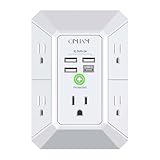
That moment. You’re halfway through a transatlantic flight, your phone battery is blinking red, and then you see it: a magical charging outlet right there on the terminal wall. Hope surges. But wait. Have you ever stopped to wonder, are airport charging outlets safe? I sure have. After years of scrambling for juice in airports worldwide, I’ve learned a thing or two about these public power sources, and let’s just say my initial optimism has been tempered by a healthy dose of suspicion and a few close calls.
It’s not just about finding a free spot to plug in; it’s about what might be lurking on that seemingly innocent USB port or AC socket. We’re constantly told to be wary of public Wi-Fi, but what about the power we draw? This isn’t about fear-mongering; it’s about practical, real-world experience and making informed choices when you’re in a pinch.
The Juicy Details: How Airport Outlets Actually Work (and Why It Matters)
Look, at its core, an airport charging outlet is just a way to get electricity from the airport’s grid to your device. Simple enough, right? You’ve got your standard AC outlets, those familiar three-prong things you’ve got at home, and then you have the increasingly common USB ports, often built directly into seats or walls. The AC outlets are fed by the airport’s main electrical system. They’re generally pretty solid, but like anything, they can be subject to wear and tear. Think about how many hands, bags, and suitcases have jammed things into them over the years. They’re not exactly kept in pristine, sterile conditions.
The USB ports are a different beast. Often, these are connected to the same power supply as the AC outlets, sometimes via an adapter. However, in some newer installations, they might be directly wired. The worry here isn’t usually about the electricity itself being dangerous—unless there’s a serious fault, which is rare and would likely trip a breaker—but about the potential for malicious actors to tamper with them. Imagine a port that looks like it’s just there to charge your phone, but it’s secretly been modified. This is where the real concern kicks in. It’s not about getting shocked; it’s about getting your data compromised.
I remember one time, I was at a smaller, regional airport, and the only free outlet was a USB port built into the armrest of a waiting area chair. It looked a bit grubby, but my tablet was dying. I plugged it in, and for about ten minutes, everything seemed fine. Then, my tablet started acting… weird. Apps were opening on their own, and the battery was draining faster than it should have. I yanked it out, and thankfully, the weirdness stopped. It made me think, was that port just faulty, or was something more sinister going on? It was enough to make me really question the safety of these public charging stations.
The common advice you hear is to use the AC outlets instead of USB, and there’s some logic to that. AC outlets are generally older, more established technology, and if they’ve been tampered with, it’s usually more obvious. Plus, you’re using your own charger brick, which is one less point of potential compromise. However, even AC outlets can have issues. I’ve seen outlets where the plastic casing was cracked, or where the grounding pin felt loose. These aren’t necessarily security risks, but they’re definitely not ideal. The key takeaway is that ‘public’ means ‘used by everyone,’ and not everyone has your best interests at heart.
The Sneaky Stuff: Juice Jacking and Beyond
Okay, let’s talk about the bogeyman of public charging: juice jacking. It sounds like something out of a B-movie, but it’s a legitimate concern. Juice jacking is when someone modifies a USB port—or even an AC adapter disguised as a charging station—to secretly transfer data from your device when you plug in. Think of it as a physical hack. While your phone or tablet is ‘charging,’ it’s also potentially uploading your contacts, photos, messages, or even login credentials to a hidden device or server controlled by the attacker.
Why is this so concerning? Because most of us have a ton of sensitive information on our phones. Your banking apps, your personal emails, your social media accounts—all potentially accessible. And here’s the kicker: most people don’t even know it’s happening. They see their phone charging icon light up and assume everything is hunky-dory. It’s the perfect crime because it’s so passive. You’re not actively clicking on a phishing link; you’re just trying to get more battery life.
I’ve spoken to a few tech-savvy friends who have actually seen sketchy USB charging stations out in the wild. One guy, who works in cybersecurity, told me he once found a public USB charging kiosk at a convention center that had a tiny, almost invisible SD card reader embedded in it. His theory was that it was designed to copy data from any phone plugged in. He didn’t dare plug anything into it, of course. It was a chilling reminder that not everything is as it seems. The common advice to only use your own charger brick is good, but what about when you forget it, or it breaks?
The irony is that many of these public charging stations are installed with good intentions, to make travelers’ lives easier. But because they’re so accessible and ubiquitous, they become prime targets for people looking to exploit them. It’s a classic case of good intentions paving the way for bad actors. While outright juice jacking with data theft is a more sophisticated attack, there’s also the possibility of malware being installed. Even if they can’t steal your current data, they could plant something that compromises your device later on.
When the Advice Is Wrong: My Stand Against Over-Reliance on Public Chargers
Everyone says, ‘Just use the AC outlet, it’s safer than USB.’ And yeah, generally, it’s a slightly better bet. But I disagree that it’s a foolproof solution. The truth is, both AC outlets and USB ports in public spaces can be compromised, or simply faulty. I’ve seen AC outlets that were clearly damaged, with exposed wires or loose fittings. Plugging your expensive electronics into something that looks like it’s about to fall apart is just asking for trouble, regardless of whether it’s USB or AC. You might avoid a data breach, but you could end up frying your phone’s charging circuitry or worse.
My personal experience has shown me that a cheap, poorly maintained AC outlet can be just as risky, if not more so, than a well-built USB port. I once plugged my laptop into an AC outlet in a hotel lobby that was clearly overloaded. The outlet got scorching hot, and my laptop’s adapter started making a strange buzzing sound. I unplugged it immediately, but it left me with a serious case of the jitters. The smell of burnt plastic lingered for hours. It wasn’t about data theft; it was about electrical safety and potential damage to my equipment. The sheer volume of people using these things, often without a second thought, means they take a beating. (See Also: Are American Outlets Ac Or Dc )
The real problem isn’t just the port itself; it’s the lack of maintenance and oversight. Airports and public spaces often install these charging stations and then… forget about them.
They’re not regularly inspected for damage or tampering. So, while the AC outlet might be less likely to be a sophisticated juice-jacking tool, it could still be a fire hazard or an electrical menace. I’ve seen plenty of charging stations where the plastic is cracked, the ports are loose, or they just look plain grimy. Do you really want to shove your pristine charging cable into that?
I’ve paid over $150 for a replacement phone screen after a dodgy public charger seemed to cause some kind of surge. Was it the charger? Was it just bad luck?
I’ll never know for sure, but it made me way more cautious.
So, while the USB vs. AC debate is a good starting point, it’s not the whole story. The common advice is too simplistic. It’s like saying all cars are safe as long as they have airbags. You still need to check the brakes, the tires, and make sure the engine isn’t about to fall out. My stance is that public charging points, whether AC or USB, should be approached with extreme caution. Relying solely on them is a gamble, and I’ve learned the hard way that sometimes, the house wins.
Real-World Use: My Toolkit for Safe Charging on the Go
After enough close calls and enough battery-anxiety-induced panic, I’ve developed a personal system for staying charged without risking my data or my devices. It’s not complicated, and it doesn’t involve carrying a bulky briefcase full of gear. It’s about being prepared and making smart choices when you do need to use a public outlet.
First and foremost, I never travel without a high-quality portable power bank. I’ve got a couple of different sizes, but my go-to is a mid-range one that can charge my phone about three times.
I find a good one costs around $40-$60, and it’s paid for itself a hundred times over in peace of mind. I charge it up the night before or whenever I have a reliable outlet.
When I absolutely must use a public charging station because my power bank is dead and I’m in a real bind, I’ve got a couple of tricks. The first is a USB data blocker. These little dongles, which cost about $10-$15, physically prevent any data transfer while still allowing power to flow. It’s like a one-way street for electricity, with a locked gate for data. I plug the data blocker into the USB port, and then plug my charging cable into the data blocker. It’s a simple, cheap insurance policy against juice jacking. I keep it on my keychain so I never forget it.
If I have to use an AC outlet, I always bring my own reliable wall adapter. I’ve got a favorite Anker adapter that has multiple USB ports and is built like a tank. It’s a bit more solid than the chargers that come with phones, and I trust it more than a random one I might find.
If I can’t use my adapter for some reason, I’ll inspect the outlet itself very carefully. I’m looking for any signs of damage, loose connections, or anything that looks out of place. If it looks sketchy, I walk away. (See Also: Are All Power Outlets Ac )
There’s usually another outlet somewhere, or I can just wait until I get to my destination or a café with a more trustworthy setup. I once waited an extra hour in a noisy airport terminal just to get to a less-crowded outlet that looked newer and better maintained.
Here’s a quick comparison table of my preferred charging methods:
| Method | Pros | Cons | Verdict |
|---|---|---|---|
| Portable Power Bank | Complete independence, no data risk, charges multiple devices. | Requires pre-charging, adds weight/bulk. | My absolute go-to. Key. |
| Public USB Outlet (Directly) | Convenient, free power. | Highest risk of juice jacking/malware, potential for faulty ports. | AVOID IF POSSIBLE. Only in dire emergencies. |
| Public USB Outlet + Data Blocker | Adds a layer of security against data theft, still convenient. | Still relies on the physical port’s electrical integrity, requires an extra dongle. | Good backup if power bank is dead and AC is unavailable. |
| Public AC Outlet (with own adapter) | Generally more reliable power source, uses own trusted adapter. | Risk of faulty/damaged outlets, requires carrying adapter. | My second choice after power bank. Inspect outlet first. |
The key is to reduce your dependency on public infrastructure. The less you need that airport outlet, the safer you’ll be.
Common Mistakes and How to Sidestep Them
The biggest mistake I see people make is treating public charging outlets like a magical, consequence-free energy source. They just plug in without a second thought. I’ve been guilty of this myself in the past, especially when my battery was at 3% and I had a important call to make. But this complacency is exactly what makes us vulnerable. You wouldn’t drink from a tap in a country you didn’t know the water safety of, would you? Same principle applies here.
Another common pitfall is relying solely on the USB ports built into airline seats or waiting area furniture. While they can be safe, they are often the easiest targets for modification because they’re integrated and less obvious. Think about it: if someone wants to install a discreet data-harvesting device, embedding it into a seat armrest is much less conspicuous than trying to tamper with a wall-mounted AC socket. I saw a demonstration once where a hacker showed how quickly they could rig a public USB port to siphon data. It took him less than five minutes with basic tools. That image stuck with me.
People also tend to assume that if an outlet looks ‘official’ or is in a well-trafficked, ‘secure’ area like an airport terminal, it must be safe. This is a dangerous assumption.
Airports are huge, complex environments. While they employ security measures, they can’t police every single power socket. Furthermore, outlets can be damaged by travelers themselves, leading to electrical hazards even if no one has maliciously tampered with them. I once saw a charging station in a busy transit hub where the plastic casing was cracked, and you could see the wires inside.
A child reached out to touch it before their parent pulled them back. It was a miracle no one got hurt. It wasn’t a security issue, but a clear maintenance failure that posed a real danger.
Finally, there’s the ‘it won’t happen to me’ mentality. We hear about these risks, and we dismiss them as unlikely or something that only happens to other people. But the reality is, the tools for juice jacking are becoming more accessible, and the motivation for data theft is ever-present. It’s not about being paranoid; it’s about being practical. A few simple precautions, like carrying a power bank or a data blocker, can completely negate these risks. Don’t wait until your personal information is compromised or your device is damaged to realize you should have been more careful. The cost of prevention is minuscule compared to the potential cost of recovery.
A Few Practical Tips for Peace of Mind
So, what’s the bottom line when it comes to are airport charging outlets safe? My honest answer is: be skeptical, be prepared, and always have a backup plan. The most reliable way to keep your devices powered up without worry is to invest in a quality portable power bank. I have a few, and I rotate them out. My current favorite is a 10,000mAh unit that’s about the size of a deck of cards and weighs just over half a pound. It’s enough to charge my iPhone 14 Pro about two and a half times. I bought it for $55 about a year ago, and it’s been a lifesaver on countless trips.
If you find yourself needing to use a public charging station, and you absolutely must use a USB port, a data blocker is your best friend. These little gadgets cost next to nothing, usually between $10 and $20 online, and they physically disconnect the data pins on the USB cable, allowing power to flow but preventing any unauthorized data transfer. I attach mine to my charging cable with a small keyring. It’s an incredibly simple piece of kit, but it offers a significant layer of protection against juice jacking. It feels a bit like having a tiny bodyguard for your phone’s data. (See Also: Are Arc Trip Outlets Required In Hillsborough County )
When it comes to AC outlets, visual inspection is key. Look for any cracks in the plastic, loose fittings, or signs of scorching around the socket. If anything looks off, don’t use it. I’ve learned to scan the walls and ask myself, ‘Does this outlet look well-maintained?’ If the answer is no, I keep searching. It’s better to walk an extra hundred yards to find a more reputable spot than to risk damaging your device or compromising your security. I’ve found that most airports do have a decent number of charging options, you just have to be willing to look for the good ones.
Finally, if you’re using your own charger brick with an AC outlet, make sure it’s a reputable brand. Cheap, unbranded chargers can be fire hazards themselves and may not offer adequate surge protection. I’ve always stuck with brands like Anker or RAVPower for my charging bricks, and while they cost a bit more, they’re built to last and have safety certifications. The peace of mind is worth the extra few bucks. Remember, the goal isn’t to be a paranoid Luddite, but a smart, informed traveler who takes reasonable precautions to protect their electronics and their personal information.
Faq: Your Airport Charging Questions Answered
Are Airport Charging Outlets Dangerous?
Airport charging outlets can pose risks, though not always in the way people expect. The primary concerns are physical damage to your device from faulty outlets and the potential for data theft (juice jacking) via compromised USB ports. While direct electrical danger is rare, poorly maintained outlets can overheat or cause surges. The risk of data compromise is more significant and often goes unnoticed by users.
Can You Get Hacked at an Airport Charging Station?
Yes, you can get hacked at an airport charging station, primarily through a method called ‘juice jacking.’ This involves a modified USB port that secretly transfers data from your device to an attacker’s device while it appears to be charging. This can include contacts, messages, photos, and login credentials. Using AC outlets with your own adapter, or a USB data blocker, significantly reduces this risk.
Should I Use USB Ports at Airports?
It’s generally advisable to be cautious about using USB ports at airports. While they offer convenience, they are more susceptible to juice jacking attacks than AC outlets. If you must use a USB port, employing a USB data blocker is a important precaution to prevent unauthorized data transfer while still allowing your device to charge.
What Is the Safest Way to Charge Your Phone in an Airport?
The safest ways to charge your phone in an airport are by using your own portable power bank or by using an AC outlet with your own trusted wall adapter. If you must use a public USB port, always use a USB data blocker to prevent data transfer. Visually inspect any outlet, AC or USB, for signs of damage before plugging in.
What Is Juice Jacking?
Juice jacking is a type of cyberattack where a public USB charging port is tampered with to secretly transfer data from a connected device, or to install malware. Attackers modify the port to act as a conduit for data theft. This occurs while the device is plugged in for charging, often without the user’s knowledge, making it a stealthy and effective method of compromising personal information.
Is It Safe to Charge Your Phone in a Plane Seat?
Charging your phone in a plane seat is generally considered safe, as the ports are typically controlled by the airline and are less prone to the kind of widespread, opportunistic tampering seen at public charging stations. However, as with any public port, there’s always a slight theoretical risk. Using your own power bank or adapter is still the most secure method. Some older aircraft may have less reliable power output, but security is usually not the primary concern.
What’s the Difference Between Ac and USB Charging?
AC (Alternating Current) charging uses your device’s power adapter (the brick) to convert wall power into the DC (Direct Current) your device needs. USB (Universal Serial Bus) charging ports directly supply DC power, often managed by internal circuitry. AC outlets provide raw power that your adapter handles, while USB ports have built-in voltage regulation. In public charging stations, USB ports are more easily modified for data theft than AC outlets, though both can be damaged or unsafe if poorly maintained.
Final Verdict
So, are airport charging outlets safe? My take is they’re a calculated risk, and one you shouldn’t take lightly. While the convenience is undeniable, the potential for data theft or even just damaging your device means you need to be smart about it. Relying solely on these public points of power is a gamble I’m no longer willing to take, not after seeing how easily things can go wrong.
My advice is simple: make your own power your priority. A good power bank and a data blocker are your best defense. Treat public outlets as a last resort, and when you do use them, inspect them like you’re looking for a hidden clue. Your digital life and your expensive gadgets are worth a little extra preparation.
The next time you’re stuck at the airport with a dying phone, remember this. Will you reach for that tempting USB port without a second thought, or will you pull out your trusty power bank? The choice you make could save you a lot of headaches.