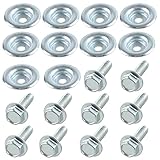
I remember the first time I tried to replace a squeaky door hinge. Simple, right? Just a few screws. Except, when I went to put the new hinge on, the screws I had in my miscellaneous hardware bin just… wouldn’t fit. They were too big, too small, the threads felt all wrong. It was a frustrating hour that taught me a valuable lesson: not all door hinge bolts are standard, and assuming they are is a surefire way to waste your time and money.
This isn’t some obscure technicality. It’s a practical reality every homeowner or DIYer eventually bumps into. So, let’s cut through the confusion and get down to brass tacks about whether all door hinge bolts are standard.
The Screw Size Shuffle: Why They Aren’t All the Same
Look, I get it. You’ve got a loose hinge, maybe a door that’s dragging on the floor, and you think, “Easy fix.” You grab a screwdriver, maybe a spare hinge from that old coffee can full of random hardware, and you’re ready to go. But then the reality hits you like a ton of bricks: the screw you pulled out doesn’t quite match the hole you’re trying to fill, or the new screw you bought is just… off. This is where the myth of the standard door hinge bolt crumbles.
The truth is, there’s a surprising amount of variation. When we talk about door hinges, we’re usually referring to the entire assembly – the two metal plates and the pin connecting them. But the bolts, or more accurately, the screws that hold these hinges to the door and the frame, are where the headaches begin. They come in different lengths, different thread pitches, and even different head types. It’s enough to make you want to just buy a whole new door.
I once spent an entire Saturday trying to rehang a closet door after repainting. I had a brand new set of hinges, seemingly identical to the old ones.
But the screws that came with them were just a hair too short to get a solid bite into the original, slightly enlarged screw holes in the door frame. The door felt wobbly, like it was about to fall off. After digging through my toolbox and finding some slightly longer, fatter screws from an old cabinet project, I finally got it secure.
It wasn’t the fancy new screws; it was the mismatched old ones that did the trick. This experience hammered home for me that while many hinge screws look similar, they are far from universally interchangeable. The common advice you’ll find online often glosses over this important detail, making a simple job feel like rocket science.
A lot of this variation stems from the age of the house, the type of door, and even the manufacturer of the original hardware. Older homes might have slightly different framing or door thicknesses that necessitated different screw lengths from the get-go. Then there are the different materials doors are made from – solid wood, hollow core, composite – each might be designed to accept specific screw types for optimal security and longevity. It’s a subtle detail, but it’s the difference between a hinge that stays put and one that’s constantly loosening.
Decoding the Hinge Screw Alphabet Soup
So, what are we actually looking at when we try to figure out door hinge screws? It’s not just about length; it’s a whole system of measurements and types. The most common screws you’ll encounter for interior doors are typically #8 or #9 gauge screws. Gauge refers to the diameter of the screw shank. Think of it like the thickness of the screw. A #8 screw is pretty standard for most residential interior doors, while a #9 is a bit beefier, offering more holding power.
The length is another major factor. Most standard hinge screws for interior doors are around 3 inches long. This length is designed to go through the hinge leaf, then about 1.5 inches into the door jamb (the frame). This depth is generally considered sufficient for most interior doors to provide a secure hold without hitting anything significant inside the wall. However, you’ll find variations. Some might be 2.5 inches, and for exterior doors or heavier interior doors, you might need 3.5 or even 4-inch screws to make sure they reach the studs behind the jamb for maximum strength. Screwing into just the jamb material, especially if it’s softwood or particleboard, can lead to loose hinges over time.
Then there’s the thread type. Most hinge screws have coarse threads, which are designed to grip well in wood. Fine threads are more common in metal-to-metal applications. You’ll also see differences in the head type. The most common is the Phillips head, but you might also find flathead (slotted) screws, especially on older doors. The head type needs to match your screwdriver, obviously, but it also affects how the hinge sits flush. Undercutting or overly large heads can prevent the hinge from closing properly.
Here’s a quick breakdown of common screw sizes you might run into, but remember, this isn’t exhaustive: (See Also: Are All Honda Atv Bolt Patterns The Same )
| Screw Gauge (Diameter) | Typical Length | Common Use | My Verdict |
|---|---|---|---|
| #8 | 2.5″ – 3″ | Standard interior doors, hollow core doors | Decent for light use, but I often opt for longer if possible. |
| #9 | 3″ – 3.5″ | Solid core interior doors, some exterior doors | Better grip, feels more secure for doors that get a lot of traffic. |
| #10+ | 3.5″ – 4″+ | Heavy exterior doors, reinforced jambs | Key for security and to hit studs. Don’t skimp here. |
The key takeaway is that ‘standard’ is relative. While #8 gauge, 3-inch screws are incredibly common, they are by no means the only option. If you’re replacing a hinge, it’s always best to remove one of the old screws and measure it, or at least note its characteristics, before heading to the hardware store.
Common Pitfalls and How to Avoid Them
I’ve seen too many people struggle with hinge screws because they just grabbed whatever looked right. The most common mistake? Assuming all screws in a hinge pack are the same, or that any screw will do. This leads to stripping screw heads, cross-threading, doors that sag, or hinges that just don’t sit flush.
One of the biggest traps is using screws that are too short. You crank them down, and they feel snug, but they’re only gripping the surface layer of the wood. Over time, especially with the constant movement of a door, these screws will loosen.
This happened to me with a heavy pantry door. It started sagging within weeks because the original screws were too short, and the replacements I picked up were barely longer. The door ended up dragging on the floor, and the hinge itself started to bend. It was a lesson learned the hard way: proper screw length is a must for durability.
If you’re not sure, always go for the longer option, especially if you can confirm it will reach the framing studs. For exterior doors, I’ll often swap out the bottom two screws on the jamb-side hinge with 3-inch or even 4-inch screws that are guaranteed to hit the stud. This provides incredible stability and security.
Another pitfall is using the wrong type of screw head. If the hinge was designed for a flathead screw and you use a Phillips head, you’ll likely end up with a head that protrudes, preventing the door from closing properly or even damaging the hinge. It sounds simple, but I’ve seen people force screws into holes that weren’t meant for them, stripping the threads and making the problem worse.
People also often overlook the condition of the door jamb itself. If the wood is old, soft, or crumbly, even the perfect screw won’t hold.
In these cases, you might need to use wood filler, dowels, or even special screw anchors designed for soft wood to create a solid anchor point. I had an old Victorian house with a jamb that was practically dust.
No screw would hold. I ended up drilling out the hole, gluing in a wooden dowel, letting it dry, and then drilling a new pilot hole into the dowel.
It was a bit of work, but it made the hinge solid as a rock. Don’t be afraid to get a little creative when the wood is compromised.
Finally, there’s the gauge. Using a screw that’s too thin can strip out the hole easily, while a screw that’s too thick might split the wood or not even fit into the pre-drilled hole. Always try to match the gauge of the original screw if possible, or opt for the next size up if the hole has become slightly enlarged. (See Also: Are Ak Bolts Interchangeable )
Real-World Hinge Screw Applications
Let’s talk about where this actually matters in your house. Interior doors are usually the first place you’ll notice this variability. Think about your bedroom door, your closet doors, or even the door to your laundry room. Most of these use relatively lightweight hinges and are made from hollow-core or solid-core wood. For these, you’ll typically find #8 gauge screws, often around 2.5 to 3 inches long. If you’re just tightening a loose hinge, you might get away with the screws you have. But if you’re replacing a hinge or installing a new door, paying attention to the screw size is key to avoiding future sag or looseness.
Exterior doors are a different ballgame entirely. These doors are heavier, exposed to the elements, and often need to be more secure. The hinges here are usually beefier, and the screws are longer and thicker. You’re looking at #9 or even #10 gauge screws, often 3.5 to 4 inches long.
The important factor for exterior doors is making sure these screws reach the wall studs. The door jamb itself, while solid wood, isn’t always strong enough on its own to bear the weight and constant stress of an exterior door, especially in windy conditions. I learned this the hard way after a strong gust of wind nearly ripped my back door off its hinges. The screws had pulled out of the jamb.
Swapping them for longer screws that bit into the framing studs solved the problem permanently. This is one area where ‘standard’ really doesn’t cut it; you need solid fasteners.
Then there are specialized applications. Think about security doors, storm doors, or even very heavy, solid wood interior doors like those you might find in a craftsman-style home. These often require heavy-duty hinges and, consequently, specialized screws.
You might see screws with unique thread patterns designed for maximum grip in dense wood or even metal-to-wood screws if the jamb has been reinforced. Sometimes, people will use a combination of standard screws and longer, security screws.
For instance, on a main entry door, you might use standard screws on the top hinge, but a 3.5-inch security screw on the middle and bottom hinges on the jamb side to prevent prying. This is a practical tip I picked up from a locksmith friend: make it harder for someone to kick in your door by reinforcing those hinge points.
Finally, let’s touch on decorative hinges or antique doors. These can sometimes use specialized screws that are not only functional but also aesthetic. You might find screws with decorative heads or different finishes. In these cases, matching the original hardware or consulting with a specialist is often the best approach, as standard replacements might not fit or look right.
How to Pick the Right Screws (and When to Just Buy New)
So, you’re staring at a hinge, and you need screws. What’s the game plan? First, always try to identify what you’re replacing. If you can, remove an existing screw from the hinge. Look at its length, its diameter (gauge), and the type of head. Measure it against a ruler or a coin for scale. If you can’t remove it, or if it’s damaged, try to find a replacement hinge of the exact same model. The manufacturer’s website or the packaging will often specify the recommended screw size.
If you’re buying new hinges, they almost always come with screws. In most cases, these are designed to work with the hinge for standard interior doors. However, as we’ve discussed, if you have an older home, a particularly heavy door, or a door jamb that seems a bit soft, the included screws might not be sufficient.
This is where you need to be proactive. For interior doors, if the original holes in the jamb look a bit worn or enlarged, I’d recommend getting screws that are 1/2 inch to 1 inch longer than the ones that came with the hinge. This allows them to get a better grip deeper into the wood. (See Also: Are All Bolt Patterns The Same )
For exterior doors, always aim for screws that are at least 3 inches long, and ideally, 3.5 to 4 inches, to make sure they bite into the framing studs.
When in doubt, head to a good hardware store. Take your old screw, or a sample of your door and jamb material, if possible. A good hardware store employee can be a lifesaver. They can help you identify the correct gauge, length, and thread type. Don’t just grab the cheapest box; invest in quality screws. Good screws will have sharper threads that bite into the wood better and are made of stronger steel, less likely to strip out.
There are also specialized screws designed for specific problems. If your wood is soft, look for screws with aggressive threads. If the hole is stripped, you might need to use wood filler and then re-drill a pilot hole, or use a slightly larger gauge screw. For extremely deteriorated jambs, you might need to use toggle bolts or screw anchors, though this is less common for standard door hinges.
When should you just buy new screws? Honestly, if your current screws are rusted, bent, stripped, or just feel flimsy, it’s worth the few dollars to get a new set. It’s a small investment that can prevent bigger headaches down the line. And if you’re buying a new hinge, always check what screws are included. Sometimes, the ones that come with the hinge are perfectly adequate. Other times, you’ll know from experience that you need to grab a better set.
The Faq: Your Burning Hinge Bolt Questions Answered
What Is the Standard Screw Size for a Door Hinge?
The most common screw size for interior residential door hinges is a #8 gauge screw, typically 2.5 to 3 inches in length. However, this can vary. #9 gauge screws are common for heavier interior doors, and exterior doors often require #9 or #10 gauge screws that are 3.5 to 4 inches long to reach wall studs.
Can I Use Any Screws for My Door Hinges?
No, you shouldn’t use just any screws. While they might physically fit, using the wrong size, length, or thread type can lead to loose hinges, sagging doors, stripped screw holes, or compromised security. It’s best to match the original screw size or select screws appropriate for the door’s weight and the jamb material.
How Do I Know If I Need Longer Hinge Screws?
You likely need longer hinge screws if the current screws don’t feel secure, if the door sags, or if the existing screw holes in the jamb are worn or enlarged. For exterior doors, using screws that reach the wall studs (typically 3 inches or longer) is always recommended for maximum stability.
Are the Screws That Come with New Hinges Good Enough?
Often, yes, especially for lightweight interior doors. However, if you have a heavier door, an older home with potentially softer wood jambs, or if you want extra security and longevity, it might be wise to purchase longer or higher-quality screws separately. Always assess the screw quality and length provided.
What If My Door Hinge Screw Holes Are Stripped?
If your door hinge screw holes are stripped, you have a few options. You can try using wood filler or a wooden dowel glued into the hole, then re-drilling a pilot hole. Alternatively, you can use a slightly larger gauge screw or a specialized screw anchor designed for stripped wood. For significant damage, you might need to repair the jamb itself.
Final Verdict
So, to put it plainly: are all door hinge bolts standard? Absolutely not. While there are common sizes that work for most situations, assuming they’re all identical is a recipe for frustration. My own kitchen door saga, where I nearly gave up trying to hang it straight, is a testament to that. Pay attention to the gauge, the length, and the type of screw. It’s the difference between a door that swings smoothly and one that’s a constant annoyance.
Don’t just grab whatever is in the junk drawer. Take a moment to measure, compare, or even ask for help at the hardware store. For exterior doors, and even heavier interior ones, using screws long enough to bite into the studs behind the jamb is the single best upgrade you can make for stability. It might seem like a small detail, but these little things add up to a well-functioning home.
Next time you’re dealing with a door hinge, remember this. You’ll save yourself time, money, and a whole lot of swearing. And if you’re ever unsure, err on the side of a slightly longer, beefier screw – it’s usually the right call.