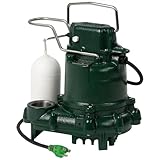
I remember the first time I saw a sump pump at a house showing. It was in this creepy, damp-smelling crawl space in a town I’d never heard of, and I just thought, ‘What the heck is this thing?’ It looked like a bucket with a motor glued to it. Fast forward a few years, and I’m practically an expert in the darn things, mostly because I’ve had to deal with my own basement flooding more times than I care to admit. So, when folks ask if all house in Lavalle, Wisconsin, have sump pumps, my gut reaction is a resounding ‘no,’ but the real answer is a bit more nuanced.
It’s not a universal installation, and anyone telling you otherwise is probably trying to sell you something or just doesn’t know what they’re talking about. This isn’t a fancy gadget; it’s a workhorse for places that need it.
Why Your Basement Might Be a Water Magnet
Let’s cut to the chase: Lavalle, Wisconsin. It’s a pretty area, I’ll give it that. But like many places, especially those with rolling hills and proximity to lakes or streams, it can be prone to groundwater issues.
The fundamental reason a sump pump exists is to keep water from invading your basement or crawl space. Think of it as your house’s personal bouncer, kicking out any unwanted liquid guests. Ground water naturally flows downhill, and if your house sits in a spot where the water table is high, or if you’ve got heavy rains saturating the soil, that water is going to look for the path of least resistance.
Usually, that path leads straight into your foundation, and then, bam, you’ve got a soggy mess.
The soil composition plays a big role too. Clay-heavy soils don’t drain well, meaning water sits around your foundation instead of percolating away. Sandy soils drain better, but even then, a sustained downpour can overwhelm the system.
Ice dams and heavy snowmelt in Wisconsin winters can also contribute, as melting snow saturates the ground and pushes water towards your home. So, while not every house in Lavalle might need one, many are certainly in an area where it’s a very smart, if not key, piece of equipment.
I learned this the hard way after buying a fixer-upper in a seemingly dry area, only to have the spring thaw turn my unfinished basement into a shallow swimming pool. That’s when I started digging into why some houses are more susceptible than others.
The Nitty-Gritty: How These Things Actually Work
A sump pump is deceptively simple, but its function is vital for flood prevention. At its core, it’s a pump placed in a sump pit, which is a hole dug in the lowest part of your basement or crawl space.
The pit is usually lined with gravel or perforated to allow water to collect. The pump itself has a float mechanism – think of it like the float in your toilet tank. As water enters the sump pit and rises, it lifts the float. When the water reaches a predetermined level, the float triggers a switch, turning on the pump.
The pump then forces the water through a discharge pipe, sending it away from your house, ideally to a storm drain or a spot on your property where it won’t seep back in.
There are two main types you’ll encounter: submersible and pedestal. Submersible pumps are designed to sit directly in the water inside the pit, which makes them quieter and generally more durable because the motor is cooled by the water. They’re a bit more of a pain to access for maintenance, though. (See Also: Are Pumpkin Seed Husks Edible )
Pedestal pumps have the motor sitting above the pit, with a long shaft extending down to the impeller. These are typically less expensive and easier to service, but they can be noisier and the motor is more exposed to dust and moisture. I’ve had both, and honestly, the submersible ones are worth the extra few bucks for the peace of mind and lack of noise. The first time my pedestal pump started groaning like a dying animal at 3 AM during a storm, I vowed to go submersible next time.
It’s a small detail, but it makes a difference to your sleep quality.
What to Look for (and What to Ignore) When Buying
When you’re looking at houses in an area like Lavalle, or if you’re considering installing a sump pump yourself, you need to look beyond just the horsepower. The pump’s ‘GPH’ (gallons per hour) rating is important – you want something that can handle the volume of water your situation might produce. A common recommendation for a single-family home is a pump rated for at least 1/3 horsepower, capable of pumping 2,000-3,000 GPH at a 10-foot lift. But bigger isn’t always better; an oversized pump can cycle on and off too rapidly, burning out the motor prematurely. It’s about matching the pump’s capacity to your home’s needs.
Key features to consider include the type of float switch. Vertical float switches are less prone to getting snagged on debris than horizontal ones. The discharge pipe size matters too; a 1.5-inch or 2-inch diameter pipe is standard and helps prevent blockages.
A check valve is a must. This is a one-way valve that prevents water from flowing back into the pit after the pump turns off, which would defeat the whole purpose and cause the pump to cycle constantly.
Also, pay attention to the construction material. Cast iron casings are durable, but stainless steel offers better corrosion resistance, especially important in damp environments. Many sales pitches will drone on about fancy bells and whistles – remote alerts, battery backups already built-in – but honestly, the core functionality is what you’re paying for.
A solid, reliable pump with a good float and check valve is miles ahead of a gadget-laden one that fails when you need it most.
My Sump Pump Shopping Comparison
| Feature | Submersible (Verdict) | Pedestal (Verdict) |
|---|---|---|
| Noise Level | Quieter (Better) | Noisier (Worse) |
| Durability | Higher (Better) | Moderate (Okay) |
| Maintenance Access | Difficult (Worse) | Easy (Better) |
| Cost | Higher (Worse) | Lower (Better) |
| Water Cooling | Yes (Better) | No (Worse) |
| Overall Recommendation | Preferred | Acceptable, but consider the noise |
Common Mistakes and Why They’re Costly
I’ve made my share of blunders with sump pumps, and I’ve seen others do it too. The most common mistake? Not having a battery backup.
Ever. You can have the most powerful, top pump, but if the power goes out during a storm – which is precisely when you need it most – you’re back to square one.
I learned this during a hurricane when the power flickered off for 12 hours. My basement, which had been bone dry for months, started collecting water again. It was a frantic rush to find a portable generator and figure out how to rig it up to the pump. Lesson learned.
A dedicated battery backup system is a small price to pay compared to the cost of water damage, mold remediation, and ruined belongings. (See Also: Are Pumpkin Seed Acid Or Alkaline )
Another common pitfall is improper discharge. You can’t just pump water out onto your neighbor’s lawn or directly into a drainage ditch that’s already overwhelmed. Local ordinances often dictate where you can discharge sump pump water.
If it’s not directed far enough away, or if it freezes in winter and creates an ice dam at the discharge point, the water will back up into your pit and potentially flood your basement anyway. I once saw a neighbor’s discharge pipe aimed right at their driveway; every winter, the ice buildup made it impassable and nearly flooded their garage. Finally, people often neglect maintenance.
These things aren’t magic boxes. They need to be checked periodically. Debris can clog the impeller, the float switch can get stuck, or the pit can fill with silt. A quick check every few months, making sure the pump kicks on when you manually lift the float, can save you a massive headache down the line.
According to the Environmental Protection Agency (EPA), proper maintenance of home systems is key to their longevity and effectiveness.
Real-World Use: When It’s a Lifesaver
Let’s talk about the situations where a sump pump isn’t just a ‘nice-to-have,’ but an absolute lifesaver. If you’re in Lavalle, Wisconsin, or any similar area with a history of wet basements, high water tables, or heavy clay soil, it’s practically a necessity. I’ve seen it in action during prolonged heavy rains, where the ground becomes saturated and groundwater pressure builds up against the foundation walls.
Without a sump pump, that water would seep through cracks, find its way under doors, or simply rise through the floor. My own basement flooded significantly the first year I owned my house because I was too cheap and too ignorant to install one. The water came up about six inches, ruining drywall, carpeting, and a good chunk of my stored belongings.
The cost of repairs and replacement was easily five times what a decent sump pump and battery backup would have cost me.
Consider homes built on slab foundations with a basement, or those with crawl spaces. These are particularly vulnerable.
Even if your area doesn’t seem excessively wet, changes in climate can bring more intense rainfall events, and aging infrastructure can affect drainage. Think about houses near lakes or rivers. Those areas are inherently at higher risk for groundwater intrusion.
I also know people who use them to manage water from French drains or weeping tile systems that collect water around the foundation and direct it to the sump pit. In these cases, the sump pump is the final step in a multi-layered defense against water damage.
It’s not just about preventing catastrophic floods; it’s also about maintaining a healthy living environment by keeping humidity levels down, preventing mold growth, and protecting the structural integrity of your home. (See Also: Are Organic Pumpkin Seeds From China Bad )
Practical Tips and Tricks for Peace of Mind
Beyond the basic installation, there are a few things I’ve learned that make owning a sump pump a lot less stressful. First, consider a tethered float switch if you opt for a submersible pump. This type of float is attached to the pump by a cord, making it less likely to get stuck in the ‘off’ position. I had a close call once where the float got snagged on a piece of pipe, and the pump didn’t turn on. It was a minor flood, but a flood nonetheless. A tethered float is a simple upgrade that provides extra security.
Second, make sure your discharge pipe is properly installed. It should slope away from your house and discharge at a point where the water won’t pool or freeze near your foundation. In winter, consider a freeze-resistant discharge hose or a way to disconnect and drain the pipe if you live in an area with prolonged freezing temperatures, to prevent backup. I use a heavy-duty, reinforced hose that’s less prone to kinking or freezing.
Third, don’t underestimate the value of a manual override. Some pumps come with this, allowing you to test them or run them manually.
Even if yours doesn’t, you can always carefully lift the float to test it. Regularly test your battery backup system too – check the charge, make sure the alarm works.
A little proactive care goes a long way. For instance, I have a little routine where I lift the float every month to make sure everything hums to life, and I check the battery backup’s indicator light weekly. It takes about two minutes and has saved me from major water woes more than once.
Frequently Asked Questions About Sump Pumps
Do All Houses in Lavalle, Wisconsin Have Sump Pumps?
No, not all houses in Lavalle, Wisconsin, have sump pumps. While it’s common in areas prone to groundwater issues, it’s not a universal requirement. Many homes may not have the geological conditions or elevation that necessitate one. However, due to Lavalle’s geography and potential for heavy rainfall or snowmelt, many homes, especially those with basements or in lower-lying areas, do have them installed as a precautionary measure against flooding.
What’s the Difference Between a Submersible and a Pedestal Sump Pump?
A submersible sump pump is designed to sit directly in the sump pit, submerged in water, which makes it quieter and cools the motor effectively. A pedestal sump pump has its motor mounted on top of the pit, with a long shaft connecting to the impeller below; these are generally less expensive and easier to access for maintenance but tend to be noisier.
How Often Should I Test My Sump Pump?
It’s recommended to test your sump pump at least once every few months, and more frequently if you live in an area with a high water table or experience frequent heavy rainfall. You can test it by pouring a bucket of water into the sump pit to make sure the float rises and the pump activates, discharging the water effectively. Don’t forget to test your battery backup system regularly as well.
What Is a Sump Pit and Why Is It Important?
A sump pit, also known as a sump basin, is a hole dug in the lowest part of your basement or crawl space where groundwater is collected. It’s key because it acts as the collection point for water that is then pumped out of your home by the sump pump. The pit itself is usually lined with gravel or perforated to allow water to flow into it from the surrounding soil or drainage system.
Can Sump Pump Water Freeze and Cause Problems?
Yes, sump pump discharge water can freeze, especially in cold Wisconsin winters. If the discharge line freezes, it can create an ice blockage, preventing the pump from discharging water. This can cause the water to back up into your sump pit and potentially flood your basement. It’s important to make sure your discharge line is properly sloped away from the house and to consider winterization methods like using a freeze-resistant hose or disconnecting the line during extreme cold.
What Does Gph Stand for and Why Is It Important?
GPH stands for Gallons Per Hour, which is a measure of how much water a sump pump can move in an hour. This rating is important because it helps you determine if the pump has enough capacity to handle the potential water flow in your basement. An undersized pump won’t keep up with heavy water intrusion, while an oversized one can cycle too frequently and wear out faster.
Conclusion
So, to circle back to the big question: are all house in Lavalle, Wisconsin, with sump pump? Absolutely not. It’s a practical tool for specific problems, not a universal luxury. Many homes in Lavalle, particularly those with basements or in areas prone to groundwater issues, benefit immensely from having one. If you’re buying a home there, or if you’re already there and dealing with dampness, it’s worth investigating your property’s susceptibility to water intrusion.
Don’t get caught off guard like I did. A little bit of research and a reasonable investment in a reliable sump pump system, complete with a battery backup, can save you a fortune and a whole lot of stress down the road. It’s about protecting your biggest asset and maintaining a dry, healthy home environment. My basement is now a sanctuary for storage, not a swamp, thanks to a good pump and a healthy dose of learned experience.