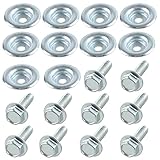
Look, I’ve been down more rabbit holes than I care to admit chasing the next ‘must-have’ anything. And when it comes to certain components, the internet spews out a lot of noise. So, let’s cut through it. Are all ls bolts tty? The short answer is no, and frankly, the question itself might be a bit of a red herring for most people just trying to get their project done.
I remember spending a solid afternoon wrestling with a set of bolts for a custom enclosure I was building. They looked identical, felt the same, but one just wouldn’t seat properly. It wasn’t about ‘tty’ then, it was about damn quality control and knowing what you actually need.
This isn’t going to be some corporate fluff piece. This is about what I’ve learned the hard way, so you don’t have to.
Why the ‘tty’ Question Even Comes Up
So, this whole ‘are all ls bolts tty’ thing? It usually pops up when people are talking about specific applications, often related to electronics, computing, or even specialized mechanical setups. ‘TTY’ itself is a bit of a throwback term, originally referring to a ‘teletypewriter’. In modern computing, it’s often used as a shorthand for a terminal or a serial port interface. Think of it as a way for devices to talk to each other, often in a very basic, text-based manner.
When someone asks if bolts are ‘tty’, they’re usually getting at whether those specific fasteners are designed or suitable for use in systems where a direct, low-level hardware interface connection is made. This can get particularly muddy because sometimes, you might need very specific types of bolts – perhaps ones that are non-conductive, or have a certain thread pitch that mates with a chassis designed for such interfaces, or even just ones that are readily available in bulk for repeated connections.
I once tried to jury-rig a power supply connection for a vintage synthesizer using what I thought were standard chassis bolts. Turns out, the original spec called for specific, slightly longer bolts with a particular head type to make sure proper grounding and prevent shorts. I ended up frying a capacitor because I didn’t understand the context of the hardware. It wasn’t that the bolts were ‘tty’ or not; it was that they weren’t right for the electrical interface. This taught me that context is everything.
The confusion often stems from how different communities adopt terminology. What’s standard in a server rack build might be completely alien to someone working on a DIY CNC machine. The idea of using a bolt as part of a ‘terminal’ connection is pretty niche. Most often, when people are talking about the physical connections for something like a serial port, they’re using actual connectors, not just bolts, though sometimes a bolt might be used to secure a panel that has those connectors. It’s a subtle but important distinction.
Furthermore, the availability and cost can play a role. If a specific project requires a large number of fasteners for a chassis that resembles older terminal equipment, people might look for readily available, bulk hardware. The term ‘tty bolt’ isn’t an official designation you’ll find in a hardware catalog. It’s more of a colloquialism or a descriptor born out of a specific need within certain technical circles.
Understanding the underlying ‘why’ behind the question is key. It’s less about the bolt’s inherent ‘tty-ness’ and more about its suitability for a particular mounting or connection scenario where ‘tty’ might be relevant in the broader system.
What ‘tty’ Actually Means in Hardware Contexts
Let’s be clear: bolts themselves don’t inherently possess the quality of being ‘tty’. The term ‘tty’ originates from teletypewriters, which were early electromechanical machines used for sending and receiving text-based messages over telegraph lines. In the computing world, it evolved to represent a terminal, a device that allows a user to interact with a computer system through text input and output. Think of the command line interface (CLI) on your computer – that’s a modern manifestation of a ‘tty’.
So, when the question of ‘are all ls bolts tty’ arises, it’s almost certainly not about the bolt’s thread pitch or material composition directly. Instead, it’s about whether a specific type of bolt is used in the construction or mounting of hardware that interfaces with or is a terminal device, or perhaps in a system where such terminals are commonly found. For instance, older server racks or communication equipment often used specific types of mounting hardware. If those pieces of equipment were associated with terminal connections, the hardware might get an informal label.
I’ve seen this happen with custom-built server chassis. Some enthusiasts might use specific types of bolts for mounting panels that house serial ports or other legacy interfaces. These bolts might be chosen for their size, ease of use with specific tools, or sometimes even for their non-conductive properties to prevent accidental grounding. If someone is building a machine that mimics old terminal equipment, they might look for hardware that visually or functionally fits that aesthetic or purpose. In that very specific context, you might hear someone refer to them as ‘tty bolts’, but it’s a descriptive, not a technical, term. (See Also: Are All Honda Atv Bolt Patterns The Same )
Another angle is when bolts are used to secure internal components within a terminal device. Imagine a very old computer or a piece of networking gear. The bolts holding the casing together, or securing internal boards that might have serial ports, could indirectly become associated with the ‘tty’ functionality of the device. But again, the bolt itself isn’t ‘tty’; it’s just part of the assembly.
The key takeaway here is that ‘tty’ is a functional descriptor related to communication interfaces, not a material property of a bolt. If you encounter this term, it’s worth asking for clarification on why it’s being used. Is it for mounting a panel with serial ports? Is it to secure internal components of a terminal device? Or is it a misunderstanding? I once bought a set of specialized screws for a project, and the seller kept calling them ‘network screws’. Turns out, they were just standard M3 screws but commonly used in network equipment mounting. The label was descriptive, not indicative of a special function.
So, the answer to ‘are all ls bolts tty’ is a definitive no. The term is more about the context in which a bolt is used rather than an intrinsic characteristic of the bolt itself.
What to Look for: The Practical Side
Okay, so we’ve established that ‘tty’ isn’t a bolt specification. But what should you be looking for when buying hardware, especially if you’re building or repairing something that might have a terminal interface, or just something that requires specific fasteners? The real advice is to forget the ‘tty’ label and focus on the actual technical requirements.
First, understand the application. What are you actually bolting together? Is it a metal chassis, a plastic enclosure, a circuit board? This will dictate the material, thread type, and head style you need. For example, if you’re mounting a panel that has serial ports, you’ll need bolts that fit the mounting holes on that panel and the chassis it attaches to. These are usually standard metric or imperial machine screws.
Second, thread type and size are most important. This is where most mistakes happen. Are you dealing with metric threads (M4, M5, M6, etc.) or imperial (like 6-32, 8-32, 10-24)? Using the wrong thread can damage the components or result in a loose fit. I learned this the hard way when I stripped the threads on a brand-new aluminum case trying to force in the wrong size screw. It cost me about $40 to replace the case, and a whole lot of cursing.
Third, material and finish. For most electronic enclosures, steel bolts with finishes like zinc plating are common. They offer decent strength and corrosion resistance. If you’re dealing with sensitive electronics or environments where conductivity is an issue, you might consider nylon or plastic screws, though these are less common and usually for very specific applications. Stainless steel is a good option for corrosion resistance if you’re working in a damp environment. Brass is sometimes used for its non-magnetic properties or ease of machining, but it’s softer than steel.
Fourth, head style. This matters for tool access and how the bolt sits against the surface. Common heads include Phillips, Torx, Allen (hex socket), and flathead. Allen (hex socket) screws are very common in electronics and machinery because they allow for high torque and are easy to work with in tight spaces. Phillips is ubiquitous but can be prone to stripping. Torx is becoming more popular due to its resistance to cam-out.
Fifth, length. Too short and it won’t engage enough threads. Too long and it might bottom out, or worse, interfere with components inside. Measure the thickness of the parts you’re joining and add a few threads for good engagement. A general rule of thumb for machine screws is that the bolt should pass through the clamped material and engage at least 1.5 times its diameter in the receiving thread.
Here’s a quick table to illustrate some common types you might encounter, even if they aren’t ‘tty’ bolts:
| Bolt Type | Common Use Case | My Verdict |
|---|---|---|
| Metric Machine Screw (e.g., M3, M4) | Electronics chassis, small enclosures, mounting circuit boards | Ubiquitous and versatile. Get a good assortment pack. |
| Imperial Machine Screw (e.g., 6-32, 8-32) | Older computer cases, some industrial equipment, rack mounting | Key for legacy gear. Always check thread count. |
| Socket Head Cap Screw (Allen bolt) | Machinery, enclosures requiring higher torque, tight spaces | My go-to for robustness and ease of use with an Allen key. |
| Pan Head Screw | General purpose, sits flush or slightly proud of the surface | Works fine, but consider if a lower profile is needed. |
| Countersunk (Flat Head) Screw | When a flush surface is required, needs a countersunk hole | Looks clean, but requires precise hole preparation. |
Ultimately, the best approach is to identify the specific fastener type needed for your project, usually by referencing the equipment’s manual or by carefully measuring what’s already there. Don’t get sidetracked by jargon like ‘tty bolts’; focus on the specs. (See Also: Are Ak Bolts Interchangeable )
Common Mistakes and Why They Happen
The biggest mistake people make when asking about ‘are all ls bolts tty’ or similar niche hardware questions is assuming there’s a simple, universal answer or a magic bullet bolt. This often stems from a lack of clarity about the actual mechanical or electrical requirements of their project. It’s like asking if all screws are ‘wood screws’ – some are, some aren’t, and the type matters immensely.
One common pitfall is thread mismatch. This is incredibly frequent. Someone needs an M4 screw but grabs an 8-32, or vice-versa. They look similar, and sometimes they’re even close in diameter, but the thread pitch and form are different. Forcing the wrong thread will strip the threads in your component, rendering it useless or requiring costly repairs. I once spent a weekend trying to assemble a custom PC case, only to find out the case manufacturer used a slightly non-standard thread for their motherboard standoffs. I had to order replacements from a specialty supplier, costing me about $25 and delaying the build by a week. It was infuriating.
Another mistake is ignoring the material and strength requirements. Using a soft brass screw where a hardened steel bolt is needed will lead to failure. Conversely, using an over-engineered, heavy-duty bolt in a lightweight plastic enclosure can crack the plastic. I saw a friend try to mount a relatively light piece of equipment using massive lag bolts meant for lumber. The mounting plate was completely mangled, and the equipment ended up falling. He later admitted he just grabbed ‘the biggest bolts he could find’.
Head style and clearance issues are also common. People might use a socket head cap screw when a countersunk screw is needed for a flush finish, or vice-versa. This can lead to interference with other components or an unsightly appearance. I’ve also seen people use bolts that are too long, causing them to bottom out in the threaded hole before properly securing the assembly, or even worse, shorting out components on the other side. I had a close call with a power supply where a slightly too-long screw was making contact with a capacitor. A quick visual inspection caught it, but it could have been a disaster.
The concept of over-tightening is another culprit. People think tighter is always better. This is especially true with plastic components or when using powered screwdrivers without a clutch. You can easily strip threads, crack housings, or even deform metal parts. Conversely, under-tightening can lead to assemblies coming loose over time, causing vibration, noise, and potential failure. My first attempt at assembling a bookshelf from IKEA was a disaster because I didn’t tighten the cam locks enough. It wobbled precariously.
Finally, buying in bulk without understanding the specific needs can be a waste of money. While having a variety of common fasteners is useful, buying a massive box of M4 screws when you actually need M5s or a specific length won’t help. It’s better to buy smaller, specific quantities until you’re sure of your requirements.
These mistakes happen because hardware selection often feels secondary to the main component of a project. But in reality, the fasteners are the glue that holds everything together, and getting them wrong can be costly, frustrating, and even dangerous.
Real-World Applications and Use Cases
Forget the ‘tty’ jargon for a moment and think about where you might actually encounter hardware that could be misconstrued as being related to terminal connections. The most likely scenarios involve older or specialized electronic equipment, industrial control systems, and sometimes even custom-built computer enclosures.
One classic example is vintage computer and networking hardware. Older servers, routers, and communication devices often had physical interfaces like RS-232 serial ports. These ports were sometimes secured with small screws or bolts. If you’re restoring such equipment, you’d need specific fasteners that fit the original mounting holes.
While these aren’t ‘tty bolts’, they are part of a system that uses ‘tty’ interfaces. Finding exact replacements can be a challenge, and people sometimes use generic machine screws that fit the thread and hole size. I spent ages trying to find the exact screws for an old Cisco router I was refurbishing. They were tiny, pan-head screws, and I ended up buying a whole assortment pack of electronics screws just to find the right ones.
Industrial control panels are another area. These often house complex wiring and interfaces for machinery. While modern systems might use DIN rail components and proprietary connectors, older installations might have panels secured with standard machine screws, and these panels could contain terminal blocks or communication ports. The bolts holding these panels might be chosen for their ease of access with a standard tool, allowing for quick maintenance or troubleshooting of the terminal interfaces within. (See Also: Are All Bolt Patterns The Same )
Custom server rack builds or network closet setups can also bring this up. People building their own racks or enclosures might opt for specific types of bolts to mount equipment. If they are integrating older equipment with serial ports, or if they want a clean look with flush-mounted panels, they might choose specific machine screws or countersunk bolts. The choice would be driven by aesthetics, tool compatibility (like Torx or Allen heads for security), and making sure a solid mount for the equipment, which might include terminal interfaces.
Consider DIY electronics projects where someone is building a custom enclosure for a Raspberry Pi or an Arduino-based system that needs serial communication. They might use standard M3 or M4 machine screws to mount the main board and then use slightly different screws to secure a panel that has a USB-to-serial adapter or a proper DB9 connector. The context here is functional: the bolts are part of the system that enables serial communication, but they aren’t ‘tty bolts’ in any official sense.
I once helped a friend build a custom flight simulator cockpit. He wanted everything to look authentic, including the way panels were mounted. He used a mix of standard machine screws and some specialized screws that mimicked those found on aircraft panels. These panels housed various switches and indicators, some of which were connected via serial interfaces to the computer. So, the bolts were part of the overall ‘terminal’ experience of the simulator’s controls.
The key is that in all these cases, the bolts are chosen for their mechanical properties and fitment for a specific job. The ‘tty’ association is purely contextual, related to the function of the device they are used in or on. It’s never an intrinsic property of the bolt itself. The closest you might get is if a specific type of fastener is commonly used to secure panels on equipment that features terminal interfaces, making it a de facto standard within a hobbyist community.
The Faq: Demystifying ‘tty Bolts’ and Related Hardware
What Exactly Is a ‘tty Bolt’?
There isn’t an official hardware designation called a ‘TTY bolt’. The term is informal and likely arises from situations where standard bolts are used in the construction or mounting of equipment that features ‘TTY’ (teletypewriter or terminal) interfaces, such as serial ports. It’s a descriptor based on context, not a technical specification of the bolt itself.
Are Bolts Used for Mounting Computer Server Racks Considered ‘tty Bolts’?
Not typically. Server rack mounting hardware usually refers to specific cage nuts and screws (often M6 or 10-32 imperial) designed for standardized rack units (U). While servers themselves might have serial ports, the rack mounting hardware isn’t directly related to the terminal interface function; it’s for physical installation within the rack.
If I Need to Replace Screws on Old Computer Equipment with Serial Ports, What Should I Look for?
You should look for standard machine screws that match the thread type (metric or imperial) and size of the original screws. Common sizes for electronics include M2, M3, M4 metric and 2-56, 4-40, 6-32 imperial. The head style (Phillips, Torx, pan head, etc.) and length are also important. It’s best to measure the original screw or consult the equipment’s service manual if available.
Can I Use Any Bolt to Secure a Panel with a Serial Port?
You can use any bolt that fits the mounting holes and engages the threads properly without damaging components. However, for proper fit and function, it’s important to use the correct thread type, size, and length. Using a bolt that’s too long could short out internal components, and a bolt with the wrong thread could strip the threads in the chassis or panel, leading to a loose connection.
Is There a Specific Type of Bolt Recommended for Non-Conductive Mounting?
Yes, for applications where electrical conductivity is a concern, you would look for non-conductive fasteners made from plastics like nylon, Delrin, or PEEK. These are specialty items and are not typically what someone means when casually asking about ‘TTY bolts’. They are used in specific electronic or sensitive environments to prevent shorts or interference.
Final Verdict
So, to circle back to the original question: are all ls bolts tty? No. Not by a long shot. The term itself is a bit of a red herring, a colloquialism that can lead you down a confusing path if you take it literally.
What matters isn’t whether a bolt is ‘tty’, but whether it’s the right bolt for the job. That means understanding thread pitch, material, size, and head type for your specific application. I’ve wasted enough time and money on the wrong hardware to know that focusing on the specs is the only way to go.
If you’re working on something that involves terminal interfaces, or really any project, do yourself a favor: forget the jargon and get specific. Measure twice, buy once. It’ll save you headaches, and potentially, a few blown capacitors.