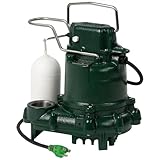
I remember the first time my basement decided to stage a water show. Panic city. While I was busy mopping and cursing my life choices, I glanced at the sump pump discharge pipe. It looked…standard. But then I started hearing whispers and seeing conflicting advice online. So, let’s cut to the chase: are all sump pump drain pipes 1 1/2 inch? The honest answer is a resounding no, and that little detail can cause you a whole heap of trouble if you’re not paying attention.
I’ve spent more hours than I care to admit wrestling with plumbing issues, including sump pump setups that looked right on paper but performed like a leaky sieve in reality. Getting this part right isn’t just about following a rule; it’s about avoiding water damage and headaches.
Why 1 1/2 Inch Is the Usual Suspect, but Not the Only One
Look, if you ask most guys at the hardware store, or flip through the basic installation manual for a new sump pump, you’re going to see a lot of 1 1/2 inch. It’s the de facto standard for a reason. Think of it like this: it’s big enough to let a decent volume of water through without getting clogged by every stray pebble that might get sucked up. For a typical residential sump pump, which usually moves water at a rate of, say, 30-60 gallons per minute (GPM) in standard conditions, a 1 1/2 inch pipe offers a good balance of flow rate and pipe cost. It’s readily available, easy to work with using standard PVC fittings, and most pumps are designed with an outlet fitting that matches this size.
I’ve seen plenty of pumps come straight out of the box with a 1 1/2 inch threaded adapter or a barb fitting designed for 1 1/2 inch hose. This makes the initial setup straightforward. You buy the pump, you buy the pipe, you screw it on, and you’re theoretically good to go. This commonality is why so many people assume it’s the only size. It’s the path of least resistance for many DIYers and even some professional installers who aren’t deep into the technical weeds of fluid dynamics. However, ‘standard’ doesn’t mean ‘universal’ or ‘always correct’ in the world of home improvement, and that’s where things get tricky.
When I was installing a pump in an older home, the original discharge line was a bit of a Frankenstein. It looked like someone had just grabbed whatever they had lying around. The pump itself had a 1 1/2 inch outlet, but the pipe connected to it was actually 2 inches. They’d used a reducer fitting. It worked, technically, but I always worried about that reducer being a choke point. It’s this kind of improvisation that leads to the idea that maybe there are other sizes out there, and indeed, there are.
The actual flow rate of a sump pump is a big factor. Some higher-capacity pumps, especially those designed for more demanding situations or larger homes, can push more water. If you have a pump that’s rated for 80-100 GPM or more, a 1 1/2 inch pipe might actually restrict its performance. Think of trying to drink a thick milkshake through a coffee stirrer – it’s going to take forever and might not even work.
Similarly, a high-flow pump trying to push water through a pipe that’s too small will result in increased backpressure. This extra strain can shorten the life of your pump motor and, more importantly, mean it can’t keep up during a heavy rain event, leading to that dreaded basement flood.
So, while 1 1/2 inch is the most common size you’ll encounter for sump pump drain pipes, it’s far from the only one. The pipe size is directly related to the pump’s capacity and the distance the water needs to be discharged. Ignoring this can be a costly mistake.
When Bigger (or Smaller) Is Actually Better
Here’s where we get into the weeds, and honestly, it’s where I learned the hard way. My first sump pump replacement was a bit of an upgrade. The old one was a small, basic unit, and the discharge pipe was definitely 1 1/2 inch. When I bought the new, more powerful pump – which promised to move twice the water – I just assumed I’d reuse the existing pipe. Big mistake. After a good rain, the pump was running constantly, making a weird groaning noise, and the water level in the pit was still higher than I liked. I called a plumber, half expecting him to tell me I’d bought a lemon pump.
He took one look, chuckled a bit, and pointed to the pipe. “This,” he said, “is your problem.” He explained that my new pump was rated for much higher GPM, and the 1 1/2 inch pipe was creating a bottleneck. Water was backing up, the pump was straining, and it wasn’t effectively clearing the pit. He recommended I upgrade to a 2-inch discharge line. The cost of the new pipe and fittings wasn’t outrageous – maybe another $50 on top of the pump installation – but the peace of mind was priceless. He also showed me how to check the pump’s specifications for recommended discharge pipe size. That’s a tip I’ll never forget.
So, when should you consider something other than 1 1/2 inch? The primary driver is the pump’s Gallons Per Minute (GPM) rating. Manufacturers usually provide charts or recommendations based on the pump’s output and the length of the discharge pipe. Generally, for pumps with higher GPM ratings (say, over 60 GPM, though this can vary), a 2-inch pipe is often recommended. A 2-inch pipe offers significantly more cross-sectional area, allowing for less resistance and better flow. This is particularly important if you have a long discharge run to the outside of your house or if you’re dealing with a high head pressure (the vertical distance the water needs to be lifted). (See Also: Are Pumpkin Seed Husks Edible )
Conversely, for very small, low-power utility pumps, you might even see smaller discharge options, though these are less common for primary sump pump duties. Think of those little pumps you might use to drain a water heater or a small aquarium – they might use a 1-inch hose. But for anything in a sump pit designed to handle significant water ingress, 1 1/2 inch is the minimum and 2 inch is increasingly common for better performance. There are even larger, industrial-grade pumps that might use 3-inch or larger pipes, but that’s way beyond a typical home setup.
The length of the pipe run is also a factor. If you have a short run from the pit to the exterior wall, a 1 1/2 inch pipe might be sufficient even for a moderately powerful pump. But if you have a 50-foot run, that extra resistance needs to be accounted for, and a larger diameter pipe becomes more beneficial. It’s a balance. Too large a pipe for a small pump can also be inefficient, leading to water velocity dropping too much, potentially causing sediment to settle in the pipe itself, though this is less of a concern with clean sump water.
| Pump GPM Rating (Approx.) | Recommended Discharge Pipe Size | Why (My Opinion) |
|---|---|---|
| Up to 40 GPM | 1 1/2 Inch | Standard, cost-effective for lower flow. Good for short runs. |
| 40 – 70 GPM | 1 1/2 Inch or 2 Inch | 1 1/2 inch is often fine for short runs, but 2 inch offers better performance and longevity. I’d lean towards 2 inch if the pipe run is more than 25 feet or if the pump is consistently working hard. |
| 70+ GPM | 2 Inch | Key for higher-capacity pumps to avoid strain and make sure efficient water removal. Don’t skimp here. |
Common Mistakes That Lead to Sump Pump Problems
You’d think a simple pipe would be hard to mess up, right? Wrong. I’ve seen people make some real doozies of mistakes that end up costing them dearly. The most frequent one, as I learned myself, is assuming the existing pipe size is adequate when you replace an old sump pump with a new, more powerful one. It’s like putting a race car engine in a Mini Cooper chassis – it’s not going to end well. The pump strains, overheats, and its lifespan gets cut dramatically. Plus, you’re not getting the full benefit of that upgraded pump if it can’t push the water out efficiently.
Another common blunder is using flexible corrugated hose for the entire discharge line, especially if it’s a long run. While flexible hose is great for connecting the pump to a rigid pipe or for very short, tight turns, it’s a flow killer over distance. The ridges inside create a lot of friction, slowing down the water and increasing the load on the pump. I’ve seen people use these flimsy hoses that kink easily, too. A solid PVC pipe is almost always superior for the main discharge line. If you have to use a flexible hose, make sure it’s a heavy-duty, smooth-interior type and keep it as short as possible, connecting it to a rigid PVC line.
Then there’s the issue of improper connections and sealing. Using the wrong type of glue or primer for PVC, or not applying it correctly, can lead to leaks. I once had a small drip at a fitting that I thought was just condensation. Turned out the PVC cement had failed because it was too cold when I applied it. The fix was easy, but the water damage it could have caused if I hadn’t noticed… shudder. Also, make sure all fittings are properly seated. A loose fitting will leak, and a fitting that’s not fully connected can restrict flow.
A less obvious, but equally problematic, mistake is improper pipe slope or allowing the discharge pipe to dip back down before it exits the house. Water needs to flow downhill. If your pipe has low spots, water can pool, freeze in winter, or just create extra resistance. This is especially true if the pipe is supposed to be self-draining. Some people also forget to winterize their discharge pipe, particularly if it exits above ground. If that pipe freezes solid, your sump pump will run dry and burn out, or worse, back up into the basement.
Finally, there’s the matter of discharge location. Simply discharging water right next to your foundation is a recipe for disaster. It just feeds right back into the ground around your house, potentially overwhelming the sump pump system again. The discharge needs to be directed well away from the foundation, ideally to a storm drain, a dry well, or at least a significant distance downhill. I once saw a setup where the pipe just emptied onto the driveway a few feet from the house. Brilliant, right? Not so much when the driveway sloped back towards the foundation.
Real-World Sump Pump Discharge Pipe Scenarios
Let’s talk about what this looks like in the trenches, so to speak. I’ve been involved in a few sump pump installations where the standard 1 1/2 inch pipe just wasn’t going to cut it. One was an older home with a really deep basement and a long run to the outside discharge point – probably close to 75 feet.
The original pump was puny, and the 1 1/2 inch pipe struggled even then. When we upgraded to a more solid pump, we knew we had to go with 2-inch PVC for the entire run. It made a noticeable difference.
The pump sounded healthier, and the water level in the pit dropped much faster. That upgrade cost me about $120 for the pipe, fittings, and glue, but the potential cost of a flooded basement was way higher. (See Also: Are Pumpkin Seed Acid Or Alkaline )
Another situation involved a house that had a history of flooding. The homeowner had tried multiple pumps, all with 1 1/2 inch discharge. It turned out the problem wasn’t just the pump’s capacity; it was also that the discharge pipe was routed through a narrow crawl space, making it impossible to run a straight 2-inch line.
They ended up using a 1 1/2 inch line for the first 30 feet, then transitioning to a 2-inch line where space allowed. This required a reducer fitting, and we were extra careful to make sure that reducer didn’t become a weak point. It’s a compromise, but sometimes that’s what you have to do to get water out when space is limited. The key was making sure the 2-inch portion was as long as possible.
I also dealt with a situation where a customer insisted on using a smaller, cheaper pump that only had a 1-inch discharge fitting. This was for a tiny utility pump in a boiler room, not a main sump pit. While it worked for its intended purpose, it was a stark reminder that pipe size is always dictated by the pump’s output and the system design. You can’t just assume. And honestly, for a proper sump pump, I’d be very wary of anything less than 1 1/2 inch unless the pump specs explicitly state otherwise. I’ve seen those tiny hoses kink up and flood places they weren’t supposed to.
The key takeaway from these real-world examples is that flexibility and thoughtful design are important. It’s not always a straight 1 1/2 inch pipe from point A to point B. You have to consider the pump’s GPM rating, the total dynamic head (which is a fancy way of saying the total resistance the pump works against, including vertical lift and friction loss from the pipe), the length and material of the pipe, and any fittings or bends along the way. Every inch of pipe, every elbow, adds resistance.
A 2-inch pipe has less friction loss than a 1 1/2 inch pipe for the same flow rate. It’s basic fluid dynamics, but it matters a lot for your sump pump’s health and your basement’s dryness.
The ‘why Not Just Use Whatever Fits?’ Fallacy
This is the mentality that gets people into trouble. You’ve got a new sump pump, a new discharge pipe, and you’re ready to connect them. You notice the pump has a 1 1/2 inch threaded outlet, but you have a perfectly good piece of 2-inch pipe lying around.
Easy fix, right? Just slap a reducer on it and call it a day. I’ve seen this done, and it’s the kind of shortcut that can bite you later.
My friend, Dave, did this exact thing last year. He figured, ‘More flow is better!’
He used a 1 1/2 inch to 2 inch reducer on his existing 1 1/2 inch pipe when he upgraded his pump. A few months later, during a particularly heavy storm, his pump ran constantly, sounded like it was gargling gravel, and the pit still filled up halfway.
He called me in a panic. (See Also: Are Organic Pumpkin Seeds From China Bad )
When I went over, I saw the reducer. It wasn’t the pump that was the issue; it was that the reducer fitting itself was creating turbulence and resistance. For a pump designed to push water through a 2-inch pipe, forcing it through a 1 1/2 inch pipe after a reducer is like making an Olympic swimmer go through a kiddie pool obstacle course. The pump had to work way harder. We ended up swapping the whole 1 1/2 inch line for a 2-inch line, and the problem was solved. It cost him about $80 in new PVC pipe and fittings, but he said it was worth every penny to not worry about the next big rain.
The fallacy lies in thinking that pipe size is only about fitting the outlet. It’s about the entire system’s efficiency. A pipe that’s too small causes backpressure, forcing the pump to work harder and generate more heat. This reduces its efficiency and can lead to premature failure. On the flip side, while less common, a pipe that’s too large for a small pump can cause the water velocity to drop too much. This can lead to sediment settling within the pipe, which can eventually clog it. Imagine water flowing through a wide, lazy river versus a fast-flowing creek – the creek carries debris along, while the river lets things settle.
Even the type of pipe matters. While PVC is king for sump pump discharge lines due to its smooth interior and durability, using flexible corrugated hose for long runs is a classic mistake. The internal corrugations create significant friction, slowing water flow and increasing the pump’s workload. I’ve seen people try to get away with using garden hoses, which is just asking for trouble. They kink, they degrade in sunlight, and they’re just not designed for the constant pressure and flow of a sump pump.
The point is, don’t just grab whatever fits or whatever looks cheapest. Look at your pump’s specifications. What GPM does it move? What is the recommended discharge pipe size for that GPM and for the length of your discharge run? Ignoring these details is a gamble. You might get lucky for a while, but when a real storm hits, you’ll wish you’d invested a little more foresight and a few extra bucks in the right pipe size and material. It’s a small investment for a big payoff: a dry basement.
Why Are Sump Pump Pipes Usually 1 1/2 Inch?
Sump pump discharge pipes are commonly 1 1/2 inch because it’s a good balance for typical residential pumps moving moderate amounts of water. This size offers enough capacity for most pumps’ flow rates (around 30-60 GPM) without being overly expensive or difficult to install. It’s a widely available standard size for PVC pipes and fittings, making it easy for homeowners and plumbers to find compatible components. For many standard applications, it provides adequate performance.
Can I Use a 2-Inch Pipe with a 1 1/2 Inch Sump Pump?
Yes, you can often use a 2-inch pipe with a 1 1/2 inch sump pump, and in many cases, it’s actually beneficial. You’ll need a 1 1/2 inch to 2 inch reducer fitting to connect the pump to the larger pipe. Using a 2-inch discharge line with a 1 1/2 inch pump can reduce friction and backpressure, allowing the pump to operate more efficiently and potentially extending its lifespan. This is especially true for longer discharge runs or if the pump is frequently working hard. However, if the pump’s outlet is significantly smaller than 1 1/2 inch, you’d need an appropriate reducer for that specific size.
What Happens If My Sump Pump Discharge Pipe Is Too Small?
If your sump pump discharge pipe is too small for the pump’s capacity, it will create excessive backpressure. This forces the pump to work much harder, leading to increased wear and tear, potential overheating, and a shortened lifespan. More critically, the pump won’t be able to expel water efficiently, meaning the pit may not clear properly, and you risk flooding your basement during heavy rain or snowmelt. It’s like trying to drain a bathtub through a straw – it’s simply not effective.
When Should I Use a 2-Inch Sump Pump Discharge Pipe?
You should consider using a 2-inch sump pump discharge pipe when you have a high-capacity sump pump (typically rated above 60-70 GPM), a long discharge line (over 50 feet), or if you need to lift water a significant vertical distance. A larger diameter pipe reduces friction loss and allows water to flow more freely, enabling the pump to operate at its optimal performance. It’s also a good idea if you live in an area prone to heavy storms or experience high groundwater levels, as it makes sure your system can handle peak water inflow.
Final Verdict
So, to circle back to the question: are all sump pump drain pipes 1 1/2 inch? Absolutely not. While it’s the most common size you’ll find, it’s not a one-size-fits-all solution. The right size depends on your specific pump’s performance, the length of the pipe run, and how much water you need to move.
My advice? Don’t just guess. Check your pump’s manual for its GPM rating and recommended discharge pipe size. If you’re replacing a pump, take a hard look at your existing pipe and consider if it’s still appropriate for the new unit. A little bit of research now can save you a lot of water damage and frustration down the line.
If you’re unsure, err on the side of a slightly larger pipe, especially if you have a long run outside. A 2-inch pipe is a solid choice for many modern pumps and offers a good margin for error. Getting this right is one of the simplest, yet most effective, ways to protect your basement.