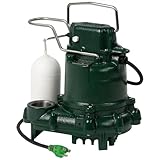
The first time my sump pump kicked on, I thought a small badger had taken up residence in my basement. It wasn’t a gentle hum; it was a full-on, guttural roar that made me jump out of my skin. I’d heard they made noise, sure, but this was something else. It got me thinking, are all sump pumps loud? Like, is this just the nature of the beast, or did I get a particularly aggressive one?
I’ve dealt with my share of basement water issues, and each time, the sump pump is the unsung hero. But man, some of them sure sing a loud tune. It’s not just about the water; it’s about the racket that comes with it. This isn’t a luxury item; it’s a necessity, and nobody wants a noise complaint from their own house.
The Sound of a Sump Pump: More Than Just Water
Look, when water’s got to go, it’s got to go. A sump pump’s job is pretty straightforward: collect water in a pit (the sump pit) and then forcefully eject it away from your foundation. This forceful ejection isn’t silent. Think about it: you’re basically launching water up and out through pipes. That process involves a motor running, an impeller spinning at high speed, and water being sloshed around and pressurized. It’s not going to sound like a gentle breeze.
My first sump pump, a submersible unit I bought on a whim because it was cheap, sounded like a garbage disposal possessed. Every time it cycled, which felt like every five minutes during a heavy rain, the whole house seemed to vibrate. My wife initially thought the washing machine was on the spin cycle, but it was coming from the basement floor. It was a deep, rumbling growl followed by a whoosh and then that distinct sound of water being expelled.
The PAA question ‘How to make my sump pump quieter?’ is a good one because it hits the nail on the head. People want quieter. It’s not just an annoyance; for some, it’s a real quality-of-life issue, especially if the pump is located near a living space. I once had a rental property where the pump was right under the main living room, and the noise was… noticeable. Let’s just say movie nights weren’t the same.
What you’re hearing is primarily the motor and the water moving. The motor spins the impeller, which creates the force to move the water. The louder the motor and the more forceful the water movement, the louder the pump. Some pumps are designed with noise reduction in mind, but the fundamental mechanics of moving a lot of water quickly inherently create sound. It’s physics, plain and simple. So, to answer the initial question, are all sump pumps loud? Not necessarily deafening, but they all make some noise.
What Makes Some Sump Pumps Louder Than Others?
It boils down to a few key things, really. First off, the type of pump matters. You’ve got submersible pumps, which sit down in the sump pit, and pedestal pumps, where the motor is up above the pit on a stand. Submersible pumps are generally quieter because they’re enclosed in a watertight housing and are submerged in water, which acts as a natural sound dampener. The noise is contained. Pedestal pumps, on the other hand, have their motors exposed, and that motor noise can be much more direct and audible.
Then there’s the motor itself. A more powerful motor, while great for moving more water, can also be louder. Think of a tiny electric fan versus a massive industrial ventilation fan – same principle. The build quality also plays a huge role. Cheaper pumps often use less solid materials, which can mean more vibration and therefore more noise. The housing materials, the seals, and how well-balanced the impeller is all contribute. A poorly balanced impeller will vibrate more, and vibration equals noise.
Installation is another massive factor. If a pump isn’t properly secured, it can vibrate against the sides of the sump pit or the floor, amplifying the sound. My neighbor, bless his heart, installed his pump himself and it was practically rattling itself to death. Turns out, it was just sitting a little crooked in the pit and the discharge pipe was vibrating against the wall. A quick adjustment with some foam padding underneath and some support for the pipe, and it was significantly quieter. (See Also: Are Pumpkin Seed Husks Edible )
I’ve also noticed that older pumps can get louder as they age. Bearings in the motor can wear out, seals can loosen, and sediment can build up, all contributing to increased noise. It’s like any mechanical device; over time, things wear down. So, while a brand-new, good-quality submersible pump might be relatively quiet, an old, budget pedestal pump is likely going to be a noisy affair. My first one was a pedestal, and I swear it sounded like a small engine starting up every time it ran.
My Own Sump Pump Debacles: Lessons Learned
Okay, confession time. My first basement flood was a doozy. It was a torrential downpour, and I realized my existing sump pump, which I hadn’t really paid attention to because it was generally quiet, had given up the ghost. Panic set in. I dashed to the nearest big-box hardware store and grabbed the cheapest submersible pump I could find. It was probably under $100, and in hindsight, I got exactly what I paid for.
That thing was a beast of noise. It sounded like a small jet engine preparing for takeoff. Every time it kicked on, my dog would howl, and I’d have to pause conversations. The worst part was that it felt like it ran constantly during that extended storm. Sleep was impossible. I ended up putting extra blankets over my head, which is a ridiculous solution to a mechanical problem.
The real ‘aha!’ moment came when I finally decided to invest in a slightly more expensive, brand-name unit. It was still a submersible pump, but it had a cast-iron body instead of plastic, and the motor felt more substantial. The price difference was about $150 compared to my previous $80 bargain basement special. The moment it cycled on for the first time, I stood there in the basement, waiting for the roar. Instead, there was a distinct hum, a powerful thump as the water started moving, and then a relatively quiet whoosh as it discharged. It was night and day. I could actually hear myself think while it was running.
This experience taught me that while are all sump pumps loud to some degree, the degree is massively variable. You can have a pump that’s a constant, grating annoyance, or you can have one that’s a background hum you barely notice. The ‘cheap’ option cost me peace of mind and sleep, which, in my book, is far more expensive than the actual price tag. I learned that sometimes, paying a little more upfront for a quality product that does its job quietly is the smarter, more cost-effective choice in the long run.
Contrarian View: Why I Don’t Stress Too Much About Pump Noise
Here’s my contrarian take: everyone obsesses over sump pump noise, and I think it’s often misplaced energy. My reasoning is simple: it’s a utility. It’s there to save your house from water damage. It’s not an entertainment system; it’s a lifesaver for your foundation. When it’s doing its job, I’m more relieved than annoyed by the sound.
Think about it. You’d rather hear your sump pump working hard during a storm than not hear it and then discover a foot of water in your basement. The sound is a sign of functionality, of a system doing exactly what it’s designed to do. I’ve heard people go to extreme lengths – building elaborate soundproof boxes, burying pumps deeper, all sorts of things – to silence them. And sure, if it’s truly unbearable and right under your bedroom, I get it. But for most situations, a bit of mechanical noise is a small price to pay for peace of mind regarding water damage.
My current setup has a pump that’s definitely audible. You hear it kick on, and you hear the water discharging. It’s not silent, but it’s not intrusive. I don’t even register it anymore unless there’s a storm that really gets it going. The sound has become associated with safety and protection for my home. When I hear it, I think, “Okay, good, the pump’s working.” I’ve seen people spend hundreds of dollars on ‘quiet’ pumps that are still audible, and for what? To save a few decibels that you’ll forget about the moment you see water creeping up your basement stairs? (See Also: Are Pumpkin Seed Acid Or Alkaline )
The common advice is always about minimizing noise, but I think the real advice should be about making sure reliability and effectiveness first. If you have to choose between a pump that’s whisper-quiet but might struggle with a heavy load, and one that makes a bit of noise but will absolutely handle the job, choose the latter every single time. Your house’s structural integrity is far more important than a few decibels of mechanical sound. So, while yes, sump pumps make noise, I don’t believe you should let that be the primary deciding factor in your purchase unless it’s truly extreme.
Practical Tips for a Quieter Sump Pump Setup
Alright, so we’ve established that not all sump pumps are silent, but some are definitely more obtrusive than others. If you’re sensitive to noise, or if your pump is located in a spot where the sound really carries, there are practical steps you can take to mitigate it. It’s not about silencing it completely, but about dampening the vibrations and the direct sound transmission.
First, and this is huge, consider the type of pump. As I mentioned, submersible pumps are generally quieter. They’re enclosed, and the water in the pit acts as a buffer. If you have a pedestal pump and noise is a major issue, upgrading to a submersible unit is probably your best bet. Look for cast-iron construction for the pump body, as it’s denser and less prone to vibration than plastic. The motor horsepower is also a factor; while you need enough power, an oversized motor might just be unnecessarily loud.
Installation is key. Make sure the pump is sitting on a stable, level surface at the bottom of the pit. Some people use a layer of gravel or a rubber mat under the pump to absorb vibrations. Critically, make sure the discharge pipe is properly supported and doesn’t rattle against the pit walls or floor. Rubber couplings or foam padding can help here. If the pipe is vibrating, it’s going to transfer noise through your house’s structure.
Another trick, especially for pedestal pumps, is to build a simple enclosure around the motor. Use sound-dampening material like mass-loaded vinyl or even thick foam insulation. Make sure there’s still adequate ventilation for the motor, though. You don’t want to overheat it. For submersible pumps, make sure the pit lid is securely fastened. A loose lid can rattle and add to the noise profile. Some people even line the inside of the pit lid with sound-absorbing material.
Finally, maintenance is often overlooked. Regularly check your pump for debris in the impeller, loose connections, or signs of wear. A well-maintained pump will generally operate more smoothly and quietly. If your pump starts getting significantly louder, it might be time for a service or replacement, rather than trying to mask the noise with aftermarket solutions.
| Pump Type | General Noise Level | My Verdict |
|---|---|---|
| Pedestal Pump | Moderate to High | Often louder due to exposed motor. Best for deeper pits where motor placement is less of an issue for noise. |
| Submersible Pump (Plastic Housing) | Low to Moderate | Quieter due to submersion and housing, but plastic can transmit vibration. Good for most homes. |
| Submersible Pump (Cast Iron Housing) | Very Low | My preferred choice for quiet operation and durability. The weight and density really help dampen sound. Worth the extra cost if noise is a concern. |
| Battery Backup Sump Pump | Variable (depends on pump type) | The backup pump itself will have the noise level of whatever pump it’s paired with. The battery unit itself is silent. |
| Sump Pump with Check Valve | Slightly Louder when closing | The check valve can make a ‘thump’ when it closes, but this is usually brief and less intrusive than the pump motor itself. |
When to Call in the Pros (or at Least Get a Better Pump)
There comes a point where you’ve tried all the DIY fixes, and the noise is still driving you mad, or perhaps the pump itself is acting up. This is when you realize that maybe you just have the wrong pump for the job, or it’s simply reached the end of its lifespan. If your pump is older than 7-10 years, it’s likely time for a replacement. Components wear out, and that includes the motor and seals that contribute to noise and efficiency.
If you’re experiencing frequent cycling, or if the pump seems to be struggling to move water effectively, these are signs of a pump that’s on its way out. And as they get weaker, they can sometimes get louder as the motor strains. You might also notice unusual noises – grinding, whining, or excessive rattling – that indicate mechanical failure. These aren’t just noise issues; they’re potential failure points that could lead to a basement flood. (See Also: Are Organic Pumpkin Seeds From China Bad )
When you’re looking for a replacement, don’t just grab the cheapest option. Consider the gallons-per-hour (GPH) rating needed for your basement. Your local hardware store can usually help you figure this out based on your home’s size and typical rainfall. Look at the warranty – a longer warranty often signifies a more durable, better-built product. And, as we’ve discussed extensively, check reviews specifically mentioning noise levels. Some manufacturers are known for quieter operation.
If you’re not comfortable assessing pump performance or installation yourself, it’s always wise to call a plumber or a sump pump specialist. They can diagnose whether the noise is from the pump itself, the installation, or even the discharge piping. They can also recommend and install a unit that’s appropriately sized and, ideally, quieter. Investing in professional installation can save you headaches and potential water damage down the line. Sometimes, the most cost-effective solution is to get it done right the first time by someone who knows sump pumps inside and out.
How Do I Know If My Sump Pump Is Too Loud?
If the noise is disruptive to your daily life, causes you to jump, or you can’t carry on a normal conversation when it runs, it’s likely too loud for your comfort. Persistent rattling, grinding, or high-pitched whining are also indicators of a problem beyond normal operational noise.
Can a Loud Sump Pump Be a Sign of Damage?
Yes, absolutely. While some noise is normal, a sudden increase in loudness, or unusual sounds like grinding or clunking, can indicate a worn-out motor, a damaged impeller, or loose components. These issues can lead to pump failure and potential flooding.
What Is the Quietest Type of Sump Pump?
Generally, submersible sump pumps with cast-iron housings are the quietest. The cast iron is dense and helps dampen motor noise, and being submerged in water further reduces sound transmission compared to pedestal pumps with exposed motors.
Should I Insulate My Sump Pump Pit?
You can add sound-dampening materials to the lid of the sump pit, but avoid insulating the pit itself. The pump needs airflow to prevent overheating, and blocking ventilation can cause damage. Focus on dampening vibrations and sound transmission through the lid or by using rubber couplings on the discharge pipe.
Final Thoughts
So, to circle back to the big question: are all sump pumps loud? The short answer is no, not all of them are equally loud, but they all make some noise. My journey from a deafening bargain-bin special to a much more reasonable submersible unit taught me that you get what you pay for, and a little extra upfront cost can buy you a lot of peace and quiet. It’s a trade-off between the sound of a working pump and the silence of a flooded basement.
Don’t let the fear of noise paralyze you into buying the cheapest option. Do your homework, read reviews that mention noise, and consider a submersible, cast-iron model if quiet operation is a priority. If your current pump is rattling its way to an early grave, it might be time to upgrade before it fails completely.
Ultimately, the sound of a sump pump is a reminder that your home is protected. While you can take steps to minimize the racket, sometimes the most important thing is just knowing it’s doing its job when the water starts to rise.