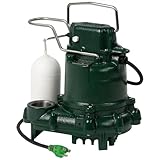
My basement flooded the first time I owned a house. It wasn’t a biblical deluge, just a persistent seep that crept in after a heavy rain. I figured, ‘How hard can this be?’ and rushed to the hardware store, grabbing the first pump I saw. It looked… pump-like. I installed it, felt smug, and went to bed. The next morning? More water. Turns out, asking ‘are all sump pumps the same size’ is like asking if all cars are the same engine size. It’s a question that screams ‘rookie mistake’ to anyone who’s been there.
The reality is, there’s a whole universe of sump pump options, and picking the wrong one isn’t just annoying; it can cost you thousands in water damage.
The Great Sump Pump Sizing Mystery
Let’s get this straight right off the bat: no, absolutely not, are all sump pumps the same size. This isn’t a one-size-fits-all deal. Think about it – your house isn’t built on a perfectly flat, universally wet piece of land, is it? You’ve got varying basement layouts, different soil types around your foundation, and a whole spectrum of rainfall intensity to contend with. A tiny pedestal pump that might handle a drizzle in a small crawl space is going to be about as effective as a teacup in a hurricane when you’re dealing with a serious basement water issue.
The ‘size’ of a sump pump doesn’t just refer to its physical dimensions, though that matters for fitting it into your pit. The real ‘size’ that dictates its effectiveness is its horsepower and its GPH (gallons per hour) rating. These two factors determine how much water it can move and how quickly. A common misconception is that bigger is always better, but that’s not quite the whole story. You need the right size for your specific needs. Too small, and it’ll constantly be running, overheating, and will likely fail when you need it most. Too big? Well, that can be problematic too, sometimes even causing the pump to short-cycle, which isn’t great for its longevity.
When I was wrestling with my first basement flood, I was utterly clueless about GPH. I just looked at the box and saw ‘pump.’ My second attempt involved a pump that claimed to be ‘heavy duty.’ It looked beefier, sure, and it did move more water, but it was still constantly struggling during prolonged downpours. The issue wasn’t just raw power; it was about matching that power to the rate at which water was entering my basement. I learned the hard way that understanding your home’s water intrusion patterns is just as important as understanding pump specs. We’ll get into that more, but for now, just know that the notion of a ‘standard’ sump pump is pure fiction.
Why Horsepower and Gph Matter
So, what’s the deal with horsepower (HP) and gallons per hour (GPH)? These are the metrics that tell you what a pump can actually do. Horsepower is basically the raw power of the motor. Common sizes range from 1/4 HP for light-duty tasks to 1 HP or even more for heavy-duty, large-volume pumping. The higher the HP, generally, the more water the pump can move. But HP alone isn’t the whole story. You also need to consider the ‘head height’ – how high the pump needs to push the water. A pump might have a high HP, but if it’s struggling to push water up a long discharge pipe or to a higher elevation, its effective GPH will drop significantly.
Gallons per hour (GPH) is the direct measure of a pump’s output. It’s usually rated at a specific head height. For example, a pump might be rated at 1500 GPH at a 10-foot head.
If your situation requires pushing water 15 feet high, its actual GPH will be much lower. This is where many homeowners get tripped up.
They see a big GPH number and assume it’s enough, without factoring in their home’s specific plumbing and elevation. It’s why checking the pump’s performance curve, which shows GPH at different head heights, is so important. My neighbor Frank, who lives on a slight incline, learned this when his ‘high-volume’ pump couldn’t keep up because the discharge pipe was longer than he initially calculated. He ended up having to swap it out for one with a higher HP and a better head rating.
Common Sump Pump Types and Their ‘sizes’
When you start looking, you’ll notice sump pumps come in a few main flavors, each with its own typical size and application range. Understanding these differences is key to not picking the wrong tool for the job. The two most common types you’ll see are submersible and pedestal pumps. Each has its own advantages and disadvantages, and their ‘size’ (in terms of horsepower and intended use) varies significantly.
Submersible Pumps: These are the workhorses and generally considered more reliable for consistent water management. As the name suggests, they sit directly in the sump pit, fully submerged in the water.
This design helps keep them cooler, which is great for continuous operation. They’re also quieter because the noise is muffled by the water and the pit. Submersible pumps typically range from 1/4 HP to 1 HP, with 1/3 HP and 1/2 HP being very common for average homes.
For basements prone to significant flooding or with a higher water table, you might look at 3/4 HP or 1 HP models. The physical size of submersible pumps can vary, but they’re designed to fit within a standard sump pit (usually 10-18 inches in diameter).
Pedestal Pumps: These are often the more budget-friendly option. The motor unit sits on a pedestal above the water level, with an intake hose reaching down into the pit.
Because the motor isn’t submerged, they tend to be noisier and can be more susceptible to overheating if they run for extended periods. Pedestal pumps are usually found in smaller horsepower ranges, often 1/4 HP to 1/3 HP. (See Also: Are Pumpkin Seed Husks Edible )
They’re best suited for smaller pits and situations where water intrusion is less severe or less frequent. I used a pedestal pump in my first fixer-upper garage workshop where I just needed to handle occasional minor leaks, and it did the job for that specific, low-demand scenario.
It wouldn’t last five minutes in a real basement flood.
There are also battery backup systems and even more advanced sewage ejector pumps (which are different beasts entirely, dealing with solids), but for standard sump pump needs, submersible and pedestal are your main categories. The ‘size’—meaning horsepower and pumping capacity—is custom to these different designs and their intended use cases.
Choosing the Right Hp for Your Needs
So, how do you actually pick the right horsepower? It’s not just about picking the biggest number. Here’s a breakdown of what I’ve learned works:
- 1/4 HP: Best for very small homes, light duty, or crawl spaces where water accumulation is minimal and infrequent. If you only get a tiny bit of water after a big storm, this might suffice.
- 1/3 HP: A good all-rounder for many average-sized homes with moderate water issues. It can handle a decent amount of water without constant strain.
- 1/2 HP: This is a very popular choice for homes with moderate to heavy water intrusion. It offers a good balance of power and efficiency for most basements.
- 3/4 HP to 1 HP: For larger homes, homes in areas with high water tables, or basements that are prone to significant flooding. These are serious pumps designed to move a lot of water quickly.
Don’t just guess. Try to estimate how much water your basement might get. Does it flood a few inches every few months, or do you sometimes see a steady stream coming in after heavy rain? If you’re unsure, it’s often better to err on the side of slightly more power (e.g., a 1/2 HP instead of a 1/3 HP) if your pit can accommodate it.
How Sump Pump Performance Is Measured (it’s Not Just ‘size’)
We’ve touched on horsepower and GPH, but it’s worth diving a bit deeper because this is where the ‘are all sump pumps the same size’ myth really crumbles. The performance of a sump pump is a combination of factors, and just looking at the HP or the peak GPH rating can be misleading. A pump that’s labeled ‘heavy-duty’ might not actually be the best choice for your specific water problem if its performance drops dramatically at the head height you need.
Head Height: This is the vertical distance from the pump’s discharge outlet to the point where the water exits your home. Most manufacturers provide a chart or graph showing the pump’s GPH output at various head heights. A pump rated at 3000 GPH at 0 feet of head might only pump 1000 GPH at 15 feet of head. You absolutely must consider your home’s specific elevation. My first basement setup had the discharge pipe running almost horizontally for a good 20 feet before it went upwards. This added significant friction and effectively increased the head height, making my ‘powerful’ pump feel weak.
Discharge Pipe Diameter: The diameter of the pipe the pump pushes water through also affects its efficiency. Most residential sump pumps use a 1-1/4 inch or 1-1/2 inch discharge pipe. Using a smaller pipe than recommended can create backpressure and reduce the pump’s effective GPH. If you have a larger pump, it might be designed for a larger discharge pipe (e.g., 2 inches) to maximize its output.
Float Switch Type: While not directly related to GPH, the float switch (which turns the pump on and off) is a important component that affects how often and for how long the pump runs. Vertical float switches are common and can be adjusted for different ‘on’ and ‘off’ levels. Tethered float switches are also common and can be more reliable in tighter pits. Some advanced pumps have electronic sensors. The type and placement of the float switch can indirectly impact the pump’s overall effectiveness by controlling its cycle times.
The Pit and the Pump: A Match Made in Basement
The sump pit itself plays a role in how well a sump pump operates, and it’s another reason why ‘are all sump pumps the same size’ is a silly question. The pit needs to be deep and wide enough to accommodate the pump and allow it to fill with enough water to cycle on without constantly starting and stopping (short-cycling). A typical pit is 10-18 inches in diameter and at least 18-24 inches deep.
Pit Depth: A deeper pit means the pump can sit lower and draw more water before activating. This allows for longer run cycles and less frequent starts. If your pit is too shallow, a pump might turn on, pump for a few seconds, and turn off, only to repeat the process immediately. This is called short-cycling and it’s terrible for the pump’s motor, dramatically reducing its lifespan.
Pit Diameter: The diameter is important for fitting the pump and its associated plumbing (like the check valve) and making sure the float switch has a clear path to operate. For submersible pumps, you need enough clearance so the float arm isn’t snagged. For pedestal pumps, the base needs to sit securely. If you have a very narrow pit, a submersible pump might be your only option, and you’ll need to make sure it fits comfortably.
Pit Material: Most pits are made of plastic or concrete. While the material itself doesn’t directly impact pump performance, the way it’s installed and its structural integrity do. A pit that’s collapsing or filling with sediment will obviously cause problems.
Common Pitfalls and How to Avoid Them
My own journey through basement water issues has been paved with the discarded carcasses of incorrectly chosen sump pumps and ill-fitting pit setups. It’s a learning curve, and unfortunately, it can be an expensive one. The biggest mistake I see people make is assuming that any pump will do, or that the cheapest option is the best. That line of thinking is a one-way ticket to water damage. (See Also: Are Pumpkin Seed Acid Or Alkaline )
Mistake 1: Undersizing the Pump. This is the most common error. People buy a 1/4 HP pump when they really need a 1/2 HP because they’re trying to save a few bucks or they just don’t know any better. This leads to the pump running constantly, overheating, and failing during a heavy storm when you need it most. I saw this happen to a friend last spring. His basement started filling up, and his little pump just whined and sputtered, barely making a dent. He ended up with about two inches of water across his entire finished basement. Ouch.
Mistake 2: Ignoring Head Height and Discharge Piping. As mentioned, a pump’s GPH rating is often for ideal conditions. If you have a long discharge pipe or significant vertical lift, you need a pump that can handle that resistance. Also, make sure your discharge pipe isn’t clogged or kinked. A simple check valve failure can send water back into the pit, forcing the pump to work harder than it should.
Mistake 3: Improper Pit Installation or Maintenance. A poorly installed pit, or one that’s never cleaned, can cause all sorts of problems. Sediment can clog the pump’s intake, and a pit that’s too shallow won’t allow the pump to cycle properly. I neglected to clean my pit for a couple of years, and the sludge buildup was immense. My pump started making this horrible grinding noise, and I realized the intake was practically buried. Luckily, I caught it before it died, but it was a wake-up call.
My ‘too Small’ Pump Story
I remember buying a house that had a pre-existing sump pump. It was a tiny, plastic thing, barely bigger than a soda can. I thought, ‘What a cute little pump!’
Big mistake. I lived there for about six months, enjoying the dry basement, until a really brutal, days-long storm hit. I woke up to the sound of water sloshing. The little pump was running constantly, but it just couldn’t keep up.
The water level rose about four inches before I could get a bigger, proper 1/2 HP submersible pump installed. That day cost me a new carpet and a lot of stress. It taught me that ‘size’ isn’t just about physical dimensions; it’s about capacity, and that cute little pump was completely outmatched.
What to Look for When Buying
So, when you’re staring down the barrel of needing a sump pump, and the question ‘are all sump pumps the same size’ is already a distant, embarrassing memory, what should you actually be looking for? It boils down to understanding your specific situation and then matching it to the pump’s capabilities. Forget the marketing fluff; focus on the specs that matter.
First, assess your water problem. How much water do you typically get? How often? Is it a steady seep, or does it come in gushes during heavy rain? This will give you a clue about the GPH you need. Next, measure your sump pit – its diameter and depth. This will determine what type and size of pump will physically fit and operate correctly. Then, figure out your head height. Measure the vertical distance from the bottom of the pit to where your discharge pipe exits your house. If you have a long horizontal run of pipe, add a bit extra to account for friction.
With that information, you can start looking at pumps. For most average homes, a 1/3 HP to 1/2 HP submersible pump is a solid bet.
If you have a larger home or a known history of significant flooding, step up to a 3/4 HP or 1 HP. Always check the pump’s performance chart to see its GPH at your calculated head height. Don’t just rely on the maximum GPH number. Look for pumps with cast iron or durable thermoplastic housings for longevity.
A good float switch is important – a tethered float switch is generally solid for most pits. Consider a backup system, either a battery-powered backup pump or a water-powered one, especially if you’re in an area prone to power outages during storms.
Comparing Pump Specs: An Opinionated Table
To make things a little clearer, here’s a table with my take on common pump types and what to consider. This isn’t about brand names; it’s about the core specs.
| Pump Type | Typical HP Range | Best For | My Verdict |
|---|---|---|---|
| Pedestal Pump | 1/4 – 1/3 HP | Small pits, light/infrequent water intrusion, budget-conscious. | Okay for minor issues, but noisy and less durable for heavy use. Avoid if you have consistent water problems. |
| Submersible Pump (1/3 HP) | 1/3 HP | Average homes, moderate water intrusion. | Solid all-rounder. Good balance of power and efficiency for many basements. My go-to for typical situations. |
| Submersible Pump (1/2 HP) | 1/2 HP | Larger homes, moderate to heavy water intrusion, longer discharge runs. | Excellent choice for most homeowners concerned about water. Handles more volume and pressure well. Worth the slight extra cost over 1/3 HP. |
| Submersible Pump (3/4-1 HP) | 3/4 – 1 HP | Large homes, high water tables, severe flooding potential. | Serious power. Use this if your basement is a known water magnet. Can be overkill for minor issues, but key when needed. |
Remember, a good sump pump is an investment in protecting your home. Don’t skimp here. Paying a little more upfront for the right pump can save you thousands in potential water damage repairs down the line. And always, always check the warranty. A longer warranty often indicates a more confident manufacturer, which is a good sign.
When Size Isn’t Everything: Advanced Considerations
We’ve hammered home that ‘are all sump pumps the same size’ is a false premise. But beyond the basic HP and GPH, there are other factors that can make a significant difference in performance and reliability, especially for more demanding situations. These are the things that separate a decent pump from a truly dependable one. (See Also: Are Organic Pumpkin Seeds From China Bad )
Pump Material: The housing and impeller material are important for durability. Cast iron is a classic choice for its strength and heat dissipation, making it ideal for heavy-duty pumps. However, cast iron can rust if not coated properly. Thermoplastic pumps are lighter, less prone to corrosion, and often more affordable. For most residential use, a good quality thermoplastic or a coated cast iron pump will serve you well. Avoid cheap plastic pumps if you expect consistent performance.
Efficiency: While not always explicitly rated on the box, some pumps are designed to be more energy-efficient than others. This can be important if your pump runs frequently, as it can impact your electricity bill. Look for pumps with well-engineered motors and impellers that move water effectively without excessive power draw.
Thermal Overload Protection: This is a vital feature, especially for submersible pumps. It’s a built-in safety mechanism that shuts the pump off if the motor overheats. This can prevent permanent damage if the pump is running too hard or if there’s a blockage. It’s a standard feature on most decent pumps today, but worth confirming.
The Backup System: A a Must for Some
For anyone living in a flood-prone area or an area with frequent power outages, a sump pump backup system isn’t a luxury; it’s a necessity. Power outages during storms are precisely when your main sump pump is most likely to be needed. A battery backup system provides a dedicated power source for your sump pump during an outage. These systems typically include a deep-cycle marine battery and a separate pump or a switch that activates the main pump when AC power is lost.
There are also water-powered backup pumps. These use your home’s municipal water supply to create suction and pump water out. They don’t require electricity, but they do consume water, which can be a concern in areas with water restrictions or high water bills. I’ve seen too many homes with flooded basements simply because the power went out during a storm. Investing in a good battery backup system, in addition to a properly sized primary pump, is one of the smartest things you can do to protect your home. It’s an extra layer of security that provides peace of mind. It’s not about pump size; it’s about system resilience.
What Is the Most Common Sump Pump Size?
The most common sump pump horsepower for residential use is 1/3 HP to 1/2 HP. These sizes are generally sufficient for average-sized homes with moderate water intrusion. They offer a good balance between pumping capacity and energy efficiency for typical basement conditions. However, ‘size’ in terms of horsepower is just one aspect; the actual pumping capacity (GPH at a given head height) is more important.
Can a Sump Pump Be Too Powerful for My Pit?
Yes, a sump pump can be too powerful or simply the wrong type for your pit. If a pump is too powerful for the rate at which water enters the pit, or if the pit is too small, the pump might short-cycle – turning on and off very rapidly. This is detrimental to the pump’s motor and can lead to premature failure. Make sure the pit is adequate in size and depth for the pump’s capacity, allowing for reasonable run times.
How Often Should a Sump Pump Run?
Ideally, a sump pump should not run constantly. A healthy sump pump system in a home with moderate water intrusion might run for a few minutes every hour or two during wet periods, or only for short bursts after heavy rain. If your pump is running constantly, it could indicate a problem like a pump that’s too small, a leak elsewhere in your foundation, or a malfunctioning float switch. Occasional, short bursts of activity are normal; continuous running is a red flag.
Do I Need a Check Valve for My Sump Pump?
Yes, a check valve is an key component for virtually all sump pump installations. It’s a one-way valve installed on the discharge pipe that prevents water from flowing back down into the sump pit after the pump turns off. Without a check valve, the pump would have to re-pump the same water repeatedly, leading to inefficiency and potential short-cycling. It’s a small part that prevents a big problem.
Final Thoughts
So, to finally put the myth to rest: no, are all sump pumps the same size? Absolutely not. They range in horsepower, pumping capacity, physical dimensions, and suitability for different basement environments. Picking the right one requires a bit of homework – understanding your home’s specific water issues, measuring your sump pit, and calculating your head height. Don’t just grab the first pump you see; that’s a recipe for disaster. A properly sized and installed sump pump is a important line of defense for your home against water damage.
If you’re unsure, err on the side of caution and go for a slightly more powerful pump (within reason for your pit size) or consult a professional. The cost of a slightly more solid pump or a service call now is a pittance compared to the cost of repairing a water-damaged basement. Take the time to get it right; your basement (and your wallet) will thank you.
After all this, it’s clear that the notion of ‘one size fits all’ for sump pumps is a dangerous fallacy. The correct ‘size’ – meaning horsepower, GPH, and physical dimensions – is entirely dependent on your unique basement setup and water intrusion patterns. A pump that works perfectly for your neighbor might be completely inadequate or even detrimental for your own home.
Don’t let a cheap or undersized pump lull you into a false sense of security. Take the time to assess your needs, understand the specifications, and choose a pump that’s built for the job. Consider a backup system, especially if you live in an area with unreliable power. Protecting your home from water damage is a serious undertaking, and the sump pump is a key player in that defense. Make an informed decision, and sleep a little easier knowing your basement is properly protected.