So, you’re staring at that damp basement floor, or maybe you’re just proactive about avoiding the horror show, and you’ve stumbled down the rabbit hole of sump pumps. Suddenly, you’re seeing them everywhere: cast iron, plastic, and yes, aluminum. The big question on your mind is probably, ‘Are aluminum sump pumps good?’ I’ve been there. I’ve spent more money than I care to admit on basement water control systems that promised the moon and delivered a leaky puddle. Let’s cut through the noise.
Aluminum sump pumps get a lot of chatter, and frankly, not all of it is useful. I’m here to give you the straight dope, based on years of wrestling with leaky basements and figuring out what actually holds up.
What’s the Deal with Aluminum Sump Pumps Anyway?
Look, when you’re dealing with potential water damage, the last thing you want is a pump that quits on you. So, when I first started looking into sump pump materials, aluminum popped up as a contender. The theory is pretty simple: aluminum is lighter than cast iron, and it doesn’t rust like plain steel or some plastics can degrade. This makes it appealing, especially if you’re imagining a pump that’s easy to handle and won’t corrode away over time. Most aluminum pumps you’ll find are designed for general-purpose dewatering, meaning they’re meant for everyday basement seepage, not necessarily for tackling a full-blown flood like some heavy-duty cast iron models might be.
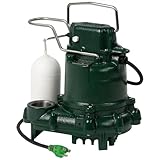
The construction usually involves an aluminum housing, which is great because it keeps the weight down. This can be a real plus during installation or if you ever need to pull it out for maintenance. Nobody wants to wrestle a heavy, waterlogged cast iron beast up a flight of stairs. The impeller – that’s the spinning part that actually throws the water – is often made of reinforced nylon or sometimes even a tougher thermoplastic.
The motor itself is typically submersible, sealed away in its own housing to keep it dry. The idea is that the aluminum body protects the motor and other internal components from the harsh, wet environment of your sump pit.
It’s a decent concept, and for lighter duty, it can absolutely work. I remember one time I replaced an old, corroded cast iron pump in a rental property.
The landlord had let it go forever, and it was basically a rust bomb. Swapping it for an aluminum one was a breeze, weight-wise. It made me think, maybe this lighter stuff is the way to go for simpler setups.
However, you’re not going to find many high-end, industrial-strength aluminum pumps. They generally fall into the mid-range category. They’re not your absolute cheapest plastic models, but they’re definitely not the bulletproof, take-on-the-apocalypse cast iron ones either. This middle ground is where many homeowners land. They want something reliable, better than basic plastic, but without breaking the bank or requiring a small crane to install. The key is understanding what ‘mid-range’ means for your specific situation. Are you dealing with the occasional trickle after a heavy rain, or are you worried about a significant storm surge? The material choice, including aluminum, really hinges on the expected workload.
What to Look for: Beyond Just the Material
Alright, so you’re leaning towards aluminum, or at least considering it. What else should you be scrutinizing? Because let me tell you, just picking an aluminum pump because it’s aluminum is a recipe for disappointment. First off, check the horsepower.
This is important. For a standard basement, a 1/3 horsepower (HP) or 1/2 HP pump is usually sufficient.
If you have a larger basement or know you get a lot of water, you might need to go up to 3/4 HP. Don’t just grab the smallest one to save a few bucks; an underpowered pump will run constantly, overheat, and die a premature death. I learned this the hard way with a 1/4 HP unit in my first house.
It sounded like a dying hamster and barely kept up during a mild shower. I swear I spent more time listening to it labor than I did actually sleeping. (See Also: Are Pumpkin Seed Husks Edible )
Next, look at the discharge size. Most common pumps have a 1-1/2 inch discharge pipe. Make sure it matches your existing plumbing or the setup you plan to use. Going from a 1-1/4 inch pipe to a 1-1/2 inch pump outlet will cause you headaches. Also, pay attention to the construction of the impeller and any seals. While the housing might be aluminum, the parts that do the actual work and are exposed to water constantly need to be durable. Thermoplastic or reinforced nylon impellers are common and generally fine for residential use, but look for brands that have a good reputation for using quality materials here. Some manufacturers will brag about ‘heavy-duty thermoplastic’ – that’s usually a good sign.
Here’s a quick rundown of what I’d personally prioritize:
| Feature | My Opinion/Verdict | Why It Matters |
|---|---|---|
| Housing Material | Aluminum (Good for weight/corrosion) | Easier handling, less rust potential than steel. Not as tough as cast iron for extreme conditions. |
| Horsepower (HP) | 1/3 HP Minimum for standard basements | Undersized pumps fail fast. Match to your water volume. |
| Impeller Material | Reinforced Thermoplastic/Nylon | Needs to be durable to avoid breakdown. Avoid cheap, brittle plastics. |
| Discharge Size | 1-1/2 inch Standard | Make sure compatibility with your existing pipes. |
| Warranty | At least 1-2 years | Indicates manufacturer confidence in product longevity. |
Finally, don’t overlook the warranty. A longer warranty often signals that the manufacturer stands behind their product. If a brand offers only a 90-day or one-year warranty on an aluminum pump, that’s a yellow flag in my book. I’ve seen pumps fail well outside that initial period, so a decent warranty can save you a lot of headaches and money down the line. It’s not just about the material; it’s about the whole package.
The Common Mistakes Homeowners Make
I’ve seen people make some truly boneheaded mistakes when buying sump pumps, and it’s usually born out of either ignorance or trying to pinch pennies where they shouldn’t. The biggest blunder, hands down, is buying a pump that’s too small for the job.
People see the 1/4 HP or 1/3 HP units and think, ‘That’s cheap, that’ll do it.’ No. Absolutely not. Your sump pit is not a bathtub; it’s a holding tank for water that needs to be moved fast.
If the water is coming in faster than the pump can push it out, you’ve got a problem. The pump will just sit there, humming away, getting hotter and hotter, trying its best but ultimately failing. I had a neighbor who kept replacing his cheap plastic pump every year or two. Turns out, his basement was prone to pretty significant water intrusion after heavy rains.
He was buying a new pump about every 18 months. Once he finally coughed up for a decent 1/2 HP cast iron model, he stopped having pump problems entirely. He’d spent more on cheap pumps over five years than the one good one cost.
Another common screw-up is neglecting the float switch. This little gizmo tells the pump when to turn on and off.
Many residential pumps use a tethered float, where the cord it hangs on lifts it up. If this float gets hung up on something in the pit – debris, another pipe, or even gets wedged against the wall – the pump might not turn on when it needs to, or it might run continuously. Vertical float switches are generally more reliable and less prone to getting stuck. I once pulled a pump out of a pit that hadn’t run in weeks because the float was literally tied to the discharge pipe with a piece of old baling twine that had fallen into the pit and snagged it.
The homeowner was baffled why his basement was wet. He was convinced the pump was broken, but it was just the switch.
Ignoring the quality of the motor is also a big mistake. Even with an aluminum housing, if the motor inside is a cheap, low-quality unit, it’s going to burn out. Look for pumps from reputable brands that at least mention the motor quality or offer decent warranties. People also sometimes forget about maintenance. They install the pump and then never look at it again until it fails. You should be checking your sump pit and pump at least twice a year, clearing out any debris, and making sure the float switch moves freely. A little preventative care can save you from a major disaster. It’s not glamorous work, but it’s a lot better than dealing with a flooded living room. (See Also: Are Pumpkin Seed Acid Or Alkaline )
Are Aluminum Sump Pumps Good for Real-World Use?
Okay, so here’s my honest take: are aluminum sump pumps good? Yes, for a lot of people, they are a perfectly viable and often smart choice.
They hit a sweet spot between the affordability and ease of use of plastic pumps and the brute force of cast iron. If your basement experiences moderate water seepage, especially from hydrostatic pressure after heavy rains or snowmelt, an aluminum pump can do the job reliably. The corrosion resistance is a definite plus in a constantly wet environment. I’ve seen them outperform cheaper plastic pumps in terms of longevity, especially when the water has a slightly acidic or mineral-rich content that can degrade some plastics over time.
The lighter weight makes them super easy to install and remove for cleaning or service, which is something I can’t stress enough. It genuinely makes a difference when you’re fumbling around in a dark, cramped sump pit.
However, and this is a big ‘however,’ they are not the ultimate solution for every situation. If you live in an area prone to severe flooding, have a very large basement that collects a massive amount of water quickly, or if your sump pit is an absolute monster, you might want to consider a heavy-duty cast iron pump. Cast iron is simply tougher and can handle more abuse and higher volumes of water.
Think of it like this: an aluminum pump is like a sturdy, reliable sedan – great for everyday commuting and most conditions. A cast iron pump is more like a heavy-duty pickup truck – designed for towing, hauling, and tackling rougher terrain. You wouldn’t use a sedan to haul construction materials, and you probably don’t need a pickup truck just to run to the grocery store.
I remember one instance where a friend insisted on getting an aluminum pump for his property because it was less expensive and lighter. His house was built on a slope, and during a particularly nasty storm, his yard acted like a funnel, channeling a huge amount of water into his newly dug basement. His aluminum pump, while still functioning, was struggling mightily to keep up.
It didn’t fail, thankfully, but it was running non-stop for 48 hours straight. The motor got incredibly hot. While it survived, it definitely shortened its lifespan. He later told me he wished he’d just gone for the cast iron one from the start to have that extra peace of mind and capacity.
So, for moderate conditions and ease of handling, aluminum is often a winner. For extreme, high-volume water situations, you might need to step up your game.
A Few Practical Tips for Aluminum Pump Owners
If you’ve decided an aluminum sump pump is the right fit for your needs, or if you already have one, a few practical tips can make a big difference in its performance and lifespan. First, and I can’t say this enough: clean your sump pit regularly. Debris – leaves, dirt, small rocks, bits of plastic – can clog the pump’s intake or, worse, get sucked into the impeller, causing damage or jamming the mechanism. I try to check mine every few months, especially after a heavy downpour or if I’ve had any landscaping done nearby.
It takes maybe five minutes to pull the lid off, check for gunk, and give it a quick rinse. It’s way easier than dealing with a pump failure.
Second, test the pump periodically. Don’t wait until you see water pooling in your basement to find out if it works. Manually lift the float switch (if it’s safe to do so, with the power on but the pump itself clear of water, or with the power off and then turning it back on once the float is lifted) and listen for the motor to kick on and watch for water to discharge. This confirms the electrical connection is good and the pump is actually moving water. I do this test in the spring and again in the fall, before the heavy rain or snowmelt seasons. It’s a quick confidence booster. (See Also: Are Organic Pumpkin Seeds From China Bad )
Third, if your pump has a removable filter or screen on the intake, clean it. Some pumps have these to prevent larger debris from entering. They can get clogged over time and restrict water flow, making the pump work harder. Fourth, consider a battery backup system.
This is not specific to aluminum pumps, but it’s a lifesaver. Power outages often happen during storms, which is precisely when you need your sump pump the most. A battery backup will kick in and keep your pump running, preventing flooding. I know people who have had their basements saved by these systems.
It’s an added expense, sure, but the cost of flood damage is exponentially higher. For any pump, aluminum or otherwise, a backup system is a solid investment for peace of mind.
Faq: Answering Your Burning Sump Pump Questions
What Is the Average Lifespan of an Aluminum Sump Pump?
The lifespan of an aluminum sump pump can vary significantly based on usage, water quality, and maintenance, but generally, you can expect anywhere from 5 to 15 years. Cheaper models or those under constant heavy use might fail sooner, while well-maintained, higher-quality units can last longer. It’s not as straightforward as a cast iron pump, which might inherently last longer due to its solid material.
Are Aluminum Sump Pumps Noisy?
Aluminum sump pumps are typically quieter than their cast iron counterparts because the aluminum housing can absorb some of the motor’s vibration. However, noise level also depends on the motor quality, the impeller design, and how well the pump is seated in the sump pit. A well-installed pump on a vibration-dampening mat will generally be quieter regardless of material.
Can Aluminum Sump Pumps Handle Solids or Debris?
Most standard aluminum sump pumps are designed for clear water and are not ideal for handling significant amounts of solids or debris. They can usually tolerate small amounts of silt or fine sediment, but larger particles can clog the intake or damage the impeller. If you anticipate a lot of debris in your sump pit, a pump specifically designed for solids handling (often with a larger impeller and intake) would be a better choice, regardless of housing material.
Is an Aluminum Sump Pump Better Than a Plastic One?
For most applications, yes, an aluminum sump pump is generally considered better than a standard plastic one. Aluminum offers greater durability and corrosion resistance than most plastics, leading to a longer potential lifespan. While some high-performance plastics exist, typical residential plastic pumps are more prone to cracking or degrading over time, especially with temperature fluctuations or chemical exposure from the water.
How Often Should I Replace an Aluminum Sump Pump?
You shouldn’t replace an aluminum sump pump on a fixed schedule unless you’ve had persistent issues. Instead, you should replace it when it shows signs of failure: it stops working, runs erratically, makes unusual noises, or if it’s simply reached the end of its expected lifespan (typically 5-15 years) and you want to be proactive. Regular testing and maintenance are key to determining its actual condition.
Final Verdict
So, to wrap it all up, are aluminum sump pumps good? For many homes, they absolutely are. They offer a solid balance of performance, durability, and ease of handling that makes them a popular and sensible choice. They resist corrosion, are lighter for installation, and generally perform well for everyday basement water management.
However, remember that ‘good’ is relative to your needs. If you’re facing extreme flooding or massive water volumes, don’t skimp; consider something more heavy-duty. For the average homeowner dealing with typical seepage, an aluminum pump is a reliable workhorse.
My advice? Do your homework on the specific model, check the horsepower, and make sure it has decent reviews and a reasonable warranty. And whatever pump you choose, give it a little TLC now and then. Your basement will thank you.