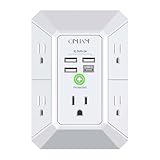
I remember the first time I saw them. Gleaming, perfectly flush with the wall, with that little subtle glow. “Aurora outlets,” the salesman chirped, “the future of home décor.” I almost bought into it, hook, line, and sinker. But something felt off. That little voice in the back of my head, the one that’s saved me a fortune over the years, whispered, “Hold up, cowboy.” Are aurora outlets open in the way you’re probably thinking? Let’s get real about this fancy wall candy.
We’ve all been there – seduced by slick marketing and promises of effortless elegance. This isn’t about that. This is about figuring out if these things are actually worth your hard-earned cash and if they do what everyone subtly implies they do when they ask if are aurora outlets open.
What Exactly Are Aurora Outlets, Anyway?
Look, when people ask if ‘are aurora outlets open,’ they’re usually not asking if there’s a physical switch that turns them on or off like a light. They’re asking if they’re a legitimate, widely available product that does what the fancy brochures suggest. The short answer? Kind of, but it’s not what you might imagine.
Aurora outlets, or more accurately, decorative illuminated outlets, are basically standard electrical outlets with a built-in LED light. That light isn’t there to power anything; it’s purely aesthetic.
Think of it as a subtle, built-in nightlight that traces the outline of the outlet. Some models might have a faint glow when the room is dark, and others might be activated by a motion sensor, but their primary function is to look cool, not to provide power or enhanced functionality beyond a standard receptacle.
The concept isn’t entirely new. For years, we’ve had those little plug-in nightlights that fit into an outlet. These are just a more integrated, often more sophisticated version of that. The LEDs are usually low-power, designed to be unobtrusive.
They’re typically powered by the outlet itself, drawing a minimal amount of electricity to keep that gentle luminescence going. You’re not plugging these into a separate circuit; they’re part of the standard wiring you already have.
The installation process, for those comfortable with basic electrical work, is generally straightforward – much like replacing a standard outlet cover, though the outlet itself is a single unit. However, if you’re not experienced with electrical wiring, it’s always best to call a qualified electrician.
Messing with electricity can go from a cool décor upgrade to a serious fire hazard in about 0.5 seconds. I learned this the hard way after trying to wire up some fancy LED strip lights under my kitchen cabinets without properly grounding them. Let’s just say the fire extinguisher got a workout, and I learned to respect the voltage.
The ‘open’ part of the question also hints at availability. Are they readily available at your local hardware store next to the standard duplex outlets?
Not always. You’re more likely to find them online through specialty retailers or directly from manufacturers.
This can sometimes mean a higher price point and a longer wait for delivery. It’s not quite the same as walking into Home Depot and grabbing a dozen packs of Leviton outlets; these are a bit more niche.
The market is growing, but they haven’t reached the ubiquity of a plain white plastic outlet cover. So, while the technology is ‘open’ in the sense that it exists and can be purchased, it’s not as casually available as a common household item.
You have to seek them out, and that’s a key difference.
Why You Might Be Tempted (and Why I’m Skeptical)
Let’s be honest, the marketing for these things is good. They show dimly lit hallways with these subtle glowing outlines, creating a mood, an ambiance. It sounds pretty neat, right? Imagine walking into a darkened room, and instead of fumbling for a light switch, you see the soft, defined shapes of your outlets guiding your way. It’s presented as a blend of futuristic design and practical utility. They pitch it as a way to add a touch of modern sophistication to your home without the fuss of installing separate lighting fixtures or dealing with wires everywhere. It’s supposed to be that little detail that makes guests go, “Wow, what is that?”
And I get it. I’ve spent my fair share of time and money on home décor trends that promised to revolutionize my living space. I once bought a set of ‘smart’ light switches that promised to control my entire house’s lighting from my phone. They worked, mostly. (See Also: Are American Outlets Ac Or Dc )
But the app was clunky, the setup was a nightmare, and after about three months, I just reverted to flipping the physical switches because it was faster. These aurora outlets tap into that same desire for a ‘smart,’ ‘modern,’ and ‘effortless’ home. They offer a visual appeal that standard outlets simply don’t. The idea of a built-in, subtle light source that doesn’t require extra plugs or fixtures is appealing, especially for areas where you might want a gentle glow – staircases, hallways, or even bedrooms where a full light feels too harsh.
Here’s my contrarian take: most people don’t need illuminated outlets. It’s a solution looking for a problem. Are you really stubbing your toe in the dark on your way to the bathroom that often?
For the vast majority of households, standard outlets are perfectly functional. The ‘need’ for aurora outlets is manufactured by design magazines and Pinterest boards, not by genuine daily inconvenience. I’ve lived in houses with and without them, and I can’t recall a single moment where I thought, “Gosh, I wish my outlets glowed.” My old, cheap plug-in nightlights did the job for pennies and could be moved or removed easily.
These aurora outlets are a permanent installation, and if you decide you don’t like them, you’re not just swapping out a cover; you’re replacing the entire outlet. That’s a commitment I’m not always willing to make for something that’s primarily cosmetic.
My First Faux Pas: The ‘mood Lighting’ Disaster
I was so convinced by the aesthetic appeal of these glowing outlets. I bought a pack of four – not cheap, mind you, I think I dropped about $80 for the initial set – thinking they’d add a sleek, modern touch to my hallway. The installation was relatively straightforward, replacing my old beige outlets with these sleek white ones that had a faint blue light when dimmed. For the first week, it was novel.
I felt a bit fancy. But then reality set in. The hallway light was still the primary light source. The glow from the outlets was so subtle that in daylight, you couldn’t even see it.
At night, it was… fine. It wasn’t the dramatic, ambient glow I’d pictured. It was just… there. And worse, my cat, Mittens, found the faint glow fascinating.
She started batting at them, and one night, she managed to dislodge one of the covers just enough that it sparked. Thankfully, nothing caught fire, but it was a stark reminder that I had basically installed decorative light fixtures that drew power and could, if tampered with, become a hazard. I yanked them out the next day and went back to a simple, motion-activated plug-in nightlight.
Lesson learned: fancy doesn’t always mean better, and sometimes, simpler is safer.
Installation and Safety: The Nitty-Gritty
If you’re still reading and thinking, “Okay, I’m intrigued,” let’s talk about getting these things wired. The good news is that, structurally, they are designed to fit into a standard electrical box. The wires connect just like a regular outlet: hot wire (usually black) to the brass screw, neutral wire (usually white) to the silver screw, and the ground wire (bare copper or green) to the green screw. The difference is that the LED component is integrated into the outlet body and powered by the very circuit it’s installed on.
This means you’re dealing with live electricity, and that’s where things can get dicey if you’re not careful. Always, always, always turn off the power to the circuit at the breaker box before you start. Don’t just trust that flipping a switch is enough; find the right breaker and make sure there’s no power flowing to the outlet you’re working on. A non-contact voltage tester is your best friend here – a cheap tool that can save you a world of hurt.
If you’re not comfortable with this, or if your existing wiring looks like a bird’s nest, do yourself a favor and hire an electrician. Their fee will be significantly less than the cost of an emergency room visit or replacing burnt-out appliances. I’ve heard horror stories from friends who thought they could ‘wing it’ with electrical work. One guy’s attempt to install some fancy new outlets resulted in a partial power outage for his entire block and a stern talking-to from the power company.
It’s not worth the risk. When it comes to electrical work, there’s no shame in admitting you need professional help. The ‘open’ availability of these outlets doesn’t mean they’re as simple to install as changing a picture frame.
Furthermore, you need to consider the electrical load. While the LEDs themselves draw very little power, the outlet is still a standard 15-amp or 20-amp receptacle. You need to make sure that the circuit you’re installing it on is not already overloaded.
Overloading a circuit can lead to tripped breakers, overheating wires, and, in worst-case scenarios, fires. You can usually find the amperage rating of your circuit breaker on the breaker itself. If you’re unsure about your home’s electrical capacity or the condition of your wiring, consult an electrician. They can assess your situation and advise whether installing these types of outlets is safe and feasible. (See Also: Are All Power Outlets Ac )
It’s not just about the outlet itself; it’s about the entire system it’s connecting to.
Comparing Aurora Outlets to Alternatives
When you’re weighing whether to go for these illuminated outlets, it’s wise to look at what else is out there. The most direct comparison is to your standard, no-frills outlet. These are cheap, readily available everywhere, and universally understood.
You can get them in white, ivory, black, or even almond to match your décor. They don’t glow, but they reliably provide power for your devices. Then you have the plug-in nightlights.
These have been around forever. They range from basic little bulbs to more sophisticated LED models with adjustable brightness or motion sensors.
Their biggest advantage is portability – you can plug them in where you need them and move them easily. They don’t require any electrical work, making them a DIY dream. I’ve found that a good motion-activated plug-in nightlight in a hallway is often more effective and practical than a permanently glowing outlet.
Another option, though more involved, is installing discrete LED strip lighting. You can put these under cabinets, along baseboards, or behind furniture for a more ambient and customizable lighting effect. This usually requires more planning and a bit more electrical know-how (or an electrician), but it offers a far greater degree of control over the look and feel.
You can change colors, adjust brightness, and even set schedules. For a truly modern aesthetic, some people opt for smart home lighting systems that can be programmed to provide subtle illumination at certain times or when motion is detected. These are obviously a bigger investment, both in terms of cost and complexity, but they offer a level of sophistication that goes beyond a simple illuminated outlet.
Here’s a quick rundown, opinion included:
| Option | Pros | Cons | My Verdict |
|---|---|---|---|
| Standard Outlet | Cheap, ubiquitous, reliable power. | No aesthetic flair, no integrated light. | The workhorse. Key. Can’t go wrong. |
| Plug-in Nightlight | Easy to install/move, affordable, varied designs. | Takes up an outlet, can be unsightly if not chosen well. | Practical and budget-friendly for targeted low light. |
| Aurora Outlet | Aesthetic appeal, integrated subtle light. | Higher cost, permanent installation, limited availability, potential safety concerns if not installed correctly. | A niche luxury item. Overpriced for the utility. |
| LED Strip Lighting | Highly customizable, modern aesthetic, ambient effect. | More complex installation, higher cost, requires planning. | For true design enthusiasts looking for ambiance. |
Ultimately, whether aurora outlets are ‘open’ for you depends on your priorities. If you want a subtle design element and are comfortable with the installation and potential risks, they might appeal. But for most people, simpler, more cost-effective alternatives offer better value and practicality. I’ve found that a well-placed, discreet motion-sensing LED strip is far more effective for creating a functional, ambient glow in a dark hallway than a bunch of outlets that only faintly twinkle.
Common Mistakes and What to Watch Out For
The biggest mistake people make is assuming these outlets are just like any other outlet, only prettier. They’re not. They are electrical devices with added components, and that means added potential for things to go wrong. Firstly, the quality can vary wildly. Because they’re not as mainstream, you might encounter cheaper, poorly made versions that fail quickly or, worse, pose a safety risk. Always buy from reputable brands or retailers, and check reviews carefully. Look for certifications like UL listing, which indicates the product has been tested and meets safety standards. If a deal seems too good to be true, it probably is.
Another common pitfall is improper installation. As I’ve hammered home, electricity is no joke. People often underestimate the importance of turning off the power or not properly securing wires.
I’ve seen outlets installed with wires barely making contact, leading to flickering lights and potential arcing. Arcing is basically a small electrical spark that can generate significant heat and is a major fire hazard.
It’s the kind of thing that can start a fire behind your walls, and you might not even know it until it’s too late. Always double-check your connections, make sure they’re tight, and use a voltage tester to confirm the power is off before you touch anything. If you’re unsure about any step, stop and call a professional. It’s not worth the gamble.
You also need to consider the aesthetic integration. While the idea is to be subtle, sometimes these outlets can look out of place if the rest of your décor isn’t aligned. A sleek, modern illuminated outlet in a room filled with antique furniture might look jarring.
Think about the color of the light – is it a cool blue, a warm white, or something else? Does it complement the existing lighting and color scheme of the room? (See Also: Are Arc Trip Outlets Required In Hillsborough County )
Sometimes the subtle glow intended to enhance a space can end up being a distracting eyesore if it clashes. I’ve seen it happen where people install these glowing outlets, and instead of looking sophisticated, the room ends up looking like a cheap spaceship cockpit. It’s about finding that balance between a cool feature and cohesive design.
Real-World Use: Do They Actually Work?
So, after all this, do they actually work as intended? Yes, in a very limited sense. If you install an aurora outlet, it will likely emit a faint light in the dark. Whether that light is useful or just a novelty is the real question.
In a completely dark hallway, the glow might be enough to see the outline of the outlet and avoid bumping into it. However, most people who want gentle illumination at night resort to motion-activated nightlights, which are far more practical because they only come on when needed and are typically brighter than the subtle glow of an aurora outlet. My personal experience is that the light they provide is often too dim to be genuinely useful for navigation, and too constant to be a desirable ambient effect compared to other lighting options.
The primary ‘use’ they serve is aesthetic. They add a modern, somewhat futuristic touch to a room.
For someone building a brand-new home with a minimalist or high-tech design philosophy, they might fit in perfectly. They can be a conversation starter. They are a way to make an otherwise mundane element of your home’s electrical system a bit more interesting.
But again, this is where the ‘open’ nature of the question comes in. They are ‘open’ to interpretation, and their ‘usefulness’ is subjective. They aren’t going to replace your main lighting or even a dedicated nightlight for most people.
They are more of a decorative accent, a blink-and-you’ll-miss-it feature that adds a touch of flair for those who appreciate that sort of thing. I’ve seen them in some high-end kitchens and media rooms, and they look pretty slick, but they’re often part of a much larger, very intentional design scheme.
My friend, Sarah, who is an interior designer, recently incorporated them into a client’s modern master bathroom. The client wanted a very clean, smooth look with minimal visible fixtures. The aurora outlets provided that subtle glow along the vanity without the need for plug-in lights, and they complemented the sleek fixtures. In that specific, high-design context, they absolutely worked. They added to the overall ambiance and met the client’s specific aesthetic requirement. However, she admitted that for a typical homeowner just looking for a nightlight, she’d still recommend a plug-in option. It highlights that their ‘real-world use’ is highly dependent on the context and the user’s specific goals.
Frequently Asked Questions About Aurora Outlets
What Is the Main Purpose of an Aurora Outlet?
The main purpose of an aurora outlet is aesthetic enhancement. It’s designed to add a modern, subtle visual element to a room by providing a soft glow around the outlet itself. While some might offer a very dim illumination for basic orientation in darkness, their primary function is decorative rather than practical lighting.
Are Aurora Outlets Safe to Install?
Aurora outlets are generally safe to install if they are UL-certified and installed correctly by someone who is knowledgeable about electrical wiring. Always turn off power at the breaker, use a voltage tester, and make sure all connections are secure. If you are not comfortable with electrical work, it is strongly recommended to hire a qualified electrician to make sure safety.
Can I Replace a Regular Outlet with an Aurora Outlet?
Yes, you can typically replace a standard electrical outlet with an aurora outlet, as they are designed to fit into standard electrical boxes. However, this involves working with live electrical wiring, so safety precautions are most important. Make sure the power is off, follow the manufacturer’s instructions precisely, and consider professional installation if you have any doubts.
Are Aurora Outlets Expensive?
Compared to standard outlets, aurora outlets are significantly more expensive. While a basic outlet might cost a dollar or two, illuminated outlets can range from $15 to $30 or even more per unit, depending on the brand, features, and design. This higher cost reflects the integrated lighting technology and design elements.
Do Aurora Outlets Use a Lot of Electricity?
No, aurora outlets use a very minimal amount of electricity. The integrated LEDs are low-power and designed to draw very little current, similar to a small nightlight. They are not designed to power devices and their energy consumption for the illumination feature is negligible on your overall electricity bill.
Final Verdict
So, when it comes down to it, are aurora outlets open for business in your home? They exist, they can be bought, and they can be installed. But in terms of being a must-have, practical upgrade? I’m not so sure. They’re a niche product for a specific aesthetic. If you’re building a brand-new, ultra-modern home and have an electrician on speed dial anyway, go for it. They might just be the perfect little detail you’re looking for.
For the rest of us, the ones who value function over form and aren’t looking to spend a premium on something that’s mostly for show, there are better options. A good plug-in nightlight or a strategically placed LED strip will likely give you more bang for your buck and a lot less potential hassle. Don’t let the sleek marketing fool you into thinking you need these fancy glowing sockets.
My advice? Save your money, or invest it in something with more tangible benefits. Unless you’re absolutely set on that specific glowing look and understand the installation risks, I’d say pass. The world won’t end if your outlets don’t light up.