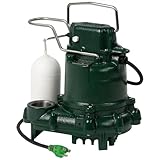
So, you’re staring at that little puddle creeping across your basement floor, or maybe you’re just planning ahead for the next torrential downpour. The question inevitably pops up: are Barracuda sump pumps any good? I’ve been there. I’ve bought more than my fair share of basement water-fighting gear, and let me tell you, not all pumps are created equal. Some promise the moon and deliver a damp handshake.
Barracuda isn’t exactly a household name like some of the giants in the sump pump world. This often means you’re looking at them with a bit of skepticism. Do they hold up? Are they worth the money, or are they just another way to get water out of your basement… eventually?
My First Dive Into Barracuda: Expectations vs. Reality
Look, when your basement starts looking like a miniature lake, you don’t have the luxury of taking your time. You need something that works, and frankly, you want to avoid buying another pump in, say, six months. My first encounter with a Barracuda pump was out of sheer necessity. The old one, some no-name brand that came with the house, decided to take an early retirement during a pretty serious storm. Water was rising, and my budget was shrinking.
I ended up with a Barracuda model that seemed decent enough on paper. It had a good GPH (gallons per hour) rating, which is the main number everyone throws around. It wasn’t the cheapest, but it wasn’t the most expensive either. I figured, ‘How much difference can there really be?’ Famous last words. Installation was straightforward enough, similar to any other submersible pump. Plug it in, drop it in the pit. Easy peasy. The real test came a few weeks later when we had a sustained period of rain. The Barracuda kicked on, and for a while, it seemed to be doing its job. Water level went down. Check. Pump shut off. Check. All good, right?
Then came the next storm, a real doozy. This time, the pump seemed… labored. It was running longer than I remembered, and the water level was dropping slower.
I went downstairs, and it sounded different. Not a violent struggle, but a sort of weary hum. A few hours later, it just… stopped. Dead.
No water pumped, no noise, nothing. The breaker hadn’t tripped.
It just died. I felt like I’d been had. It wasn’t a cheap unit, and it lasted less than a full season. (See Also: Are Pumpkin Seed Husks Edible )
That was my first, and until recently, my last experience with Barracuda. It left a bad taste in my mouth, and I swore I’d stick to the big, established brands. But then, a friend insisted I try one of their newer models, claiming they’d improved.
So, I decided to give them another shot, with a healthy dose of skepticism.
What You’re Actually Getting: Barracuda Pump Anatomy and Performance
Alright, let’s get down to brass tacks with Barracuda sump pumps. What are they made of, and how do they actually perform when the water starts coming in? Most Barracuda submersible pumps you’ll find are built with a thermoplastic or cast iron housing. Thermoplastic is lighter and often cheaper, but cast iron is generally considered more durable and better at dissipating heat. For a budget-conscious option, thermoplastic is common, but if you’re expecting heavy-duty performance or live in an area with serious water issues, you might want to lean towards cast iron if Barracuda offers it in a model you’re considering.
The impeller, the part that actually moves the water, is also key. Many Barracuda models use a vortex impeller, which is designed to handle some debris without getting clogged. This is a big deal in a sump pit, where you’re bound to have some silt or small bits of gravel. A clogged impeller means a useless pump. The motor is usually a sealed unit, designed to be submersible. Horsepower (HP) is often marketed, but what you really need to pay attention to is the Gallons Per Hour (GPH) rating. This tells you how much water the pump can move per minute at a given head (the vertical distance it has to push water).
For a typical basement sump pit, you’re looking at needing a pump that can handle at least 3,000 GPH. Higher is generally better, especially if you have a larger basement or experience frequent flooding. Barracuda offers pumps in various GPH ratings, from smaller ones for light duty to larger ones for more serious water challenges. One thing I’ve noticed in comparing them to other brands is that sometimes the advertised GPH might be a bit… optimistic at higher head pressures. It’s important to look at their performance curves if they’re available, which show GPH at different head heights. A pump rated for 4,000 GPH might only deliver 2,500 GPH if it has to push water 20 feet up.
The Barracuda vs. The Big Boys: Where Do They Stand?
This is where the rubber meets the road, and honestly, where most people get confused. Barracuda often sits in a middle ground. They aren’t typically the absolute cheapest option, nor are they the premium, name-brand pumps that cost an arm and a leg. How do they stack up against the more established brands like Zoeller, Wayne, or Little Giant? It’s a mixed bag, and that’s the blunt truth.
Here’s a quick breakdown I’ve put together from my own experiences and what I’ve gathered from talking to others who’ve had these pumps in their basements longer than I have: (See Also: Are Pumpkin Seed Acid Or Alkaline )
| Brand | Typical Price Range | Common Materials | Durability/Reliability (My Verdict) | Best For |
|---|---|---|---|---|
| Barracuda | $80 – $200 | Thermoplastic, Cast Iron (some models) | Hit or miss. Newer models seem better, but early failures can happen. Needs consistent maintenance. | Budget-conscious homeowners needing a reliable backup or for lighter water issues. Good for seasonal use. |
| Zoeller | $150 – $400+ | Cast Iron, Bronze | Excellent. Known for being workhorses that last decades. Very few failures if installed correctly. | Heavy-duty, long-term primary pump. For those who want to ‘set it and forget it’ for years. |
| Wayne | $100 – $300 | Thermoplastic, Cast Iron | Good to Very Good. Generally reliable and good performance for the price. Wide range of models. | All-around solid performer. Good balance of price, performance, and reliability for most homeowners. |
| Little Giant | $120 – $350+ | Cast Iron, Stainless Steel | Very Good to Excellent. Known for solid construction and consistent performance. Often used in commercial settings too. | Dependable primary pump. Good for demanding residential use and light commercial applications. |
My contrarian take? Everyone raves about Zoeller being the only pump you should ever buy. And yeah, they’re tanks. But they also cost a pretty penny. For many homes, especially if you have a good drainage system around your house and the sump pit doesn’t fill up constantly, a Barracuda can do the job just fine. You just have to be more vigilant about maintenance and maybe not expect it to outlive you. The key is understanding that you’re often trading some long-term, bulletproof reliability for a lower upfront cost.
Common Mistakes and How Barracuda Fits In
I’ve seen people make the same mistakes with sump pumps over and over, and Barracuda owners are not immune. The biggest one? Buying the cheapest pump you can find. This is often where Barracuda might seem appealing because it’s not the most expensive, but you still need to be smart about it. A pump that’s too small for the job will burn out quickly. If you have a deep pit or a lot of water, a 1/4 HP pump might struggle and overheat, even if it’s a Barracuda.
Another common mistake is improper installation. This isn’t usually the pump’s fault, but it can lead to premature failure. Making sure the float switch has enough room to move freely is vital. If it gets hung up on anything, the pump might not turn on, or worse, it might run dry. Running a pump dry is a surefire way to kill it, regardless of the brand. For Barracuda, or any pump for that matter, make sure the discharge pipe is properly sized and that there are no kinks or blockages. A restricted discharge pipe makes the pump work harder.
Failing to maintain the sump pit is also a killer. Debris accumulates, and it can clog the pump’s intake or damage the impeller. I learned this the hard way after my first Barracuda died. When I pulled it out, the intake was almost completely choked with sludge and a few stray screws from some long-forgotten DIY project. A quick clean-out of the pit every six months can save you a lot of headaches and extend the life of any pump, including a Barracuda. It’s not glamorous work, but neither is bailing water with buckets.
Real-World Use: Tips for Barracuda Owners
If you’re considering a Barracuda sump pump, or if you already have one, here’s what I’d tell you from my own ongoing experience. First off, don’t expect it to be a set-it-and-forget-it, 20-year solution like some of the ultra-premium brands. Think of it more as a reliable workhorse for a few years, provided you give it a little TLC. This means regular checks.
Here’s a simple maintenance routine I’ve adopted:
- Monthly Check (During Wet Season): Test the pump manually. Lift the float switch to make sure it turns on and pumps water. Listen for any unusual noises. Make sure it shuts off properly.
- Quarterly Pit Clean-out: With the power off, remove the pump and clean out any accumulated sludge, gravel, or debris from the pit. Inspect the intake screen for clogs.
- Annual Inspection: Check the discharge pipe for leaks or damage. Make sure the check valve (if you have one) is working correctly. Examine the power cord for any signs of wear.
If you’re buying a Barracuda, especially one of their more budget-friendly thermoplastic models, consider pairing it with a battery backup system. This is good advice for any sump pump, but for a brand that has had some question marks around longevity, it’s a smart move. A backup system can save your basement if the main pump fails or if the power goes out during a storm – a double whammy no homeowner wants to experience. Also, if you’re replacing an existing pump, measure your pit and check the discharge pipe diameter. Barracuda pumps come in different sizes, and you want to make sure a proper fit and optimal flow. (See Also: Are Organic Pumpkin Seeds From China Bad )
Are Barracuda Sump Pumps Any Good? The Verdict After Round Two
After my initial bad experience, I was wary. But giving Barracuda another chance, specifically a newer model with a slightly better build and paired with a backup system, has been… surprisingly okay. It’s not a perfect pump. It doesn’t have the silent, industrial hum of a high-end Zoeller that you know will outlast your mortgage. You can hear it working, and it doesn’t feel quite as solid. However, it has performed reliably through a couple of significant rain events this past year. The water level is controlled, and it kicks on and off as it should.
My current Barracuda setup has been running for about 18 months without a hiccup. It’s handling the moderate amount of groundwater we get. I’m not completely at ease, though. I still check it more often than I might a premium brand. I’m acutely aware that its lifespan might be shorter. But for the price, and for homes that don’t face constant, torrential basement flooding, it’s a viable option. It’s a pump that requires you to be a bit more involved in its upkeep and monitoring, but it can get the job done. The key is managing your expectations and pairing it with other protective measures like a battery backup.
Faq: Your Barracuda Sump Pump Questions Answered
What Is the Average Lifespan of a Barracuda Sump Pump?
This is tricky, as it varies wildly. Based on my experience and feedback from others, you might get anywhere from 3 to 7 years from a Barracuda pump. Some might fail sooner, especially if overworked or not maintained. Others, with diligent care, might last longer. It’s generally considered shorter than the 10-20+ year lifespan of premium brands.
Are Barracuda Sump Pumps Better Than [competitor Brand X]?
Compared to higher-end brands like Zoeller or Little Giant, Barracuda is typically not considered as durable or long-lasting. However, they often compete more directly with mid-range brands like Wayne. Barracuda’s advantage is usually a slightly lower price point, but you might be sacrificing some long-term reliability. It really depends on the specific models you’re comparing and your budget.
Do Barracuda Sump Pumps Come with a Warranty?
Yes, Barracuda sump pumps generally come with a manufacturer’s warranty, typically ranging from 1 to 3 years depending on the model. It’s important to register your pump and keep your proof of purchase. However, remember that warranties often have limitations, and they won’t cover issues caused by improper installation, lack of maintenance, or running the pump dry.
Verdict
So, are Barracuda sump pumps any good? My answer, after a few rounds with them, is a qualified ‘yes, but’. They’re not the best pumps on the market, and they certainly aren’t the ones you hand down to your kids. But for a homeowner on a tighter budget who understands the importance of regular maintenance and the potential for a shorter lifespan, a Barracuda can be a perfectly functional way to keep your basement dry.
If you’re dealing with serious, constant water intrusion, I’d still lean towards investing in a top-tier brand. But if you need a dependable backup, or if your water issues are more occasional, giving a Barracuda a shot—especially a newer model—might be the right choice. Just make sure you pair it with a battery backup system. It’s the cheapest insurance you can buy against a failed pump.