Look, nobody wants to spend money on a sump pump. It’s not like buying a new TV or a fancy coffee maker. It’s a deal with the devil, a silent guardian against a watery hell that might never come.
But when it does? Oh boy, you’ll wish you had one. I learned this the hard way, standing knee-deep in my unfinished basement after a freak storm, watching my stored junk become soggy pulp.
So, are basement sump pumps required by code? It’s a question that pops up more than you’d think, especially when you’re buying a house or planning renovations. Let’s cut through the BS.
Do You Actually Need a Sump Pump by Law?
The short answer to ‘are basement sump pumps required by code’ is usually… no, not universally. But that’s like saying you don’t need a fire extinguisher. It’s not always mandated by the letter of the law for every single home, but for good reason, building codes heavily lean towards recommending or requiring them in specific situations. Think of it as the difference between a legal requirement and a smart safety measure that building officials generally expect you to have.
In most residential building codes, like the International Residential Code (IRC), you won’t find a blanket statement saying, ‘Every basement MUST have a sump pump.’ That would be too simple, wouldn’t it? Instead, the code focuses on preventing water intrusion and managing groundwater. If your property’s topography, soil conditions, or local climate indicate a high risk of basement flooding, a sump pump becomes an implicit, if not explicit, requirement for a safe and habitable dwelling.
Here’s where it gets nuanced. Many municipalities adopt the IRC with amendments. Your local building department is the ultimate authority. They might have specific ordinances that mandate sump pumps based on historical flooding data for your area or the proximity of your home to water tables. For new construction, especially in flood-prone zones, a sump pump is almost certainly going to be on the list of required features. Inspectors will be looking for it, and your occupancy permit might depend on it.
What about existing homes? If you’re buying an older house, the code at the time of construction might not have had such stringent requirements. However, if you plan to undertake significant renovations that involve the basement, you will likely trigger newer code requirements. Selling a house can also bring this into focus; some home inspectors will flag the lack of a sump pump as a significant deficiency, even if it wasn’t legally required decades ago. This can become a bargaining chip for buyers and a headache for sellers.
I remember a friend who bought an old farmhouse. The basement was bone dry, and they figured they were good. Fast forward two years, and a massive rainstorm turned their basement into a shallow swimming pool. They had no sump pump, and the local building inspector later told them that while it wasn’t required when the house was built, modern codes would necessitate one for any major basement work, and that its absence was a clear risk. They ended up spending a small fortune on emergency mitigation and a pump installation. Don’t be like my friend.
The key takeaway here is not to rely solely on the absence of a direct code mandate. If there’s a reasonable chance of water getting into your basement, a sump pump is a wise investment that aligns with the spirit of building codes aimed at protecting property and health. It’s about proactive prevention rather than reactive repair. Your local building department’s website or a quick call to them will give you the definitive local answer.
How These Contraptions Actually Work (and Why You Need One)
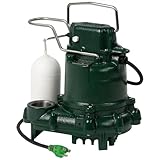
Alright, let’s get down to brass tacks. A sump pump is basically a submersible pump placed in a hole dug in your basement floor, called a sump pit. Sounds simple, right? It is, until it’s not working. So, how does this magic box keep your basement dry?
The setup is pretty straightforward. First, you need that sump pit. This is a hole, usually about 18-24 inches deep and 12-18 inches wide, lined with gravel or perforated to allow water to seep in from the surrounding soil. It’s strategically located at the lowest point in your basement, so gravity does its thing and directs any water towards it. This is where the groundwater or surface water collects.
The sump pump itself sits at the bottom of this pit. Most pumps have a float switch. Think of it like the float in your toilet tank, but instead of controlling water levels in a tank, it signals the pump when to turn on. As water fills the pit, it raises the float. When the water reaches a predetermined level (usually a couple of inches from the top), the float switch activates the pump. (See Also: Are Pumpkin Seed Husks Edible )
Once activated, the pump sucks the water out of the pit through an outlet pipe. This pipe, called a discharge pipe, runs up and out of your house, typically several feet away from your foundation. The goal is to send that water far enough so it doesn’t just seep back into your basement. Importantly, this discharge pipe needs to be properly installed and free of obstructions, especially in winter, to prevent freezing and potential backup. I once saw a neighbor’s discharge pipe freeze solid, and their pump just kept running, burning itself out while the water started to rise in their basement.
There are two main types of pumps: pedestal and submersible. Pedestal pumps have the motor mounted on a long rod above the pit, with the impeller down in the water. They’re usually cheaper and easier to service, but they can be noisier and take up more vertical space. Submersible pumps have the motor and pump housed together in a sealed unit at the bottom of the pit. These are quieter, more efficient, and generally last longer because the motor is cooled by the water. They also tend to be more expensive.
Why do you need one? Well, beyond the obvious reason of avoiding a flooded basement and the ensuing damage – which can include mold growth, structural compromise, and ruined belongings – sump pumps are vital for maintaining the integrity of your foundation. Constant moisture can weaken concrete and lead to cracks. Furthermore, a dry basement can improve indoor air quality by preventing mold and mildew. Some areas even have regulations that consider a consistently damp or flooded basement a health hazard.
My own basement flooded once without a pump. It wasn’t a biblical flood, just a persistent seep after a heavy rain. The smell of mildew lingered for months, and I had to toss out boxes of old photos and books. It was a stark reminder that even a little water can cause a lot of damage. The cost of a sump pump, installed, is a fraction of the cost of repairing water damage, not to mention the peace of mind it provides.
Choosing the Right Sump Pump: What the Pros Don’t Always Tell You
Picking a sump pump isn’t rocket science, but there are definitely some details that can save you a headache down the line. Don’t just grab the cheapest one you see. I’ve fallen for that trap before, buying a bargain pump that sounded like a jet engine and died after two seasons. Here’s what I’ve learned to look for:
| Feature | My Take |
|---|---|
| Horsepower (HP) | Most homes do fine with a 1/3 HP pump. If you have serious drainage issues or a very large basement, consider 1/2 HP. Don’t overbuy; a too-powerful pump can cycle too quickly, reducing its lifespan. |
| Flow Rate (GPM) | This is how much water it can move. Higher is better, but check the specifications for different ‘heads’ (heights) it needs to pump. A 1/3 HP pump might move 2000 GPH (gallons per hour) at 10 feet of head. Make sure it can handle your needs. |
| Pump Material | Cast iron or stainless steel pumps are more durable than plastic ones. They resist corrosion and cracking better, especially if your water has sediment. I’d pay a bit more for metal. |
| Float Switch Type | Vertical float switches are generally more reliable and take up less space than tethered ones. They’re less likely to get snagged on debris in the pit. |
| Backup Systems | This is HUGE. Power outages happen. A battery backup sump pump system is NOT optional in my book. It uses a deep-cycle marine battery to power the pump if the main power fails. Some are integrated systems, others are separate units. Worth every penny. |
| Discharge Pipe Size | Make sure it matches your pump’s outlet size (usually 1.5 or 2 inches) and is made of durable material like PVC. Avoid flexible hoses that can kink or get blocked easily. |
| Warranty | A longer warranty (2-5 years) usually indicates a more confident manufacturer. Read the fine print on what it covers. |
When I was shopping for my current place, I found a pump that looked good on paper, but the reviews mentioned that the float switch was finicky. I passed. Another one had a great warranty but was made of cheap plastic. Nope. I ended up spending about $250 on a solid 1/3 HP cast iron submersible pump with a good vertical float switch and then another $300 for a separate battery backup unit. It felt like a lot, but knowing it’s reliable makes it feel cheap in hindsight.
Don’t forget the discharge line. It needs to be installed so it’s pitched correctly away from the house and doesn’t just dump water near your foundation. Also, consider if you need an automatic tethered float switch versus a vertical one. Vertical is generally preferred for reliability and space-saving. And for the love of all that is dry, consider a battery backup. I can’t stress this enough. A sump pump is useless if the power goes out during a storm, which is precisely when you need it most. Many homeowners overlook this, and it’s a costly mistake when the water starts to rise.
Common Sump Pump Mistakes and How to Avoid Them
You’d think installing a sump pump is pretty foolproof, but I’ve seen (and made) my share of blunders. These simple mistakes can turn your supposed water-saving device into a useless paperweight, or worse, a contributor to your basement woes. Let’s talk about what NOT to do.
First off, the sump pit itself. It needs to be deep enough and wide enough to accommodate the pump and allow it to cycle properly. If the pit is too small, the pump might short-cycle (turn on and off too frequently), which wears it out prematurely. Also, make sure the pit is clear of debris. Leaves, mud, and small rocks can clog the pump’s intake or damage the impeller. Regular cleaning is a must. I learned this the hard way when my pump started making a terrible grinding noise; a chunk of concrete had somehow fallen in.
The discharge line is another frequent offender. A common mistake is running the discharge pipe too close to the foundation, or worse, allowing it to drain back towards the house. Water needs to be carried away. Ideally, it should be routed to a storm drain, a dry well, or a municipal sewer system if permitted.
If you have to discharge onto your lawn, make sure it’s a good distance away. Also, remember that discharge pipes can freeze in winter. Many pumps have check valves to prevent backflow, but if the entire line freezes, the pump can’t push water out, and it can back up into the pit. (See Also: Are Pumpkin Seed Acid Or Alkaline )
Some people install a freeze-resistant discharge hose or an automatic heater for the discharge line in very cold climates.
Improper installation of the float switch is another pitfall. If it’s set too high, the pump won’t turn on until the pit is nearly overflowing. If it’s set too low, the pump might cycle constantly, leading to premature wear. The ideal setting allows the pump to clear the pit without running dry or short-cycling. Manufacturers provide guidelines, but often a bit of fine-tuning based on your specific pit and pump is necessary. I found that my pump’s float switch was set a bit too low initially, causing it to run constantly. Adjusting it saved wear and tear and my electricity bill.
Then there’s the power source. Many people plug their sump pump into an extension cord, which is a big no-no. Sump pumps are high-draw appliances, and extension cords are not designed for that kind of continuous, heavy load. They can overheat, melt, and pose a fire hazard. The pump needs to be on its own dedicated circuit, wired directly into your home’s electrical system. And as I’ve mentioned, the lack of a battery backup system is a huge mistake. Power outages are common, and your pump won’t work. A backup system can mean the difference between a dry basement and a waterlogged disaster.
Finally, maintenance. People forget about them until they fail. You should test your sump pump at least once a year, and more often if you live in an area prone to heavy rain or snowmelt. Pour a bucket of water into the sump pit to make sure the float activates the pump and it discharges water effectively. Listen for unusual noises. Clean out any sediment or debris from the pit. It takes maybe ten minutes and can save you thousands in repairs. It’s a small investment of time for significant protection.
Living with a Sump Pump: The Real-World Experience
Having a sump pump isn’t just about installation; it’s about living with it. For most of the year, you won’t even know it’s there. It’s the silent, unsung hero of your basement. But when the weather turns nasty, it becomes the most important appliance in your house.
The sound. That’s the first thing you notice when it kicks in. It’s usually a distinct gurgle followed by a whirring or humming noise. Some are louder than others. My current submersible pump is pretty quiet, just a low hum and the sound of water being ejected. My old pedestal pump sounded like a small outboard motor. It’s a sound I’ve come to associate with relief, knowing it’s doing its job. If you’ve never heard one, it’s not an unpleasant sound; it’s the sound of protection.
During heavy rainfall or snowmelt season, you might hear it cycle multiple times a day, or even a few times an hour, depending on how much water is getting into your sump pit. This is normal. It means the system is working as intended. Conversely, if you live in a dry climate or have excellent drainage around your house, you might only hear it a few times a year, if at all. This doesn’t mean it’s not necessary; it just means your current conditions don’t demand its constant attention.
The biggest surprise for me was understanding the battery backup system. I installed one after a nasty ice storm knocked out power for three days. The sump pump itself is key, but without power, it’s useless.
The battery backup system is basically a separate, smaller pump or a system that can take over if the main power fails. It runs off a deep-cycle battery (similar to what’s in a boat or RV) and can keep your basement dry for a significant period, depending on the battery’s capacity and how much water is entering the pit.
It’s a set-it-and-forget-it type of system until you need it. When the power flickered on and off during that storm, I heard the distinct click of the backup system engaging. It gave me immense peace of mind knowing my basement was protected while I worried about other things.
I’ve also learned to keep an eye on my discharge pipe. In winter, I make sure it’s not blocked by ice or snow. In warmer months, I check for any signs of damage or dislodgement. It’s a important part of the system, and its failure means the pump is just circulating water around your foundation. I once found my discharge pipe had been nudged out of place by a lawnmower. A quick push back into place and the problem was solved, but it was a good reminder to do a quick visual check now and then. (See Also: Are Organic Pumpkin Seeds From China Bad )
For folks with finished basements, a sump pump is practically a requirement for serious peace of mind. The cost of finishing a basement is substantial, and losing it all to water damage is devastating. A sump pump acts as your first line of defense against that potential catastrophe. While the question of ‘are basement sump pumps required by code’ can be murky depending on your location and the age of your home, the practical reality is that they are a smart, often necessary, investment for any homeowner with a basement.
Frequently Asked Questions About Sump Pumps
Are Sump Pumps Noisy?
Sump pumps can make noise when they operate, typically a gurgling sound as water enters the pit, followed by a motor hum or whirring sound as it pumps the water out. The noise level varies significantly by model and type. Submersible pumps are generally quieter than pedestal pumps because the motor is sealed and submerged in water, which muffles the sound. Some high-end models are designed for quieter operation, but a certain level of sound is to be expected.
How Often Should a Sump Pump Run?
Ideally, a sump pump should not run constantly. It should cycle on and off as needed to keep the sump pit relatively empty. Running too frequently (short-cycling) can indicate improper float switch adjustment, a pit that’s too small, or a problem with your drainage system, and it will shorten the pump’s lifespan. If it runs very infrequently, it might mean you have good drainage, or it could indicate the pump isn’t effectively removing water. Regular testing and observation are key.
Do I Need a Backup Sump Pump?
A backup sump pump, typically powered by a battery or a water-powered system, is highly recommended, especially in areas prone to power outages or heavy rainfall. Sump pumps are key during storms, which are often when power is lost. Without a backup, your basement is vulnerable when you need the pump the most. While not always explicitly required by code, it’s a important component for reliable flood protection.
Can a Sump Pump Overflow?
Yes, a sump pump can overflow if it malfunctions, if the power goes out and there’s no backup, or if the discharge line becomes blocked or frozen. An improperly set float switch or a pump that’s too small for the volume of water entering the pit can also lead to overflow. Regular maintenance, testing, and a reliable discharge setup are important to prevent this.
How Long Do Sump Pumps Typically Last?
The lifespan of a sump pump can vary greatly depending on the quality of the unit, how frequently it operates, and the water quality (sediment can wear down components). Generally, a good quality sump pump can last anywhere from 5 to 15 years. Submersible pumps often last longer than pedestal pumps. Regular maintenance, including cleaning the pit and testing the pump, can help extend its life.
What to Do If Your Sump Pump Fails
Finding your sump pump has failed is never a fun discovery. It usually means water is already starting to make its way into your basement. The first and most immediate step is to cut power to the pump if it’s making a noise that indicates it’s trying to run but failing, to prevent further damage to the motor. Then, assess the water situation. If it’s minor, you might be able to manage it with wet/dry vacuums and extra fans for drying.
If the water is significant, your priority shifts to damage control. You’ll need to call a plumbing professional or a sump pump specialist immediately. They can diagnose the problem, whether it’s a mechanical failure, an electrical issue, or a clogged discharge line. In the meantime, if you have a battery backup system, make sure it’s functioning. If not, and water is rising, consider temporary solutions like portable pumps if you have access to a generator or a very safe, temporary power source, but exercise extreme caution with electricity and water.
Once the immediate crisis is averted, you’ll need to decide on a replacement. This is where you’ll want to revisit the advice on choosing the right pump, perhaps opting for a more solid model or making sure you have a reliable battery backup system this time around. Don’t just replace it with the cheapest option available; invest in reliability. And when the new pump is installed, thoroughly inspect the sump pit and discharge line to make sure there are no underlying issues that contributed to the failure or could cause problems for the new unit. It’s also a good time to re-evaluate if your current pump is adequately sized for your home’s needs.
Conclusion
So, to circle back to the main question: are basement sump pumps required by code? The answer is often a ‘maybe,’ depending on your local regulations and the specifics of your property. But even if your local code doesn’t explicitly force your hand, a sump pump is one of those things that just makes sense for basement health and property protection.
Don’t wait for water to become a problem. A dry basement is a healthy basement, and a reliable sump pump, ideally with a battery backup, is your best bet for keeping it that way. It’s a proactive measure that pays dividends in peace of mind and avoids costly, stressful repairs down the line.
If you’re unsure about your current setup or potential risks, do yourself a favor and consult with a local building inspector or a reputable plumbing contractor. They can assess your situation and tell you what you really need, code or no code.