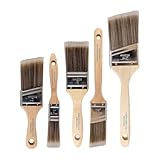
Alright, let’s cut to the chase. You’re staring at a wall of paint brushes at Lowe’s, and the Blue Hawk brand catches your eye. Maybe you’re a weekend warrior or just trying to slap some paint on a fence, and the price looks right. But then the nagging question pops up: are Blue Hawk paint brushes good? I’ve been there, staring at those colorful handles, wondering if they’re a steal or just another way to waste money on a project.
Honestly, for a long time, I just grabbed whatever was cheapest. Then I learned the hard way that a bad brush can turn a simple paint job into a wrestling match. So, let’s talk about Blue Hawk brushes, no fluff, just what you need to know.
Blue Hawk Paint Brushes: The Good, the Bad, and the Ugly Truth
Look, nobody wants to spend a fortune on paint brushes, especially if you’re not painting professionally every single day. Blue Hawk is Lowe’s house brand, and that usually means one thing: affordability. They’re the go-to for many DIYers because they’re readily available and don’t break the bank. I’ve bought them in bulk for big jobs where I knew I’d be tossing them afterward, like painting the exterior of an old shed or covering up some questionable wallpaper in a rental property. For those kinds of tasks, where consistency and fine detail aren’t the top priority, they can get the job done. You can grab a multi-pack of assorted sizes for under twenty bucks, which, let’s be real, is appealing.
The bristles on the more basic Blue Hawk models are often synthetic, which is fine for latex or acrylic paints. They hold a decent amount of paint, and for broad strokes on walls or siding, they don’t leave too many streaks. I remember one time I was painting a garage door, a huge, flat expanse. I grabbed a pack of Blue Hawk flats, and for that job, they were perfectly adequate. They laid down the paint, and I wasn’t fighting with them constantly. But that’s the key word: adequate. They’re the equivalent of a decent, everyday pen – it writes, but it’s not going to win any calligraphy awards.
Where they start to fall short is when you need precision or when you’re working with oil-based paints. The ferrule, the metal part that holds the bristles to the handle, can sometimes feel a bit flimsy. I’ve had a couple where the bristles started to splay out way too quickly, or worse, shed into the paint. Nothing is more annoying than pulling a stray bristle out of a freshly painted trim piece. It’s like a tiny, unwanted tattoo on your work. And for anything requiring super smooth edges, like cabinetry or detailed trim work, you’ll likely find them wanting. The bristles just don’t have the finesse or the springiness that you get from higher-end brushes.
What to Look for in Any Brush, Blue Hawk or Not
When you’re assessing any brush, not just Blue Hawk, there are a few things that tell you if it’s going to be worth your dough. First, the bristles.
Are they flagged (split at the ends)? This is good for holding more paint and applying it smoothly. Are they tapered?
This helps with control and fine lines. For synthetic bristles, look for good quality nylon or polyester blends. For natural bristles (usually for oil-based paints), hog bristle is classic, but good quality boar or badger hair is better. Second, the ferrule.
It should be smooth, meaning no rough edges or crimps. It should be securely attached to the handle. A loose ferrule is a recipe for disaster, leading to bristles falling out and a wobbly brush. (See Also: Are Animals Killed To Make Paint Brushes )
Third, the handle. It should feel comfortable in your hand. You’ll be holding it for hours, so ergonomics matter. Does it offer good grip? Is it well-balanced? Blue Hawk handles are usually basic wood or plastic, which is fine, but sometimes they can feel a bit cheap and lightweight, making them less comfortable for extended use. Finally, the overall construction. Give the brush a gentle bend and flick. Does it spring back well? Do the bristles feel like they’re going to hold together? These simple checks can save you a lot of headaches down the line.
Many of the PAA questions revolve around specific use cases. For instance, ‘are blue hawk paint brushes good for trim?’ My answer is generally no, not for anything you want to look really professional. They’ll paint trim, sure, but you’ll likely fight with stray bristles and less-than-perfect lines. They’re better suited for larger, less detailed surfaces. If you’re doing delicate trim work, you’re better off investing in an angled sash brush from a more reputable brand. The finer filaments and better taper on those brushes make a world of difference for sharp, clean edges.
My Own Brushy Blunders and What I Learned
I’ll tell you about the time I decided to save some serious cash and buy a massive pack of cheap brushes for a whole-house interior paint job. I think it was a mix of generic brands, including some that looked suspiciously like Blue Hawk, all bought on sale. My goal was to have enough brushes so I wouldn’t have to constantly stop and clean them. Big mistake.
About three rooms in, I was getting splatters everywhere. The bristles were splaying out like crazy, and I spent more time cleaning up drips and trying to coax the bristles back into shape than I did actually painting. The finish looked… well, let’s just say ‘rustic’ is a kind word. I ended up having to buy better brushes halfway through the job, and the extra time and money I spent correcting my initial “savings” was a hard lesson.
This experience taught me that while budget brushes have their place, there are certain jobs where the cost of a good brush is minimal compared to the pain and frustration of using a bad one. For anything involving detail, smooth finishes, or multiple coats where you need consistent performance, cheaping out on the brush is a false economy. It’s like buying the cheapest set of tires for a sports car – it just doesn’t make sense. You end up with a compromised experience and often, a less than stellar result.
So, when people ask, ‘are blue hawk paint brushes good for cabinets?’, my internal monologue screams ‘NO!’ Cabinets are all about precision. You need a brush that can lay down a flawless, even coat with crisp edges. Blue Hawk brushes, especially the cheaper ones, often have bristles that are too stiff or too floppy, and they don’t have the fine taper needed for that silky smooth finish. I’ve seen people try to use them and end up with brush marks galore and paint that looks uneven. It’s like trying to write a novel with a crayon; you might get the words down, but it’s not going to be pretty.
Another common question is about how they handle different paint types. For latex or acrylic paints, the synthetic bristles on most Blue Hawk brushes are generally acceptable for basic applications. They don’t soak up water like natural bristles would, which is a plus. However, if you’re working with oil-based paints or stains, you really need natural bristles. Using synthetic brushes with oil-based products can lead to the bristles becoming gummy and unusable. Most of the Blue Hawk line is geared towards latex, so if your project involves oil, you’ll definitely want to look elsewhere.
Blue Hawk vs. The Rest: A Comparison
When we talk about “good,” it’s all relative. Here’s a breakdown of how Blue Hawk generally stacks up against other common brush types you might encounter: (See Also: Can Brushes Get Damaged From Paint Thinner )
| Brush Type | Typical Price Range (per brush) | Best For | My Verdict on Blue Hawk |
|---|---|---|---|
| Blue Hawk (Basic/Economy) | $2 – $8 | Rough exterior painting, quick touch-ups, large surfaces where finish isn’t most important. | Gets the job done for basic tasks, but don’t expect miracles. Good for disposable use. |
| Blue Hawk (Mid-Range/Pro-Style) | $7 – $15 | Slightly better for interior walls, medium-sized projects. | An improvement, but still often lags behind dedicated brands in bristle quality and retention. |
| Purdy / Wooster (Professional Grade) | $10 – $30+ | All applications: fine trim, cabinets, walls, ceilings, detailed work, all paint types. | This is where Blue Hawk really can’t compete. Superior bristle quality, better ferrule and handle construction, excellent paint holding and release. |
| Generic Contractor Packs | $1 – $5 (per brush in bulk) | Very rough jobs, primer on raw wood, where you plan to throw them away immediately. | Similar to basic Blue Hawk, sometimes even worse. Often very poor bristle retention. |
As you can see, Blue Hawk sits firmly in the budget-to-mid-range category. They are designed to be accessible and functional for the average DIYer tackling everyday tasks. The higher-end brushes from brands like Purdy or Wooster are engineered for performance, longevity, and a superior finish. The difference in quality is palpable, and for those who paint regularly or take pride in a flawless finish, the investment is absolutely worth it. I’ve found that a good quality brush, even if it costs $15-$20, can last for years with proper care and will give you a far better result on many projects than a cheap brush used and discarded.
Practical Tips for Using Blue Hawk Brushes (and Not Hating Them)
So, if you’ve got a pack of Blue Hawk brushes or you’re thinking of picking some up for a specific, less demanding job, how can you make the most of them? First off, prep is key. Before you even dip the brush in paint, give it a good flick to knock loose any stray bristles that might have come off during manufacturing or transit. Some people even recommend running them under warm water (if they’re synthetic) and working a bit of soap through them, then rinsing thoroughly and letting them dry before use. This can help remove any manufacturing residues and condition the bristles.
When you’re painting, don’t overload the brush. Dip only about a third to half of the bristle length into the paint. Then, gently tap the brush on the edge of the can to remove excess – don’t scrape it hard against the rim, as this can bend and damage the bristles. For application, use smooth, consistent strokes. If you’re painting a flat surface like a wall, use long, even strokes. For edges or trim, use the angled side of the brush and apply light, controlled pressure. Remember, these brushes are often best for spreading paint rather than laying it down with a perfect, smooth finish on their own.
Cleaning is most important, even for cheap brushes, if you want to get any kind of decent lifespan out of them. For latex or acrylics, use soap and water. Work the soap through the bristles until they are clean, rinse thoroughly, and then reshape the bristles with your fingers. For oil-based paints, you’ll need mineral spirits or paint thinner. Again, work the solvent through the bristles until all paint is removed, then clean with soap and water to remove any solvent residue. Hang the brush bristles-down to dry, or lay it flat. Proper cleaning will make even a budget brush perform better on its next use, assuming it’s not already completely trashed.
Here’s a practical tip: if you’re doing a job that requires a good finish but you’re on a tight budget, consider buying just one or two good quality angled sash brushes for the detailed work (like cutting in edges) and then use more affordable brushes, like Blue Hawk, for the main areas of the walls. This hybrid approach can save you money while still making sure that the most visible parts of your paint job look great. It’s about using the right tool for the right part of the job. For example, I might use a quality Purdy angled brush to cut in around the ceiling and trim, and then use a Blue Hawk roller or a wider Blue Hawk flat brush for the large wall areas. This balance often works well.
When Are Blue Hawk Brushes Actually a Good Buy?
Let’s be honest: are Blue Hawk paint brushes good? Yes, but with major caveats. They’re a good buy for specific situations. If you’re painting something where finish quality isn’t the absolute priority – like a rough wooden fence, the inside of a storage shed, a utility room that nobody sees, or a temporary project where you plan to discard the brush afterward – then they can be a perfectly acceptable, budget-friendly choice. They’re also a decent option if you need a brush for primer on a very rough surface where you’re going to sand it down later anyway.
I’ve found them useful for applying wood glue to joints before clamping. They spread the glue effectively, and you don’t feel bad about washing them out or even tossing them if they get gummed up. For quick touch-ups on a painted wall where you can’t get a perfect feathering effect anyway, they might suffice. The key is managing your expectations. You are paying for a functional tool, not a high-performance instrument. Think of them as disposable tools that are good enough for tasks where perfection isn’t the goal.
The company that makes Blue Hawk, Masterchem, also produces other paint accessories, and their focus with the Blue Hawk line is clearly on accessibility and value for the average homeowner. According to Lowe’s product information, they aim to provide reliable performance for common household painting tasks. This reinforces the idea that they are geared towards the DIYer, not the professional contractor who demands the absolute best in terms of finish and durability. So, when you’re picking them up, understand their intended market and their limitations. (See Also: Can Brusho Be Added To Oil Paints )
The Faq: Dodging Paint Brush Pitfalls
Are Blue Hawk Paint Brushes Good for Latex Paint?
Yes, Blue Hawk brushes with synthetic bristles are generally suitable for latex and acrylic paints. These synthetic fibers hold up well to water-based paints and are easier to clean than natural bristles when using soap and water. For basic wall painting or other projects using latex, they can perform adequately, though finer detail work might still be challenging.
Do Blue Hawk Paint Brushes Shed a Lot?
This is a common complaint with many budget-friendly brushes, and Blue Hawk is no exception. While higher-quality brushes are engineered to minimize shedding, cheaper brushes can sometimes have looser bristles that detach during painting. It’s always a good idea to give any new brush a good flick or even a wash before use to dislodge any loose hairs. However, expect some shedding, especially as the brush ages or with heavy use.
Are Blue Hawk Paint Brushes Worth the Money?
For very basic, non-important tasks where you might even plan to discard the brush afterwards, yes, they can be worth the money. If you need a brush for a quick touch-up, painting a fence, or applying primer on a rough surface, they offer an affordable solution. However, if you require precision, a smooth finish, or expect the brush to last for many projects, investing in a higher-quality brush from brands like Purdy or Wooster is a much better value in the long run.
Can I Use Blue Hawk Brushes for Oil-Based Paint?
It’s generally not recommended to use most Blue Hawk brushes (which typically have synthetic bristles) for oil-based paints. Synthetic bristles can become gummy and damaged when exposed to the solvents in oil-based paints. For oil-based products, you should opt for brushes with natural bristles, which are designed to handle those types of finishes. Using the wrong brush can ruin both the brush and your paint job.
How Do Blue Hawk Brushes Compare to Professional Brands?
Blue Hawk brushes are budget-friendly options designed for DIYers and basic tasks. Professional brands like Purdy or Wooster use higher-quality filaments, better ferrule construction, and ergonomic handles to provide superior performance, durability, and a finer finish. While Blue Hawk can do the job for simple applications, professional brushes offer a significant step up in quality and user experience for more demanding projects.
Final Verdict
So, are Blue Hawk paint brushes good? My honest answer is: they are what they are. They’re budget-friendly tools that can get basic paint jobs done. If your project is a quick fence paint, a garage wall, or something similar where you’re not aiming for a show-home finish, they can be a practical choice. Just be prepared for potential bristle shedding and a less refined application compared to higher-end options.
For anything that requires detail, a smooth, flawless surface, or frequent use, I’d strongly advise you to consider investing a bit more in a reputable brand. The difference in performance and the sheer reduction in frustration is usually well worth the extra few bucks. Think of it as a tool investment: sometimes a hammer is just a hammer, and sometimes you need a specialized one for a particular job. Blue Hawk falls into the ‘general purpose’ category for paint brushes.
Ultimately, the decision comes down to your project’s demands and your personal standards for the finished work. If you’re on a tight budget and the job is forgiving, give them a shot. But if you’re painting your living room walls or kitchen cabinets, you might want to reach for something a bit more… refined. Your future self, staring at the finished paint job, will thank you.