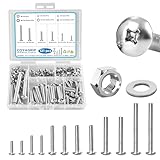
I remember staring at my ute’s wheel arches, thinking it looked a bit sad. Too tucked in, like it was hiding from the world. Then I saw those chunky spacers on a mate’s rig, pushing the wheels out, looking tough. Easy fix, right? Just bolt ‘em on. But then the nagging doubt set in: are bolt on wheel spacers legal in Qld? It’s not just about looking good; it’s about staying on the right side of the law when you’re out on the road.
Lots of blokes will tell you it’s no big deal, just slap ‘em on and go. But I’ve learned the hard way that ignorance isn’t a valid defence when the cops pull you over, or worse, if you’re in an accident and your car’s mods come under scrutiny. So, let’s cut through the noise and get to what actually matters for Queensland drivers.
Are Bolt on Wheel Spacers Legal in Qld: The Official Word (and My Take)
Right, let’s get straight to it. The question on everyone’s lips is ‘are bolt on wheel spacers legal in Qld?’ The short answer, the one that’ll make some people grunt and others nod, is: it’s complicated, and often, the answer is no, not without proper certification and adherence to strict rules. Queensland, like most Australian states, operates under the Australian Design Rules (ADRs) for vehicle modifications. These rules are in place for safety, and frankly, sticking spacers on your wheels can mess with your car’s fundamental dynamics in ways you might not appreciate until it’s too late.
The core issue is that most bolt-on wheel spacers, especially the cheap ones you see advertised online, aren’t designed or approved for road use in Australia. They’re often made from lower-grade aluminium or even weaker alloys, and their primary purpose is to fill a gap or achieve a specific look, not to meet rigorous safety standards. When you bolt one of these onto your hub, you’re basically adding an extra component that can introduce stress points, vibration, and potential failure mechanisms to your wheel mounting system. Think about it: you’re increasing the use on your wheel studs, potentially reducing the clamping force, and altering the scrub radius and suspension geometry of your vehicle. For a car designed to be safe and stable from the factory, this isn’t a small change.
The Queensland Department of Transport and Main Roads has guidelines, and while they don’t explicitly ban ‘wheel spacers’ by name in every single document, they focus on the overall safety and compliance of the vehicle. If a modification affects the vehicle’s handling, braking, or structural integrity in a negative way, it’s likely to be deemed non-compliant. This means if your spacers cause tyre rub, excessive vibration, premature bearing wear, or compromise the steering and suspension, you’re on dodgy ground. The important point is that any modification that changes the vehicle’s standard track width or wheel mounting arrangement can require engineering certification to prove it’s safe. For most aftermarket bolt-on spacers, this certification is either unavailable or prohibitively expensive, making them illegal for everyday driving on Queensland roads.
I’ve seen plenty of vehicles with spacers that look great from twenty paces, but up close, you can see the studs aren’t fully engaged, or there’s a slight wobble when you spin the wheel. That’s the kind of stuff that makes me wince. My first ute, I was tempted. I bought a set, figuring they’d just push the wheels out a bit. They looked okay for a week. Then I started noticing a weird hum, and the steering felt a bit vague. Took them off faster than you could say ‘inspectorial inspection’. The peace of mind was worth more than the look, and the fact I avoided a potential fine or worse.
What to Actually Look for (if You Must Push Those Wheels Out)
Okay, so if you’re reading this, you’re probably still wondering how you can achieve that wider stance without ending up with a fine or a broken axle. Let’s be clear: if your priority is ticking the ‘legal’ box in Queensland, the safest and most compliant way to widen your track width is usually through a proper suspension modification or by using wheels with a different offset that achieve the desired look without adding extra components between the hub and the wheel. However, if you’re absolutely set on the idea of spacers, you need to understand that not all spacers are created equal, and ‘bolt-on’ is often the keyword that signals trouble for legality.
There are two main types of spacers: the simple bolt-on kind that sandwich between the wheel and the hub, and the more solid, hub-centric kind that often bolt to the hub and have their own studs for the wheel to attach to. The latter, if they are from a reputable manufacturer and designed specifically for your vehicle model, and importantly, are road-legal compliant for Australia, might be a different story. But even then, you’re treading a fine line. The real key, if you’re determined, is to look for products that explicitly state they are ADR compliant for Australian road use, and more importantly, are designed to maintain or improve the structural integrity of the wheel mounting. This usually means they are much thicker, hub-centric (meaning they centre on the hub, not just the studs), and often require longer studs or have their own integrated studs.
You’re looking for things like proper material certification – usually forged aluminium or steel, not cheap cast alloys. They should also be designed with appropriate chamfers and clearances to avoid interfering with brake components or suspension arms.
My experience here is that the cheap, generic spacers you find on eBay or some online marketplaces are almost always a no-go for legality and safety. They’re designed for show, not for the stresses of daily driving, potholes, and braking forces. If a spacer doesn’t have clear manufacturer information, specifications, and ideally, some form of Australian compliance marker, walk away. Seriously. (See Also: Can I Buy A Full Auto Bolt Carrier )
I once paid about $150 for a set that looked the part but felt flimsy. They ended up costing me more in peace of mind and a potential visit to a workshop to check my bearings after only a few months.
A better, albeit more expensive, route is to look at wheels with a lower (more negative) offset. This pushes the wheel outwards naturally. It’s a more integrated solution. Alternatively, some suspension shops offer kits that modify your vehicle’s hub assembly to accommodate wider wheels more safely, but this is a much more involved and costly process. Always, always check the manufacturer’s specifications and, if possible, consult with a qualified mechanic or a vehicle modification engineer who understands Queensland’s road transport laws. They can tell you what’s permissible and what’s going to get you pulled over.
Common Mistakes People Make with Wheel Spacers
When it comes to bolting on spacers, there are a few classic blunders that people consistently make, and they all boil down to a lack of understanding or a desire to cut corners. The biggest mistake, hands down, is assuming that because something fits, it’s safe and legal. I’ve seen it a hundred times: someone buys a set of spacers that look like they’ll fit their stud pattern, slaps them on, and thinks they’re done. But fitting is only the first step. The material quality, the machining tolerances, and the impact on the vehicle’s geometry are what truly matter.
Another common pitfall is not using the correct hardware. Spacers often require longer wheel studs to make sure adequate thread engagement for the wheel. If you just use your original studs, you might not have enough threads biting into the wheel nut, which is a recipe for disaster.
Similarly, some spacers come with their own studs, and you need to make sure the nuts you use are compatible and torqued correctly. Over-tightening can also be an issue, leading to warped spacers or damaged studs. The temptation is to just crank them down, but precision is key. I learned this when I over-torqued a set on a previous car, and the vibrations started almost immediately.
Turns out, I’d slightly warped the spacer, and it was causing an uneven load on the studs.
People also often underestimate the effect spacers have on suspension and steering components. Pushing the wheel out changes the scrub radius – the point where the steering axis intersects the road surface. This can lead to increased wear on ball joints, tie rod ends, and wheel bearings.
If the tires start rubbing on the guards or suspension components, that’s not just an annoying noise; it’s a sign that something is fundamentally wrong and potentially unsafe. I remember a mate’s hilux that had spacers that were just a bit too thick. Every time he turned the wheel sharply, the tyre would scrub hard on the guard liner. He thought it was fine until a bearing started making a grinding noise about 20,000km later.
He ended up taking them off and getting new bearings fitted, which cost him more than a decent set of wheels would have. (See Also: Are Mercruiser 5 7 Engines Four Bolt Mains )
Finally, there’s the assumption that if it’s from a big online retailer, it must be okay. This is a dangerous assumption. Many of these platforms host sellers who are not adhering to Australian standards. Always look for reputable brands with established track records and clear product information. If the price seems too good to be true, it almost certainly is. You’re basically gambling with your vehicle’s safety and your own. I’ve spent money on cheap parts that failed prematurely, and it always ends up costing more in the long run, both financially and in terms of potential damage or fines. Better to invest in quality or stick to legal alternatives.
The Real Use Case for Wheel Spacers (and When to Avoid Them)
Let’s be honest, the primary driver for most people wanting wheel spacers is aesthetics. They want that aggressive, wide-stance look, especially on 4x4s, sports cars, and muscle cars. And I get it; a well-proportioned wheel and tyre setup can make a huge difference to how a vehicle looks. Spacers can help fill out the wheel arches, especially if you’ve upgraded to larger brakes or a lifted suspension that makes the wheels look sunken. They can also be used to correct alignment issues when using different offset wheels or custom suspension components, though this is usually a temporary or less-than-ideal fix compared to proper engineering.
However, there are some niche, legitimate uses for spacers in motorsport or specific off-road applications where track width is regulated or optimised for performance. In these controlled environments, where the vehicle is inspected and approved for specific competition, spacers might be used to achieve a desired handling characteristic or clearance. For example, in some rally applications, a wider track can improve stability. But this is a world away from bolting them onto your daily driver for a bit of visual flair. The rules and safety considerations in motorsport are vastly different, and the components are often engineered to a much higher standard and under strict supervision.
For the average Queensland driver, the rule of thumb should be: avoid them unless you have a very specific, engineered reason and the necessary certification. If you’re putting them on a show car that rarely hits the road and is trailered to events, that’s one thing. But for everyday driving, the risks associated with non-compliant spacers outweigh the aesthetic benefits. The potential for increased wear on bearings, suspension components, and steering systems is significant. Furthermore, the legal ramifications in Queensland are not to be trifled with. A police officer can issue an infringement notice, and the vehicle could be deemed unroadworthy, requiring rectification before it can be legally driven again.
I once saw a guy at a car meet with a Subaru WRX that looked incredible. Wide wheels, aggressive fitment. He told me he’d just slapped on some 30mm spacers to get the look. A few months later, I saw the same car being towed. He’d blown a wheel bearing, and the wheel had started to wobble violently. He’d taken the spacers off, but the damage was done. It cost him a fortune to fix, and he admitted he should have just bought wheels with the right offset in the first place. It’s a common story, and a harsh lesson. Save yourself the grief, the cost, and the potential danger.
Here’s a quick comparison of common wheel modification approaches:
| Modification Method | Pros | Cons | Legality in Qld (General Opinion) |
|---|---|---|---|
| Bolt-On Wheel Spacers (Generic) | Cheap, easy to fit (initially), achieves desired stance | Often poor material quality, can cause vibration, bearing wear, incorrect scrub radius, often illegal without certification | Highly questionable, very likely illegal without specific engineering approval |
| Hub-Centric Wheel Spacers (Certified) | Better centering, potentially safer than generic bolt-ons if certified | Still add complexity, can be expensive, still require verification of ADR compliance for road use | Possible, but requires proof of ADR compliance and potentially engineering approval |
| Wheels with Correct Offset | Integrated solution, maintains structural integrity, generally legal if wheel is ADR compliant | Can be expensive, requires careful selection of wheel size and offset | Generally legal if wheels meet ADR standards |
| Suspension Modification (e.g., wider control arms) | Engineered solution for wider track, often improves handling | Expensive, requires professional installation and certification | Legal if done by certified professionals and passes inspection |
So, let’s cut through the grease and get to the nuts and bolts of what you need to know regarding the legality of bolt-on wheel spacers in Queensland. The overarching principle is that any modification to a vehicle must not compromise its safety or make it non-compliant with the Australian Design Rules (ADRs). For wheel spacers, this is where things get tricky. Most aftermarket spacers, especially the common bolt-on variety, are not designed or manufactured to meet the rigorous standards required for road vehicles in Australia. They are simply not built to withstand the constant stresses of driving, braking, and cornering over the long term.
The Queensland government, through its transport department, has a vested interest in making sure vehicles on the road are safe. When they talk about modifications, they’re looking at the vehicle as a whole system. Adding a spacer changes the wheel mounting geometry. It increases the use on the wheel studs and bearings. It can alter the vehicle’s scrub radius, which affects steering stability. If a police officer or a vehicle inspector suspects that a modification is unsafe or non-compliant, they have the authority to have the vehicle inspected by an authorised engineer. The onus is then on the owner to prove the modification is safe and legal.
For most generic bolt-on wheel spacers, this proof is impossible to provide. They lack the necessary engineering documentation, material certifications, and testing data to satisfy an authorised engineer. This is why you’ll often hear that they are illegal. It’s not necessarily that the word ‘spacer’ is banned, but rather that the vast majority of spacers available on the market do not meet the safety and design standards required for road use. The risk of catastrophic failure – a wheel coming loose – is significantly higher with non-certified, poorly manufactured spacers. (See Also: Can Am Merverick X3 Max Xrs Wheel Bolt Pattern )
If you are determined to widen your track width, the legally sound approach in Queensland involves either choosing wheels with an appropriate offset that achieve the desired look without spacers, or undertaking a certified engineering modification. This might involve installing new suspension components that inherently widen the track, or in some cases, obtaining an engineering certificate for a specific, high-quality, hub-centric spacer system that has been proven safe and compliant through rigorous testing. The latter is rare for simple bolt-on types and usually involves specialised, often more expensive, components.
I remember a conversation with a bloke who ran a 4S engineering workshop. He said that for 99% of people asking about spacers, they’re after a look. He told me, flat out, that he wouldn’t touch most of them. His reasoning was simple: if he couldn’t guarantee it was safe and legal, he wouldn’t install it, because his reputation and livelihood were on the line. He also pointed out that the cost of getting even a potentially compliant spacer system engineered and certified would likely be more than just buying a set of wheels with the correct offset. That really hammered home the point for me: if it’s not done properly, it’s not worth doing.
What Are the Risks of Using Wheel Spacers?
The primary risks of using non-compliant wheel spacers include premature wear on wheel bearings, suspension, and steering components due to altered geometry and increased use. There’s also a significant risk of vibration, stud fatigue, and in the worst-case scenario, wheel detachment from the hub, which can lead to loss of control and serious accidents. Furthermore, using non-compliant parts can void your vehicle insurance and lead to legal penalties if caught by authorities.
Can I Get Wheel Spacers Engineered in Queensland?
It is technically possible to have wheel spacers engineered in Queensland, but it’s a complex and expensive process. You would need to find an authorised engineering workshop that specialises in vehicle modifications, and they would need to assess the specific spacers (which would likely need to be high-quality, hub-centric types) and the vehicle. They would need to perform calculations and potentially testing to certify that the modification meets all relevant safety standards. For most common bolt-on spacers, this is not feasible or cost-effective.
Are Wider Wheels a Legal Alternative to Spacers?
Yes, wider wheels with an appropriate offset are generally a legal alternative to spacers, provided the wheels themselves are ADR compliant for road use in Australia. By selecting wheels with a different offset, you can push the wheel outwards or inwards without adding an extra component between the hub and the wheel, thus maintaining the integrity of the wheel mounting system. This is often the most straightforward and legally sound way to achieve a wider stance.
What If My Car Came with Spacers From the Factory?
If your vehicle came from the factory with spacers, they are considered an original equipment component and are therefore legal. However, this is extremely rare for most passenger vehicles and common utes. If you’ve purchased a used vehicle and suspect it has factory-fitted spacers, it’s worth verifying with the manufacturer or an authorised dealer to confirm their origin and legality. Modifications made by previous owners are their responsibility, not the factory’s.
Final Thoughts
So, after all that, the burning question of ‘are bolt on wheel spacers legal in Qld?’ pretty much lands you back where you started: with caution. While the law doesn’t explicitly ban the word ‘spacer’, it heavily regulates modifications that affect vehicle safety. Most of the common, cheap bolt-on spacers just don’t meet the grade for road use here. You’re taking a significant gamble with your safety, your car’s integrity, and your wallet.
My advice? If you want that wider stance, look at wheels with the correct offset. It’s the safer, more integrated, and generally legal way to go. If you absolutely feel you need spacers, be prepared for the significant expense and complexity of getting them properly engineered and certified. It’s a path that few tread, and for good reason. Trust me, the headache and potential cost of getting it wrong far outweigh any temporary aesthetic gain.
Before you buy anything or start bolting things on, do your homework. Talk to a qualified engineer or a reputable modification shop that understands Queensland’s road rules. They’ll give you the straight dope, not just what you want to hear. And for everyone asking ‘are bolt on wheel spacers legal in Qld?’, the most honest answer is that they’re generally not worth the risk.