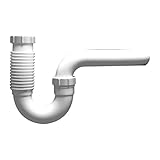
Okay, let’s talk plumbing. Specifically, the kind that deals with… well, the stuff you definitely don’t want coming back up your sink or shower drain. I’ve spent more time than I care to admit peering into PVC pipes, trying to figure out why my perfectly good drain is suddenly smelling like a science experiment gone wrong. And if you’re wondering, are bottle p traps legal in Broward County Florida, you’re probably in that same boat, staring at a U-shaped pipe and wondering if it’s about to save you from a stinky situation or land you in hot water with the building inspector.
The simple answer isn’t always so simple, and frankly, the whole plumbing code can feel like a labyrinth designed to confuse the average homeowner. But that’s why we’re here – to cut through the jargon and get to what actually matters for your home.
What Exactly Is a Bottle P Trap, Anyway?
Alright, let’s get down to brass tacks. A bottle P trap, also known somewhat confusingly as a bottle trap or bottle-shaped trap, is a specific type of plumbing fixture. Unlike the more common J-shaped trap you see under most sinks, this one has a more bulbous, bottle-like section. Its primary job is the same: to create a water seal. This water seal is the unsung hero that prevents sewer gases – and the delightful aromas they carry – from wafting back up into your living space. Think of it as a liquid barricade against the underworld of your plumbing.
The reason it’s called a ‘bottle’ trap is pretty obvious when you look at it. It has a cylindrical body, often with a removable clean-out plug at the bottom. This plug is actually a pretty neat feature, making it easier to clear out clogs or debris that might get lodged in that wider section. I remember the first time I had to deal with a slow drain under my bathroom sink. It was a nasty business, but unscrewing that little plug on the bottle trap made the whole cleaning process a lot less… involved, shall we say. Without it, I probably would have been wrestling with a pipe wrench and a bucket for hours, getting coated in who-knows-what.
So, how does it actually work? Simple physics. Gravity pulls water down the drain, but the U-bend (or in this case, the bottle-shaped bend) is designed to retain a small amount of water. This standing water acts as a barrier. When sewer gases try to come up, they hit this water and are stopped dead in their tracks. It’s brilliant in its simplicity, really. The wider body of the bottle trap can sometimes catch more sediment than a standard P-trap, which is a double-edged sword. Easier to clean, but potentially more prone to clogging if not maintained.
The main difference in design between a bottle trap and a standard P-trap is the shape of the body. A standard P-trap has a smooth, continuous curve. A bottle trap has that distinct bulbous section where the water collects. Some plumbers swear by them for certain applications, especially in tighter spaces or where easier access for cleaning is a priority. Others? Not so much. We’ll get into that debate later.
The materials these traps are made from are pretty standard for plumbing: PVC (polyvinyl chloride) is the most common, being lightweight, durable, and relatively inexpensive. You might also find them in ABS (acrylonitrile butadiene styrene), which is similar to PVC but often black in color. For higher-end installations or specific aesthetic requirements, brass or even stainless steel bottle traps exist, though these are less common for typical residential use. The material itself usually doesn’t affect its function as a trap, but PVC is generally the workhorse for most under-sink applications.
Broward County Plumbing Codes: The Nitty-Gritty
Now, let’s get to the burning question: are bottle p traps legal in Broward County Florida? This is where things get a bit bureaucratic. Plumbing codes are designed to make sure public health and safety by dictating how water supply and drainage systems are installed and maintained. In Florida, like most places, plumbing is governed by the Florida Building Code, which adopts and modifies the International Plumbing Code (IPC) with state-specific amendments. Broward County then follows these state codes, and in some cases, may have even more stringent local amendments.
Here’s the kicker: the International Plumbing Code (IPC), and by extension the Florida Building Code, generally permits the use of what are called ‘separable traps’ for under-sink applications. A bottle trap, with its easily removable clean-out plug, falls under this category. The key is that the trap must be designed to retain water and prevent sewer gas backflow, which a bottle trap does. The code also specifies requirements for vent pipes, trap seals, and pipe materials, all of which apply regardless of whether you have a bottle trap or a standard P-trap.
The important aspect is compliance with the most current adopted version of the Florida Building Code, Plumbing Volume. This code outlines specific requirements, such as the depth of the water seal (which must be between 2 and 4 inches for most traps), the diameter of the trap arm, and the need for proper venting. A bottle trap must meet these same performance criteria. So, if a bottle trap is installed correctly, with adequate venting and a proper seal, it should, in principle, be compliant. (See Also: Are Omega Watch Straps Real Alligator )
However, and this is a big ‘however,’ local building officials and inspectors have the final say. While the code might allow it, an inspector might have a particular interpretation or a preference for standard P-traps, especially if the bottle trap isn’t a commonly seen or easily identifiable model. They might question its long-term reliability or ease of maintenance compared to a standard trap. It’s always, always a good idea to check with your local building department or a licensed plumber who is familiar with Broward County’s specific regulations before you install anything. They can tell you if there are any specific Broward County amendments or interpretations that might affect the use of bottle traps.
I remember a time I was renovating a small kitchenette in a rental property, and I opted for a sleek, modern bottle trap because it fit the aesthetic. The inspector gave me a hard time, not because it was illegal per se, but because he said it wasn’t the ‘standard’ and he’d seen issues with them failing over time. It took some convincing and showing him the relevant section of the code, but he eventually passed it. Lesson learned: sometimes, even when the code technically allows something, local practice and inspector preference can make things… complicated.
Why the Fuss? Standard P-Traps vs. Bottle Traps
So, if bottle traps are generally legal and functional, why aren’t they everywhere? What’s the deal with the standard P-trap dominating the plumbing world? Well, there are a few reasons, and frankly, some of it comes down to tradition and perceived reliability. The standard P-trap, with its smooth, continuous curve, is incredibly simple. It has fewer potential points of failure and is universally understood by plumbers. When you’re dealing with potentially millions of homes that need reliable plumbing, sticking with what works and what everyone knows is often the path of least resistance.
My personal experience leans towards the standard P-trap for its sheer no-fuss nature. I’ve had fewer issues with them getting gunked up compared to some bottle traps I’ve encountered. Maybe it’s the design, or maybe it’s just the specific ones I’ve dealt with, but that continuous curve seems to let water and waste flow a bit more freely, carrying debris away more effectively. The wider body of a bottle trap, while great for catching hair and other gunk (making it easier to retrieve), can also become a sticky trap for grease and soap scum if you’re not diligent with flushing hot water down the drain. This buildup can lead to clogs that are harder to clear without disassembling the trap.
On the other hand, bottle traps have their champions. Some plumbers prefer them for their ease of disassembly. The clean-out plug at the bottom is a godsend for tackling stubborn clogs or performing routine maintenance. If you’ve got a sink that’s prone to collecting debris – think of a busy family bathroom or a workshop sink – the ability to quickly access and clean the trap without needing a full pipe disassembly can be a huge time-saver. I found this to be true with my own kitchen sink, which is a magnet for food scraps despite my best efforts with a drain strainer. The bottle trap made a quick job of a potential plumbing nightmare.
The aesthetics also play a role. Bottle traps often have a more modern, simplified look that can appeal to homeowners looking for a cleaner aesthetic under their sink. Some designs are quite visually pleasing, which can be a consideration in open-concept bathrooms or kitchens where the plumbing is more exposed.
Here’s a quick rundown, from my perspective:
| Feature | Standard P-Trap | Bottle Trap | My Take |
|---|---|---|---|
| Ease of Cleaning (Routine) | Requires pipe wrench/disassembly | Easier with clean-out plug | Bottle trap wins for quick cleans. |
| Ease of Cleaning (Major Clog) | Can be more involved | Generally easier via plug | Bottle trap again, if it’s accessible. |
| Likelihood of Clogging | Moderate, depending on use | Can be higher if grease/soap builds up | Standard might be slightly better for flow. |
| Installation Simplicity | Universally understood | Simple, but cleaner plug needs care | Both are pretty straightforward for DIY. |
| Aesthetics | Utilitarian | Often more modern/sleek | Bottle trap can look nicer. |
| Code Compliance (Broward) | Almost always accepted | Generally accepted, check locally | Important to verify locally. |
So, while both serve the same fundamental purpose, the choice often comes down to priorities: ease of maintenance versus perceived flow and simplicity. And, of course, local regulations.
Common Mistakes and What to Look For
When people ask about bottle traps or any plumbing fixture, my first thought is always: what mistakes are they likely to make? It’s usually not about the product itself, but how it’s installed or maintained. For bottle traps, the biggest mistake I see is assuming that because it has a clean-out plug, it’s indestructible or requires zero maintenance. That plug is a convenience, not a magic wand. (See Also: Are Traditional Mouse Traps Humane )
One common error is overtightening the clean-out plug. These plugs often have a rubber gasket or O-ring to create a watertight seal. Overtightening can crush the gasket, rendering it useless and leading to leaks. It’s also important to make sure the threads are clean and free of debris before screwing it back in. I learned this the hard way after a particularly messy cleaning session; I rushed putting the plug back, and sure enough, there was a slow drip. A little bit of plumber’s tape on the threads (if recommended by the manufacturer) and making sure the gasket was seated properly fixed it. It’s the little things, right?
Another mistake is neglecting the water seal. If a sink isn’t used for a long time, the water in the trap can evaporate, allowing sewer gases to enter. This is true for both P-traps and bottle traps, but it’s worth mentioning. A simple flush of water every few weeks can prevent this. For bottle traps, specifically, people might forget to check the seal around the clean-out plug itself. Over time, the gasket can degrade or become brittle, especially with harsh cleaning chemicals. A quick visual inspection before you tighten it down can save you a headache.
When you’re looking to buy a bottle trap, make sure it’s made from a reputable brand and suitable material (PVC is usually fine for most residential use). Check the dimensions carefully to make sure it will fit in the space available under your sink. Manufacturers usually provide installation guides; read them. Seriously, read them. Don’t just wing it.
Pay attention to the venting. Even the best trap is useless if your drain system isn’t properly vented. A vent pipe allows air to enter the system, preventing a vacuum from forming that could siphon water out of the trap. If you’re installing a bottle trap as part of a larger renovation or a new plumbing setup, make sure your venting is up to code. This is usually the domain of a licensed plumber, and for good reason. Improper venting is a common cause of slow drains and gurgling noises, and it can negate the effectiveness of your trap.
Finally, be aware of your local codes. As we discussed, while the general plumbing codes might allow bottle traps, specific local interpretations or amendments in Broward County could exist. Always check with the county building department or a licensed plumber knowledgeable about local regulations. This isn’t about being difficult; it’s about avoiding costly redo’s or fines down the line. It’s always better to ask for forgiveness than permission, but with plumbing codes, it’s usually much more expensive to ask for forgiveness.
Real-World Use and Practical Tips
Let’s talk about where you actually see bottle traps being used and how to make them work best for you. They’re most commonly found in smaller bathrooms, powder rooms, and sometimes in utility sinks or bar sinks where space is tight or a particular aesthetic is desired. Their compact design and often more polished appearance make them a good choice for these situations.
If you have a bottle trap, here’s my practical advice:
- Regular Flushing: Get in the habit of running water down seldom-used drains for about 30 seconds every couple of weeks. This keeps the water seal fresh and prevents unpleasant odors.
- Mind What Goes Down: Avoid pouring grease, coffee grounds, or other food waste down sinks with bottle traps, especially if they’re prone to clogging. Use a drain strainer and empty it regularly. This advice applies to all traps, but it’s especially relevant for bottle traps where that wider body can become a sticky mess.
- Inspect the Plug: Periodically (maybe every six months to a year), unscrew the clean-out plug. Wipe it clean, check the gasket for any cracks or hardening, and re-seat it properly. A tiny bit of plumber’s grease on the gasket can help it seal and prevent it from sticking.
- Listen to Your Drains: Gurgling sounds, slow draining, or foul odors are all signs that something might be wrong. Don’t ignore them. A bottle trap might need cleaning, or there could be a venting issue.
- Know Your Plumber: If you’re not comfortable dealing with plumbing yourself, find a licensed plumber who has experience with bottle traps and is familiar with Broward County’s plumbing codes. A good relationship with a local pro can save you a lot of hassle.
I once had a client who insisted on installing a fancy, exposed bottle trap in their powder room. It looked fantastic, all polished chrome. But they were having constant issues with slow drains and smells. Turns out, their venting was inadequate for the whole house, and the bottle trap, being a bit more sensitive to pressure changes than a standard trap, was showing the symptoms first. We ended up having to run a new vent line, which was a bigger job than just swapping out the trap. It was a good reminder that the trap is just one piece of a much larger, interconnected system.
The material of the bottle trap also matters for longevity. While PVC is common and affordable, if you’re installing it in a high-moisture or corrosive environment, or if you prefer a premium look, consider brass or stainless steel. These are more expensive but will last significantly longer and are less prone to degradation. (See Also: Are Sticky Mouse Traps Humane )
When Is a Bottle Trap Not a Good Idea?
I generally advise against bottle traps in situations where I expect a lot of heavy-duty use with potentially problematic waste. Think commercial kitchens, or even some heavy-use residential kitchens where people are constantly scraping plates with grease and food scraps directly down the drain without much thought. While the clean-out is handy, the increased surface area for grease to cling to can be a real pain to manage consistently. For these scenarios, a simpler, more direct P-trap or even a sand-trap might be more appropriate and less maintenance-intensive in the long run.
Frequently Asked Questions About Bottle P Traps
Are Bottle P Traps Legal in Broward County Florida?
Generally speaking, bottle p traps are legal in Broward County, Florida, as they typically meet the requirements of the Florida Building Code (which adopts the International Plumbing Code). These codes allow for separable traps that maintain a water seal to prevent sewer gases. However, local interpretations and specific amendments can exist, so it’s always best to verify with the Broward County Building Department or a licensed local plumber to confirm compliance for your specific installation.
What Is the Difference Between a P-Trap and a Bottle Trap?
The main difference lies in their shape. A standard P-trap has a smooth, continuous U-bend. A bottle trap has a more bulbous, bottle-shaped section where the water seal is held. Bottle traps often feature a removable clean-out plug at the bottom, making them easier to access for cleaning clogs or debris.
Can I Install a Bottle Trap Myself?
If you have basic DIY plumbing skills, installing a bottle trap can be a manageable project. Make sure you have the correct tools and follow the manufacturer’s instructions carefully. Pay close attention to sealing all connections properly and making sure the clean-out plug is secure. However, if you’re unsure about plumbing codes, venting, or achieving a leak-proof seal, it’s always safer to hire a licensed plumber.
How Often Should I Clean a Bottle Trap?
The frequency of cleaning depends on your usage. For a sink used daily, a quick flush with hot water after use might suffice. However, if you notice slow draining or odors, it’s time for a more thorough cleaning. Periodically inspecting and cleaning the clean-out plug and gasket (e.g., every 6-12 months) is a good preventative measure.
What Are the Advantages of a Bottle Trap?
Bottle traps offer several advantages, including a more compact design that can fit in tight spaces, a potentially more modern aesthetic, and easier access for cleaning and clog removal thanks to the clean-out plug. This makes them a convenient option for certain installations.
Final Thoughts
So, to circle back to the main question: are bottle p traps legal in Broward County Florida? The answer is generally yes, but with a significant caveat. They’re permitted by the overarching Florida Building Code, but local nuances and inspector discretion are real factors. If you’re planning on installing one, do your due diligence. Double-check with the county or a local pro to avoid any unpleasant surprises.
In my experience, while they offer some neat advantages, particularly ease of cleaning, they aren’t always the best fit for every situation. The standard P-trap remains the workhorse for a reason – its simplicity and universal acceptance. But if you like the look, or if ease of maintenance is a top priority for a specific sink, a bottle trap can be a perfectly viable and legal option.
Ultimately, the best advice is to understand your local regulations and consider the specific demands of the plumbing fixture. Don’t just pick the prettiest trap; pick the one that’s going to do its job reliably, legally, and without causing you headaches down the road. If in doubt, a quick call to a licensed plumber who knows Broward County is your best bet.