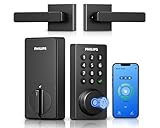
I remember walking into my local hardware store, eyes peeled for a new set of door knobs. I wanted something with a bit of heft, something that looked classy without screaming “look at me.” My gaze landed on a display of what looked like solid bronze locks. Beautiful, warm color. “Perfect,” I thought, picturing them gracing my front door.
Fast forward a few weeks, and I’m wrestling with a sticky lock that’s already showing weird patches of discoloration. That’s when I started asking the real questions: are bronze colored door locks solid bronze? The answer, as it often is with home hardware, is a lot more complicated – and disappointing – than you’d hope.
If you’re wondering about the same thing, you’re in the right place. Let’s cut through the marketing fluff and get down to brass tacks… or rather, bronze.
Why That “bronze” Finish Isn’t Always What It Seems
Let’s get this out of the way: most of the time, when you see a door lock advertised as “bronze colored,” it’s not made of solid bronze. I learned this the hard way. I once bought a whole set of entry and passage knobs for my kitchen and a couple of bedrooms. They were described as “oil-rubbed bronze finish” and looked fantastic in the packaging. The price was reasonable, maybe around $180 for all of them, which should have been my first clue. Solid bronze is pricey, folks.
When they arrived, they had a nice dark, almost black, patina with subtle reddish undertones. They felt okay in the hand, not super heavy, but not flimsy either.
Installation was straightforward, and for the first month, I was thrilled. They added a touch of warmth that my old brushed nickel knobs just couldn’t match.
But then, the wear and tear started. On the knob that gets the most use – the one for the pantry door – I started noticing a dulling of the finish. Then, a tiny scratch revealed a silvery metal underneath. It wasn’t bronze.
It was likely a zinc alloy or brass base metal with a coating applied to achieve that bronze look. This is a super common practice in the industry because, frankly, it’s cheaper.
Manufacturers know that most people are looking for the aesthetic, and they’re willing to cut corners on material to hit a certain price point. The real cost of maintaining that beautiful finish over years can end up being more than you bargained for in terms of frustration and eventual replacement.
The term “oil-rubbed bronze” is really just a description of the finish, not the material itself. Think of it like paint. (See Also: Are Sesame Seeds Kosher For Passoveris Pollock Kosher )
You can have a car that’s “fire-engine red,” but the car isn’t made of fire engines. It’s the same principle here.
The base metal is usually something much cheaper, and then a process is used to make it look like bronze. This can involve plating, powder coating, or patination.
While some of these finishes can be quite durable, they are inherently less solid than solid metal. They can chip, scratch, fade, or wear away over time, especially in high-traffic areas or if exposed to harsh cleaning chemicals.
I’ve seen it happen to countless fixtures around my house – cabinet pulls, light fixtures, and yes, door locks. The disappointment when a beautiful finish starts looking shabby is real.
What “bronze” Finishes Actually Mean
So, if it’s not solid bronze, what are you actually getting? This is where things get a little murky, but understanding the common terms will help you make a smarter choice. The most prevalent option you’ll see is often called “oil-rubbed bronze” or “venetian bronze.” As I mentioned, these refer to the appearance, not the material. The base metal is typically brass, zinc, or sometimes even steel. Then, a chemical process or coating is applied to give it that dark, antiqued look. It’s designed to mimic the appearance of bronze that has aged naturally over time, developing a rich patina.
Another common finish is “antique bronze.” This is very similar to oil-rubbed bronze, often with a slightly more uniform darkness. Again, it’s a finish applied over a base material. Sometimes, you might see “dark bronze,” which can be a more general term for darker brown finishes that aren’t necessarily aiming for the exact look of aged bronze. They might be a simple dark paint or powder coat.
Then there’s the actual bronze. If a lock is truly made of solid bronze, it will usually say so quite clearly, and the price will reflect it. Solid bronze locks are a significant investment.
They are heavy, durable, and will develop a unique patina over time that is part of their charm. However, they are much rarer in the mass market. You’re more likely to find solid bronze in high-end custom hardware or architectural salvage.
The vast majority of what’s marketed as “bronze” is actually a base metal with a bronze-colored coating. This is a important distinction because the performance and longevity of the lock will be dictated by the base material and the quality of the finish, not just its color. (See Also: Are Sliding Door Locks Common )
I’ve had friends who bought what they thought were solid bronze handles for their patio doors, only to find them corroding within a year because the underlying metal wasn’t treated properly. It’s a classic case of the aesthetic trumping the functional reality. When you’re buying, scrutinize the product description. Look for terms like “solid bronze,” “cast bronze,” or material composition. If it just says “finish” or “color,” assume it’s not solid.
The Real Deal: Solid Bronze vs. Plated/coated
Let’s break down the tangible differences you’ll experience between a lock that’s genuinely solid bronze and one that just has a bronze finish. I’ve fiddled with both extensively, and the difference is night and day, not just in feel but in longevity. Solid bronze, first off, has a weight to it. When you pick up a solid bronze lock, it feels substantial, dense. It doesn’t feel hollow or light. This heft translates into durability. Solid bronze is a copper alloy, and it’s naturally resistant to corrosion. It will tarnish and patina over time, but it’s a graceful aging process that many people find beautiful. That patina is part of the metal itself, not a coating that can wear off.
A lock with a bronze finish, on the other hand, is usually made from a less expensive metal like zinc alloy, brass (which is also a copper alloy, but typically less so than bronze), or even steel. These base metals are then coated.
Common coating methods include plating (like PVD – Physical Vapor Deposition, which is relatively durable but still a coating) or powder coating. These finishes are designed to look like bronze. Some are quite good, but they are still a surface layer.
Scratches, dings, or prolonged exposure to moisture and salt (especially in coastal areas) can break down the coating. When the coating fails, you’ll see the base metal underneath, which can look unsightly and, depending on the base metal, might even start to corrode itself.
I remember replacing a set of drawer pulls in my kitchen that were marketed as “bronze.” They looked great for about two years. Then, the edges where my hands touched them most started to fade, revealing a dull gray metal.
It looked terrible. I ended up having to replace all of them. With a solid bronze lock, that kind of wear just doesn’t happen to the material itself. It might get a scratch, but the scratch is in bronze.
It develops character. The coated option develops flaws. For peace of mind and long-term value, especially for exterior doors where durability is most important, solid bronze is the way to go, but you pay for it. For interior doors where aesthetics are the main concern and wear is less severe, a good quality coated finish might suffice, but buyer beware.
| Feature | Solid Bronze | Bronze Finish (Coated/Plated) | My Verdict |
|---|---|---|---|
| Material | Copper alloy (bronze) | Zinc alloy, brass, steel base with coating | Base material matters hugely for coated. |
| Weight | Heavy, substantial | Lighter, can feel hollow | Heft is a good indicator of quality. |
| Durability | Excellent, corrosion resistant | Varies greatly by coating quality; prone to wear | Coating failure is a common problem. |
| Aging/Patina | Develops natural, attractive patina | Finish can fade, chip, or wear off | Natural patina is superior to artificial wear. |
| Cost | High | Low to moderate | You get what you pay for. |
| Appearance | Rich, deep, authentic | Can be very good initially; may degrade | Initial looks can be deceiving. |
How to Spot the Difference (and Avoid Getting Ripped Off)
Okay, so you’re at the store or browsing online, and you see a lock that looks like your idea of perfect bronze. How do you know if it’s the real deal or just a pretty face? First, read the product description religiously. Don’t just look at the pretty pictures. Search for keywords like “solid bronze,” “cast bronze,” or the material composition. If you see terms like “bronze finish,” “oil-rubbed bronze,” “venetian bronze,” or just “bronze colored,” it’s a pretty safe bet it’s not solid. Manufacturers are usually pretty clear when something is truly solid material because it’s a selling point. If they’re vague, they’re hiding something. (See Also: Are The Rams Locked Into The 6th Seed )
Second, check the weight. If you can handle the lock in person, pick it up. Does it feel dense and heavy, or surprisingly light? A solid bronze lock will have a noticeable heft. If you’re buying online, sometimes reviews will mention the weight or how substantial the product feels. This is a huge clue. I’ve had to send back items because they felt cheap and flimsy once I got them home. That saved me a trip back to the store and the hassle of returns.
Third, consider the price. Solid bronze is a premium material. If a lockset that looks like solid bronze is priced similarly to other basic metal locks, it’s almost certainly not solid bronze. Think about the cost of raw bronze versus zinc or steel. The price difference will be significant. A solid bronze lockset for an entry door could easily run you $200-$500 or more, depending on the style and brand. If you’re seeing options for $50-$100 for a complete set, you’re looking at a finish, not solid metal. My rule of thumb: if the price seems too good to be true for what looks like solid bronze, it absolutely is.
Finally, look at the warranty and return policy. While not a direct indicator of material, a company that stands behind its product with a decent warranty might be using better quality materials or finishes. However, don’t rely on this solely. Many companies offer warranties on finishes that might still wear out prematurely.
Are Bronze Colored Door Locks Solid Bronze? The Faq
What Is the Difference Between Oil-Rubbed Bronze and Venetian Bronze?
Both “oil-rubbed bronze” and “Venetian bronze” are terms used to describe a finish, not the material itself. They aim to replicate the look of aged bronze. Oil-rubbed bronze typically has a darker, more varied patina with reddish undertones, often achieved by applying a dark coating and then wiping away some of it to reveal lighter areas. Venetian bronze is similar but might be slightly more uniform in its darkness. In both cases, the underlying material is usually brass, zinc alloy, or steel, not solid bronze.
Can Bronze Finishes Scratch or Fade?
Yes, absolutely. Because bronze finishes are coatings or patinas applied to a base metal, they are susceptible to scratching, chipping, and fading over time. The durability of the finish depends heavily on the quality of the application and the type of base metal used. High-traffic areas, exposure to harsh cleaning chemicals, or even prolonged contact with moisture can accelerate wear and tear on these finishes, revealing the base metal underneath.
Is Solid Bronze More Expensive Than Bronze Finishes?
Significantly more expensive. Solid bronze is a valuable alloy, and its use in hardware commands a higher price. Locks and hardware made from solid bronze are an investment. In contrast, hardware with a bronze finish is considerably less expensive to manufacture because it uses cheaper base metals and a finishing process to achieve the desired aesthetic. The price difference is a strong indicator of whether you’re looking at solid material or just a coating.
Which Type of Bronze Lock Is Better for Exterior Doors?
For exterior doors, solid bronze is generally the better choice due to its superior durability and natural resistance to corrosion. While high-quality coated finishes can last for a good while, they are ultimately more prone to wear and damage from the elements than solid bronze. Solid bronze will age gracefully and maintain its structural integrity over many years, making it a more reliable and long-term investment for exterior applications where security and weather resistance are most important.
What Are Common Base Metals for Bronze-Colored Door Locks?
The most common base metals used for door locks that have a bronze finish are zinc alloy, brass, and sometimes steel. Zinc alloy is popular because it’s relatively inexpensive, can be cast into intricate shapes, and takes coatings well. Brass, while also a copper alloy, is often used as a base for finishes to give a good underlying color and corrosion resistance. Steel might be used for structural components but is less common for visible exterior hardware finishes unless very well protected from rust.
Final Thoughts
So, to cut to the chase: are bronze colored door locks solid bronze? Almost never, unless the price tag makes you wince and the description screams it from the rooftops. Most of what you see is a cleverly applied finish designed to mimic the look. And honestly, for many interior applications, a good quality finish can be perfectly fine and look great for years.
But if you’re looking for something that will stand the test of time, resist corrosion, and develop a beautiful, authentic patina, you’ll need to hunt for genuine solid bronze. It’s a significant price jump, and you’ll need to be vigilant about reading descriptions and checking for weight and material composition. Don’t be fooled by the color alone; it’s the substance that counts for longevity.
My advice? Decide where the lock is going. For the front door where security and weather are big factors, and for any high-use areas that see a lot of hand traffic, investing in solid bronze is usually worth it in the long run, saving you hassle and replacement costs. For less important interior doors, a good quality coated finish might be all you need. Just know what you’re buying before you hand over your cash.