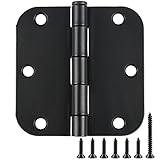
I remember standing in the aisle at the hardware store, staring at a wall of cabinet hinges. It felt like a million tiny metal pieces, all looking vaguely similar. I was building my first custom bookshelf, and I’d cheaped out on the hinges for the doors, figuring they were just… hinges. Big mistake. Those flimsy things sagged within weeks, making the whole project look like a drunken sailor had assembled it. It really hammered home for me that when you’re asking ‘are cabinet hinges metal,’ the answer is almost always yes, but the kind of metal and how it’s used? That’s where the magic, or the misery, happens.
It’s easy to gloss over the details when you’re focused on the bigger picture, but the hardware holding your doors can make or break the look and function of your cabinets. Forget about fancy finishes for a second; if the hinges are junk, your doors won’t close right, they’ll creak, and they’ll definitely look cheap.
Why Most Cabinet Hinges Are Definitely Metal
Let’s get this out of the way: are cabinet hinges metal? Overwhelmingly, yes. You’d be hard-pressed to find a cabinet hinge made from plastic that’s actually designed for regular use. Wood, particle board, MDF – these are the materials cabinets are made from, and they need the strength and durability that only metal can provide to support the weight of a door and withstand the constant opening and closing.
Think about it: a plastic hinge would flex, bend, and likely snap under that kind of stress, especially with a heavy solid wood door. The common metals you’ll encounter are steel, brass, and zinc alloys, often with a coating or finish to prevent rust and add aesthetic appeal.
The type of metal and its treatment significantly impact the hinge’s strength, corrosion resistance, and how smoothly it operates. For instance, solid brass hinges are known for their beauty and corrosion resistance, making them a popular choice for decorative or high-end applications, though they can be pricier. Steel hinges, often plated with nickel or zinc, offer excellent strength and durability at a more budget-friendly price point, which is why they’re so common in everyday cabinetry.
Zinc alloys are also widely used for their good strength-to-weight ratio and ease of casting into complex shapes, making them versatile for various hinge designs. The manufacturing process also plays a role; stamped metal hinges are generally less expensive than forged ones, but may not be as strong. Even the screws holding the hinge to the cabinet and door are almost always metal, typically steel, often with a matching finish to the hinge itself.
The sheer mechanical demands of supporting a moving door mean that anything less than metal just wouldn’t cut it for long-term use. I once tried a ‘heavy-duty’ plastic bracket for a small shelf, and it lasted about three weeks before it started to sag alarmingly. That experience taught me to trust metal for anything that needs real structural integrity.
What to Actually Look for in Cabinet Hinges
So, they’re metal. Great.
Now what? This is where most DIYers, myself included when I started, get lost. You need to think about how the hinge works and what you need it to do. First, consider the cabinet door overlay.
This is how much the door sits over the cabinet frame. Full overlay doors sit almost entirely over the frame, partial overlay doors overlap the frame partially, and inset doors sit flush within the frame. The type of hinge you buy must match your overlay. Buying the wrong type means your doors won’t close properly, or they’ll look uneven.
I made this mistake on a bathroom vanity; I’d bought overlay hinges for inset doors. The doors wouldn’t close flush, and I ended up having to buy a whole new set, costing me double. Then there’s the opening angle.
Most standard hinges open to about 90-110 degrees. But if you have deep drawers or need full access to the back of a cabinet, you might need specialized hinges that open 180 degrees or even more. Soft-close is another big one. These hinges have a built-in damper that gently slows the door down as it closes, preventing slamming. (See Also: Are Spring Loaded Door Hinges Better )
It’s a small luxury that makes a huge difference, especially in a busy kitchen. The mounting style is also key: concealed (or European) hinges are popular for a clean, modern look as they’re hidden when the door is closed. Surface-mount hinges are more traditional and visible.
Finally, the finish. While it’s mostly aesthetic, some finishes offer better rust resistance. Brushed nickel is popular for its durability and fingerprint resistance, while matte black offers a modern edge. Always check the hinge’s weight rating too.
You don’t want hinges that will sag under the weight of your doors. For a standard shaker-style cabinet door, you’re typically looking at hinges rated for at least 50 pounds per pair, but always check the manufacturer’s specs.
Common Mistakes That Make You Look Like an Idiot
Mistake number one, as I’ve mentioned, is buying the wrong type of hinge for your overlay. Seriously, measure this before you buy anything.
You can find diagrams online easily enough. Secondly, people often don’t account for the door thickness. Some hinges are designed for thinner doors, others for thicker ones. If they don’t match, you’ll have gaps or the door won’t sit right.
My first attempt at a built-in wardrobe had doors that didn’t sit flush because I used hinges meant for a slightly thicker door. It looked amateurish.
Another classic blunder is not getting enough hinges per door. For standard cabinet doors, two hinges are usually enough, but for larger, heavier doors, you absolutely need three or even four to distribute the weight evenly and prevent sagging.
I saw a friend’s kitchen renovation where the upper cabinet doors were all slightly drooping because they only used two hinges on doors that were way too wide and heavy for that. The worst is when people buy the cheapest hinges they can find without considering the material or build quality. These are the ones that will bend, creak, and fail prematurely. They might look okay initially, but they’re a ticking time bomb for frustration.
I once bought a bulk pack of ‘economy’ hinges for a bunch of built-in bookshelves. Within a year, every single door had a noticeable sag, and the finish on some started flaking off.
It was a constant reminder of my penny-pinching error. Lastly, and this is a big one: not pre-drilling the screw holes correctly.
If you overtighten or strip the holes, the hinge won’t be secure, and the door will be wobbly. Always use a drill bit that’s slightly smaller than the screw shank for pilot holes. (See Also: A Box Without Hinges Key )
A Deep Dive Into Hinge Materials and Their Real-World Performance
When you’re looking at cabinet hinges, you’re generally dealing with a few primary metal types, and each has its own quirks and benefits in actual use. Steel is the workhorse. It’s strong, readily available, and relatively inexpensive. Most steel hinges are plated – often with zinc (galvanized) or nickel.
Zinc plating provides good corrosion resistance for most indoor environments and a clean, silvery look. Nickel plating, especially brushed nickel, is very popular because it’s durable, resists fingerprints well, and looks good in a variety of kitchen styles.
However, raw steel, even plated, can eventually rust if exposed to excessive moisture, like in a humid bathroom or near a sink. Brass is another common material, especially for decorative hinges or when corrosion resistance is most important. Solid brass hinges have a warm, classic look that ages beautifully. They are naturally resistant to rust and corrosion, making them ideal for coastal areas or kitchens where steam is common.
The downside? Brass is softer than steel and can be more expensive. You’ll often see hinges made from brass alloys, which are still durable and corrosion-resistant but often more affordable. Zinc alloy (often called Zamak) is a popular choice for its balance of strength, corrosion resistance, and cost.
It’s easily cast into intricate shapes, which is why you see it in many concealed hinge designs. It offers good durability for everyday use and generally holds up well. I recently replaced some old, stiff hinges on a pantry door with zinc alloy ones, and the difference in smooth operation was night and day.
They felt solid and precise. One thing to watch out for with any metal hinge is the quality of the manufacturing.
A poorly made steel hinge can be weaker than a well-made zinc alloy one. Look for smooth edges, precise fits between the hinge components, and a finish that is evenly applied without any pits or bubbles. A good hinge should operate smoothly without binding or excessive play.
The amount of metal used also matters; a thicker gauge metal will be stronger than a thin, flimsy piece, even if they’re the same material. Don’t be afraid to pick up a hinge and feel its weight and solidity; it tells you a lot about its construction.
Comparing Common Cabinet Hinge Styles
The variety of metal cabinet hinges can be overwhelming, but most fall into a few key categories based on how they mount and function. Understanding these will save you a lot of headaches. Here’s a quick rundown of what’s out there and my take on them.
| Hinge Type | Description | Pros | Cons | My Verdict |
|---|---|---|---|---|
| Concealed (Euro) Hinges | Hidden when the door is closed; mount into a cup drilled into the door and a plate on the cabinet frame. | Sleek, modern look; wide adjustability for perfect door alignment; soft-close options common. | Require precise drilling into the door; can be more complex to install initially. | The go-to for modern kitchens and a clean look. Worth the slightly trickier install. |
| Surface-Mount Hinges | Attach directly to the face of the cabinet and door; visible when the door is closed. | Simple installation; wide range of decorative styles available; good for traditional or rustic looks. | Less adjustability for alignment; can look dated if not chosen carefully; can snag clothing. | Great for farmhouse or vintage styles where the hinge is part of the aesthetic. |
| Overlay Hinges | Designed for doors that cover the cabinet frame (full or partial overlay). The hinge arm extends to allow this coverage. | Allow for doors to sit flush or nearly flush with the cabinet face; commonly available in concealed styles. | Must match overlay specification precisely; wrong overlay means doors won’t close right. | Key if you want that clean, smooth cabinet face. Get the overlay measurement right! |
| Inset Hinges | For doors that sit inside the cabinet frame. Often have a small, decorative knuckle. | Create a flush, built-in look; can have a charming vintage appeal. | Require precise mortising into the cabinet frame; limited adjustability. | Best for specific antique or custom furniture styles. Not for the DIY beginner usually. |
| Specialty Hinges (e.g., 180°, Bibliotheque) | Designed for specific functions, like full access or display cabinets. | Enable unique cabinet configurations; offer maximum accessibility. | Often more expensive; can be bulky or require custom cabinet modifications. | For specific needs only; don’t buy if you don’t need the special function. |
The most common type you’ll see in new cabinets are concealed hinges, often made from steel or zinc alloy with nickel or chrome plating. They offer that clean look everyone wants now. My personal preference for most kitchen and bathroom cabinets leans heavily towards concealed, soft-close hinges. The ability to fine-tune door alignment with the adjustment screws is a lifesaver.
I’ve spent hours trying to shim traditional hinges to get doors straight; with concealed hinges, it’s usually a ten-minute job with a screwdriver. For older cabinets or specific design choices, surface-mount hinges can be charming, but they require a good eye for placement. The metal used in these hinges is typically steel, often plated, and you want to feel the weight – a flimsy hinge is just asking for trouble down the road. (See Also: Are Integrated Washing Machine Door Hinges Standard )
When the Fancy Finish Hides a Cheap Core
Here’s a contrarian take: everyone obsesses over the finish – matte black, brushed brass, satin nickel – but the real quality of your cabinet hinges often lies beneath that pretty coating. I’ve seen beautiful-looking hinges that felt cheap and loose in my hand, and plain, almost industrial-looking ones that operated with buttery smoothness and felt like they’d last forever. The common advice is to match your finish to your hardware, which is fine aesthetically, but it doesn’t guarantee functionality.
I once splurged on a set of matte black concealed hinges for a media console. They looked stunning online, and in person, the finish was flawless.
However, after a few months, one of the dampers in the soft-close mechanism started failing, and the door would slam shut. I ended up replacing the whole set with a less flashy, but more solid, zinc alloy set with a simple nickel finish. The operational quality and longevity are far more important than a trendy color. When you’re checking out hinges, pay attention to the weight and the feel of the pivot points.
Are they stiff? Is there play in the joints? Does the arm move smoothly?
This is where the quality of the metal and the manufacturing precision really show. A good hinge, regardless of its finish, will feel substantial and operate without any creaking or binding. For example, solid brass hinges, while often more expensive and sometimes with a less ‘modern’ look than certain plated steels, offer inherent corrosion resistance and a smooth, durable operation that plating alone can’t always replicate. The plating is primarily for appearance and basic protection; the underlying metal and the precision of the machining are what determine the hinge’s true performance and lifespan.
Don’t be swayed solely by a fancy finish; feel the hinge, test its movement, and check its weight. A well-made steel or zinc alloy hinge with a basic finish will likely serve you better in the long run than a poorly constructed one with a premium coating.
What Are Cabinet Hinges Made of?
Cabinet hinges are almost exclusively made of metal to provide the necessary strength and durability. The most common metals used are steel, brass, and zinc alloys. These metals are chosen for their ability to withstand the weight of cabinet doors and the stress of repeated opening and closing. The type of metal and its finishing (like plating with nickel, zinc, or chrome) significantly impact the hinge’s appearance, corrosion resistance, and longevity.
How to Choose the Right Cabinet Hinges?
Choosing the right cabinet hinges involves considering several factors. First, determine the overlay of your cabinet doors (full, partial, or inset) and select hinges designed for that specific type. Next, think about the opening angle required and if soft-close functionality is desired. Consider the material and finish based on your aesthetic preferences and the environment (e.g., high humidity). Finally, always check the hinge’s weight rating to make sure it can support your doors properly. Making sure the hinge type matches your cabinet door and frame construction is most important for proper function.
What Is the Difference Between Overlay and Inset Hinges?
The difference lies in how the cabinet door sits relative to the cabinet frame. Overlay hinges are used for doors that cover part or all of the cabinet frame’s face, creating a smooth look. Inset hinges are for doors that are set within the cabinet frame, sitting flush with the face of the frame. The hinge’s design and mounting points are specific to either overlay or inset applications; using the wrong type will prevent doors from closing correctly or looking aligned.
Are All Cabinet Hinges Metal?
While there might be extremely niche or decorative exceptions, for all practical purposes, cabinet hinges are metal. The mechanical demands of supporting a door and allowing it to swing smoothly require the strength and rigidity that only metal can provide. Plastic or other non-metal materials would likely bend, break, or wear out very quickly under normal use. The vast majority of hinges you encounter will be constructed from steel, brass, or zinc alloys.
Conclusion
So, to finally put the question ‘are cabinet hinges metal’ to rest: yes, they are, and that’s a good thing. The metal is what gives them their strength and makes sure your cabinets function as they should for years to come. Don’t get so caught up in the finish that you forget to check the actual construction, the movement, and the type of hinge that suits your cabinet doors.
My advice? Spend a little time understanding the overlay and the mounting style. A few minutes of research upfront can save you hours of frustration and wasted money. And if you’re ever on the fence about quality, pick up the hinge. If it feels light and flimsy, walk away. Your cabinets will thank you.
Next time you’re installing new cabinets or refreshing old ones, remember that the humble hinge is a hardworking piece of hardware. Choosing wisely means the difference between doors that glide beautifully and ones that sag sadly.