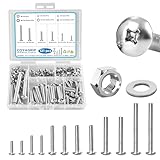
I remember the first time I had to replace brake pads on my old Honda Civic. Everything was going fine until I got to the caliper bolts. The Haynes manual, bless its greasy pages, was vague. I torqued them down, feeling pretty proud of myself.
Then, a few thousand miles later, a terrifying grinding noise started. Turned out, one of those bolts had backed out. That’s when I started digging into whether are caliper bolts one time use or if I’d just been lucky (or unlucky, as it were).
It’s a question that pops up a lot, and honestly, the answer isn’t as simple as a yes or no. It involves a bit of mechanics, a bit of common sense, and a whole lot of avoiding expensive mistakes.
Why Some Folks Say ‘nope, They’re Reusable’
Look, the common wisdom, or what you’ll hear from a lot of DIY mechanics (myself included, for a while), is that caliper bolts are just big ol’ bolts. They hold stuff together, right?
Unless they’re visibly damaged, rusty to hell, or stripped, why wouldn’t you reuse them? I mean, have you seen the price of new hardware sometimes? It can add up, especially if you’re doing a full brake job on multiple vehicles.
I’ve definitely reused caliper bolts in a pinch, especially on older cars where the bolts were beefier and the torque specs felt less… finicky. You clean them up, maybe chase the threads with a die if they’re a bit rough, slap on some anti-seize, and crank them down to spec.
For years, this was my go-to. I figured the torque wrench was the magic bullet, making sure they’d stay put. And for a while, it seemed to work. I never had a wheel fall off, thank goodness.
But that grinding noise from my Civic was a wake-up call. It made me think about what these bolts actually do and what forces they’re up against. They’re not just holding a static piece; they’re dealing with vibration, temperature swings, and the immense forces of braking. That’s a lot for a plain old bolt, even a beefy one.
So, while the instinct is to reuse, there’s a growing body of evidence, and frankly, some painful personal experience, that suggests otherwise for a good reason.
The ‘one-Time Use’ Truth Bomb (and Why It Matters)
Here’s the blunt truth: For most modern vehicles, especially those with higher performance requirements or specific safety standards, caliper bolts are indeed designed to be one-time use. Why? It’s all about what engineers call ‘clamping force’ and ‘yield strength.’ When you torque a bolt down to its specified setting, you’re stretching it slightly.
This stretch creates the tension that holds everything together. But here’s the kicker: that stretch is usually right at the bolt’s ‘yield point.’ This means it’s permanently deformed, but not yet broken. The first time you torque it, it’s calibrated to achieve the exact clamping force needed.
Once you loosen it, that engineered stretch is gone. The metal has already been stressed. If you try to re-torque it to the same specification, you might not achieve the same reliable clamping force. It might seem tight, but it could be just loose enough to allow vibration to work it loose over time. (See Also: Can I Buy A Full Auto Bolt Carrier )
This is precisely what happened with my Civic. The threads might have been fine, the bolt itself looked okay, but the microscopic deformation meant it couldn’t hold its torque reliably under repeated stress.
I’ve seen people argue that if the bolt isn’t visibly damaged, it’s fine. I disagree. The internal stresses are invisible. It’s like bending a paperclip; bend it once, it’s fine.
Bend it back and forth a few times, and it’ll snap. Bolts are similar, just on a microscopic, engineering level. For important components like brakes, where failure means a catastrophic loss of control, it’s not worth the gamble. Buying a set of new caliper bolts for under $50 is a hell of a lot cheaper than a tow truck, potential bodywork, or worse.
What to Look for: Signs of Trouble
Before you even think about reusing a caliper bolt, give it a good once-over. Look for any signs of damage. This includes:
- Stripped Threads: If the threads look chewed up, rounded, or you can’t easily thread a nut onto them by hand, they’re toast.
- Deformation: Check the head of the bolt. If it looks like it’s been hammered, rounded, or the hex shape is distorted, it’s probably been over-torqued or improperly handled.
- Corrosion: Heavy rust, especially in the threads or under the head, can weaken the bolt and compromise its ability to hold torque. Pitting is a big red flag.
- Cracks: Any visible cracks, no matter how small, mean the bolt is compromised and should be replaced immediately.
Even if none of these obvious issues are present, the invisible yielding of the metal is the real danger. It’s a gamble you’re better off not taking.
The Contrarian View: When Reusing might Be Okay (but I Wouldn’t)
Now, let me play devil’s advocate for a second. Everyone says they’re one-time use, right?
But what about those classic cars, or some older, simpler trucks? I’ve talked to guys who’ve been wrenching for 40 years, and they swear by reusing caliper bolts if they look good. Their argument is that the bolts used back then were often made of tougher, less precisely engineered steel, and the torque specs weren’t as dialed in to the absolute yield point. They’d clean them, maybe apply some thread locker (the blue stuff, not the red!), and torque them down.
And for them, it works. I’ve seen it.
I’ve even done it myself on a beat-up old pickup where originality and hyper-precision weren’t the main concerns. My opinion?
If you’re working on a vehicle where safety isn’t quite as most important, or if you’re damn sure about the quality of the original hardware and your torque procedures, maybe you could get away with it. But here’s the rub: ‘getting away with it’ is not the same as ‘doing it right.’ The margin for error on modern braking systems is razor thin.
The manufacturers put those ‘one-time use’ labels on there for a reason – liability, sure, but mostly because the engineering demands it for consistent, reliable performance. I’d rather spend $30 on new bolts than risk a shaky brake pedal or a wobbly wheel. (See Also: Are Mercruiser 5 7 Engines Four Bolt Mains )
It’s a difference between ‘it might be okay’ and ‘it will be okay.’ I’ll take the latter, especially when it comes to stopping.
The Real-World Cost of Reusing
Let’s talk brass tacks. What’s the actual cost of not replacing caliper bolts when you should? I had a buddy, Mark, who was adamant about saving money.
He was doing his brakes on a Subaru Outback, a car known for its… enthusiasm. He reused the caliper bolts. Fast forward three months, and he’s coming down a hill, brakes start to fade.
Then, a horrible clunking sound. One of the rear caliper bolts had worked its way out, letting the caliper sag and chew into the rotor.
He was lucky it didn’t seize up the wheel. The damage? A new rotor, a new caliper (because the bracket bent), and a new set of bolts, plus a tow. He ended up spending more than if he’d just bought the bolts initially.
That was about $400 in repairs for something that would have cost him maybe $30 for the bolts and an extra 15 minutes of work. I’ve personally experienced that sickening feeling when a bolt feels slightly off during torquing, or when you wonder if you’ve hit the exact spec.
It’s that nagging doubt. I once spent an entire Saturday wrestling with a stubborn bolt that just wouldn’t seat properly after I’d reused it.
Turns out, the threads were slightly stretched and cross-threaded themselves on the way in. Ended up having to drill it out, which is a whole other nightmare. So, the ‘cost saving’ of reusing bolts often blows up in your face, leading to more expensive repairs, wasted time, and potentially dangerous situations. The price of peace of mind, and safe brakes, is usually pretty low.
Calipers: To Reuse or Not Reuse?
| Component | Typical Recommendation | My Verdict |
|---|---|---|
| Brake Pads | Replace when worn | Definitely replace when they hit minimum thickness. Sometimes you can get away with less if they’re only slightly worn, but not worth the risk if you’re unsure. |
| Brake Rotors | Replace when worn below minimum thickness or warped/scored | Resurface if they’re within spec and not heavily damaged. Otherwise, replace. Warped rotors are a common culprit for vibration. |
| Brake Fluid | Flush and replace every 1-2 years | Absolutely. Old fluid absorbs moisture, lowers boiling point, and can corrode ABS components. Don’t skip this. |
| Caliper Bolts | One-time use (OEM) | For most modern cars, I treat them as one-time use. The engineering behind them is designed for that single stretch. The small cost is worth avoiding potential disaster. |
| Hardware Kits (Clips, Pins) | Often included with pads, or replace if corroded/bent | Replace if they look like they’ve been through a war. They’re cheap insurance against squeaks and making sure proper pad movement. |
Practical Tips for Brake Jobs and Bolt Handling
Alright, so you’re convinced (or at least hesitant) about reusing those caliper bolts. What’s the best way to handle this? First off, always buy the correct replacement bolts for your specific vehicle.
Don’t guess. Check your owner’s manual or a reputable parts catalog. Brands like Dorman or specific OEM suppliers often sell these in convenient kits.
When you get your new bolts, inspect them too – just to be sure. Clean the mounting surfaces thoroughly. Any rust, dirt, or old thread locker can affect the torque reading. Use a wire brush and brake cleaner. (See Also: Can Am Merverick X3 Max Xrs Wheel Bolt Pattern )
If your vehicle manufacturer specifies thread locker (usually the blue, removable kind for caliper bolts), apply it only to the threads of the bolt, not the mating surface of the caliper bracket. Follow the torque specifications precisely. A good torque wrench is a must for brake work. I use a digital one that beeps when I hit the target, giving me confidence.
Don’t just ‘eyeball’ it. When you’re torquing, tighten in stages if recommended by the manufacturer, often in a star pattern to make sure even pressure. And remember, some caliper bolts are also ‘torque-to-yield’ bolts, meaning they are designed to stretch to a specific point and are absolutely meant for single use.
If you’re unsure, err on the side of caution. It’s better to have slightly tighter, new bolts than to worry about old ones backing out. I learned this the hard way, and now, for my own car and anyone I care about, new caliper bolts are part of the brake job budget.
Common Mistakes to Avoid
Beyond reusing bolts, here are some other pitfalls:
- Overtightening: This can strip threads or, worse, snap the bolt or damage the caliper bracket.
- Undertightening: Leads to the bolt backing out, just like reusing a stretched bolt.
- Using the wrong thread locker: Red thread locker is permanent and can make future removal a nightmare or require drilling. Stick to blue for most caliper bolts.
- Forgetting to clean surfaces: Debris can throw off torque readings significantly.
- Not following torque specs: This is arguably the biggest mistake. Specs are there for a reason.
People Also Ask: What Happens If You Don’t Torque Caliper Bolts?
If caliper bolts aren’t torqued correctly, they can either back out over time due to vibration and stress, or they might not provide enough clamping force. Loose bolts are dangerous because the caliper could shift or even detach, leading to brake failure and potential accidents. Overtightened bolts can strip threads, break the bolt, or damage the caliper or bracket, leading to costly repairs.
People Also Ask: Can I Use Anti-Seize on Caliper Bolts?
Generally, no. Anti-seize compound reduces friction. If you use it on caliper bolts and torque them to the manufacturer’s specification, the reduced friction means you’ll actually be applying more clamping force than intended, potentially stretching the bolt past its yield point or stripping threads. If the manufacturer specifically calls for it (which is rare for caliper bolts), then use it sparingly. Otherwise, stick to the specified torque value with clean, dry threads or the specified thread locker.
People Also Ask: How Tight Should Caliper Bolts Be?
The tightness of caliper bolts is determined by specific torque values set by the vehicle manufacturer. These values are usually found in your car’s service manual and are measured in foot-pounds (ft-lbs) or Newton-meters (Nm). For example, a typical torque spec might be between 25-35 ft-lbs, but this varies significantly by vehicle make and model. Always consult your vehicle’s service manual for the exact specification.
Final Verdict
So, are caliper bolts one time use? My personal experience and a deep dive into automotive engineering say yes, for most modern applications, they absolutely should be treated as such. The risk versus reward just isn’t there. A few bucks for new hardware is a small price to pay for the confidence that your brakes will perform when you need them most.
Don’t be that guy who skips a step and ends up with a costly repair or, worse, a dangerous situation. When you’re putting your brakes back together, especially on anything newer than a classic muscle car, plan on buying new caliper bolts. It’s a simple replacement that makes a huge difference.
Next time you’re doing a brake job, put those new bolts in your shopping cart right alongside the pads and rotors. Your peace of mind will thank you.