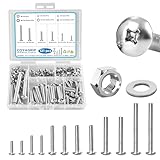
Look, I’ve been there. Staring at a pile of shiny new caliper bolts, all looking vaguely similar, and wondering if I’d just bought a very expensive paperweight. You’re elbow-deep in a brake job, you’ve got the old ones out, and suddenly you’re faced with this question: are caliper bolts universal? It’s a question that can stop a weekend project dead in its tracks. The truth is, it’s complicated, and anyone who tells you it’s a simple yes or no is probably trying to sell you something.
I’ve wasted more than my fair share of cash on parts that looked right but were fundamentally wrong. This isn’t just about saving a few bucks; it’s about avoiding hours of frustration, potential safety hazards, and that sinking feeling when you realize you’ve made a important mistake. Let’s cut through the noise and get to what actually matters when it comes to caliper bolts.
Do Caliper Bolts Actually Fit All Cars?
The short answer to whether are caliper bolts universal is a resounding no, at least not in the way most people hope. Think about it for a second. Cars come in an insane variety of shapes, sizes, and purposes. A tiny economy hatchback isn’t going to have the same braking demands as a heavy-duty pickup truck or a sports car designed for track days.
The forces involved in stopping a vehicle are significant, and caliper bolts are a pretty small, but vital, piece of that puzzle. They’re responsible for holding the caliper securely to the steering knuckle or trailing arm, making sure consistent pressure is applied to the brake pads against the rotor. Get that wrong, and you’ve got bigger problems than just a wonky brake pedal.
There are different types of caliper bolts, and they vary based on several factors. The most obvious one is thread pitch and diameter. You can’t just jam a bolt with metric threads into a hole designed for imperial, or a fat bolt into a skinny hole.
That’s a recipe for stripped threads and a whole world of pain. Beyond that, the length of the bolt is important.
Too short, and you won’t get enough engagement in the mounting bracket or knuckle, meaning it could vibrate loose. Too long, and it might bottom out before it’s fully seated, or worse, interfere with other components. Then there’s the material and grade of the bolt.
Brake components are subjected to a lot of stress, heat, and vibration. You need bolts made from high-strength steel that can withstand these conditions without snapping or deforming. A cheap, low-grade bolt might look the same, but it could fail catastrophically under pressure. I learned this the hard way when a generic bolt I’d bought for a rear caliper rebuild on an old Civic sheered off after a few weeks of driving.
Thankfully, it happened at low speed, but it was a stark reminder that sometimes, the cheapest option is the most expensive in the long run.
The mounting configuration also plays a role. Some calipers bolt directly to the knuckle, while others use a separate bracket that the caliper then bolts to.
The bolt length and the type of head (hex, Torx, etc.) might differ depending on the specific design and the tools available for access. For instance, some rear caliper brackets are notoriously difficult to reach, and the bolt head type might be chosen for ease of access with specific wrenches or sockets. Ultimately, while there are standards for bolt sizes and thread types, these aren’t universally applied across every single vehicle ever made.
You’re looking at thousands of different vehicle models, each with its own engineering specifics. So, no, they are not universal in the “one size fits all” sense. (See Also: Can I Buy A Full Auto Bolt Carrier )
Understanding Caliper Bolt Specifications: What to Actually Look For
Alright, so if they aren’t universal, what are you supposed to look for when you need new caliper bolts? This is where you stop guessing and start measuring, or more realistically, consulting reliable sources. The absolute best, most reliable way to know what you need is to get the exact specifications for your car’s make, model, year, and even specific trim or brake system. Most reputable auto parts stores have extensive databases where they can look this up for you. If you’re buying online, the product descriptions will usually list compatible vehicles. Don’t just skim this; be sure your car is listed.
If you’ve already got the old bolts out and you’re determined to match them up yourself, or you’re just curious, you’ll need a few tools and some knowledge. First, you need to identify the thread size and pitch. For this, you’ll want a thread gauge or a set of known metric and imperial nuts and bolts to test against. You’re looking for a snug fit without forcing it. The diameter is usually measured in millimeters (metric) or inches (SAE). Common metric sizes might be M8, M10, or M12, and their corresponding thread pitches (e.g., M10x1.5). For SAE, you might see sizes like 3/8-inch or 1/2-inch, with pitches like 24 or 20 threads per inch (TPI).
Next, measure the length of the bolt shank – that’s the part that screws into the mounting point, not including the head. Again, measure in millimeters or inches. You want a replacement that’s the same length. Finally, and this is where many DIYers get tripped up, you need to consider the bolt’s grade.
This is usually indicated by markings on the bolt head. For important components like brake systems, you’re looking for high-strength bolts, typically Grade 8 (SAE) or Class 10.9 or 12.9 (metric). These are designed to handle significant shear and tensile stress. A bolt with a lower grade (like Grade 5 or Class 8.8) might look identical but will be much weaker and could fail under braking load.
Always aim for a bolt that meets or exceeds the original equipment manufacturer’s (OEM) specifications. Don’t cheap out here; your life depends on it.
| Spec | What to Look For | Why It Matters | My Verdict |
|---|---|---|---|
| Thread Size & Pitch | Exact match to original (e.g., M10x1.5 or 3/8-24) | Makes sure proper fitment and thread engagement. Wrong pitch strips threads. | A must. Get this EXACTLY right. |
| Bolt Length | Same as original, from under the head to the tip. | Makes sure full thread engagement without bottoming out or being too short. | Important. Too long can hit things; too short is unsafe. |
| Strength Grade | OEM spec or higher (e.g., Grade 8, Class 10.9/12.9) | Withstands braking forces, heat, and vibration without failure. | Absolutely vital. Low grade is asking for trouble. |
| Head Type & Size | Matches original for tool access. | Makes sure you can get your wrench on it for installation/removal. | Convenience, but sometimes specific shapes are needed for tight spots. |
Common Mistakes When Replacing Caliper Bolts
I’ve seen people make some real doozies of mistakes when it comes to caliper bolts. One of the most common is simply grabbing a bolt that looks like it fits from a miscellaneous hardware bin or an old project. As we’ve established, they’re not universal. This often leads to issues like the bolt being too loose or too tight, stripping threads, or using a bolt that’s not strong enough. I once saw a guy at the auto parts store trying to explain to the counter person that he needed a bolt for his ‘car’ and gesturing vaguely. The counter person, bless their heart, tried to help, but without specifics, it’s like playing automotive roulette.
Another big blunder is reusing old caliper bolts. Seriously, don’t do it.
These bolts are subjected to incredible stresses and environmental factors. They can develop microscopic fatigue cracks, become stretched (especially if they’re not the correct grade), or have their threads slightly damaged from previous tightening.
Even if they look okay, they’ve already done their job, and their structural integrity might be compromised. The small cost of new bolts is insignificant compared to the risk of a bolt failing and causing a brake malfunction. I’ve seen mechanics reuse them in a pinch, but for the average DIYer, it’s just not worth the gamble.
I myself was guilty of this on a budget rebuild once, thinking, ‘they look fine.’ That was a mistake I only made once.
Then there’s the issue of not using the correct torque specifications. Caliper bolts aren’t just screwed in until they feel tight. (See Also: Are Mercruiser 5 7 Engines Four Bolt Mains )
They need to be tightened to a specific torque value using a torque wrench. Overtightening can stretch or break the bolt, damage the threads in the knuckle or bracket, or even warp the caliper mounting surface. Undertightening means the caliper might not be held securely, leading to noise, uneven pad wear, and potentially, catastrophic failure.
Every vehicle manufacturer provides specific torque specs for these bolts, and they are NOT optional. They’re there for a reason.
If you don’t have a torque wrench, get one. It’s one of the most important tools in any mechanic’s arsenal, professional or amateur.
Ignoring torque specs is like saying the engineers who designed your car were wrong.
What Is the Proper Torque for Caliper Bolts?
The proper torque for caliper bolts varies wildly depending on the vehicle, the size of the bolt, and the material it’s threading into. There is no single universal torque spec. Always consult your vehicle’s service manual or a reliable parts database for the exact specification for your specific make, model, and year. Using the wrong torque can lead to stripped threads, broken bolts, or a caliper that isn’t secured properly, all of which are serious safety hazards.
Real-World Use Cases and Practical Tips
So, when do you actually find yourself needing to replace caliper bolts? The most common scenario is during a brake pad replacement. While you can sometimes get away with reusing old bolts if they are in perfect condition and you’re absolutely certain of their grade and length, it’s generally a best practice to replace them. Pads wear out, and it’s a relatively small additional cost for peace of mind. Another time is when you’re rebuilding or replacing the entire caliper. If a caliper is seized, leaking, or damaged, you’ll be removing it, and it’s the perfect opportunity to put on fresh hardware.
Accidents happen, too. If you’ve damaged a bolt head while trying to remove a stubborn caliper, or if a bolt has rusted to the point of being unusable, replacement is mandatory. Sometimes, upgrading your brake system – like installing larger rotors or performance calipers – might require different mounting hardware, and thus, new bolts. Always check the specifications of any aftermarket brake component you install; they often come with their own specific hardware recommendations.
Here’s a practical tip: When you’re doing a brake job, buy a small, inexpensive can of anti-seize compound. A tiny dab on the threads of the new caliper bolts (avoiding the bolt head and the caliper body where it contacts the bracket) can make future removals much easier. It prevents corrosion and galling, especially in humid or salty environments.
Just don’t overdo it; too much can get into the threads and affect torque readings or end up on your pads. Another tip: If you’re unsure about the bolt size or thread, and you’ve got the old ones out, take them with you to a good auto parts store.
Let the experienced counter staff help you find the exact match. It’s better than buying the wrong part twice.
Also, when installing new bolts, always start them by hand to avoid cross-threading. It’s a simple step that saves a lot of headaches. (See Also: Can Am Merverick X3 Max Xrs Wheel Bolt Pattern )
The “universal” Bolt Myth and What to Do Instead
The idea of a “universal” caliper bolt is mostly a myth perpetuated by the sheer volume of aftermarket parts available and the fact that some common sizes do show up on a lot of vehicles. However, relying on this is dangerous. I’ve seen people buy “universal” bolt kits that end up with a bunch of bolts that almost fit but aren’t quite right. They might have the right thread but the wrong length, or the right length but the wrong thread pitch. This leads to shoddy work and potential brake failure. It’s a tempting shortcut, but it’s a shortcut to disaster.
What you should do is approach every brake job with the correct information. If you’re not a seasoned mechanic who can eyeball thread sizes and lengths with certainty, your best bet is to get OEM (Original Equipment Manufacturer) specifications. This can usually be found in your vehicle’s service manual. If you don’t have one, many online resources and auto parts store databases can provide this information. When buying parts, always double-check the compatibility list for your specific vehicle. If you’re buying from a reputable online retailer, they will often have a VIN lookup or a detailed vehicle selector tool.
If you’re really stuck and have no access to service manuals or databases, and you can’t physically take the old bolt to a store, your best bet is to buy from a vendor that offers a guarantee or easy returns. Explain your situation clearly, and make sure you understand their return policy before you buy. My personal experience is that even with detailed specs, sometimes the physical part you receive might have a slight manufacturing variation, especially with aftermarket components.
So, being able to return it easily is a lifesaver. Always prioritize safety over convenience or perceived cost savings.
When it comes to brakes, there’s no room for guesswork. So, are caliper bolts universal? No, and treat them like the safety-important components they are.
When to Call a Professional
There comes a point in any DIY project where you have to ask yourself if you’re biting off more than you can chew. For brake jobs, especially if you’re dealing with older vehicles, rusted components, or complex ABS systems, it’s often wise to know when to step back and call a professional. If you’ve managed to strip the threads in the caliper bracket or the steering knuckle, that’s a sign you’ve gone too far. Repairing stripped threads typically requires specialized tools like thread chasers or even inserts (like Helicoils), which is beyond the scope of a typical home mechanic. Trying to force a bolt into damaged threads is a guaranteed way to make the problem worse and potentially damage the expensive knuckle or bracket.
Another red flag is if you’ve encountered significant rust or corrosion that makes it impossible to remove the old bolts without extreme force or risk of breaking them off. If you can’t get the old bolts out without resorting to cutting them or using excessive heat, you might be better off letting a shop handle it. They have the specialized tools and experience to deal with seized components safely. Trying to force a bolt that’s rusted in place can bend or break other parts of the suspension or steering assembly. Similarly, if you’re uncomfortable with the torque specifications or the process of bleeding the brakes after the job is done, it’s time to hand it over to someone who is.
Brake bleeding is a important step, and if not done correctly, it can leave air in the system, leading to a spongy pedal and reduced braking performance. If you’ve replaced a caliper or a brake line, you must bleed the brakes.
If you’re not confident in your ability to do this properly, or if your vehicle has a complex integrated brake system (like many modern cars with advanced ABS or electronic stability control), it’s a very good idea to have a qualified mechanic handle the job. The cost of a professional brake job often includes peace of mind that the job was done right, and that your vehicle is safe to drive. So, while many brake tasks are achievable for DIYers, knowing your limits is most important.
Don’t let a mistaken belief about are caliper bolts universal lead you down a path of unsafe repairs.
Conclusion
So, to wrap this up, the definitive answer to are caliper bolts universal is a firm ‘no’. There’s no magical bolt that fits every car on the road. Relying on assumptions or generic hardware store bolts for your braking system is a gamble you just shouldn’t take. Your safety, and the safety of others, depends on having the correct, high-strength, properly-sized bolts holding your calipers in place.
Always, always, always get the exact specifications for your vehicle. Whether that means consulting your service manual, using a reliable online parts lookup tool, or even bringing your old bolts to a knowledgeable parts counter, getting it right is the only option. It might take a few extra minutes, but those minutes spent making sure you have the right hardware are far better than the hours of frustration, or worse, the potential consequences of using the wrong part.
Next time you’re facing a brake job, don’t fall for the myth of universal caliper bolts. Take the time to do it right. Your car (and your brake pedal) will thank you for it.