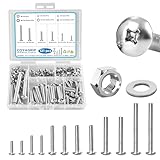
I remember staring at a pile of brake parts, fresh off a weekend of wrestling with a stubborn caliper. My mind was on the rotors, the pads, the fluid, but then I hit a snag. One of the caliper bracket mounting bolts felt… off. Too soft, too easy to twist. It got me thinking: are caliper bracket mounting bolts hardened, and does it actually matter?
Most folks just grab what’s in the kit or whatever looks vaguely correct at the auto parts store. I’ve been there, done that, and wasted money on parts that were clearly not up to snuff. The truth is, the devil’s in the details with brake components, and those little bolts are more important than you might think.
Let’s cut through the noise. We’re talking about safety here, and when it comes to stopping your car, you don’t want any compromises. So, are caliper bracket mounting bolts hardened? The short answer is: they damn well should be.
Why Those Little Bolts Are a Big Deal
Look, when you’re hammering on the brakes, especially in an emergency, there’s a colossal amount of force being applied. That force is transferred through the caliper, which clamps down on the rotor, and it all starts with how that caliper is attached to the steering knuckle or axle housing. The caliper bracket is the intermediary, and the bolts holding it in place are the linchpins.
If those bolts aren’t up to the task, you’ve got a recipe for disaster. I learned this the hard way on a beat-up old pickup truck. I was rebuilding the front brakes, figured I’d save a few bucks by reusing the old bracket bolts after a quick wire brush. Big mistake.
About a month later, I was driving home, hit a pothole, and felt a sickening clunk. The caliper had shifted, one bolt had snapped clean off, and the other was severely stretched. I limped home, heart pounding, and realized just how vital these seemingly minor components are. The whole setup was wobbling like a loose tooth.
It took me an entire Saturday to find replacements and redo the job properly, not to mention the scare I got.
So, when we ask, ‘are caliper bracket mounting bolts hardened?’, we’re really asking if they’re made of a material strong enough to withstand the constant stress, vibration, and immense clamping forces without deforming or breaking. Standard bolts, the kind you might find holding a shelf together, are usually made of mild steel. They’re fine for low-stress applications. Brake caliper bracket bolts, however, are subjected to a far more brutal environment. They experience shear forces (trying to cut them), tensile forces (trying to pull them apart), and torsional forces (trying to twist them), all while dealing with heat cycles and road shock.
The common advice is often to replace them whenever you do a brake job. This isn’t just a suggestion from the parts manufacturers looking to upsell you; it’s sound advice born from countless failures. Even if a bolt looks okay, it could have microscopic fatigue cracks or have been stretched beyond its elastic limit during previous use. Trying to reuse them is like playing Russian roulette with your braking system. The forces involved are significant. Think about it: the caliper is what stops your 4,000-pound (or more) vehicle from moving. That’s a lot of kinetic energy that needs to be dissipated, and those bolts are a important link in that energy transfer chain.
Furthermore, caliper bracket bolts are often subject to high-strength thread-locking compounds. When you tighten them down, especially to the torque specifications provided by the vehicle manufacturer, you’re applying serious pressure. If the bolt isn’t hardened, it can deform under that pressure, leading to inaccurate torque readings and a compromised connection. The material needs to have enough inherent strength to resist this deformation.
What to Look for: The Metallurgy of Stopping Power
When you’re shopping for replacement caliper bracket mounting bolts, you’ll notice they often come in different grades or classes. This is where the ‘hardened’ part comes in. For automotive applications, especially for safety-important components like brakes, you’re generally looking for bolts that meet specific strength standards. The most common grading system you’ll encounter is the SAE J429 standard for externally threaded metric fasteners. You’ll see markings like Grade 8 (SAE) or Class 10.9 (Metric). (See Also: Can I Buy A Full Auto Bolt Carrier )
A Grade 8 bolt, for example, is heat-treated and quenched to achieve a higher tensile strength and hardness than lower grades like Grade 5 or Grade 2. Similarly, a Class 10.9 metric bolt is significantly stronger than a Class 8.8 bolt. These higher grades indicate that the bolts have undergone a hardening process. This process typically involves heating the steel to a specific temperature and then rapidly cooling it (quenching), followed by tempering (reheating to a lower temperature and holding it there) to reduce brittleness and improve toughness. This combination of hardness and toughness is exactly what’s needed for brake caliper bracket bolts.
I once bought a cheap ‘universal’ brake hardware kit online for a friend’s car. It looked like a good deal, all shiny and new.
But when I went to torque down the caliper bracket bolts, they just kept turning. The torque wrench never clicked. They felt like they were stripping out the threads in the knuckle, but I knew the threads were good. I pulled out my trusty torque wrench and a known good bolt from another job.
The cheap bolts were significantly weaker; they were stretching and deforming instead of just seating. I ended up having to order proper OEM-style replacements, which cost me more in the long run due to the wasted time and the initial purchase. Lesson learned: don’t skimp on brake hardware, especially the bolts that hold your calipers.
Look for the markings. Grade 8 or 10.9 are your friends.
The visual cues are often subtle. Hardened bolts might have a slightly darker, more uniform finish compared to softer bolts, which can sometimes look a bit rougher or have a lighter sheen. However, you can’t rely on looks alone. The markings stamped onto the bolt head are your best indicator. For SAE bolts, it’s typically radial lines: Grade 2 has no lines, Grade 5 has three lines, and Grade 8 has six lines. Metric bolts will have numbers like 4.6, 8.8, 9.8, 10.9, or 12.9. Anything below 8.8 is generally not suitable for this application. Always check the vehicle manufacturer’s service manual for the specific grade or class recommended for your car or truck. That’s the ultimate authority.
Common Mistakes: The Sins of Omission and Commission
One of the biggest mistakes people make is thinking that because a bolt fits, it’s good enough. This is a dangerous assumption. As I mentioned, the material strength and heat treatment are most important. A bolt that’s the right size and thread pitch but made of soft steel will stretch and potentially fail under load. I’ve seen forums where people argue that any bolt of the correct size will do, claiming they’ve never had an issue. Frankly, that’s reckless advice. Those people are either incredibly lucky or haven’t pushed their brakes hard enough to expose the weakness. I’d rather not rely on luck when it comes to stopping my family.
Another common error is overtightening or undertightening. Brake caliper bracket bolts need to be torqued to specific values. Overtightening can strip the threads in the knuckle or the bolt itself, or even deform the bracket. Undertightening means the bracket isn’t held securely, leading to vibration, noise, and the potential for the bolts to loosen over time. This is where using a calibrated torque wrench is a must. And if you’re reusing bolts (which, again, I strongly advise against), you can’t accurately gauge the clamping force because the bolt’s yield strength might already be compromised.
People also sometimes forget about corrosion. If you live in an area with a lot of salt on the roads, or if your vehicle is regularly exposed to moisture, the bolts can rust. A rusty bolt can be difficult to remove, and if it breaks during removal, you’ve got a much bigger problem on your hands.
Cleaning the mounting surfaces and applying a thin layer of anti-seize compound (where appropriate, check your service manual) can help prevent future issues. However, the compound itself doesn’t make a weak bolt strong. It’s about proper maintenance and using the right materials from the start. (See Also: Are Mercruiser 5 7 Engines Four Bolt Mains )
I’ve seen mechanics use standard galvanized bolts in high-stress areas, thinking the zinc coating was enough protection. It’s not. The underlying steel needs to be solid. The coating is a secondary measure against corrosion, not a substitute for material integrity.
Finally, a subtle but important mistake is failing to properly clean the mating surfaces between the caliper bracket and the knuckle/spindle. Any dirt, debris, or old gasket material can create gaps, preventing the bracket from seating flush. This can lead to uneven pressure on the bolts and the bracket, potentially causing stress fractures or premature wear. A clean surface makes sure the forces are distributed evenly.
Real-World Use: When Things Go Wrong
I’ve witnessed firsthand what happens when the wrong bolts are used or when good bolts are neglected. My buddy, Kevin, decided to do his own brake job on his Subaru WRX. He’s a bit of a wrench-turner, but sometimes he gets impatient. He bought a cheap set of ‘performance’ brake pads and decided to reuse the caliper bracket bolts because they looked okay.
Fast forward six months and a few spirited drives later. He’s on the track, braking hard for a corner, and feels a violent shudder followed by a horrible grinding noise. One of the caliper bracket bolts had sheared off.
The caliper was hanging by a thread, gouging into the wheel. He was lucky it didn’t cause a complete brake failure and a crash.
The cost of the track day was peanuts compared to the potential injury and damage.
Another scenario I’ve encountered, particularly on older trucks and SUVs, is the ‘loosened bolt’ situation. This usually happens when bolts weren’t torqued correctly in the first place, or if they weren’t hardened and stretched under load, allowing them to back out over time due to vibration. The tell-tale sign is a rhythmic clicking or knocking sound when you turn, or a loose feeling in the steering. Sometimes you can even see the caliper shift slightly when you wiggle the wheel. This is a serious safety hazard, and the fix is usually just re-torquing everything to spec after verifying the bolts are still in good condition and haven’t stretched. If they have stretched, they must be replaced.
Then there are the times when the caliper bracket itself gets damaged. If a non-hardened bolt starts to stretch or deform, it can put uneven stress on the bracket. Over time, this can cause the bracket to crack, especially around the bolt holes. A cracked bracket is a more expensive repair than just a set of bolts, and it means the entire caliper assembly needs to be replaced. It’s a cascade effect. You try to save a few bucks on bolts, and you end up costing yourself hundreds. The material science behind these components isn’t just theory; it has very real, very immediate consequences on the road.
The heat generated by braking can also play a role. While the caliper bracket isn’t directly in contact with the friction surfaces, it’s still in a hot environment. Softer bolt materials can become more ductile (softer and more prone to stretching) at higher temperatures. Hardened bolts maintain their structural integrity better across a wider temperature range. This is particularly important for performance vehicles or those that are frequently driven in demanding conditions, like towing or mountain driving.
Practical Tips for Peace of Mind
Here’s the drill: whenever you’re doing brake work that involves removing the caliper bracket, replace the mounting bolts. It’s that simple. Don’t even think about reusing them. Buy them from a reputable auto parts store or, ideally, an OEM dealer. Make sure they are the correct size, thread pitch, and, most importantly, the correct strength grade. Look for Grade 8 or Class 10.9 markings on the head. (See Also: Can Am Merverick X3 Max Xrs Wheel Bolt Pattern )
When installing the new bolts, clean the threads in the knuckle or axle housing. A small wire brush or a dedicated thread chaser can work wonders. Chase the threads to remove any corrosion or debris that might prevent the bolt from seating properly. Then, apply a small amount of lubricant or anti-seize to the bolt threads (again, check your service manual – some applications require thread locker instead). This helps make sure you get an accurate torque reading and prevents future seizing.
Use a calibrated torque wrench. Seriously. Don’t guess. Don’t rely on ‘feel’. Look up the exact torque specification for your vehicle’s make, model, and year. It’s usually found in the vehicle’s service manual. Torque the bolts in the sequence specified by the manufacturer, usually in a crisscross pattern, to make sure even pressure. If the spec calls for a final angle tightening after a specific torque value, follow that precisely. This makes sure the bolt is pre-tensioned correctly without being overstressed.
I’ve found that having a set of high-quality impact sockets and a good breaker bar can be invaluable for removing stubborn bolts, but always finish the tightening with a torque wrench. And if a bolt does break during removal, don’t panic. There are techniques and tools for extracting broken bolts, but it’s a job that might be best left to a professional if you’re not comfortable with it. The goal is to prevent these headaches by using the right parts and procedures from the start.
Here’s a quick rundown of what to look for and what to avoid:
| Aspect | What to Look For | What to Avoid | Verdict |
|---|---|---|---|
| Bolt Grade/Class | SAE Grade 8 or Metric Class 10.9 (or higher) | Lower grades (e.g., Grade 5, Class 8.8), unmarked bolts | Important for safety and durability |
| Condition | New, clean, with visible head markings | Rusty, damaged, stripped, or re-used bolts | Always use new, hardened bolts |
| Lubrication/Thread Locker | As specified by manufacturer (anti-seize or thread locker) | Excessive amounts, or wrong type for the application | Makes sure proper torque and prevents loosening |
| Torque Application | Calibrated torque wrench, manufacturer’s specs | Impact gun for final tightening, guesswork, ‘snug-plus-a-quarter-turn’ | Key for correct clamping force |
Are Caliper Bracket Bolts the Same as Lug Nuts?
No, they are not the same at all. Lug nuts are designed to secure the wheel to the hub, and while they also experience significant forces, they are subject to different stresses than caliper bracket bolts. Caliper bracket bolts are tasked with holding the caliper bracket firmly to the suspension components, which is directly involved in the braking mechanism. They require a higher shear and tensile strength due to the direct clamping forces and vibrations experienced during braking.
Can I Use Regular Hardware Store Bolts for My Caliper Brackets?
It is strongly advised against using regular hardware store bolts for caliper bracket mounting. These bolts are typically made from lower-grade steel and are not hardened or heat-treated to the specifications required for safety-important automotive components like brakes. Using them can lead to bolt failure, deformation, and compromised braking performance, posing a significant safety risk.
How Do I Know If My Caliper Bracket Bolts Are Weakened?
You might notice signs like the bolts feeling soft or easy to twist when trying to torque them to spec, or if the torque wrench clicks at a much lower value than specified. Visually, they might show signs of stretching or deformation if removed. However, the most reliable way to know is to assume they are weakened if they have been used before and replace them proactively with new, hardened bolts of the correct grade (like SAE Grade 8 or Metric Class 10.9).
What Happens If a Caliper Bracket Bolt Breaks?
If a caliper bracket bolt breaks, especially while driving, it can lead to a severe loss of braking power on that wheel, or even a complete failure. The caliper could shift or detach, potentially causing damage to other vehicle components, like the brake line or the wheel. It’s a important safety failure that requires immediate attention and professional repair.
Final Thoughts
So, the bottom line is this: yes, your caliper bracket mounting bolts absolutely need to be hardened, and if you’re doing any brake work, you should be replacing them with new, appropriately graded hardware. I’ve seen too many near misses and heard too many horror stories from people who thought they could cut corners. It’s not worth the risk.
Don’t be the guy who blames the cheap parts when his brakes feel mushy or, worse, fail. Invest in the right bolts, torque them correctly, and give yourself the peace of mind that comes with knowing your car will stop when you need it to. It’s a small part of the overall brake system, but its role in safety is anything but small.
When you’re next looking at your brakes, take a moment to consider those unassuming bolts. They’re a silent guardian, and making sure they’re up to the task is a fundamental part of responsible vehicle ownership. Are caliper bracket mounting bolts hardened? They should be, and you should make sure they are.