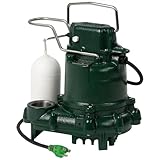
The basement floods. Again. That sinking feeling, the smell of damp concrete, the frantic grab for the wet-vac. We’ve all been there, or at least know someone who has. When that water starts creeping in, your sump pump isn’t just an appliance; it’s your last line of defense. So, when you’re staring at the options, and the Campbell Hausfeld name pops up, a practical question naturally arises: are Campbell Hausfeld sump pumps any good?
I’ve been knee-deep (literally) in basement water more times than I care to admit, and I’ve seen my fair share of pumps come and go. I’ve learned the hard way that a cheap pump can cost you a fortune in water damage, and a brand name doesn’t always guarantee reliability. Let’s cut through the noise and get down to brass tacks about these pumps.
The Campbell Hausfeld Reputation: What’s the Deal?
Look, Campbell Hausfeld is a name that’s been around the block, primarily known for their air compressors. They’ve got a reputation for making sturdy, no-nonsense tools. When they branched out into sump pumps, the expectation was that they’d bring that same ruggedness to keeping our basements dry. The big question on everyone’s mind, and the one I hear asked constantly, is whether they actually deliver on that promise when it comes to keeping water out. Are Campbell Hausfeld sump pumps any good? The short answer, from what I’ve seen and heard from others who’ve been in the trenches, is… it’s complicated, and it really depends on the specific model and your needs.
I remember eyeing a Campbell Hausfeld model a few years back. It was attractively priced, and I figured, ‘Hey, it’s Campbell Hausfeld, they know tools.’ I installed it myself, feeling pretty smug about saving a few bucks on labor.
For about a year, it chugged along fine. Then, during a torrential downpour that would make Noah think about building another boat, it gave up the ghost. Not a slow fade, mind you, but a sudden, sputtering death. Water started rising.
That’s when you learn that a ‘good enough’ pump is actually a terrible pump when you need it most. I ended up scrambling to find a replacement at 2 AM, which is never a fun shopping experience.
This experience taught me that while the brand name might carry weight in other areas, with sump pumps, you really have to dig into the specifics.
The market is flooded, pun intended, with sump pump options. Some brands are practically legendary for their longevity, while others seem designed to fail just after the warranty expires. Campbell Hausfeld seems to sit somewhere in the middle, depending on which product line you’re looking at. They often target the DIYer or the budget-conscious homeowner, which means you might get a decent pump for occasional minor issues, but perhaps not the heavy-duty, constant-duty workhorse that some basements demand. It’s like buying a compact car for off-roading; it might get you there on a good day, but it’s not built for the rough stuff.
When I talk to folks, the sentiment is often, “They’re okay, but not amazing.” You’ll find plenty of reviews singing their praises for basic functionality, and then a good chunk of reviews detailing premature failure. This inconsistency is what makes giving a blanket ‘yes’ or ‘no’ so difficult. It’s a gamble, and honestly, when it comes to basement flooding, I prefer to minimize the risk. The common advice to ‘buy the cheapest you can find’ is, in my opinion, dead wrong. The cost of water damage far outweighs the upfront savings on a pump that might conk out when you need it most.
What to Look for: Beyond the Brand Name
Okay, so you’re not going to just grab any old pump based on a name. What should you actually be looking for? This is where the rubber meets the road, or rather, where the water gets pumped out.
First off, let’s talk horsepower. It sounds fancy, but it’s actually a pretty straightforward indicator of how much water the pump can move and how strong its motor is. For most standard homes, a 1/3 horsepower pump is often sufficient. However, if you have a larger basement, a history of significant flooding, or a lot of groundwater, you might want to step up to a 1/2 horsepower or even a 3/4 horsepower pump.
Campbell Hausfeld offers various horsepower options, so this is a good place to start comparing.
Next, consider the material. Most submersible sump pumps are made of either cast iron or thermoplastic. (See Also: Are Pumpkin Seed Husks Edible )
Cast iron pumps are generally considered more durable and better at handling heat, which can be an issue if the pump runs for extended periods. Thermoplastic pumps are lighter, less expensive, and resistant to corrosion, but they can be more prone to cracking if they overheat or are subjected to impact.
I’ve personally had a cast iron pump last me well over a decade, while a plastic one I tried gave out after about four years. For a important piece of equipment like a sump pump, I lean towards cast iron for that extra peace of mind, even if it means a slightly higher upfront cost.
Campbell Hausfeld does offer both, so it’s a factor to weigh.
The discharge size is another detail that’s often overlooked. Most pumps will have a 1-1/2 inch or 2-inch discharge outlet. Make sure this matches your existing plumbing or the pipe you intend to use. A mismatch can lead to reduced flow rate and efficiency.
Also, think about the switch type. There are tethered float switches, vertical float switches, and electronic switches. Vertical float switches are generally preferred for smaller sumps because they take up less space and are less likely to get caught on debris. Tethered switches are good for larger sumps.
Electronic switches are more advanced but can sometimes be more sensitive to power surges or low water levels. Many of the Campbell Hausfeld models I’ve seen come with tethered or vertical float switches, which are pretty standard.
Finally, and this is a must for me, check the warranty. A good sump pump should come with at least a 1-year warranty, but longer is always better. Some high-end models offer 3, 5, or even 10-year warranties. This tells you something about the manufacturer’s confidence in their product. If a company is only offering a 90-day warranty on a pump that’s supposed to protect your home, that’s a red flag.
Campbell Hausfeld Sump Pump Comparison Table (my Opinion)
| Model/Type | Horsepower | Typical Material | Switch Type | My Verdict |
|---|---|---|---|---|
| Campbell Hausfeld Submersible (Basic) | 1/3 HP | Thermoplastic | Tethered Float |
Okay for small homes or as a backup. Might not handle heavy-duty use long-term. Good for preventing minor dampness, not major floods. |
| Campbell Hausfeld Submersible (Heavy Duty) | 1/2 HP or 3/4 HP | Cast Iron | Vertical Float |
Better for more demanding situations. Cast iron adds durability. Still, keep an eye on reviews for specific model reliability. |
| Campbell Hausfeld Thermoplastic Utility Pump | 1/4 HP – 1/2 HP | Thermoplastic | N/A (runs when submerged) |
Best for draining pools, hot tubs, or flooded areas temporarily. Not designed for continuous sump pit duty. Easy to use for quick jobs. |
Common Mistakes People Make (and How to Avoid Them)
You’d think a sump pump is pretty simple: stick it in a hole, plug it in, and it works. But I’ve seen people mess this up in ways that are almost comical, if it weren’t for the looming threat of water damage.
One of the biggest mistakes is buying a pump that’s simply too small for the job. People see the lowest price tag and grab the smallest horsepower they can find. This is a recipe for disaster. If your basement is prone to serious flooding, a weak pump will struggle, run constantly, overheat, and ultimately fail. (See Also: Are Pumpkin Seed Acid Or Alkaline )
It’s like trying to bail out a sinking ship with a teacup. I’ve seen this happen where the pump runs itself to death in a single heavy rain event because it just couldn’t keep up with the inflow.
Another common blunder is improper installation. This isn’t just about whether it fits in the pit.
You need to make sure the float switch has enough clearance to operate freely. If the float gets stuck against the wall or debris, the pump won’t turn on, or it won’t turn off. I once helped a neighbor who swore his new pump was a lemon.
Turns out, the float switch was snagged on a stray piece of pipe insulation. A simple adjustment, and it worked perfectly. Also, make sure the discharge pipe is routed correctly, with a downward slope away from your foundation, and that it doesn’t have any kinks or blockages.
A kinked pipe is like putting your finger over the end of a garden hose – it chokes the flow.
People also tend to neglect maintenance. Sump pumps aren’t “set it and forget it” devices, especially if you live in an area with heavy sediment or debris in the water. The pit needs to be cleaned out periodically to prevent debris from clogging the impeller or jamming the float switch. Many manufacturers, including Campbell Hausfeld, recommend checking the pump and pit every few months. I try to do a quick check after any significant rainfall or at least twice a year. Just pull the pump out, clear out any muck, and make sure the float moves freely. It takes maybe 15 minutes and can save you a world of hurt.
Finally, and this is a big one, people often don’t have a backup plan. What happens if your primary pump fails? Or if the power goes out during a storm? Relying on a single pump, especially one that might be on the pricier side for repairs or replacement, is a gamble. Many people just assume the power will stay on. That’s a dangerous assumption. A battery backup sump pump system or even a water-powered backup pump is a worthwhile investment for peace of mind. It’s cheaper than dealing with a flooded basement and damaged belongings.
Real-World Performance: Do They Hold Up?
So, how do Campbell Hausfeld sump pumps actually perform when the water starts to rise? Based on a lot of anecdotal evidence and the reviews I’ve sifted through over the years, their performance is a bit of a mixed bag, and frankly, that’s being generous. For light-duty tasks – think occasional minor dampness in the pit, or a basement that only gets a bit soggy after a really prolonged storm – some of their models seem to do an adequate job. They might have enough horsepower to move a reasonable amount of water and keep the pit from overflowing.
However, when it comes to consistent, heavy-duty use, or those sudden, severe flooding events, that’s where the complaints start to pile up. Users report pumps that overheat quickly, motors that burn out prematurely, and float switches that fail. I’ve heard from homeowners who installed a Campbell Hausfeld pump, only to have it fail within the first year or two, sometimes even within months, during a storm that wasn’t even that severe. This is the core of the question: are Campbell Hausfeld sump pumps any good? For the occasional dribble, maybe. For the serious flood, it’s a gamble you might not want to take.
The issue often comes down to the components used. While they might brand themselves with a name associated with durability, the actual internal parts might not be built to the same standard as pumps from companies that specialize in water management. It’s a bit like buying a sports car with a truck engine – it might work, but it’s not optimized for performance. The thermoplastic models, especially, seem to be the ones that get the most criticism for not standing up to prolonged use or stress. The cast iron versions tend to fare a bit better, but even then, you’re not always seeing the same longevity as pumps from dedicated sump pump manufacturers.
It’s worth noting that Campbell Hausfeld does offer a range of pumps, and not all of them will be created equal. Their utility pumps, which are designed for more temporary draining tasks like emptying a pool or a flooded floor, are generally well-regarded for what they are. But when you’re talking about a primary sump pump that’s supposed to operate automatically and reliably for years, the track record for their submersible models gets shaky. If you’re looking at one, I’d strongly advise checking recent reviews for that specific model number. Don’t just rely on the brand name; look for real-world experiences, especially from people who have had the pump for a few years.
Practical Tips for Longevity and Peace of Mind
Even if you decide to go with a Campbell Hausfeld sump pump, or any sump pump for that matter, there are things you can do to maximize its lifespan and your own peace of mind. First, and I cannot stress this enough, is proper installation. I’ve said it before, but it bears repeating: make sure the float switch has a clear path to move up and down without obstruction. If it’s a tethered float, make sure the tether is long enough for the pump to cycle properly but not so long that it drags on the bottom and picks up sediment. For vertical float switches, make sure the pit is wide enough so the switch doesn’t rub against the sides. (See Also: Are Organic Pumpkin Seeds From China Bad )
Second, clean the sump pit regularly. I aim for twice a year, usually in the spring and fall. This prevents sediment, sand, and other debris from building up. This gunk can clog the impeller, which is the part of the pump that actually moves the water. A clogged impeller means a weak pump, or no pump at all. You can usually just lift the pump out and clear the debris by hand. If you have a lot of silt, you might need a wet-vac to get the pit really clean. I find wearing rubber gloves and using an old bucket to scoop out the muck works well enough for me. It’s a dirty job, but necessary.
Third, test your pump. Don’t wait for a flood. Once a month, pour a bucket of water into the sump pit to trigger the float switch. Watch and listen to make sure the pump turns on, pumps the water out, and then turns off. This is a quick and easy way to confirm it’s working. If it sounds rough, or doesn’t turn on, you know you have a problem that needs addressing before the next big rain. This simple test has saved me from potential disaster more than once. You can hear the motor strain or stop entirely if something’s wrong.
Fourth, consider a battery backup system. This is perhaps the single best piece of advice I can give anyone with a basement.
Power outages often happen during storms when you need your sump pump the most. A battery backup uses a deep-cycle battery (similar to what’s in your car but designed for longer, slower discharge) to power the pump if the main power goes out. Some systems even have a secondary pump.
It’s an added cost, sure, but the cost of replacing water-damaged furniture, flooring, and potentially structural elements is exponentially higher. I’ve seen systems that can run for 24-48 hours on a single charge, which is usually more than enough time to get power restored or to get the main pump repaired.
Faq: Your Sump Pump Questions Answered
Are Campbell Hausfeld Sump Pumps Reliable?
Reliability can be inconsistent. While some users report good performance, others experience premature failures, especially under heavy use. It’s not a brand known for top-tier, long-term reliability in this specific product category compared to brands specializing solely in pumps.
What Horsepower Sump Pump Do I Need?
For most homes, a 1/3 horsepower pump is sufficient. If you have a larger basement, experience frequent or severe flooding, or have heavy groundwater, consider a 1/2 or 3/4 horsepower model for greater pumping capacity and motor strength.
How Often Should I Test My Sump Pump?
You should test your sump pump at least once a month. Pour a bucket of water into the sump pit to activate the float switch and make sure the pump turns on, pumps the water out effectively, and then shuts off properly.
What Is the Best Material for a Sump Pump?
Cast iron pumps are generally considered more durable and better at dissipating heat, making them suitable for longer run times. Thermoplastic pumps are lighter and less expensive but can be more prone to damage if they overheat or are impacted.
Do I Need a Battery Backup for My Sump Pump?
Yes, a battery backup is highly recommended, especially if you live in an area prone to power outages during storms. It makes sure your basement stays dry even when the main power is out, preventing potential water damage and saving you significant repair costs.
Final Verdict
So, to circle back to the burning question: are Campbell Hausfeld sump pumps any good? My honest take is that they can be a decent option if your needs are modest and you’re prepared for the possibility of a shorter lifespan or the need for a backup. They often hit a sweet spot for price, which is appealing. However, if you’re facing consistent basement flooding or live in an area with a high water table, I’d advise looking at brands that have a more proven, consistent track record specifically for sump pump longevity and performance. Don’t skimp on protecting your home.
The key takeaway is that a sump pump is a important piece of home infrastructure. It’s not the place to cut corners if you want to avoid costly water damage and the sheer misery of a flooded basement. While Campbell Hausfeld might offer value in other tool categories, for a device that’s your last line of defense against the elements, it pays to do your homework and understand the real-world performance.
Before you buy any sump pump, including a Campbell Hausfeld, I always recommend checking the latest reviews for that specific model, understanding the warranty, and most importantly, having a solid backup plan in place, whether it’s a battery backup system or a secondary pump. Your basement – and your wallet – will thank you.