I learned this the hard way, lugging a suitcase full of gear across the border only to find my trusty hair dryer was about as useful as a chocolate teapot. I’d always just assumed, you know? Canada, America, close neighbors, same continent. What could be different about a simple wall socket? Turns out, quite a bit. The question ‘are Canadian and American electrical outlets the same’ popped into my head with the force of a lightning strike the moment I plugged in my phone charger and got… nothing. Just a dead brick. It’s a small thing, but it can ruin your morning or your entire trip if you’re not prepared.
This isn’t some obscure technicality. It’s a practical, real-world issue that trips up a lot of people, myself included. Forget fancy gadgets; even the most basic electronics can be rendered useless by this seemingly minor difference. So, let’s cut to the chase and figure out what’s what.
So, Are Canadian and American Electrical Outlets the Same? Not Exactly.
Alright, let’s get this out of the way upfront: Canadian and American electrical outlets are fundamentally the same in terms of plug type and voltage, but there are some nuances that are super important to understand if you’re traveling or buying electronics. When people ask ‘are Canadian and American electrical outlets the same,’ the immediate answer is usually yes, they look identical and most plugs will fit. This is thanks to North American electrical standards. Both countries predominantly use Type A and Type B plugs, which are the ones with two flat parallel pins, and sometimes a third round grounding pin.
This is why your laptop charger, your phone charger, and most common electronics from the US will happily slot into a Canadian wall socket, and vice versa. It’s a huge convenience, and honestly, it’s why I never gave it a second thought until that fateful trip.
The voltage is also generally the same across both countries: 120 volts. This is significantly lower than in Europe or many other parts of the world, where you’ll commonly find 220-240 volts. So, if your device is rated for 100-240V (which most modern electronics like phone chargers and laptops are), it will work fine in terms of voltage in both Canada and the US. The real kicker, the thing that can cause problems, isn’t usually the voltage or the physical fit of the plug, but rather the specific wiring and grounding standards, and in rarer cases, the frequency.
The standard frequency in North America is 60 Hz (Hertz), compared to 50 Hz in most of Europe and other regions. While most modern electronics are designed to handle either frequency without issue, some older or very specific appliances, particularly those with motors like blenders or hair dryers, might behave slightly differently or even overheat if used on the wrong frequency. Most travel adapters and converters are designed to handle this, but it’s something to be aware of, especially if you’re bringing older appliances.
The physical socket itself, the NEMA 5-15 receptacle, is identical in both countries. So, you can physically plug a standard US plug into a standard Canadian outlet and vice versa, and the voltage is the same. The common advice is that they are the same, and for most everyday electronics, this is true enough to get by. But there are always those edge cases, and those edge cases are where you can end up with a fried appliance or a circuit breaker that trips.
The Devil’s in the Details: What to Actually Look For
Okay, so they look the same and the voltage is the same, but I’ve seen and experienced enough to know that simply saying ‘they’re the same’ is a dangerous oversimplification. The real difference isn’t in the outlet shape itself, but in the subtle regulatory and safety standards that underpin them. For the most part, the common North American plug (Type A/B) and outlet (NEMA 5-15) are indeed interchangeable between Canada and the US. This is why you can buy a toaster in New York and plug it into a wall in Toronto without any issue. Your phone charger, your laptop, your curling iron – these are almost always designed with a wide voltage range (100-240V) and frequency tolerance (50/60Hz) that makes them universally usable across North America.
However, there’s a distinction to be made when you’re talking about the standards that govern these outlets. Canada’s electrical code is governed by the Canadian Electrical Code (CEC), and the US uses the National Electrical Code (NEC). While they are harmonized in many areas and aim for similar safety outcomes, there can be minor differences in installation practices, wiring methods, and even the specific requirements for grounding. For the average consumer plugging in their everyday electronics, these differences are usually negligible. The physical plug will fit, and the voltage will be correct. But if you’re dealing with high-power appliances or specialized equipment, or if you’re an electrician, these nuances matter.
One area where you might see a difference, though it’s becoming less common with modern devices, is in the quality of the outlets. Older buildings in both countries might have outlets that are more worn or less solid. This can lead to loose connections, which is a safety hazard. My first apartment in Chicago had an outlet that felt like the plug just wiggled around in there. (See Also: Are American Outlets Ac Or Dc )
I ended up calling an electrician because I was worried about it overheating. Turns out, it was just a cheap, old outlet that needed replacing.
The same could happen anywhere. When you’re abroad, especially in older accommodations, it’s always a good idea to give the outlet a quick visual check. Look for any signs of scorching, loose-fitting plugs, or cracked plastic.
If anything seems off, err on the side of caution and use an adapter if possible, or avoid using that specific outlet for high-draw appliances.
My Own Dumb Mistake and What I Learned
So, here’s my personal facepalm moment. I was heading up to Montreal for a long weekend, excited to explore. I packed my usual tech: phone, laptop, a portable battery charger, my camera gear, and of course, my trusty hairdryer. I’d bought this hairdryer a few months prior, a fancy model that promised salon-quality results. It wasn’t cheap, maybe around $150, and I loved how quickly it dried my hair.
Upon arrival at my Airbnb, I unpacked, got ready to do my hair, and plugged it in. Nothing. I tried another outlet. Still nothing. I checked the plug, thinking maybe it wasn’t seated correctly. Nope. Then I tried my phone charger – that worked fine. My laptop charger? Worked fine. My heart sank. I rummaged through my bag, desperately hoping I’d packed some obscure adapter I’d forgotten about, but no luck. I ended up having to trek to a drugstore and buy a basic, cheap hairdryer that barely got my hair past damp. It was infuriating!
Later, back home, I was looking at the hairdryer’s plug and then at the outlet, and it hit me. While the prongs looked identical, there was a subtle difference in the thickness or spacing of the neutral pin on my fancy hairdryer that made it not sit quite right in the Canadian outlet, even though it physically fit.
Or, more likely, it was a combination of a slightly different internal contact point on the outlet and the hairdryer’s plug design. It wasn’t a voltage issue; it was a physical incompatibility that I’d never encountered because I’d only ever used it in the US. Most people will tell you ‘they’re the same,’ and for 90% of your gadgets, they are. But that 10% can be a real pain.
Lesson learned: always check your specific appliances, especially high-wattage ones or older electronics. Don’t just assume.
Common Mistakes and What to Watch Out For
The biggest mistake people make, myself included, is the assumption that because Canadian and American outlets look identical and operate at the same voltage (120V), they are completely interchangeable for all devices. This is mostly true, but it’s the exceptions that cause the headaches. One common scenario is bringing a device that requires a perfect fit. While most plugs slide in, some might have slightly different tolerances or pin designs that, when paired with a particular outlet, don’t make a solid connection. This can result in the device not working at all, or worse, a flickering connection that could potentially damage the device or the outlet over time. (See Also: Are All Power Outlets Ac )
Another mistake is not considering the amperage. While outlets are rated for 15 amps, some high-power devices might draw more, especially older ones. If you’re plugging in something like a powerful space heater or an old-school electric kettle, you’re more likely to trip a breaker. This isn’t strictly a US vs.
Canada thing, but it’s a general electrical safety point that people often overlook when they’re just trying to get power to their device quickly. In North America, the standard outlet is the NEMA 5-15, which is rated for 15 amps. If you need more, you’d typically look for a NEMA 5-20 outlet, which has one slot slightly wider and can handle 20 amps, but these are less common in residential settings. Most travel adapters are designed for standard 15-amp outlets.
People also often forget about the frequency difference, though it’s less of an issue with modern electronics. As mentioned, North America uses 60 Hz. If you bring an appliance designed specifically for 50 Hz (common in Europe) and try to use it on 60 Hz without a proper converter, it might run faster, overheat, or not function correctly. This is particularly true for devices with motors.
Most travel adapters are step-down transformers or converters, but you need to make sure they are designed for both voltage and frequency if you’re coming from outside North America. For US to Canada or Canada to US travel, this frequency issue is usually a non-factor, as both are 60 Hz. The real trap is often thinking a device designed for, say, 220V in the UK will work in North America just by plugging it in – it won’t without a voltage converter, and the plug won’t fit without an adapter.
The question of ‘are Canadian and American electrical outlets the same’ needs this layer of nuance: physically yes, electrically and in terms of standards, mostly yes, but always check your device’s requirements.
| Device Type | Likelihood of Issue (US <-> Canada) | Reason | Verdict |
|---|---|---|---|
| Smartphone Charger | Very Low | Designed for 100-240V, 50/60Hz. Universal. | Plug and play. |
| Laptop Charger | Very Low | Designed for 100-240V, 50/60Hz. Universal. | Plug and play. |
| Hair Dryer (Modern) | Low | Most are 120V, but some high-wattage models might have slightly different plug designs or be less tolerant of minor outlet variations. | Generally fine, but check plug fit. |
| Hair Dryer (Older/Very High Power) | Medium | May not be dual-voltage or frequency compatible. Plug fit can be an issue. Could draw too much amperage. | Use caution; might need a converter/adapter. |
| Small Kitchen Appliances (Toaster, Blender) | Low | Typically 120V and 60Hz. | Should work. |
| High-Wattage Appliances (Space Heater, Electric Kettle) | Medium | Risk of tripping breakers if drawing too much current. Make sure outlet is solid. | Monitor usage; avoid older/worn outlets. |
Practical Tips for Peace of Mind
Look, I’m all about making life easier, and dealing with electrical outlets shouldn’t be a major stressor. Since the core question is ‘are Canadian and American electrical outlets the same,’ and the answer is mostly yes but with caveats, here’s what I do to avoid my hairdryer-in-Montreal fiasco ever again. First, before any trip, I do a quick check of my key electronics. I look at the power brick or the label on the device itself. It usually says something like ‘INPUT: 100-240V ~ 50/60Hz’. If it has this range, you’re golden for voltage and frequency in North America. Your standard US plug will work in Canada, and vice versa.
For devices that are only rated for 120V (which is less common now for portable electronics), you still don’t need a voltage converter for a US-to-Canada trip, as the voltage is the same. What you might need is a plug adapter if the physical plug itself is somehow different, though this is rare between the US and Canada for standard devices. The real need for plug adapters and voltage converters comes when you’re traveling to regions with different voltage and plug types, like Europe or Asia. For US-Canada travel, the primary concern is usually just making sure the plug makes a good, secure connection.
If you’re particularly worried or bringing older, high-wattage appliances, a good quality universal travel adapter kit is a worthwhile investment. Make sure it specifies compatibility with North American outlets and includes surge protection.
Some even come with built-in USB ports, which is handy. I’ve found that spending about $20-30 on a decent adapter set has saved me a lot of hassle and potential damage to my gear over the years. It’s better to have it and not need it than to need it and not have it. Always read the fine print on your devices and any adapters you buy. (See Also: Are Arc Trip Outlets Required In Hillsborough County )
Trust me, a few minutes of checking can save you a lot of headaches and the cost of replacing a fried appliance.
Are Canadian and American Electrical Plugs the Same?
Yes, Canadian and American electrical plugs are largely the same. Both countries predominantly use Type A (two flat parallel pins) and Type B (two flat parallel pins and a round grounding pin) plugs. This means that standard plugs from the US will fit into Canadian outlets and vice versa. The physical compatibility is very high.
Can I Use My Us Hair Dryer in Canada?
In most cases, yes. Most modern hair dryers are designed to operate on 120V and are dual-voltage compatible, meaning they can handle the 60 Hz frequency used in both countries. However, for very high-wattage or older models, check the label to make sure it’s compatible. Some older or specialized plugs might have a slightly different pin configuration that causes a poor connection, so a visual check is wise.
Do I Need a Voltage Converter for Canada If I’m From the Us?
No, you do not need a voltage converter. Both the United States and Canada operate on a standard electrical voltage of 120 volts. This is significantly lower than in many other parts of the world, so your US electronics will work fine in Canada without any voltage conversion. The frequency is also the same at 60 Hz.
What If My Device Says 110v or 127v?
The standard voltage in North America is officially 120V, but actual voltage can fluctuate slightly and is often referred to as 110V or sometimes 115V or 127V depending on the region and source. Modern electronics rated for 100-240V will easily accommodate these minor variations. If your device is only rated for exactly 110V, it might run slightly hotter or less efficiently on a 120V outlet, but it’s unlikely to cause immediate damage for short-term use, especially for low-power devices.
What Is a Nema 5-15 Outlet?
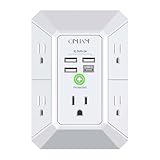
A NEMA 5-15 is the standard electrical outlet found in most homes and buildings in North America, including both the US and Canada. It’s designed to accept Type A and Type B plugs and is rated for a maximum of 15 amps. You’ll recognize it by its two vertical slots and, if it’s grounded, a round hole below them for the third pin.
Verdict
So, to circle back to the original question: are Canadian and American electrical outlets the same? For the vast majority of everyday electronics and for practical purposes when traveling between the two countries, the answer is a resounding yes. Your phone, your laptop, your common chargers will work without a hitch, and you won’t need any adapters or converters.
However, it’s the exceptions that matter. Older appliances, high-wattage devices, or those with very specific plug designs could present a minor issue. It’s not about voltage or frequency differences between the two countries themselves, but more about the subtle variations in manufacturing and how well a specific plug mates with a specific outlet. My own hairdryer saga is a testament to that. The core takeaway is to give your devices a quick once-over and know what you’re packing.
Don’t let this stop you from traveling or connecting your gear, but a little bit of foresight goes a long way. A quick check of your device’s input rating and a visual inspection of any plugs can save you from a frustrating experience. When in doubt, a good universal adapter is a cheap insurance policy.