I remember lugging a brand-new, fancy hair dryer all the way from a trip to Toronto, only to plug it in at my hotel in Chicago and… nothing. Not a flicker. Just a dead weight in my suitcase. It’s one of those moments where you realize the world isn’t as uniform as you’d like to think. So, if you’re planning a trip or moving between the two countries, or even just buying electronics online, the question of ‘are Canadian and US outlets the same?’ is a legitimate one. It’s not just about convenience; it’s about preventing fried electronics and potential safety hazards.
The simple answer, thankfully for most travelers, is usually yes. But there are nuances, and ignoring them can lead to that “nothing happens” moment I experienced, or worse.
The Nitty-Gritty: Voltage, Plugs, and What It All Means
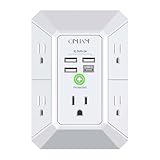
Let’s get this out of the way first: the most common plug type in both Canada and the United States is the Type A plug, featuring two flat parallel pins. This is the standard for most household appliances and electronics you’ll find on either side of the border.
So, that charger for your phone, your laptop, or your basic lamp? It’s going to fit into an outlet in both countries without needing any adapters.
This is why, for the most part, people assume they are interchangeable. And for the vast majority of low-power devices, they are. The voltage is also the same, typically 120V.
This is a huge relief when you’re packing for a trip, as you don’t have to worry about a toaster burning up or a blender sputtering to a halt just because you crossed an imaginary line on a map.
However, the devil is in the details, and the details are in the type of outlet and any variations that might exist. While the standard is the same, you might encounter older buildings or specific installations that deviate. Also, while plug shapes might be identical, the quality of the outlets themselves can vary. I once stayed in a rental where the outlets felt so loose, my phone charger would wiggle out if I breathed on it. It made me think about the internal construction and safety standards. While officially harmonized on the North American standard, sometimes individual manufacturing or installation quality can be the real differentiator. (See Also: Are American Outlets Ac Or Dc )
The physical dimensions of the slots in the outlet are standardized for Type A and Type B (which adds a grounding pin), but the internal spring tension and contact points can differ slightly between manufacturers. This is usually not an issue for standard plugs, but it’s worth noting if you have a particularly old or unusually shaped plug. The most common mistake people make is assuming all outlets are identical and all plugs are safe to use everywhere. It’s a good rule of thumb to check if your plug feels secure. If it’s loose, it’s a potential fire hazard and a sign of a worn-out outlet.
When you’re thinking about what to pack, the biggest concern usually isn’t whether the plug will fit, but whether the device will be damaged by a voltage difference. Thankfully, Canada and the US operate on the same primary voltage of 120 volts.
This is a significant advantage compared to, say, traveling to Europe where voltages are typically 220-240V. For most modern electronics, especially chargers for phones, laptops, and cameras, they are often dual-voltage (meaning they can handle 100-240V). You can usually find this information on the small label printed on the charger itself.
If it lists a range, you’re good to go. If it only lists 120V, then you absolutely need a voltage converter if you were traveling to a higher voltage country, but not between Canada and the US.
What If a Plug Feels Loose?
If a plug feels loose in an outlet in either country, don’t force it. It indicates a worn or improperly installed outlet. Try a different outlet or, if you’re at home, consider getting the outlet replaced by a qualified electrician. Loose connections are a fire hazard.
Beyond the Standard Plug: What to Actually Look For
While the common Type A and Type B plugs are the same, the real differences can pop up when you’re dealing with specialized equipment or older infrastructure. Most modern electronics, from your smartphone charger to your gaming console, are designed with the North American standard in mind. They’ll have two flat pins or two flat pins with a round grounding pin. These are compatible across both countries. The key thing to remember is that the design of the plug and the voltage are the primary concerns for everyday electronics. If your device’s plug looks like the ones you see in the US, it’s going to fit in a Canadian outlet, and vice versa, for standard plugs. (See Also: Are All Power Outlets Ac )
However, it’s not just about the physical fit. Think about things like dedicated circuits or older, less solid outlet designs. While the standard is harmonized, local building codes and the age of the wiring can sometimes lead to subtle variations in performance. For example, a high-wattage appliance might draw more power than an older outlet can comfortably provide, leading to overheating or tripping breakers, regardless of whether you’re in Canada or the US.
This is less about the countries themselves and more about the electrical infrastructure of a specific building. I learned this the hard way when I tried to run a high-power kitchen appliance in a very old apartment and kept blowing fuses.
The plugs fit, but the wiring just couldn’t handle it.
When you’re buying electronics, especially from online marketplaces, pay attention to the product description. Sometimes, a product might be listed as “US standard” or “international voltage,” but if it’s specifically for North America, it’s usually safe. The real danger comes with devices that are only designed for a specific voltage range and don’t have the dual-voltage capability.
For example, some older hair dryers or curling irons might be 120V only. If you plug one of those into a higher voltage socket (not an issue between Canada and US, but relevant if you were traveling elsewhere), it would fry instantly.
But within Canada and the US, the 120V standard means you generally don’t need a voltage converter for these common devices. My first international trip was a disaster because I assumed my hair dryer was universal; it wasn’t. So, I learned to check that little label religiously. (See Also: Are Arc Trip Outlets Required In Hillsborough County )
Here’s a quick table to illustrate the main similarities and potential differences:
| Feature | Canada | United States | Verdict |
|---|---|---|---|
| Common Plug Type | Type A (2-prong), Type B (3-prong) | Type A (2-prong), Type B (3-prong) | Identical |
| Standard Voltage | 120V | 120V | Identical |
| Frequency | 60 Hz | 60 Hz | Identical |
| Outlet Quality/Wear | Varies by installation | Varies by installation | Potential difference, not country-specific |
| Specialized Outlets (e.g., RVs, industrial) | May have specific types | May have specific types | Country-specific, requires research |
The key takeaway is that for the vast majority of everyday items, you won’t face compatibility issues. The real risks arise from older, non-dual-voltage appliances or situations where outlet infrastructure is subpar, which can happen anywhere.
Common Mistakes and What to Avoid
The biggest mistake people make when asking if are Canadian and US outlets the same is assuming the answer is a universal ‘yes’ without considering exceptions. This often leads to people buying electronics that might be designed for a different voltage or frequency, though this is less common between Canada and the US specifically because they share the same standard. The real pitfalls are usually related to the quality of the outlet and the power draw of the device. For instance, trying to run a high-wattage appliance like a powerful hair dryer or a portable heater in an older outlet that’s already a bit loose or worn can be a problem.
The plug might fit, but the connection won’t be secure, leading to poor current flow, overheating, and potentially a fire hazard. I’ve seen extension cords get worryingly warm in these situations.
It’s not about the country, it’s about the condition of the electrical point.
Another mistake is not checking the labels on your electronics. While most modern chargers for phones and laptops are dual-voltage (supporting 100-240V), some older or specialized appliances might not be. If you were to take a 120V-only appliance into a 240V country, it would likely burn out instantly. Fortunately, this isn’t a concern between Canada and the US since they both use 120V. However, it’s still good practice to glance at the label. I once bought a cheap electric kettle that was 120V only, and I almost made the mistake of plugging it into a European adapter without a converter. Luckily, I checked the label right before plugging it in.
Verdict
People also sometimes overlook the grounding pin. While Type A plugs (two flat pins) are common in both countries, Type B plugs (two flat pins plus a round grounding pin) are also standard. Most devices with a three-prong plug will work fine in a three-hole outlet in either country. However, if you’re in a situation where you have a grounded device but only ungrounded outlets (which are less common now but still exist in older buildings), you might need to consider safety implications or use a proper adapter that doesn’t bypass the grounding. Forgetting to consider this when dealing with higher-power appliances or sensitive electronics could be a mistake.
Finally, relying solely on appearance is risky. While a plug might look like it fits, slight variations in pin thickness or shape can occur with non-certified or generic plugs and outlets. This is rare for major brands but can happen with cheap, unbranded electronics. A plug that’s too loose can arc, and one that’s too tight can damage the outlet or the plug itself. Always make sure a snug, secure fit. If it feels like you’re forcing it, stop.