I remember the first time I packed for a trip to Canada with a suitcase full of my favorite hair dryer and laptop charger. Plugged them in, and… nothing. Just that sickening silence that means you’ve brought the wrong gear. It’s a rookie mistake, and one I’ve seen friends make too. So, let’s cut to the chase: are Canadian outlets the same as us? The short answer is mostly yes, but there’s a tiny detail that can cause major headaches if you’re not prepared.
This isn’t about some complex electrical engineering marvel; it’s about understanding a simple physical difference that trips people up. We’re talking about plugs and sockets, the mundane but vital connectors of our digital lives and morning routines.
The Physical Plug-in: It Looks Familiar, Right?
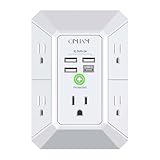
So, you’re standing there, holding a plug from your trusty American toaster or that fancy new gadget you just bought. You look at a Canadian wall socket. They look… identical. Seriously, the Type A plug, the one with two flat parallel pins, is king in both countries. And the Type B, which adds a round ground pin, is also common in both. This is where the initial confusion starts, because visually, they’re practically twins. Most common electronics from the US will physically slot right into a Canadian outlet without any drama.
I’ve had conversations with people who swear up and down they’ve traveled between the US and Canada countless times with zero adapter issues. And they’re not wrong! For a huge chunk of our everyday electronics – think phone chargers, laptop power bricks, hair dryers, and even some kitchen appliances – the plug will go in, and the power will flow. This is because both countries largely adhere to the same North American electrical standards for these common plug types. The voltage is also generally the same (around 120V), which is another big win for compatibility. So, when someone asks me, ‘are Canadian outlets the same as us?’, my first thought is usually ‘yes, for most things’.
However, this visual similarity can lull you into a false sense of security. It’s like looking at two cars that look almost identical from a distance, only to find out one has a slightly different engine size or a manual transmission when you expected automatic. The devil, as always, is in the details, and with electrical outlets, those details can mean the difference between a fully charged phone and a useless brick.
I learned this the hard way when I was trying to use a slightly older, but perfectly functional, electric toothbrush charger. It had that classic two-prong plug. I plugged it into a wall in my Airbnb in Toronto, expecting it to charge. It went in fine. I left it overnight. The next morning? Still dead. I fiddled with it, tried a different outlet, and eventually realized that while the plug fit, something was just slightly off. It was a frustrating moment, and it made me question everything I thought I knew about the plug compatibility.
Voltage and Frequency: The Unseen Differences
While the physical plugs might look the same for the most part, the underlying electrical system has a couple of key differences that, while usually not a problem, can be for specific devices. The primary voltage in both Canada and the US is nominally 120 volts (V). This is great news for most of your portable electronics like laptops and phone chargers, which are designed to handle a range of voltages, typically from 100V to 240V. These are often labeled as ‘universal power supplies’ and are incredibly common these days. So, if your device has one of those power bricks with the wide voltage input range, you’re generally in the clear.
The frequency, measured in Hertz (Hz), is another factor. Canada operates at 60 Hz, and so does the United States. This is fantastic! If the voltage were wildly different, or the frequency was off, you’d definitely need a converter. For example, many European countries use 230V and 50 Hz, which is a significant difference that requires both a plug adapter and a voltage converter for many North American devices. The fact that Canada and the US are aligned on both voltage and frequency for standard outlets makes cross-border travel much simpler than, say, traveling to Europe.
Where things can get sticky is with older or very specific devices. Some older appliances, particularly those with simple motors or heating elements that aren’t designed for voltage fluctuations, might behave oddly. Imagine a very old fan or a basic electric heater.
While the plug will fit, running a 120V appliance on something that fluctuates even slightly, or a device that’s incredibly sensitive to frequency, could lead to it running slower, hotter, or simply not working at all. I once borrowed a vintage electric carving knife from a relative for Thanksgiving dinner in Vancouver. It looked like a standard appliance, but the meat was barely moving. (See Also: Are American Outlets Ac Or Dc )
Turns out, it was an older model that was sensitive to subtle variations, and it just sputtered along without any real power.
For the vast majority of modern electronics, however, the 120V and 60 Hz standard means you’re unlikely to encounter issues. The real gotcha isn’t usually voltage or frequency; it’s something more subtle about the physical design of the outlet and plug, which we’ll get into next.
The Plug and Socket Shape: A Subtle, Important Difference
Okay, this is where the real distinction lies, and it’s something that most people, including myself until recently, overlook. While both Canada and the US use Type A and Type B plugs and outlets, there’s a slight difference in the design of the slots in the Canadian outlets. US outlets, particularly older ones, can sometimes have slots that are perfectly parallel. Canadian outlets, however, are often designed with slots that are slightly wider at the outer edges and narrower towards the center. This design feature is sometimes called ‘polarized’ in the US context, but the Canadian version is a bit more robustly implemented in practice for common outlets.
What does this mean in plain English? A standard US plug with two flat, parallel pins will usually fit into a Canadian outlet. The pins are the same width, and the ground pin (if present) is in the same spot. However, because the Canadian slots are often a bit more ‘shaped’, a US plug might sometimes feel looser or not seat as firmly as it would in a US outlet. Conversely, a Canadian plug will almost always fit perfectly into a US outlet, as the slightly angled slots of the US outlet accommodate both parallel and the slightly angled Canadian pins. It’s a one-way street for perfect fit, usually.
I’ve experienced this firsthand. My favorite travel adapter, which is a multi-country type, has slightly wider, more rounded prongs than some of my older US-specific chargers. When I plug these into a Canadian outlet, they sometimes feel a bit wobbly. It’s not that they don’t work – they do – but the connection isn’t as snug as I’m used to. This can be a minor annoyance, but in rare cases, a loose connection can lead to intermittent power or even overheating. It’s not a fire hazard in most cases, but it’s definitely not ideal. It makes me wonder why they didn’t just standardize completely across North America. The whole point of being close neighbors should be smooth compatibility, right?
This subtle physical difference is why you might find that some very specific electronics, especially older ones or those with slightly out-of-spec prongs, might not fit as snugly or reliably in a Canadian outlet as they would back home. It’s a small design choice that can lead to big frustrations if you’re not aware of it. You’ll rarely need a full adapter, but sometimes, a simple plug adapter or a slightly more universal plug end on your device can make all the difference.
When You Absolutely Need an Adapter (and When You Don’t)
So, when do you actually need to worry about adapters or converters? For most modern electronics purchased in the last 10-15 years, especially those designed for international travel or with universal power supplies (look for that 100-240V input range on the label), you are golden. Your smartphone charger, your laptop adapter, your tablet charger – these are all designed to handle slight variations and will work without issue. The plug will fit, and the power will flow.
The situations where you might need something more are fewer but important to note. Firstly, older appliances. If you have a very old appliance, especially one with a simple heating element or a motor that isn’t electronically regulated, it might be more sensitive to the subtle differences in outlet design or voltage/frequency consistency. Secondly, devices that are designed for a very specific plug shape.
While rare in North America, some specialized equipment might have a plug that’s a tight fit. Thirdly, and this is the most common reason for needing something, if you are bringing a device from outside North America (like Europe or Asia) to Canada. These devices will absolutely require a plug adapter and potentially a voltage converter if their voltage is significantly different. (See Also: Are All Power Outlets Ac )
But you asked about US to Canada, so let’s stick to that.
For US-to-Canada travel, the most common ‘need’ isn’t for a voltage converter (as the voltage is the same) but for a physical plug adapter. However, it’s rarely a full ‘adapter’ in the sense of changing voltage. It’s more about making sure a snug fit. Sometimes, a cheap US extension cord might have prongs that are slightly too loose for a Canadian outlet. In these cases, a simple, inexpensive adapter that subtly reshapes the plug end or a slightly more solid US-to-Canada plug adapter can be a lifesaver. These are cheap, readily available, and don’t alter voltage.
I always keep a small, universal travel adapter set in my bag, just in case. It cost me about $18 and has saved me countless headaches. It includes a few different plug types and adapters that fit snugly. While I rarely use it for Canada-to-US trips anymore, it’s been invaluable for international travel, and it gives me peace of mind knowing I can adapt if I encounter an older outlet or a slightly different plug design. It’s far better than being stuck with a dead phone or a non-functional appliance.
Real-World Use: My Experience and Mistakes
I’ve been crossing the border between the US and Canada for years, both for personal travel and work. My early experiences were filled with the assumption that everything was identical. I’d bring my hair dryer, my curling iron, my laptop, my phone chargers – the usual suspects. For about 90% of it, I had zero issues. My laptop plugged in, my phone charged, my hair dryer worked fine, albeit maybe sounding slightly different if I listened closely.
The first real ‘uh-oh’ moment came, as I mentioned, with a seemingly innocent electric toothbrush charger. It was one of those older models where the charger itself was a chunky plastic block with two prongs. It plugged into the wall socket, but it just wouldn’t power up. I tried a different outlet, same result. I ended up having to buy a new travel-sized charger at a Canadian drug store for about $30 – more than I paid for the toothbrush itself. It was a frustrating and unnecessary expense born from assuming complete compatibility.
Another time, I was trying to use a portable surge protector power strip that I’d bought in the US. It had a standard US plug. It fit into the Canadian outlet, but it felt… loose. Every now and then, the lights on the strip would flicker. I was worried about plugging my expensive camera gear into it, so I abandoned it and just plugged things directly into the wall or found a more secure outlet. This led me to understand that ‘fitting’ isn’t the same as ‘securely connecting’.
My contrarian take? While most modern electronics will work fine, the common advice that “Canadian outlets are exactly the same as US outlets” is overly simplistic and can lead to disappointment. It’s not a scam or a conspiracy; it’s just a subtle design difference. I’ve found that having a small, universal plug adapter set (the kind that costs around $15-$20) is a small investment that pays off in peace of mind and avoids those last-minute, overpriced purchases in a foreign convenience store. It’s not about needing a voltage converter, but about making sure a solid physical connection, especially for devices that aren’t truly ‘universal’ in their plug design.
| Device Type | US Plug Compatibility in Canada | Verdict |
|---|---|---|
| Smartphones/Tablets/Laptops (Modern Chargers) | Excellent. Universal power supplies (100-240V) are common. | No adapter needed. |
| Hair Dryers/Straighteners (Modern, Dual Voltage) | Generally good. Check for voltage switch if not dual voltage. | Usually no adapter needed. |
| Older/Basic Appliances (Simple Motors/Heaters) | Variable. May be less efficient or not work optimally. | Use with caution; consider a travel adapter for snug fit. |
| Electronics from outside North America | N/A – Requires specific adapters/converters. | Definitely need adapter and possibly converter. |
| Devices with slightly out-of-spec US plugs | Can be loose. May not seat securely. | A simple plug adapter is highly recommended. |
Given all this, how can you make sure your travel goes smoothly? It’s mostly about preparation and understanding the nuances. First off, check your devices. Look at the labels on your chargers and power adapters. If they say ‘Input: 100-240V, 50/60Hz’, you’re in luck. These are designed for global use and will work perfectly fine in Canada without any adapter. This covers the vast majority of modern electronics. Your phone, your laptop, your camera charger – all good.
Second, for hair dryers, curling irons, or other heat-styling tools, it’s a bit trickier. Many newer ones are dual-voltage, meaning they have a switch to change from 120V to 240V. If yours has this, great! You’ll just need a plug adapter to fit the socket. If yours is only 120V, you could technically use it in Canada (since the voltage is the same), but it might not perform as well or could potentially overheat if the outlet is slightly different and causes a poor connection. It’s often better to buy a cheap travel version or rely on hotel amenities. (See Also: Are Arc Trip Outlets Required In Hillsborough County )
Third, and this is my personal go-to: invest in a small, inexpensive universal travel adapter set. You can find these online or at electronics stores for about $15 to $25. These sets usually include adapters for different plug types, and importantly, some adapters that are designed to provide a more secure fit for US plugs in various international outlets, including the subtly different Canadian ones. They don’t convert voltage; they just make sure the plug goes in firmly. This has saved me so much hassle. It’s a tiny thing to carry, and it eliminates the worry about loose connections or needing to buy an overpriced gadget on arrival.
Fourth, if you are bringing any older, less sophisticated appliances, or if you notice your US plug feels particularly loose in a Canadian outlet, don’t force it. It’s better to find an alternative. Maybe use a different device, or if it’s important, try to find a local equivalent. For most people traveling for leisure or business with standard electronics, the answer to ‘are Canadian outlets the same as us’ is a confident ‘mostly yes, but bring a small adapter just in case’. It’s better to be slightly over-prepared than to be stuck with a dead device miles from home.
Do I Need a Voltage Converter for Canada From the Us?
No, you generally do not need a voltage converter for Canada if you are coming from the US. Both countries operate on a standard voltage of approximately 120 volts. The frequency (60 Hz) is also the same. This means most of your standard North American electronics will function correctly in terms of power output.
Can I Use My Us Hair Dryer in Canada?
Yes, you can typically use your US hair dryer in Canada, as the voltage and frequency are the same. However, some very old or basic models might not perform optimally, and making sure a secure plug connection is important. Newer, dual-voltage hair dryers are ideal, and you might only need a simple plug adapter for a snug fit.
Will My Us Laptop Charger Work in Canada?
Absolutely. Modern laptop chargers are almost always universal, designed to accept input voltages from 100V to 240V and frequencies of 50/60 Hz. They will work flawlessly in Canada, and the plug will fit securely into Canadian outlets.
What Is the Difference Between a Plug Adapter and a Voltage Converter?
A plug adapter changes the physical shape of your plug to fit a foreign outlet, but it does not change the electrical voltage or frequency. A voltage converter, on the other hand, changes the electrical voltage and frequency of the power supply to match your device’s requirements. For US to Canada travel, you will only ever need a plug adapter, as the voltage is the same.
Final Thoughts
So, to finally put the question to bed: are Canadian outlets the same as us? The physical shape of the plugs is largely compatible, and the voltage and frequency are identical. For most modern electronics, you can plug them in and go without a second thought. That’s the good news.
The slight caveat, as I’ve learned through a few minor travel annoyances, is that the design of the slots in Canadian outlets can sometimes mean a US plug doesn’t seat as snugly as it does back home. It’s not a dramatic difference, but it’s enough to sometimes cause a wobbly connection. This is where a simple, inexpensive plug adapter comes into play, not to change voltage, but to make sure that secure connection.
My advice is simple: for your next trip across the border, do a quick check of your devices, and if you have any doubts, grab a small universal adapter set. It’s a cheap insurance policy against dead gadgets and unnecessary purchases. You’ll thank yourself when your phone is charging reliably on day one of your trip.