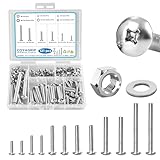
I remember staring at a pile of rusty bolts after a particularly wet winter. My project car, bless its heart, looked more like a sponge than a vehicle. Every nut and bolt seemed to be on the verge of disintegrating. It got me thinking, and frankly, a bit annoyed. How much of this rust is avoidable, and how much is just… the way things are? Especially when it comes to those little metal fasteners holding everything together.
So, you’re probably wondering, are car bolts galvanized? It’s a question that comes up when you’re deep in a rebuild or just trying to keep your ride from turning into a sculpture of rust. The short answer is: some are, some aren’t, and it’s a bit more complicated than a simple yes or no.
Why Some Bolts Look Shiny and Others Don’t
Let’s cut to the chase. Most of the bolts you’ll find holding your car together from the factory aren’t screaming ‘premium corrosion resistance.’ They’re usually made of steel, and steel, as we all know, loves to rust. The question of whether car bolts are galvanized often boils down to where they’re used and how much they cost to produce. Manufacturers are constantly balancing durability with cost, and that balance dictates a lot about the fasteners they choose.
You’ll find different levels of ‘protection’ on bolts. Some are plain steel, destined to rust if exposed. Others might have a thin layer of zinc plating, which offers some basic protection. Then you get into the more solid coatings like cadmium plating (less common now due to environmental concerns) or specialized alloys. But ‘galvanized’ specifically implies a hot-dip galvanizing process, which is typically a much thicker coating of zinc applied over the steel. You see this a lot more on construction materials or outdoor hardware, not so much on your average engine bay bolt.
Think about it: your car is assembled in a factory at an incredible pace. Every single bolt needs to be the right spec, the right size, and cost pennies to install. Hot-dip galvanizing is a relatively slow process and can be inconsistent, potentially making the bolt head too large for automated wrenches or creating burrs that affect threading. So, while it sounds like a great idea for rust prevention, it’s often not the practical choice for mass-produced automotive fasteners. The bolts holding your chassis together might have a better coating than the ones holding your dashboard trim, simply because their exposure to the elements is vastly different.
I once bought a set of replacement suspension bolts that were advertised as ‘high-strength’ and ‘corrosion-resistant.’ They looked great, shiny and new. Within six months, they were showing the tell-tale orange bloom of rust. Turns out, they were just zinc-plated, and not a very good plating at that. It was a stark reminder that marketing terms can be… creative. The genuine OEM bolts, which I later replaced them with, had a duller, almost matte finish and held up significantly better. So, while the idea of galvanized car bolts sounds like a rust-proof dream, the reality on the assembly line is a lot more about practicality and cost-effectiveness for the specific application.
What ‘galvanized’ Actually Means for Metal
Okay, so what are we even talking about when we say ‘galvanized’? It’s not just a fancy word for ‘coated.’ Galvanizing refers to a specific process where steel or iron is coated with a protective layer of zinc. The most common method for this is hot-dip galvanizing. Imagine dipping the steel part into a vat of molten zinc. The zinc alloys with the surface of the steel, creating a metallurgical bond. This isn’t just a surface layer that can flake off easily; it’s a solid coating that offers excellent protection against rust and corrosion.
The beauty of galvanization is that it provides cathodic protection. This means that if the zinc coating gets scratched or damaged, exposing the underlying steel, the zinc will actually corrode preferentially. It sacrifices itself to protect the steel. It’s like a tiny, built-in bodyguard for your bolt. This sacrificial nature is what makes galvanized materials so popular for outdoor applications, bridges, and other structures exposed to harsh weather. The zinc layer acts as a barrier, preventing moisture and oxygen from reaching the steel, but even if that barrier is breached, the zinc keeps working to protect the exposed metal. (See Also: Can I Buy A Full Auto Bolt Carrier )
Now, here’s where it gets a bit fuzzy in the automotive world. When people ask if car bolts are galvanized, they might be thinking of this heavy-duty, hot-dip coating. The reality is, most automotive fasteners don’t get that kind of treatment from the factory. Why? For a few reasons. Firstly, hot-dip galvanizing can be a bit rough. The coating can be uneven, and it can leave a somewhat rough surface. This can be an issue for precision threads where a smooth, consistent fit is most important. Imagine trying to thread a bolt with a slightly lumpy zinc coating into a delicate aluminum housing – not ideal.
Secondly, the process itself can be too slow or too hot for some smaller, delicate components. The high temperatures involved might warp or damage certain parts. So, while you might see ‘zinc-plated’ bolts in your local auto parts store, that’s often a much thinner electroplating process, which is faster and produces a smoother, more consistent finish. It offers some protection, but it’s nowhere near the sacrificial, long-lasting protection of hot-dip galvanizing. So, when I’m looking at a bolt, I’m not just thinking ‘is it coated?’ but ‘how is it coated?’ because the method makes a world of difference.
Common Coating Types and What They Look Like
Let’s break down what you might actually find on a car bolt, beyond just ‘shiny’ or ‘dull.’ Understanding these will help you avoid buying the wrong stuff. It’s a bit of a minefield out there, and frankly, some retailers love to use vague terms.
| Coating Type | Appearance | Pros | Cons | Verdict |
|---|---|---|---|---|
| Plain Steel (Uncoated) | Dull gray to reddish-brown when rusting | Cheapest | RUSTS. Extremely susceptible to corrosion. | Only for parts that will NEVER see moisture or need to be replaced frequently. Avoid for anything structural or exposed. |
| Zinc Plated (Electroplated) | Bright, silvery-blue, or yellowish (chromate conversion coating) | Relatively cheap, good for light-duty applications, smooth finish for threading. | Thin layer, can scratch easily, sacrificial protection is limited. Will eventually rust in harsh conditions. | Okay for interior trim, non-important electrical components, or parts in very dry environments. Not ideal for brake lines, exhaust, or suspension. |
| Hot-Dip Galvanized | Dull gray, often with a slightly rough or crystalline texture | Excellent corrosion resistance, provides cathodic protection, long-lasting. | Can be rough, may affect thread fit on precision parts, can be more expensive than basic plating, slow process. | Best for chassis parts, underbody components, trailer hitches, or anything exposed to road salt and moisture. Overkill and potentially problematic for some engine components. |
| Cadmium Plated | Dull gray to bluish-gray, sometimes with a yellow chromate finish | Excellent corrosion resistance, even in salt spray environments; good for aerospace and marine. | Toxic, expensive, environmental regulations are very strict, becoming rare. | You’re unlikely to find this on new car parts due to regulations. If you see it on an old part, it was likely high-end. |
| Black Oxide | Matte black finish | Aesthetically pleasing, mild corrosion resistance, good for tooling. | Very limited corrosion resistance on its own, usually needs a top coat or oil. | Mostly for appearance or to provide a base for oil retention. Not for harsh exterior use. |
The Real-World Use: Where Do They Use What?
So, if not all car bolts are galvanized, what are they? It’s a strategic decision based on the bolt’s job. Think about the parts of your car that are most exposed to the elements – road salt, rain, mud, grit. Those are the areas where you’d ideally want the best corrosion protection. This often means the chassis, suspension components, exhaust hangers, and anything bolted to the undercarriage. These parts are subjected to the harshest treatment.
For these heavy-duty applications, manufacturers might use bolts that are either specifically designed for extreme environments, perhaps made of stainless steel (which is expensive, so not common for every bolt), or they might use a more solid coating. While true hot-dip galvanizing is less common for smaller, intricate fasteners due to the reasons mentioned before, you might find it on larger, structural bolts used in frame assembly or on things like trailer hitches if your car has one. More often, you’ll see a very thick, durable zinc plating with a specialized chromate conversion coating that looks almost bronze or yellowish. This offers better protection than a simple bright zinc plating.
On the other hand, bolts in the engine bay, while exposed to heat and oil, might not need the same level of protection against road salt. They’re often plain steel, zinc-plated, or have a black oxide finish. The primary concern here is heat resistance and strength. The heat from the engine can actually bake off thinner zinc coatings over time, and the environment is generally drier than the undercarriage. Interior bolts, like those holding trim panels or seat rails, are typically just plain steel or lightly zinc-plated because they are shielded from the elements.
I learned this the hard way when replacing some brake caliper bolts. I went with a cheap aftermarket set that looked great. They were shiny zinc-plated. Within a year, they were visibly rusting, and the caliper housing itself was starting to show surface rust around them. The OEM bolts, which had a duller, almost phosphate-like coating, were still in decent shape. It taught me that for important components like brakes, suspension, or steering, it’s not just about strength, but also about the quality of the corrosion protection, and ‘shiny’ doesn’t always mean ‘tough.’ I’ve since learned to look for specific coatings or stick with OEM replacements for important systems. (See Also: Are Mercruiser 5 7 Engines Four Bolt Mains )
The Common Mistakes People Make (including Me)
One of the biggest mistakes I see, and admittedly, one I’ve made myself more times than I care to admit, is assuming that all replacement bolts are created equal. You go to the auto parts store, grab a box of ‘high-strength’ bolts for that suspension job, and they look good. Shiny, maybe even a nice shade of blue or yellow. You figure, ‘Perfect, these will last.’ Fast forward a year, and you’re looking at orange streaks running down your control arms. Not good.
The mistake is not digging deeper into what ‘corrosion-resistant’ actually means for that specific bolt. Most off-the-shelf replacement bolts are electroplated zinc. This is fine for non-important, interior applications or parts that rarely see moisture. But for anything exposed to road salt, mud, or constant dampness, it’s often a ticking time bomb. The coating is too thin, and it will eventually fail. I once spent days rebuilding a differential, only to have the exterior mounting bolts start to rust within weeks. It was maddening. I should have known better.
Another pitfall is buying based purely on aesthetics. Some aftermarket bolts come in fancy colors or have aggressive-looking heads. They might be coated with something like a black oxide or a colored zinc finish. While these can look great, their corrosion resistance can be highly variable. Black oxide, for example, offers very little protection on its own and usually requires regular oiling. If you’re not planning on meticulously maintaining those bolts, they’ll look less ‘performance’ and more ‘playground’ in no time.
Then there’s the temptation to go cheap. Why pay $5 for an OEM-spec bolt when you can get a pack of ten ‘universal’ bolts for $10? Because those cheap bolts are often made with lower-grade steel and a very basic, thin zinc plating that will fail prematurely. You end up having to replace them again, costing you more time and money in the long run. It’s a false economy. For important components, or anything that will be exposed to harsh conditions, spending a little more on quality, properly coated fasteners is always the smarter play. I’ve learned that ‘good enough’ for a bolt often means ‘will fail when I least expect it.’
Are Car Bolts Galvanized? The Faq
What Is the Standard Coating for Car Bolts?
The standard coating for car bolts varies significantly depending on their application and location on the vehicle. Many fasteners, especially those in less exposed areas like the interior or engine bay, are often zinc-plated (electroplated). For components exposed to harsher conditions, a more solid zinc plating with a specialized chromate conversion coating or, less commonly, actual hot-dip galvanizing might be used. Plain steel is also common for non-important parts that are not exposed to moisture.
Is Zinc Plating the Same as Galvanizing?
No, zinc plating and galvanizing are not the same, although both involve a zinc coating. Electroplating (zinc plating) applies a thin, uniform layer of zinc via electrolysis. Hot-dip galvanizing involves immersing the steel into molten zinc, creating a thicker, metallurgical bond that offers superior, long-lasting corrosion protection. Hot-dip galvanizing provides cathodic protection even when scratched, which is a significant advantage over thin electroplating.
Can I Galvanize My Own Car Bolts?
While technically possible, hot-dip galvanizing automotive bolts at home is generally not recommended. The process requires specialized equipment, high temperatures, and careful handling to make sure proper adhesion and thread integrity. Improper galvanizing can lead to bolts that are too large to fit, have weakened threads, or provide inconsistent corrosion protection. For important automotive applications, it’s best to use bolts with factory-specified coatings or reputable aftermarket options. (See Also: Can Am Merverick X3 Max Xrs Wheel Bolt Pattern )
What Kind of Bolts Are Used for Car Frames?
Car frames and chassis components typically use high-strength steel bolts designed to withstand significant stress and environmental exposure. These often feature solid coatings like heavy-duty zinc plating with advanced chromate conversion coatings, or in some heavy-duty applications like trucks or older vehicles, they might be hot-dip galvanized. Stainless steel is rarely used due to cost, but specialized alloys might be employed for extreme durability.
How Long Do Galvanized Car Bolts Last?
The lifespan of galvanized or well-coated car bolts depends heavily on the quality of the coating, the specific environment the car is exposed to (e.g., road salt, humidity, industrial pollution), and the type of galvanizing or plating used. Hot-dip galvanized bolts can last for many decades in ideal conditions. However, electroplated zinc bolts on a car exposed to road salt might start showing signs of rust within 1-5 years, whereas those in drier climates or protected areas could last much longer.
Practical Tips for Choosing and Replacing Bolts
So, what’s the takeaway when you’re wrenching on your car and need to replace a bolt? First, identify its original purpose and location. Is it holding a plastic fender liner on, or is it a important suspension component? For interior or non-exposed parts, a basic zinc-plated bolt is usually perfectly fine. You can find these readily and they’re inexpensive. They’ll look decent and do the job without breaking the bank.
For anything exposed to the elements – the undercarriage, suspension, brakes, exhaust, steering components – you need to step up your game. Look for bolts specifically advertised for these applications. Brands that specialize in automotive fasteners will often denote their intended use. If you can find OEM replacements, that’s often your safest bet, as they were designed and tested for the specific conditions your car will face. If you’re buying aftermarket, look for descriptions that mention heavy-duty zinc plating with a chromate conversion, or a similar solid coating designed for corrosion resistance in harsh environments. Avoid anything that looks too ‘blingy’ or has a very thin, bright zinc finish for these important areas.
When in doubt, ask yourself: if this bolt fails due to rust, what’s the consequence? If it’s minor (a rattling piece of trim), go cheap. If it’s major (a wheel falling off, loss of steering), spend the extra money on quality. I learned this the hard way after a bolt holding a sway bar end link snapped due to rust after only two years.
It wasn’t an expensive bolt, but the labor to replace it and the potential damage it could have caused made me swear off cheap fasteners for important systems forever. Sometimes, a little extra cost upfront saves you a whole lot of headaches later. And for the love of all that is holy, if you live in a rust belt area, always assume the worst and choose the best protection you can afford for exposed parts.
Final Thoughts
So, to circle back to the original question: are car bolts galvanized? The answer is, generally, not in the way you might think of a fence post or a bridge railing. While true hot-dip galvanizing offers fantastic rust protection, it’s often too coarse or slow for the intricate, high-volume world of automotive manufacturing for most fasteners. You’re more likely to find them with various forms of zinc plating, some better than others.
The key isn’t just whether a bolt is ‘galvanized,’ but how it’s coated and where it’s intended to be used. For important components exposed to road salt and moisture, a basic zinc-plated bolt is often a recipe for future headaches. It’s worth digging into the specs or opting for OEM quality when it comes to fasteners that keep your car safely on the road.
Next time you’re under your car, take a look at the fasteners. You’ll start to notice the differences. And if you’re planning a big project, don’t skimp on the bolts – they’re the unsung heroes holding everything together, and the right ones can save you a lot of rust-related grief down the line. It’s a small detail that makes a huge difference in the long run.