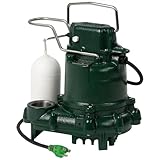
I remember the first time my basement flooded. It wasn’t a gentle, ‘oh, look, a puddle’ kind of flood. It was a ‘holy crap, the water’s halfway up my tool bench’ event. The culprit? My ancient sump pump had finally given up the ghost. I stood there, ankle-deep in murky water, staring at the sad, corroded shell of the thing and wondered, ‘What the hell was I even thinking buying this thing?’
That whole ordeal got me thinking about the nitty-gritty of sump pumps. Specifically, the age-old debate: are cast iron sump pump vs plastic models really that different? Does one actually have a leg up over the other in the long run, or is it just marketing fluff? I’ve seen my fair share of pumps, some built like tanks, others feeling like they’d crack if you sneezed too hard. So, let’s cut through the noise.
The Ugly Truth About Sump Pump Materials
Look, when your house is trying to become an aquarium, the last thing you’re thinking about is the pump’s material. You just want the water gone. Fast. But the material it’s made from matters more than most people realize. It affects everything from how long it’ll last to how much noise it makes, and yeah, whether it’ll become a rusty paperweight after a few years.
My first pump was a cheap plastic number. It worked, for a while. Then, one particularly rainy spring, it just… stopped. I pulled it out, and it looked like something that had been dredged from a swamp. The plastic was brittle, cracked, and the impeller looked like it had been gnawed by rats. It was a classic case of ‘you get what you pay for,’ and I definitely paid the price in water damage and the cost of emergency replacements. That experience taught me that while plastic pumps are lighter and often cheaper upfront, they can be a gamble.
Cast iron, on the other hand, has a reputation for being tough. It’s dense, it’s heavy, and it doesn’t corrode the way cheap plastic or even some metals can. Think old engine blocks or those massive industrial pumps you see in movies. They’re cast iron for a reason. It’s a material that’s been trusted for centuries to handle serious work. But even cast iron isn’t perfect. It can rust if the protective coating wears off, and its weight can be a double-edged sword. More on that later.
The core function of any sump pump, regardless of material, is simple: it sits in a pit (the sump pit) at the lowest point of your basement or crawl space. When water rises to a certain level, a float switch activates the pump. The pump then sucks the water up through a discharge pipe and sends it away from your home’s foundation. Easy enough, right? But the pump housing, the part that contains all the important bits and has to sit in that water, is where the material difference really comes into play for longevity and reliability.
Why My First Plastic Pump Was a Dud (and Other Pitfalls)
I bought that first plastic pump on a whim. It was on sale, it was light enough that I could carry it myself, and the salesperson said it was ‘perfect for residential use.’ What they didn’t mention was that ‘residential use’ could mean anything from a light drizzle to a biblical deluge. Turns out, my basement was on the higher end of that spectrum.
The biggest issue with many lower-end plastic pumps is the quality of the plastic itself. Some are made from ABS or PVC, which are decent, but others use cheaper formulations that become brittle over time, especially when exposed to fluctuating temperatures and constant submersion. I’ve heard stories of pumps cracking right at the seams, not because they were stressed, but just from age and exposure. It’s like leaving a cheap plastic toy out in the sun for too long – it just disintegrates.
Another common problem with plastic pumps, especially less expensive ones, is their motor housings. While the outer shell might be plastic, the internal motor components can still be susceptible to water damage if the seals aren’t top-notch. And let’s be honest, on a budget pump, those seals are often the first place corners are cut. A tiny leak can lead to corrosion of the motor, and suddenly your ‘bargain’ pump is dead.
My experience was typical: the plastic housing cracked, letting water seep into the motor chamber. It wasn’t a dramatic failure at first, just a gradual weakening. Then, during a heavy rainstorm, it just sputtered and died. The stench of burnt electrical components filled the basement. It was a mess. I ended up paying almost $300 for a replacement pump and dealing with some minor water damage that the failed pump couldn’t prevent. That’s why, when people ask me about are cast iron sump pump vs plastic, I tell them to look beyond the price tag. Sometimes, the cheapest option is the most expensive in the long run.
Cast Iron: The Heavyweight Contender
Cast iron pumps are often the go-to choice for folks who want something that feels solid and reliable. And for good reason. That heft isn’t just for show; it usually means a more solid construction and materials that are inherently more durable. (See Also: Are Pumpkin Seed Husks Edible )
The main advantage of cast iron is its resistance to wear and tear. It’s a much harder material than most plastics, so it can withstand the abrasive nature of silt and debris that can sometimes get into the sump pit. Think of it like this: dragging a plastic bucket through gravel versus dragging a cast iron pot. The cast iron is going to hold up a lot better.
Many cast iron pumps also feature a sealed motor housing, often made from the same durable cast iron, which offers superior protection against water ingress compared to many plastic enclosures. This is a big deal for longevity. A well-sealed motor is less likely to suffer from corrosion and electrical shorts. I’ve pulled out cast iron pumps that were easily ten, even fifteen years old, and while they might have been a bit rusty on the outside, the internal workings were still in decent shape. That’s the kind of lifespan you’re looking for.
However, cast iron isn’t without its drawbacks. Firstly, they are HEAVY. I mean, really heavy. Installing one can be a one-person job if you’re a weightlifter, but for most of us, it’s a two-person task, or at least requires a good dolly or helper. This weight can also be a factor if you ever need to remove it for maintenance or replacement. Dropping a cast iron pump into a pit can be a jarring experience, and if it hits the bottom wrong, it could potentially damage the pit liner or even crack the pump housing if it’s an older, more brittle casting.
Secondly, while cast iron is resistant to corrosion, it’s not entirely immune. If the protective coating (often an epoxy or powder coating) gets scratched or chipped, the iron underneath can start to rust. This is usually a cosmetic issue at first, but severe rust can eventually weaken the housing. For this reason, I always recommend inspecting the coating when you buy one and touching up any small nicks you might find.
The Verdict: When to Choose What
So, when does cast iron win, and when might plastic still be a viable option? It really boils down to your specific situation, budget, and tolerance for risk.
If you live in an area with frequent heavy rains, a high water table, or you’ve experienced basement flooding before, I’d lean heavily towards cast iron. The increased durability, better motor protection, and longer lifespan generally make it worth the higher upfront cost. You’re paying for peace of mind and a pump that’s less likely to fail you when you need it most. For a permanent installation where you don’t plan on swapping it out every few years, cast iron is the way to go. I’ve seen cast iron pumps that have been running for over a decade without a hiccup.
Plastic pumps can still be a decent choice for less demanding applications. If you’re in a drier climate, have a very shallow sump pit, or are looking for a temporary or secondary pump, a good quality plastic model might suffice.
They are lighter, easier to handle, and significantly cheaper. Just be sure to research the brand and model carefully, read reviews, and understand that you might be looking at replacing it sooner than a cast iron alternative.
I’d recommend looking for models with reinforced housings and better sealed motor compartments if you go the plastic route. My cousin installed a heavy-duty plastic pump in his workshop, and so far, after three years of handling condensate and occasional overflow, it’s holding up fine.
But he knows he might have to replace it sooner rather than later. (See Also: Are Pumpkin Seed Acid Or Alkaline )
Here’s a quick rundown:
| Feature | Cast Iron | Plastic | My Verdict |
|---|---|---|---|
| Durability | Excellent | Fair to Good | Cast Iron wins |
| Corrosion Resistance | Good (with coating) | Varies (can degrade) | Cast Iron wins |
| Weight | Very Heavy | Light | Plastic wins for installation ease |
| Cost | Higher upfront | Lower upfront | Plastic wins for budget |
| Lifespan | Potentially 10+ years | Typically 3-7 years | Cast Iron wins |
| Noise Level | Can be quieter (dampened) | Can be louder (vibrations) | Slight edge to Cast Iron |
For me, the decision is usually based on how much I value not having a flooded basement. It’s a calculated risk, and I’ve learned to invest in the equipment that gives me the best odds. The are cast iron sump pump vs plastic debate isn’t just about materials; it’s about investing in reliability.
Common Sump Pump Mistakes and How to Avoid Them
Beyond the material choice, there are a bunch of other ways people shoot themselves in the foot when it comes to sump pumps. I’ve made my share of these mistakes, learned the hard way, and now I try to steer others clear. It’s not rocket science, but a few simple oversights can turn a smart purchase into a waterlogged disaster.
One of the biggest is buying a pump that’s too small for the job. People see a little plastic pump and think, ‘that looks about right.’
But if your pit fills up quickly or you’re dealing with a lot of water volume, a low-capacity pump will constantly be running, overheating, and wearing itself out prematurely. Always check the pump’s Gallons Per Hour (GPH) rating and compare it to how fast your sump pit fills. Better to have a pump that cycles a bit less frequently and handles the volume with ease. I once installed a pump that was rated for half the water my pit could hold.
It was a pathetic sight, struggling constantly. Replaced it with a beefier cast iron model (about $220 for the pump) that could handle double the volume, and it’s been silent and efficient ever since.
Improper installation is another huge one. This includes not having a proper sump pit liner (which can cause the pump to suck up sediment and clog), incorrect discharge pipe setup (like not having a check valve, which allows water to flow back into the pit), or placing the pump on an unstable surface. The float switch is also important. If it’s positioned incorrectly, the pump might not turn on until the water is too high, or it might short-cycle (turn on and off rapidly), which is terrible for the motor. I’ve seen people just plop a pump down in the mud. Really? You’re going to trust your foundation to that?
Another mistake is neglecting maintenance. Even the best cast iron pump needs a little love.
This means periodically checking the pit for debris, making sure the float switch moves freely, and testing the pump every few months. I make it a habit to pour a bucket of water into the pit every quarter.
It’s a quick test to make sure it kicks on, pumps, and shuts off. It takes maybe two minutes. (See Also: Are Organic Pumpkin Seeds From China Bad )
I’ve heard horror stories of people who never checked their pump, only to find out it was clogged or disconnected during a storm. The cost of a few minutes of maintenance is nothing compared to the cost of a flooded basement and damaged belongings. Remember, that fancy pump isn’t going to magically keep itself clean and functional.
The Float Switch: The Unsung Hero
If you’re looking at are cast iron sump pump vs plastic, you should also pay close attention to the type of float switch. This little gadget is the brain of the operation. It’s what tells the pump when to turn on and off. Mess this up, and your pump is useless, no matter how well-built it is.
There are a few main types: tethered float switches, vertical float switches, and electronic/mercury switches. Tethered switches are common on many plastic and some cast iron pumps. They hang down and lift as the water rises. They can be effective, but they also have a tendency to get caught on things in the pit or snag on the pit wall, preventing the pump from activating. I’ve had to reposition tethered floats more times than I care to admit. Sometimes they just get stuck in a position that’s too low.
Vertical float switches are generally more reliable. They sit on a rod and move up and down. Because they have a more direct path, they’re less likely to get snagged. They offer a more consistent activation point. Many higher-end cast iron models use this type, or even a better version of it. This is the kind I look for now because it gives me more confidence in the pump’s ability to engage when needed.
Electronic or mercury switches are often found on premium pumps. Mercury switches are sealed and highly accurate, but there are environmental concerns with mercury itself. Electronic switches use sensors and are very precise, but they can be more susceptible to electrical interference or failure. For most homeowners, a good quality vertical float switch strikes the best balance between reliability, cost, and ease of maintenance. When you’re inspecting a pump, give the float switch a good look. Make sure it looks sturdy and has plenty of clearance to move without obstruction. It’s a small detail, but it can be the difference between a dry basement and a soggy mess.
People Also Ask
What Is the Longest-Lasting Sump Pump Material?
The longest-lasting sump pump material is generally considered to be cast iron. Its inherent durability, resistance to wear from debris, and ability to house sealed motors make it a solid choice. While it can rust if the protective coating is compromised, a well-maintained cast iron pump can last significantly longer than most plastic models, often exceeding ten years of reliable service.
Can Plastic Sump Pumps Be as Good as Cast Iron?
Some high-quality plastic sump pumps can be good, especially for less demanding applications. They are lighter, easier to install, and cheaper. However, they typically don’t match the longevity or the solid motor protection offered by cast iron pumps, especially in heavy-duty or high-water-volume situations. The quality of the plastic and the motor sealing are key differentiators.
Are Cast Iron Sump Pumps Worth the Extra Cost?
For many homeowners, especially those in areas prone to flooding or with a high water table, cast iron sump pumps are absolutely worth the extra cost. The increased durability, better reliability, and longer lifespan can prevent costly water damage and multiple replacement expenses over time, offering greater peace of mind.
How Often Should a Sump Pump Be Replaced?
A typical plastic sump pump might need replacement every 3-7 years, depending on usage and quality. Cast iron pumps, with proper maintenance, can last 10-15 years or even longer. It’s always wise to test your pump periodically and be aware of any signs of wear or reduced performance, as replacement before failure is preferable.
Conclusion
So, the dust has settled on the whole are cast iron sump pump vs plastic showdown. If you’re looking for something that’s going to hold up through hell and high water, and you don’t mind the heft or the initial investment, cast iron is usually the smart play. It’s a workhorse that’s less likely to quit on you when the rain is pounding down.
Plastic pumps have their place, especially if your needs are lighter duty or your budget is really tight. Just go in with your eyes wide open, knowing you might be signing up for an earlier replacement. Do your homework on brands and look for those that offer better motor sealing and stronger housings, even in plastic.
Ultimately, the best pump is the one that keeps your basement dry. Take a look at your situation, consider your budget, and don’t be afraid to invest a little more upfront for peace of mind. Maybe next time you’re at the hardware store, pick up a cast iron one and just feel the weight. It’s reassuring.