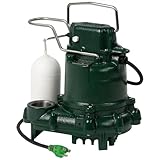
Look, nobody wants to think about their basement flooding. It’s a soggy nightmare waiting to happen. But when it does, and you’re scrambling for a pump, the choices can feel overwhelming. You see ‘cast iron’ slapped on some, and a little voice in your head wonders, ‘Are cast iron sump pumps better?’ I’ve been there, staring at options while water inches closer, and let me tell you, the marketing hype can be thick.
I’ve wasted enough money on flimsy plastic pumps that coughed their last breath after a couple of storms to know that sometimes, old-school materials have a serious advantage. It’s not always about the shiny new thing; it’s about what actually lasts and does the job when you need it most.
Why I Switched to Cast Iron After a Plastic Fiasco
My first sump pump was a cheap, all-plastic number. It looked modern, it was whisper-quiet, and it cost me about $90. Seemed like a no-brainer, right? Wrong. Three years later, during a torrential downpour that was frankly biblical, it just… stopped. Dead. I heard this pathetic whirring, then silence. The water kept rising. I had to frantically run to the hardware store in the rain, grab the first thing I could find – which happened to be a cast iron model – and wrestle it into the pit. It wasn’t pretty, and I paid nearly double the price of the first one, but that cast iron brute chugged away all night without a single hiccup.
That experience taught me a valuable lesson: durability often trumps fancy features. When you’re dealing with the potential for thousands of dollars in water damage, you need a workhorse, not a show pony. Cast iron offers a heft and ruggedness that plastic simply can’t match. It’s less prone to cracking, especially in colder temperatures or if something bumps against it in the pit. Think of it like comparing a lightweight plastic toolbox to a heavy-duty metal one. One will survive being dropped; the other might not.
I’ve talked to a few plumbers who, frankly, don’t get paid enough for the messes they deal with, and they universally lean towards cast iron for their own homes. They see the failures day in and day out. They’ve seen plastic pumps warp or break under pressure, sometimes literally. The science is simple: metal, especially a dense material like cast iron, can handle more abuse. It doesn’t degrade in the same way plastic does when constantly exposed to moisture, sediment, and the vibrations of operation. So, when you ask ‘are cast iron sump pumps better,’ for raw, unadulterated reliability in a tough environment, my answer is a resounding yes.
The Nitty-Gritty: How They Actually Work (and Why Material Matters)
At its core, a sump pump is a pretty simple device: it’s a pump placed in a sump pit (a hole dug in your basement floor) that automatically removes water that accumulates there. Water flows into the pit, and when it reaches a certain level, a float switch triggers the pump. The pump then pushes the water out through a discharge pipe, away from your home’s foundation.
The difference in materials really comes down to how they handle the stresses of this job. Cast iron, being a ferrous alloy, is incredibly dense and strong. This means the pump housing, which is the main body of the unit, is far more solid. It can withstand the weight of the water it’s pumping, the vibrations, and any accidental impacts from debris in the pit. Unlike plastic, which can become brittle over time, especially with exposure to fluctuating temperatures or certain chemicals that might be in the groundwater, cast iron maintains its structural integrity.
Many cast iron sump pumps also feature cast iron impellers. The impeller is the part that actually spins and pushes the water. A cast iron impeller is less likely to warp or break than a plastic one when encountering small stones or grit. This means fewer clogs and a longer operational life for the pump. While you might see some manufacturers touting “engineered plastic” or “high-impact polymers,” I’ve found that they often don’t hold up as well in the long run, especially when the pump is working hard or dealing with less-than-ideal conditions.
A good quality cast iron sump pump often feels substantial the moment you pick it up. It has a reassuring weight to it. That weight isn’t just for show; it’s a sign of the thick, durable material that’s designed to last. This leads to fewer breakdowns, less need for replacements, and ultimately, more peace of mind. When you consider the cost of potential water damage, the initial higher price of a cast iron pump often pays for itself many times over. (See Also: Are Pumpkin Seed Husks Edible )
What to Look for: Beyond Just the ‘cast Iron’ Label
So, you’ve decided you want a cast iron sump pump. Great. But not all cast iron pumps are created equal. I learned this the hard way when I bought my second cast iron pump. It was marketed as heavy-duty, but it sounded like a tin can in a hurricane and died within two years. It was disappointing, to say the least.
First off, look at the horsepower. For most typical residential basements, a 1/3 horsepower (HP) pump is sufficient. If you have a larger basement or a history of significant water issues, you might consider a 1/2 HP unit. More horsepower means it can move more water, faster. Don’t just assume bigger is always better, though; an overpowered pump can cycle on and off too frequently, which can actually shorten its lifespan.
Next, check the discharge size. Most common pumps have a 1 1/4-inch or 1 1/2-inch discharge pipe. Make sure it matches your existing plumbing or the requirements for your new setup. A mismatch can lead to reduced flow or even clogs.
Pay attention to the float switch. This is the mechanical or tethered arm that tells the pump when to turn on and off. Tethered floats are generally more reliable and less prone to getting stuck than vertical floats, which can sometimes get hung up on debris in the pit. I’ve had a vertical float get stuck in the ‘off’ position, and let me tell you, that’s a terrifying discovery to make when water is pooling.
Here’s a quick breakdown of what I look for, and my personal verdict:
| Feature | My Take | Why |
|---|---|---|
| Cast Iron Housing | Must-have | Durability, longevity, heat dissipation. |
| Cast Iron Impeller | Highly Recommended | Resists wear from grit and sediment. |
| Horsepower (1/3 HP) | Good for most | Balances performance and cycling. |
| Tethered Float Switch | Preferred | Less prone to sticking than vertical types. |
| Submersible Design | Standard, but check quality | Quieter and more durable than pedestal. |
| Thermal Overload Protection | Important | Prevents motor burnout from overheating. |
Finally, read reviews, but do so with a important eye. Look for patterns in complaints – are people consistently reporting pump failures after a short period? Or are the complaints about installation difficulty (which is often user error)? Real-world longevity is the key metric here.
Common Mistakes and Misconceptions: What They Don’t Tell You
One of the biggest mistakes people make is thinking that just because a pump is cast iron, it’s indestructible and maintenance-free. That’s just not true. While they are tough, they still need care. Forgetting to check the pit for debris, like gravel or small rocks, can lead to impeller damage or clogs, even in a cast iron pump. I once found a small toy car that my kid must have dropped down there years ago wedged in the impeller. It wasn’t pretty, and the pump was struggling.
Another common misconception is that a quieter pump is always a better pump. Often, the quieter pumps are plastic or have less solid housings. That quiet operation might be a sign of a less powerful motor or a less dense casing that vibrates more. Remember my first plastic pump? It was silent until it wasn’t. I’d rather have a pump that makes a bit of noise but is reliably moving water than a silent one that fails when I need it most. (See Also: Are Pumpkin Seed Acid Or Alkaline )
People also often overlook the importance of the discharge line. A common mistake is having a discharge line that’s too long or has too many sharp bends. This creates backpressure, making the pump work harder and potentially overheat. Even a sturdy cast iron pump can be stressed by a poorly designed exit route for the water. You need to make sure that the water can flow freely away from your house. Consider if your discharge pipe is clear and not frozen in winter, which is another reason pumps fail.
The question of ‘are cast iron sump pumps better’ often gets tangled up with the idea that you need the most expensive, high-end model. While quality matters, you don’t necessarily need a $500 pump for a small crawl space. Over-specifying can be as bad as under-specifying. A good, solid 1/3 HP cast iron pump from a reputable brand is usually more than enough for the average homeowner. Focus on the build quality, the materials, and the warranty, rather than just the price tag or the highest horsepower number.
Real-World Use: When Cast Iron Truly Shines
I’ve seen cast iron sump pumps perform in situations where plastic pumps would have failed miserably. Think about homes in areas with high water tables, or older homes with less-than-perfect drainage systems. These are environments where the sump pump runs frequently, sometimes for hours on end during heavy rains or snowmelt.
My neighbor, a guy who’s lived in his house for fifty years and seen his fair share of basement water issues, swears by his cast iron pump. He’s got one of those old-school, solid models that looks like it weighs about as much as a small car. He says he’s only replaced it once in three decades. His pit isn’t pristine, either; it often has a bit of sand and silt from the nearby creek after a big flood. That cast iron impeller just grinds through it.
Another scenario where cast iron excels is in colder climates. While most sump pumps are designed to operate in unheated spaces, plastic can become brittle when temperatures drop significantly. A cast iron pump is much less susceptible to cracking or damage from freezing temperatures, which can be a real concern in garages or unfinished basements that dip below freezing.
I also appreciate the thermal conductivity of cast iron. When a pump is working hard, it generates heat. Cast iron can dissipate this heat more effectively than plastic, which can help prevent the motor from overheating. This is especially important if your pump is in a confined space or if you’re experiencing prolonged periods of heavy rainfall. It’s that passive cooling effect that just makes it a more dependable unit under duress. So, if you live in an area prone to flooding, have a high water table, or experience harsh winters, the durability of cast iron is a significant advantage that directly translates to fewer headaches and a drier basement.
How Long Do Cast Iron Sump Pumps Typically Last?
A well-maintained cast iron sump pump can last anywhere from 10 to 20 years, sometimes even longer. This is significantly longer than most plastic pumps, which might only last 5 to 10 years. The key factors are the quality of the pump’s construction, the operating conditions (like the amount of grit it encounters), and regular maintenance, such as checking the pit and float switch.
Are Cast Iron Sump Pumps Noisy?
Cast iron sump pumps can be noisier than their plastic counterparts, primarily due to their weight and the material’s density. The heavier housing can lead to more vibration and sound transmission. However, many modern cast iron models incorporate features like rubber feet or sound-dampening coatings to reduce noise. While they might not be silent, the noise is often a sign of their solid construction, and many homeowners find the peace of mind they offer worth the slight increase in sound. (See Also: Are Organic Pumpkin Seeds From China Bad )
Can Cast Iron Sump Pumps Handle Solids or Debris?
Yes, cast iron sump pumps, particularly those with cast iron impellers, are generally better at handling small solids and debris than plastic pumps. The impeller is less likely to be damaged or to break when encountering grit, sand, or small pebbles. However, no sump pump is designed to handle large debris like sticks, rags, or rocks, which can clog any pump. It’s always best to keep the sump pit as clear as possible to make sure optimal performance and longevity.
Is a Cast Iron Sump Pump Worth the Extra Cost?
For most homeowners concerned about basement flooding, a cast iron sump pump is absolutely worth the extra cost. While they can be more expensive upfront, their significantly longer lifespan, greater reliability, and better performance in demanding conditions mean they often save money in the long run by avoiding premature replacements and potential water damage. The peace of mind they provide during heavy storms is also invaluable.
What Are the Disadvantages of Cast Iron Sump Pumps?
The main disadvantage of cast iron sump pumps is their higher initial cost compared to plastic models. They are also heavier, which can make installation slightly more challenging, though this is often a minor inconvenience for the long-term benefits. Another potential drawback is that they can sometimes be a bit noisier than lighter plastic pumps, although this is often mitigated by design features in newer models. Lastly, while durable, they can rust if the protective coating is severely damaged and exposed to constant moisture over a very long time, though this is rare in normal operation.
Putting It All Together: My Final Verdict
After years of dealing with basement moisture and a few costly mistakes, I’ve landed firmly in the cast iron camp. When the water starts creeping in, you don’t want to be second-guessing your equipment. The sheer durability and reliability of cast iron pumps mean they’re the ones I’d bet my basement on.
They might cost a bit more upfront, and they’re definitely heavier to lug around. But when you consider the potential cost of water damage – ruined flooring, damaged drywall, mold remediation – that higher price tag feels like a bargain for the peace of mind they offer. You’re investing in a piece of equipment that’s built to last and perform when you need it most.
So, are cast iron sump pumps better? In my book, for raw dependability and longevity in the often-harsh environment of a sump pit, they absolutely are. It’s about having a tool that works, and keeps working, through the worst the weather can throw at your home. Don’t be fooled by the lightweight, quiet options if your priority is keeping your basement dry, season after season.
Conclusion
So, there you have it. My honest take on whether cast iron sump pumps are truly better. I’ve seen too many plastic pumps fail when it mattered most to ignore the benefits of good old-fashioned cast iron. It’s not about being fancy; it’s about being tough and reliable.
If you’re in the market for a new sump pump and you’re serious about protecting your home from water damage, I’d steer you towards a cast iron model. Do your homework, check the specs, and get a reputable brand. The slightly higher initial cost is a small price to pay for the long-term security and peace of mind it provides, especially during those unexpected downpours.
Ultimately, the question ‘are cast iron sump pumps better’ boils down to prioritizing durability and performance over bells and whistles. For most homeowners facing potential basement flooding, that’s a trade-off worth making. Now, go check on that sump pit before the next storm rolls in – just in case.