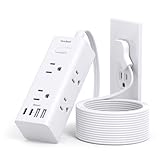
I once almost set my garage on fire because I thought a dollar store extension cord was ‘good enough’. It was a bright orange, thin noodle of a thing that promised to power my electric mower for the entire summer. Spoiler alert: it didn’t. It melted. Instead of a manicured lawn, I got a smoky mess and a healthy dose of fear. So, are cheap extension cords safe? Let’s cut the crap and talk about what you really need to know before plugging anything into those flimsy wires.
My experience isn’t unique. We all want to save a buck, and when you see a bundle of wire for a few dollars, the temptation is huge. But electrical fires don’t care if you’re on a budget. They’re indiscriminate and devastating. This isn’t about getting fancy; it’s about not burning your house down.
Why That Super Cheap Extension Cord Is a Bad Idea
Look, I get it. Sometimes you just need to plug in a lamp, a fan, or maybe a Christmas tree. You wander into the discount aisle, and there they are: extension cords so cheap they practically pay you to take them. They’re thin, often in garish colors, and the plastic feels… well, cheap.
The problem is, most of what makes an extension cord safe is invisible. It’s in the quality of the copper wiring, the thickness of the insulation, the sturdiness of the plug and socket. Cheap cords skimp on all of it. They might use aluminum instead of copper, or a much lower gauge wire than what’s recommended for the load you’re putting on it.
This causes resistance, resistance causes heat, and heat can melt insulation, spark, and start fires. It’s a domino effect that begins with a low price tag.
I remember one time, I was setting up some outdoor holiday lights. I grabbed a pack of four thin, green cords that looked identical to the ones I’d used for years. Within an hour, one of them was warm to the touch. Not just ‘it’s been running a while’ warm, but ‘I’m worried about this’ warm. I unplugged everything, tossed those cords in the trash, and went straight to a hardware store. It cost me an extra $30, but the peace of mind was worth every penny. Those flimsy cords were definitely not rated for the load of multiple strings of lights, especially in cooler weather which can make the insulation more brittle.
The common advice is to match the cord’s gauge to the appliance’s wattage. That’s good advice, but it’s useless if the cheap cord’s gauge is misrepresented or if the insulation is so poor it can’t handle even the rated load. Think of it like a garden hose. A cheap, thin hose might look like it can carry water, but under pressure, it’s more likely to burst or leak. An extension cord under electrical ‘pressure’ does something similar, just with a lot more potential for destruction.
Decoding the Specs: What ‘gauge’ Actually Means
This is where most people get lost, and frankly, where manufacturers of cheap cords love to play games. The ‘gauge’ of an extension cord refers to the thickness of the wire inside. Here’s the kicker: a lower gauge number means a thicker wire. So, a 10-gauge wire is thicker and can handle more power than a 16-gauge wire. This is counterintuitive for many, myself included when I first started buying my own tools and appliances. I used to think ‘higher number, higher quality,’ which is completely wrong in this context.
Why does this matter? Thicker wires have less resistance. Less resistance means less heat generated when electricity flows through them. This is absolutely vital for safety. Appliances that draw a lot of power – like power tools, heaters, refrigerators, or even multiple smaller devices plugged into one cord – need thicker gauge cords. Plugging a high-draw appliance into a thin, undersized cord is asking for trouble. The cord will overheat, the insulation can melt, and you’ve got a fire hazard on your hands. (See Also: Are Cloth Extension Cords Safe )
Here’s a simple way to think about it: If you’re running a heavy-duty tool like a circular saw or a shop vacuum, you’ll want a 12-gauge or even a 10-gauge cord, especially for longer runs. For lighter duty stuff, like a desk lamp, a phone charger, or a small fan, a 16-gauge cord might be sufficient, but even then, I’d lean towards 14-gauge if it’s going to be used frequently or for extended periods. A 16-gauge cord is really for very light, intermittent use. Cheap cords are almost always going to be 16-gauge or even thinner, often labeled ambiguously to make you think they’re more solid than they are. Always check the actual gauge number printed on the cord itself, not just the packaging.
Common Extension Cord Mistakes
People really do shoot themselves in the foot with extension cords. The most common error is overloading. This means plugging in more devices than the cord is designed to handle, or using a cord that’s too thin for the appliance. It’s like trying to fit a gallon of water into a pint glass – it’s going to spill, or in this case, overheat.
Another big one is using indoor cords outdoors. They aren’t built to withstand moisture, temperature changes, or physical damage from being stepped on or run over. Even if a cord looks similar, if it’s not explicitly rated for outdoor use (look for ‘OW’ or ‘W’ in the UL listing), keep it inside. I once saw a guy hook up a pressure washer with an indoor cord. Rain was in the forecast. It was a disaster waiting to happen, and I wasn’t sticking around to see it unfold.
Running cords under rugs is another classic mistake. It hides the cord, yes, but it also traps heat and makes it impossible to see if the cord is fraying or damaged. If the cord gets damaged under the rug and sparks, you might not even know until you smell smoke. Lastly, daisy-chaining is a no-go. Connecting multiple extension cords together creates more points of failure, adds resistance, and significantly increases the risk of overheating and fire.
| Cord Type/Use | Recommended Gauge | My Verdict |
|---|---|---|
| Heavy-duty power tools, outdoor equipment, long runs (100ft+) | 10-gauge or 12-gauge | Spend the money here. No shortcuts. |
| Medium-duty tools, appliances (heaters, fans), moderate use | 12-gauge or 14-gauge | Don’t go lower than 14-gauge. |
| Light-duty indoor use (lamps, chargers, small fans) | 14-gauge or 16-gauge | 16-gauge is okay for very light, intermittent use. If in doubt, go 14-gauge. |
| Cheap, no-name cords from discount stores | Unknown / Likely 16-gauge or thinner | Avoid like the plague. Not worth the risk. |
The Unsung Heroes: Certifications and Quality
This is where you can separate the junk from the decent stuff. Look for certifications. The big one in North America is UL (Underwriters Laboratories). A UL listing means the product has been tested by UL and meets applicable standards for safety. It’s not a guarantee against all problems, but it’s a huge step up from uncertified cords. Intertek (ETL) and CSA (Canadian Standards Association) are also reputable testing agencies. If a cord doesn’t have one of these marks, especially a cheap one, consider it a red flag. It means nobody bothered to check if it was even remotely safe.
Beyond the certification, feel the cord. Does it feel flimsy and brittle, or does it have a bit of heft to it? Does the insulation feel thin and easily nicked? A good quality cord will have thicker, more durable insulation. The connectors – the plug and the socket – should feel solid, not like they’re going to crack if you look at them funny. I’ve had cheap plugs where the metal prongs felt loose or bendy. That’s a bad sign. A good plug has solid, well-seated prongs that fit snugly into the outlet. The socket end should grip the appliance’s plug firmly, not loosely.
I once bought a set of ‘heavy-duty’ cords that were UL listed, but the plastic felt so brittle, I could almost snap them with my bare hands. The prongs on the plugs were thin and easily bent. I returned them immediately. The ones I bought to replace them, while costing about 50% more, felt like they could survive a nuclear winter. They had thicker insulation, solid metal prongs, and a satisfying ‘click’ when you plugged something in. It’s a tangible difference that speaks volumes about the manufacturing quality and, by extension, safety.
Can You Really Trust Brand Names?
Generally, yes, established brands tend to be more reliable. Companies that have been around for a while and build their reputation on quality are less likely to cut corners on something as fundamental as safety for their extension cords. Brands like Southwire, Leviton, Gardner Bender, and often even the house brands from reputable hardware stores (like Ace Hardware or Home Depot’s own brands) are usually a safer bet than generic, unbranded options. These companies have more to lose if their products cause fires or injuries. (See Also: Are Extension Cords Supposed To Get Hot )
However, even big brands can have lower-tier products. You still need to check the gauge, the intended use (indoor/outdoor), and the overall build quality. A ‘brand name’ extension cord that’s incredibly cheap and feels flimsy is still probably not a good buy. It’s not just about the logo on the packaging; it’s about what’s inside and how it’s put together. Think of it like buying car parts; a no-name brake pad might be cheaper, but you’re risking your life. For extension cords, the risk is similar, just a bit more drawn out until something goes wrong.
Real-World Use: What I Look for and Avoid
When I’m shopping for extension cords now, I’ve got a checklist. First, intended use: indoor or outdoor? This dictates the type of insulation and weatherproofing needed. Second, gauge: is it thick enough for the job? I’m rarely buying 16-gauge anymore unless it’s for something truly trivial, like a nightlight. I’m usually looking for 14-gauge as a minimum for general indoor use and 12-gauge or 10-gauge for anything outdoors or involving power tools. Third, certification: UL, ETL, or CSA listing is a must. No exceptions.
I actively avoid cords that are excessively cheap, have thin, easily damaged insulation, or feel overly lightweight. I also steer clear of cords with visibly poor plug construction – loose prongs, thin plastic that feels brittle. If a cord is coiled tightly in a way that makes the wires look kinked or stressed, I’m suspicious.
And, as I mentioned, daisy-chaining is something I never do. It’s always better to buy one longer, appropriately gauged cord than to link several shorter, cheaper ones together. My garage is now stocked with a few heavy-duty outdoor cords, a couple of decent indoor ones, and I’ve tossed out any of the suspect, bargain-bin wires from years ago.
It’s a small investment for significant peace of mind. I learned this the hard way, and I don’t want anyone else to have to.
When You Absolutely Must Use a Cheaper Cord
Okay, let’s be real. Sometimes you find yourself in a pinch, and that super-cheap cord is the only thing available, or maybe you’re just powering a single LED string light for a few hours and don’t want to spend $20.
In these rare, specific situations, you need to be hyper-vigilant. First, make sure the cord is rated for the load.
If it’s a 16-gauge cord, only use it for things that draw very little power – think a phone charger, a small LED bulb, or a low-wattage fan. Never, ever use a cheap cord for heaters, power tools, or anything that draws significant current. Second, inspect the cord meticulously. (See Also: Can Extension Cords Be Linked Together )
Look for any nicks, cuts, or signs of wear. Feel the insulation – if it gets warm even under a light load, unplug it immediately.
Third, keep a very close eye on it. Don’t leave it plugged in and unattended. Check it frequently for any signs of overheating – discoloration, melting plastic, or a burning smell. If you notice anything, unplug it immediately and don’t use it again. The reality is, even under these stringent precautions, the risk is higher. It’s a calculated risk, and one I try to avoid entirely. My philosophy now is to buy decent quality cords once, rather than cheap ones repeatedly, and always err on the side of caution. The cost of a fire, damaged property, or injury far outweighs the savings on a cheap extension cord.
People Also Ask
What Happens If You Use a Cord That’s Too Thin?
If you use an extension cord that is too thin (meaning its gauge number is too high, indicating a thinner wire), it will have higher electrical resistance. This resistance causes the wire to heat up significantly when electricity flows through it. This overheating can melt the cord’s insulation, leading to short circuits, sparks, and potentially starting a fire. It can also damage the appliance plugged into it.
Can Cheap Extension Cords Cause Fires?
Yes, cheap extension cords can absolutely cause fires. They often use lower-quality materials, thinner wires, and inadequate insulation, which makes them prone to overheating, melting, and sparking when overloaded or even under normal use. The lack of proper safety certifications on many cheap cords means they haven’t been tested to meet safety standards, significantly increasing the fire risk.
How Long Should an Extension Cord Last?
A good quality, properly used extension cord can last for many years, often a decade or more. However, their lifespan depends heavily on the quality of materials, how they are used, and the environment. Factors like physical damage, exposure to extreme temperatures or moisture, UV degradation (for outdoor cords), and frequent overloading will significantly shorten their lifespan. Regular inspection for damage is key to determining when a cord needs to be replaced.
What Is the Safest Way to Use an Extension Cord?
The safest way to use an extension cord is to make sure it’s the correct type for the job (indoor/outdoor, appropriate gauge for the appliance’s wattage), is certified by a reputable agency (like UL), and is free from any damage. Always plug it directly into a wall outlet, never daisy-chain multiple cords, and never run them under rugs or where they can be pinched or stepped on. Inspect them regularly for wear and tear, and replace any damaged cords immediately.
Final Thoughts
So, are cheap extension cords safe? My blunt answer is: usually not, and definitely not worth the risk. I’ve seen firsthand (and smelled!) what happens when you cut corners on something as basic as electrical wiring. It’s not just about saving a few bucks; it’s about preventing a potential disaster. Invest in decent quality, properly gauged, and certified cords. Your home and your peace of mind will thank you.
When you’re shopping, don’t be afraid to pick them up, feel the thickness of the wire and insulation, and check for those certification marks. If it feels too light, too flimsy, or has no safety certification, put it back on the shelf. You can find perfectly adequate, safe extension cords at reasonable prices from reputable hardware stores or online retailers. It’s a small price to pay for safety.
Next time you’re tempted by that suspiciously cheap cord, remember my garage fire scare. Is that extra $5 really worth the potential cost of a fire? For me, the answer has become a resounding no. Don’t let a cheap extension cord be the weak link in your home’s safety.