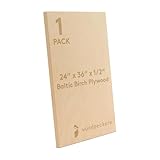
I remember the first time I tried to lift a corner of my old pop-up camper floor. It was sagging like a wet dishrag. Made me wonder, what exactly is holding this thing up? If you’re eyeing a used Coleman camper or just curious about what’s under your feet on your next trip, you’re probably asking yourself: are Coleman campers floors made from plywood?
The short answer is: usually, yes, but it’s not the whole story, and the quality can vary like a cheap tent in a hurricane.
Let’s break down what you’re really getting and what to watch out for.
The Actual Stuff Under Your Feet: Plywood and Beyond
When folks ask if Coleman campers floors are made from plywood, they’re usually thinking about the traditional, solid base you’d expect in a home or even a well-built RV. For a long time, and still in many of their models, the answer is a resounding ‘yes.’ Coleman has historically used plywood for their camper floors. It’s a cost-effective material that’s relatively strong and easy to work with for manufacturers. They typically sandwich this plywood between layers of vinyl or linoleum on the top and sometimes a protective undercoating on the bottom.
However, ‘plywood’ itself isn’t a single, monolithic thing. There’s a big difference between cheap particle board masquerading as plywood and a decent marine-grade ply. What Coleman (and most budget-friendly camper manufacturers) uses is usually a standard utility-grade plywood. It’s designed to do the job without breaking the bank.
This means it can be susceptible to moisture damage, which is the arch-nemesis of any camper floor. If water gets in – and trust me, it always finds a way – that plywood will eventually start to delaminate, rot, and get soft.
I once bought a used pop-up where the seller swore the floor was ‘solid.’ Turns out, ‘solid’ meant ‘partially solid with a few spongy spots that felt like walking on a waterlogged sponge.’ That was a rude awakening and a $300 repair bill for a new section of subfloor.
The thickness of the plywood also matters. Thicker plywood provides a more rigid and durable floor. You can often gauge this by tapping on the floor. If it sounds hollow and flexes significantly, it might be thinner material or, worse, already compromised. While Coleman is a well-known brand, they operate in a competitive market where price is a huge factor. This often means using materials that are good enough, but not necessarily the absolute best. So, while plywood is the common answer, the quality of that plywood and how well it’s protected from the elements is where the real story lies.
Why Your Camper Floor Might Feel ‘off’ (and How to Check)
The most common complaint about camper floors, especially older ones, is that they feel soft, spongy, or even like they might give way. This is almost always a sign of water damage to the subfloor, which, as we’ve established, is typically plywood. Water intrusion is the silent killer of many an otherwise decent camper. It can come from leaky seals around windows and doors, faulty plumbing, condensation from inside the camper, or even just rain getting under the canvas of a pop-up and dripping onto the floorboards. (See Also: Can A 4x8 Plywood Fit In A Honda Pilot )
So, how do you check? Before you even think about buying a camper, or if you’re just doing a sanity check on your current one, get down on your hands and knees. Seriously. Tap on the floor with your knuckles. Listen for a solid, consistent sound. Any areas that sound hollow, dull, or ‘thuddy’ are suspect. Then, put your weight on it. Gently walk around, especially near the edges, corners, and around any fixtures like sink bases or toilet mounts. If you feel any give, any ‘bounce,’ or any squishiness, that’s a red flag. Pay close attention to the floor edges where the walls meet the floor. This is a prime spot for water to seep in and cause rot.
Another tell-tale sign is visible mold or mildew, or a persistent musty smell. These are direct indicators of moisture trapped somewhere. Sometimes, you can see slight bubbling or discoloration in the vinyl flooring, which might suggest moisture underneath. Don’t be shy about poking gently with a screwdriver or awl in inconspicuous areas if you’re really concerned, especially if there’s a visible stain or softness. A small, clean poke is better than a surprise hole later. The goal here isn’t to damage the camper, but to assess its integrity. If the floor feels solid and sounds good when tapped everywhere, that’s a very good sign you’re dealing with a well-maintained unit or one that hasn’t been exposed to significant moisture issues.
Common Mistakes: What Not to Do with Your Camper Floor
One of the biggest mistakes people make is assuming that a camper floor is as durable as their home floor. It’s not.
They live a much harder life, exposed to the elements, vibrations from travel, and often, more than their fair share of spills. Another huge error is ignoring small leaks.
That little drip from a window seal or a condensation puddle under the fridge might seem insignificant, but over time, it’s enough to start degrading that plywood subfloor. I learned this the hard way when I ignored a persistent damp spot near the door of my first pop-up.
I thought a good drying out would fix it. A year later, I was replacing a quarter of the floor because the rot had spread silently beneath the surface.
Overloading your camper can also stress the floor. While the plywood is designed to hold weight, excessive concentrated loads, especially on weaker sections or areas already compromised by moisture, can lead to cracking or permanent sagging. Think about stacking heavy items directly on the floor in one spot for an extended period. Another common mistake is using harsh cleaning chemicals. While you want to keep your camper clean, some strong cleaners can degrade the vinyl or linoleum, and in turn, potentially reach the subfloor, weakening it over time or making it more porous. Always use cleaners recommended for RV or marine applications, or mild soap and water.
Finally, failing to properly winterize or store your camper is a recipe for disaster. If water is allowed to freeze and expand within any compromised areas of the floor, it can cause significant damage. Always make sure your camper is dry, well-ventilated, and ideally lifted off the ground on blocks if stored for a long period, especially in damp climates. Taking preventative steps now will save you headaches and money down the road. It’s not about being paranoid; it’s about being smart. (See Also: Can Bondo Be Applied To Plywood )
Real-World Use: Durability and Fixes
In real-world use, the plywood floors in Coleman campers, like most campers in their class, are generally adequate for their intended purpose. They’ll handle normal camping trips, carrying your gear, and people walking around. The key is maintaining them and understanding their limitations. If you’re a weekend warrior who sticks to paved campgrounds and takes care of your rig, you might never have a major floor issue. But if you’re planning on taking your camper off-road, through muddy fields, or using it extensively in humid environments, you’re going to put more stress on that floor.
The good news is that floor repairs are often manageable. If you discover soft spots, the most common fix involves cutting out the damaged section of plywood and replacing it with a new piece. This is often a DIY project for those with basic carpentry skills.
You’ll need to remove the flooring material (vinyl or linoleum) above the damaged area, cut out the rotten wood, treat any remaining moisture issues, seal the new plywood, and then re-install the flooring. It’s not glamorous work, but it’s very doable and significantly cheaper than paying for professional repairs.
Some people even opt to upgrade to a more durable subfloor material, like marine-grade plywood or even composite materials, when doing major repairs, though this adds to the cost.
For minor cosmetic issues or very small areas of weakness, sometimes a high-quality wood filler or epoxy can be used, but this is usually a temporary fix. The best approach is always to address the root cause of the moisture and replace the damaged material. I’ve personally used a combination of reinforcing the existing plywood with an extra layer and sealing the edges thoroughly after a minor leak. It held up for a couple of seasons until I could do a more proper replacement. It’s all about understanding what you’re dealing with and having a plan.
The Plywood Debate: Is There a Better Way?
Now, here’s where I get a little opinionated. Many folks will tell you that any wood subfloor in a camper is a ticking time bomb. And while I understand the sentiment, I think that’s a bit dramatic for the average user. The common advice to immediately replace all plywood with composite materials is often overkill, especially if you’re buying a new or well-maintained used camper and plan to take good care of it.
That said, for those building a custom camper, or undertaking a full restoration, using a composite material like Azek or marine-grade fiberglass-reinforced plastic (FRP) for the subfloor can offer superior resistance to rot and moisture. However, these materials are significantly more expensive and can be heavier than plywood.
My contrarian take? Plywood is fine, if it’s installed correctly, sealed properly, and regularly inspected. The real problem isn’t the plywood itself, but the common manufacturing shortcuts and the lack of diligent maintenance by owners. If a manufacturer used higher-quality plywood, better sealing techniques, and more solid undercoatings, the lifespan of the floor would be dramatically increased. And for owners, a bit of preventative maintenance – checking seals, wiping up spills immediately, making sure good ventilation – goes a much longer way than panicking about the material itself. (See Also: Can Cat Plywood Be Used For Exterior Siding )
Here’s a quick look at some materials and what they offer:
| Material | Pros | Cons | My Verdict |
|---|---|---|---|
| Standard Plywood | Cost-effective, readily available, easy to work with. | Susceptible to rot and water damage, can delaminate. | Adequate for most, but requires diligent maintenance. |
| Marine-Grade Plywood | Higher quality, more water-resistant than standard. | More expensive than standard, still susceptible to prolonged moisture. | A good upgrade if budget allows for better protection. |
| Composite/FRP Panels | Excellent water and rot resistance, very durable. | Significantly more expensive, can be heavier, harder to repair. | Ideal for custom builds or extreme conditions, but often unnecessary for casual campers. |
Ultimately, for a brand like Coleman, which aims for affordability and accessibility, standard plywood remains a practical choice. It’s about managing expectations and understanding what you’re buying.
Frequently Asked Questions About Coleman Camper Floors
Are All Coleman Campers Made with Plywood Floors?
While most Coleman campers, especially older pop-up models and many travel trailers, have historically used plywood for their subfloors, it’s not an absolute guarantee for every single model ever produced. Manufacturers sometimes use different materials for specific lines or update their construction methods over the years. It’s always best to inspect the specific unit you’re interested in.
Can a Wet Plywood Floor Be Salvaged?
Sometimes, yes, but it depends on the extent of the damage. Minor dampness might be dried out and sealed, but if the plywood has begun to rot, delaminate, or become soft and spongy, it usually needs to be cut out and replaced. Ignoring extensive water damage will only lead to bigger problems and potential structural failure.
How Can I Prevent Water Damage to My Camper’s Floor?
Regularly inspect and reseal window and door seals, check for roof leaks, make sure proper ventilation inside to reduce condensation, and dry up any spills or leaks immediately. Make sure the exterior of your camper is properly sealed and that water can run off freely. Proper storage, especially in humid areas, is also key.
What Is the Best Way to Repair a Soft Spot in My Camper Floor?
The most effective repair for a soft spot is typically to remove the flooring, cut out the damaged plywood section, replace it with new plywood of the same thickness, and then re-install the flooring. For very minor issues, some specialized wood fillers or epoxy might offer a temporary fix, but replacement is the most durable solution.
Final Verdict
So, are Coleman campers floors made from plywood? For the most part, yes, they are. It’s a common material that gets the job done, but it’s not invincible. Think of it like a good pair of hiking boots; they’ll last you ages if you clean them, dry them out, and resole them when needed. Neglect them, and they’ll fall apart faster than you can say ‘rotting wood.’ The key takeaway is understanding what you’re dealing with and being proactive.
Don’t let the word ‘plywood’ scare you away from a perfectly good camper, but don’t ignore the signs of moisture. A little bit of diligence in inspection and maintenance can save you a world of hurt and expense down the line. It’s about being a smart owner, not a worried one.
Before you sign on the dotted line for any used camper, or even just to check on your current rig, get down there, tap around, and trust your gut. If it feels solid and smells okay, you’re likely in good shape. If not, you know what needs to be done.