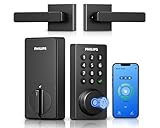
I remember the first time I bought one of those fancy digital door locks. It looked sleek, promised keyless convenience, and I felt like I was living in the future. Then came the battery death scare at 2 AM, followed by the panic of trying to remember the code I’d set and promptly forgotten. It made me wonder, are combination door locks safe, really? Beyond the battery life, how do they actually stack up against good old-fashioned keys?
We’ve all seen the movies where hackers bypass high-tech locks with a few keystrokes. That’s Hollywood, of course. But the reality isn’t always as simple, and there are definite trade-offs when you ditch the metal key for a sequence of numbers.
The Mechancial Maze: How Does It Actually Work?
Let’s get down to brass tacks. When we talk about combination door locks, we’re usually thinking about one of two main types: the good old mechanical push-button kind, or the more modern electronic/digital ones. They both aim for the same thing – security without a traditional key – but they get there in very different ways. Understanding this difference is key to knowing if they are truly safe for your needs.
Mechanical locks, the ones with a keypad of buttons, work on a purely physical principle. Inside, there’s a series of tumblers or levers, each connected to a specific button. When you press the correct sequence of buttons, it moves those internal components into a specific alignment, allowing the bolt to retract. Think of it like a very simple combination safe. There are no batteries to worry about, no Wi-Fi signals to intercept. The “code” is literally the physical configuration of internal parts that you’re telling it to achieve by pressing the buttons.
The beauty of these is their simplicity and reliability. I’ve had a mechanical combination lock on my shed for years.
It’s been rained on, snowed on, and still works. No batteries to change, no software to update.
The downside? The buttons can wear down over time, especially if it’s a high-traffic lock, and sometimes the sequence can be “felt” through the worn buttons, which is a known, albeit low, risk.
Plus, you’re limited to the number of buttons and the complexity the manufacturer allows for the code length. My first shed lock had a maximum of 4 digits, which felt a bit weak even for a shed. It’s generally considered safer from digital hacking, but can be vulnerable to physical manipulation or brute-force attacks if the lock mechanism itself is cheap.
Electronic or digital locks are a different beast entirely. These use a keypad (often touch-sensitive or physical buttons) connected to a microprocessor. When you enter your code, the keypad sends signals to the microprocessor, which checks it against the stored code.
If it matches, it sends a signal to a motor or solenoid that retracts the bolt. This is where things get more complex and, frankly, where the real questions about are combination door locks safe start to arise for many people. These locks can have vastly more complex codes, often 6-8 digits or more, and can be programmed with multiple user codes.
Many also offer features like remote locking/opening via an app, temporary access codes, and activity logs. This is the stuff that makes them convenient, but also introduces potential vulnerabilities.
The primary concern with electronic locks isn’t usually brute-force physical attacks on the lock cylinder itself, but rather digital threats. Think about it: if it’s connected to anything digital, it could be vulnerable. This is where people start worrying about signal jamming, hacking the firmware, or even exploiting vulnerabilities in the associated smartphone app. I’ve heard stories of people getting locked out because a software glitch made their code unusable, or, more rarely, heard of systems being compromised. It’s a trade-off: incredible convenience and flexibility versus a different set of security risks.
What to Look for When Buying
When you’re eyeing up one of these locks, whether it’s for your front door, a utility room, or a shed, there are a few things that tell me if it’s likely to be a solid performer or a potential headache. It’s not just about the number of digits you can use; it’s about the build quality and the reputation of the brand.
For mechanical locks, the first thing I check is the button material and design. Are they made of sturdy metal, or cheap plastic that will wear down in a year? Do the numbers feel distinct, or are they smooth and worn from a thousand previous entries?
A good mechanical lock will have clear, tactile feedback when you press a button. I also look at the overall construction of the lock body.
Is it solid metal, or does it feel flimsy? A heavier, more solid unit generally means better internal components and a stronger casing.
For my workshop, I opted for a mechanical lock from a brand known for producing solid hardware, and the difference in feel and durability compared to a cheap generic one was night and day. It cost me about $150, which felt steep at the time, but after seeing how it’s held up, I’d pay it again.
With electronic locks, the checklist is a bit different. Build quality still matters – you want a solid metal exterior that can withstand attempts at prying or damage.
But the real focus shifts to the electronics and connectivity. Is it battery-powered? If so, how many batteries does it take, and what’s the expected battery life? A lock that needs new batteries every month is a massive pain. (See Also: Are There Different Size Holes For Installing Door Locks )
Look for models that give you ample warning when the battery is low – a flashing light, a beep, or a notification on your phone are good signs. I’ve personally experienced the sheer terror of a dead battery at 3 AM on a digital lock, and it’s not something I want to repeat. It took me about 10 minutes of frantic fiddling with the emergency key override to get in, and I immediately ordered a backup set of alkaline batteries.
Connectivity is another big one for electronic locks. If it connects to Wi-Fi or Bluetooth, how is that connection secured?
Is there a reputable app that’s regularly updated to patch security flaws? A lot of the security concerns around electronic locks stem from vulnerabilities in their associated apps or cloud services, not the lock hardware itself. I’d lean towards brands that have a strong track record for cybersecurity and regular software updates.
Some locks have a physical key override as a backup. While this defeats the “keyless” aspect, it’s a important safety net if the electronics fail or are compromised. I consider this a must for any electronic lock on an external door. The interface itself also matters; some touchscreens are finicky, while others are responsive.
I prefer physical buttons for better tactile feedback, especially in cold weather or with gloves on.
The Real-World Use: Convenience vs. Security
Let’s cut to the chase: are combination door locks safe enough for your actual home? The answer, as with most things in life, is complicated. It’s not a simple yes or no. It depends on what you’re protecting, where you’re protecting it from, and the specific lock you choose. I’ve used both mechanical and electronic locks extensively on various doors – front doors, back doors, internal rooms, sheds, you name it. Each has its own set of pros and cons that play out differently in daily life.
For my main house door, I’ve landed on a high-quality electronic lock with a physical key backup. The convenience of not fumbling for keys when my hands are full of groceries or juggling a toddler is, frankly, a big deal. I can program temporary codes for friends or family who are visiting, and I get an alert on my phone if the door is locked or opened, which gives me a certain peace of mind when I’m away.
This specific model cost me a hefty $280, but the daily utility has been worth it. However, I’m acutely aware of the potential digital vulnerabilities.
I make sure the firmware is always updated and the associated app is current. The physical key override is my security blanket. If someone were to try a sophisticated digital attack, they’d have to be incredibly skilled and persistent, and even then, the physical key is my fallback.
The common advice to ditch physical keys entirely for digital locks is, in my opinion, naive and potentially dangerous if you don’t understand the risks.
On the flip side, for my detached garage, which stores tools and some less valuable items, a solid mechanical combination lock does the job perfectly. It’s been there for five years, never failed, and I never have to think about batteries or software updates.
The code is 6 digits, and while I know it’s not as complex as some digital locks, the physical barrier and the relative remoteness of the garage make it a low-risk target. The mechanical lock cost me around $90. If someone really wanted to get in, they could probably force it, but it’s a deterrent, and for that purpose, it’s more than adequate.
My experience here is that for less important access points, mechanical locks offer a simpler, often more reliable, security solution.
The biggest pitfall I’ve seen people fall into is buying the cheapest option available. A $30 digital lock from an unknown brand is likely to have flimsy construction, poor electronics, and weak software. It might look fancy, but it won’t offer much real security. The same goes for very cheap mechanical locks; they can be easily picked or brute-forced.
When you’re talking about securing your home, it’s one of those areas where skimping can cost you a lot more in the long run. The common advice to just “get a smart lock” without considering the specific needs and potential threats is often flawed.
For many situations, a well-made mechanical lock is perfectly sufficient and arguably more secure against certain types of attacks simply by virtue of its simplicity. My contrarian take? Don’t be blinded by the ‘smart’ features; sometimes, simpler is better and safer.
Common Mistakes and How to Avoid Them
People make some serious blunders when it comes to combination door locks, and it often comes down to either overestimating their capabilities or underestimating potential threats. I’ve made a few myself over the years, mostly related to convenience trumping common sense, and learned the hard way.
One of the most common mistakes is choosing a code that’s too simple or too predictable. We all do it – we pick our birthday, our anniversary, or a simple sequence like 1234. For a mechanical lock, this is a massive vulnerability. A determined attacker could literally try every common combination in minutes. (See Also: Are Sesame Seeds Kosher For Passoveris Pollock Kosher )
For digital locks, while the code might be longer, a predictable pattern can still be exploited if someone is observing you enter it. I once saw a neighbor change their code to 1-1-1-1-1-1 on their new digital lock because they said it was easy to remember. I nearly had a heart attack. When I pointed out how insecure that was, they brushed it off.
That’s the kind of attitude that makes you a target. The fix? Choose a random, complex code.
Mix numbers, don’t use obvious sequences, and for mechanical locks, try to use buttons that aren’t physically close together if the design allows. If you can’t remember it, write it down securely somewhere other than your wallet or under the doormat.
Another common error is neglecting maintenance, especially with electronic locks. Batteries die, and if you haven’t been paying attention to low-battery warnings, you can find yourself locked out in the cold, or worse, unable to secure your home. I learned this the hard way. My first digital lock had a very subtle low-battery indicator, and I missed it.
It died overnight, and I woke up to a door that wouldn’t lock. Thankfully, it was my internal office door, but it was a stark reminder. For mechanical locks, dirt and debris can get into the mechanism and cause buttons to stick or the bolt to jam. A quick spray of compressed air or a dry lubricant every six months can prevent a lot of headaches.
My advice: check the batteries monthly, even if the lock says they’ll last a year. And for mechanical locks, give them a good clean out periodically.
People also often underestimate the importance of the installation. A high-quality lock installed improperly is no better than a cheap lock installed correctly. If the door isn’t aligned properly, or if the strike plate on the frame isn’t set deep enough, even the best lock can be forced open with a shim or by simply kicking the door in.
I saw a friend install a fancy new digital lock, and it looked great. But the door was slightly warped, and the bolt only went halfway into the strike plate. A good shove would have opened it. It took us an hour to realign the door and deepen the strike plate.
Always follow the installation instructions meticulously, and if you’re not comfortable doing it yourself, hire a professional locksmith. They’ll make sure the door and frame are sound and the lock is fitted perfectly.
This is one area where spending a little extra on professional installation can save you a fortune in potential damage or theft.
The Tech Side: Are They Really Hackable?
This is the million-dollar question for many: are combination door locks safe from hackers? The short answer is: for most people, the risk of a sophisticated digital hack is extremely low, but not zero. It really depends on the type of lock and the hacker’s motivation and skill.
Mechanical locks are, by definition, not hackable in the digital sense. They can’t be compromised by Wi-Fi signals or malicious code.
Their vulnerabilities are physical: lock-picking, bumping (a specific technique for pin tumbler locks), or brute-force attacks by trying every possible combination. However, most mechanical combination locks are designed with security pins or other features that make traditional lock-picking difficult. Brute-forcing a mechanical lock with a large number of possible combinations can take a very long time, far longer than a burglar would typically spend at a single house.
The real weakness here is often the quality of the lock’s internal mechanism and the door it’s mounted on. A cheap, flimsy mechanical lock can be defeated relatively easily. If you’re going mechanical, invest in a reputable brand that uses hardened steel components and solid internal design.
I’ve seen some older, worn-out mechanical locks where the button presses are so obvious, you can almost guess the code by touch alone. That’s not a hack, but it’s a security failure.
Electronic locks are where the “hacking” discussion really kicks off. These can be vulnerable to several types of attacks, though again, many are theoretical or require significant expertise and proximity. One concern is brute-forcing the keypad itself. While most systems will lock you out after a certain number of incorrect attempts, a determined attacker could theoretically try combinations.
This is less of an issue with longer codes and auto-locking features. Another, more significant concern, is exploitation of the wireless communication protocols (like Bluetooth or Wi-Fi) if the lock uses them. Hackers might try to intercept signals, jam them, or even exploit vulnerabilities in the encryption used.
This is where regular software updates from the manufacturer become important. They patch these security holes. (See Also: Are Sliding Door Locks Common )
I recall reading about a specific vulnerability found in a popular smart lock brand a few years back that could allow someone to open it remotely. The company quickly released a patch, and users who updated their firmware were protected.
My personal experience and research suggest that for the average homeowner, the biggest digital threat is usually not a targeted hack, but rather exploiting weak passwords on your Wi-Fi network or the associated smart home ecosystem, or vulnerabilities in the smartphone app itself. If your phone is compromised, the lock could be too. This is why practicing good cybersecurity hygiene – strong Wi-Fi passwords, unique app passwords, and keeping all your devices updated – is just as important as the lock itself. According to general cybersecurity best practices, using multi-factor authentication where available and disabling features you don’t use can significantly reduce your attack surface.
For those who are extremely security-conscious, sticking to a high-quality mechanical lock or an electronic lock with a very solid, well-tested encryption and a reliable physical key override is the way to go. The thought of someone hacking my front door lock while I’m asleep is unnerving, but I’ve found that by using reputable brands and staying vigilant with updates, the risk is manageable for my peace of mind.
A Few Practical Tips for Peace of Mind
So, you’ve decided to go with a combination lock, or you already have one. To make sure you’re getting the most out of its security and convenience, here are a few real-world tips I’ve picked up that have genuinely made my life easier and my doors more secure. They’re not fancy, but they work.
First off, if you have an electronic lock, don’t be lazy about the batteries. Seriously. I know I’ve harped on this, but it’s the number one reason people get locked out or have their security compromised.
Most modern electronic locks give you plenty of warning – flashing lights, audible beeps, and app notifications. Treat these warnings like a fire alarm.
Keep a spare set of high-quality alkaline batteries (not the cheap ones) somewhere easily accessible, maybe in a kitchen drawer or your car. Swap them out the moment you get a low-battery alert, or even a week before if you tend to forget. It’s a small hassle that prevents a potentially big disaster. The cost of a few sets of batteries is peanuts compared to the stress and potential cost of being locked out or having your home security fail.
Secondly, if your lock has a physical key override – and I strongly recommend you get one that does – keep that key somewhere safe and accessible, but not obvious. Not under the doormat, not in a fake rock. Think about a secure lockbox outside, a safe deposit box (though that’s extreme for a house key), or with a trusted neighbor. I gave a spare key to my sister who lives a few towns over.
It’s far enough that a burglar wouldn’t think to look there, but close enough that if I ever really needed it, she could get it to me. This is your ultimate backup against electronic failure or digital compromise.
It’s the analog safety net in a digital world.
Third, and this applies to both mechanical and electronic locks: secure your door and frame. A fantastic lock on a weak door or a poorly installed frame is like a high-tech security system on a cardboard box. Make sure your door is solid core, not hollow. Reinforce your door frame with longer screws that go into the wall studs, not just the door jamb.
Install a high-quality strike plate. Many burglars will try to kick in a door or pry it open at the frame before they even bother with the lock itself.
I spent about $50 on longer screws and a heavy-duty strike plate for my back door after a minor break-in attempt on a neighbor’s house. It was a simple, cheap upgrade that significantly strengthened the overall security of my entryway.
Finally, for electronic locks, be mindful of your connected environment. Use a strong, unique password for your Wi-Fi network and your smart home app.
Enable two-factor authentication (2FA) whenever possible. Review the privacy settings of your smart lock app regularly.
If you’re not using features like remote access or temporary codes, consider disabling them. The less your lock (or its associated services) is exposed, the less vulnerable it is. I learned this lesson the hard way after a data breach on a different online service exposed my email and password, which I had reused. It made me realize how interconnected everything is, and how a weakness in one place can affect another.
It’s about building layers of security, not relying on a single point of defense.
| Lock Type | Pros | Cons | My Verdict |
|---|---|---|---|
| Mechanical Combination Lock | Simple, no batteries, reliable, resistant to digital hacking. | Limited code complexity, buttons can wear, potential for physical bypass. | Excellent for sheds, garages, or secondary doors where extreme digital security isn’t most important. Reliable and low-maintenance. |
| Electronic/Digital Combination Lock (with Key Override) | High code complexity, programmable codes, convenient, potential for smart features. | Requires batteries, potential for digital vulnerabilities (hacking, app exploits), can be complex to install/maintain. | Great for main entry doors if you prioritize convenience and have a reputable model with a key override. Regular maintenance and security awareness are key. |
| Electronic/Digital Combination Lock (Keyless Only) | Maximum convenience, sleek design. | No backup for electronic failure/hacking, highest risk of being completely locked out. | Generally avoid for main entry points unless you are an extreme tech enthusiast and fully understand the risks. Too much potential for failure. |
Final Verdict
So, are combination door locks safe? For the most part, yes, they absolutely can be, provided you make smart choices. The key is understanding the different types, choosing a reputable brand, and not skimping on installation or maintenance. A well-made mechanical lock on a shed is likely more secure than a cheap digital lock on your front door, simply because of its solid simplicity.
If you’re opting for the convenience of an electronic lock, prioritize models with a physical key override, keep up with battery changes and software updates religiously, and practice good digital hygiene across your entire home network. Don’t let the convenience blind you to the potential risks. My own experiences, from battery scares to the need for stronger door frames, have taught me that security is a layered approach, and a combination lock is just one piece of the puzzle.
Ultimately, the best lock for you is the one that fits your specific needs, budget, and your comfort level with both mechanical and digital security. Invest wisely, maintain diligently, and you can enjoy the benefits of keyless entry without compromising your peace of mind.