I remember the first time my AC unit started groaning like a dying whale. It was a sweltering August afternoon, and the thought of it sputtering out was more terrifying than a horror movie marathon. That’s when I learned about condensate pumps, these little workhorses that prevent your air conditioner from backing up and flooding your basement. But then a question popped into my head, a nagging worry: are condensate pumps an ignition source? It seemed unlikely, but you hear all sorts of things in the world of home maintenance.
The idea that a simple pump could pose a fire risk felt like a stretch, but I’ve definitely wasted money on products that promised the moon and delivered dust. So, I dug in, and frankly, the answer isn’t a simple yes or no. It depends on a few things, and honestly, most homeowners probably don’t give it a second thought until something goes wrong.
How Your Ac’s Drainage System Works (and Where the Pump Fits In)
Look, most of the time, your air conditioner is just chilling, literally. It cools your house by passing warm indoor air over cold evaporator coils. As the air cools, the moisture in it condenses, forming water droplets. Normally, this water drips into a collection pan and then flows away via gravity through a drain line. Simple, right? Well, not always. If your AC unit is in a basement, attic, or any location below the level of your home’s main drain or outside, gravity just isn’t going to cut it. That’s where the condensate pump earns its keep.
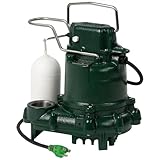
A condensate pump is basically a small, submersible pump that sits in a reservoir. When water from the AC’s drain pan fills up this reservoir, a float switch inside the pump gets pushed up. This activates the motor, which then pumps the water out and away from your house, usually into a drain pipe or even outside. They’re usually pretty quiet, just a little whirring sound when they kick on. I had one in my old house that was in a crawl space, and I honestly forgot it was there until a squirrel decided to investigate it. It made a racket then, but it was working fine.
The most common type of condensate pump you’ll find is a submersible one, meaning the whole unit sits in the water. There are also ‘thermally protected’ motors on some, which means if it overheats, it’s designed to shut off. That’s a good sign. Then there are the simpler, ‘diaphragm’ pumps, which might seem less complex but can sometimes be less durable. What’s important to understand is that these pumps are electrically powered. They have a motor, wires, and a switch. And anything electrical, in the wrong circumstances, could potentially be an ignition source. It’s not the pump itself being inherently dangerous, but how it’s installed, maintained, and whether it’s faulty.
For instance, if the pump is constantly running because the drain line is clogged or the float switch is stuck, the motor could overheat. Or, if there’s a frayed wire somewhere, that’s a direct electrical hazard. This is why regular checks are so vital. I learned this the hard way after a minor flood from a backed-up AC. Turns out, the drain line had a bird’s nest in it, and the pump was working overtime. It didn’t cause a fire, thank goodness, but it could have.
What Makes a Condensate Pump Potentially Risky? (spoiler: It’s Usually Not the Pump)
So, are condensate pumps an ignition source? The short answer is: not usually, but it’s possible under specific, often preventable, circumstances. The pump itself is designed to be safe for its intended environment. Most condensate pumps are built with safety features, like internal thermal overload protectors. This means if the motor gets too hot from running too long, it’s supposed to shut itself off to prevent damage and, yes, to prevent it from becoming an ignition source. Pretty smart, when you think about it.
However, these safety features aren’t foolproof, and they can fail. The real risks usually stem from external factors or poor maintenance. Think about it: these pumps are often in damp, dark, and sometimes dusty places like basements or attics. This environment itself can be a breeding ground for issues. Dust and debris can clog the pump’s intake or the reservoir, forcing the motor to work harder. If the pump gets clogged and can’t move water, it’ll just keep trying, and that continuous strain is what can lead to overheating. I once found a pump practically buried under old insulation and cobwebs. It was still working, but I’m pretty sure it was on its last leg.
Another major culprit is improper installation. Electrical connections need to be secure and protected from moisture. If a connection is loose, corroded, or exposed, it can arc, which generates heat and sparks. Sparks, as we all know, are a big no-no around flammable materials like dust, insulation, or even just dry wood. I’ve seen DIY installations that made me sweat just looking at them – wires taped up like a mummy, not even in conduit. That’s just asking for trouble.
The float switch is another important component. If it gets stuck in the ‘on’ position (either by debris or mechanical failure), the pump will run continuously. This constant operation can overheat the motor. Conversely, if it gets stuck in the ‘off’ position, the reservoir will overflow, leading to water damage, but the pump motor itself won’t be the immediate ignition risk, though the resulting water damage could cause other electrical issues later on.
Finally, the age and quality of the pump matter. Older pumps might have worn-out components or less sophisticated safety features. Cheaper, lower-quality pumps might not have the same solid build or reliable safety mechanisms as their more expensive counterparts. It’s a bit like buying a cheap extension cord versus a heavy-duty one; sometimes, you really do get what you pay for when it comes to safety and reliability. (See Also: Are Pumpkin Seed Husks Edible )
Common Condensate Pump Mistakes and How to Avoid Them
I’ve made my fair share of home repair mistakes, and dealing with my AC’s drainage system was definitely one of them. The biggest mistake I see people make is thinking the condensate pump is a ‘set it and forget it’ device. It’s not. These things need a little TLC. Ignoring regular maintenance is probably the number one reason a pump might fail or, in the worst-case scenario, become a hazard.
So, what are these common mistakes? First, not cleaning the pump reservoir and intake. Over time, gunk, sludge, and even small debris can accumulate. This restricts water flow and makes the pump work harder. I try to clean mine out at least twice a year, usually in the spring before AC season kicks off and again in the fall. It takes maybe 15 minutes, and it’s worth every second.
Second, neglecting the drain line. That line is the lifeline for your AC’s water. If it gets clogged – and they do get clogged with algae, mold, or even nesting critters – the water backs up. If the pump can’t keep up, the reservoir overflows. Sometimes, people just assume the pump is broken when really, the drain line is the problem. A simple flush with a bit of vinegar or a specialized drain cleaner (check your AC manual first!) can often clear these clogs. I used a wet/dry vac on the exterior end of the drain line once to suck out a blockage, and it worked like a charm.
Third, improper electrical connections. This is huge. When installing or replacing a pump, make sure all wire nuts are tight and sealed. If the pump is plugged into an outlet, make sure it’s a GFCI-protected outlet, especially if it’s in a damp area. And for Pete’s sake, don’t let wires dangle or touch water. Use waterproof connectors if you’re doing any splicing. I’ve seen some truly terrifying ‘DIY’ electrical work that looked like a spider had a convention on the wires.
Fourth, ignoring strange noises or frequent cycling. If your pump starts making new noises – grinding, humming louder than usual, or sounding like it’s struggling – don’t ignore it. Likewise, if it’s kicking on and off constantly, that’s a sign something’s wrong. It could be a stuck float switch, a partial clog, or a motor that’s about to give up the ghost. Addressing these early can prevent more serious problems, including potential overheating issues.
Finally, using the wrong type of pump for the job. Not all pumps are created equal. Some are designed for higher lift (pumping water higher) or higher volume. Using an undersized pump for your specific AC unit or drainage situation can lead to it running too much and overheating. Always check the specifications and match the pump to your needs. It might cost a bit more upfront, but it’s cheaper than a disaster.
Real-World Use: My Experience with Condensate Pumps
I’ve had at least three different condensate pumps in my life, across two different homes. The first one was in the house I bought with my ex. It was a decent unit, a brand I’d never heard of, but it worked for about five years without a hiccup.
Then, one summer, the AC started blowing warm air. I checked the indoor unit, and the drip pan was overflowing. Panic set in. I went down to the basement, and sure enough, the condensate pump reservoir was full, but the pump wasn’t running.
I pulled it out, and the float switch was absolutely jammed with some kind of slimy, black gunk. It looked like swamp water had taken up residence in there. Cleaning it out got it running again, but it scared me. That’s when I realized these things needed attention.
My current house came with a really cheap, flimsy-looking pump. It was noisy from day one. (See Also: Are Pumpkin Seed Acid Or Alkaline )
It sounded like a tiny, angry badger trapped in a bucket. I hated it.
It was also a non-submersible type, meaning the motor sat above the water level. After about a year, it just… died. No warning, no noise, nothing.
Just stopped working. The AC backed up, and I got a nice little puddle on my laundry room floor. This time, I decided to invest a bit more. I bought a Zoeller submersible pump – yeah, they make plumbing stuff, not just sump pumps.
It was about $180, which felt steep for a little plastic box, but it’s been silent and reliable for three years now. It also has a safety shut-off, which is a big plus.
The biggest surprise for me was how much gunk can build up. Seriously, it’s like a science experiment in there. Algae, slime, bits of insulation, even a dead bug or two.
It’s gross, but it’s also why regular cleaning is a must. I learned to check the float switch for free movement every few months. I also learned to listen to the pump. If it sounds different, I investigate.
This proactive approach has saved me from floods and, I believe, potential hazards. I’ve never personally experienced a condensate pump causing a fire, but I’ve seen enough scary electrical work and neglected equipment to know it’s not impossible if things go really, really wrong. The potential is there if you ignore it.
Are Condensate Pumps an Ignition Source? The Facts and Myths
Let’s cut through the noise. The question, ‘are condensate pumps an ignition source?’, gets a lot of murky answers online. Some forums scream ‘fire hazard!’, while others dismiss it entirely. The reality, as usual, is somewhere in the middle, leaning heavily towards ‘rarely, if properly maintained’.
Here’s the breakdown of facts vs. myths:
| Claim/Myth | Reality | Verdict |
|---|---|---|
| Myth: All condensate pumps are fire hazards. | Fact: Modern pumps are built with safety features like thermal overload protection. They are designed for use in potentially damp environments and are generally safe when installed and maintained correctly. | False |
| Myth: A little water leak from the pump is no big deal. | Fact: While small drips might seem minor, prolonged water exposure can damage electrical components in the pump or surrounding areas, increasing the risk of short circuits and potential ignition. Also, it’s a sign the pump isn’t functioning optimally. | False |
| Fact: Overheating motors can be an ignition source. | Fact: If a pump motor overheats due to excessive strain (clogs, stuck switch) or internal failure, and its thermal protection fails, it can reach temperatures high enough to ignite nearby flammable materials, such as dust or insulation. | True |
| Fact: Bad electrical connections are a serious risk. | Fact: Arcing, loose wires, or corroded connections can generate sparks. In dusty environments, these sparks can easily ignite accumulated dust, posing a significant fire risk. This is an electrical hazard, not necessarily a pump-specific one, but the pump is the device involved. | True |
| Myth: Only expensive pumps are safe. | Fact: While quality matters and cheaper pumps may have fewer safety features or less durable components, even a moderately priced, well-maintained pump can be safe. The key is proper installation, regular maintenance, and using a pump suitable for the application. | False |
The most common scenario where a condensate pump could theoretically contribute to a fire involves a combination of factors: a clogged pump leading to prolonged motor run-time, a failure of the thermal overload protection, and the presence of combustible dust or debris around the unit. It’s a chain reaction, and each link can be prevented. (See Also: Are Organic Pumpkin Seeds From China Bad )
The common advice to just replace your pump every few years is often overkill if you maintain it. However, if a pump is showing signs of wear, making strange noises, or is an older model with questionable safety features, replacing it is a wise preventative measure. I’d rather spend $150 on a new pump than deal with fire damage or a major flood. It’s about risk management.
Practical Tips for Keeping Your Condensate Pump Safe and Sound
Alright, enough doom and gloom. Condensate pumps are generally reliable pieces of equipment, and the chances of one starting a fire are slim to none if you do a few basic things. Think of it like owning a car – you wouldn’t drive it without oil changes and tire checks, right? Your pump needs similar attention.
Here’s my practical checklist. First off, check the pump’s manual. Seriously. It’ll tell you what the manufacturer recommends. If you lost it, a quick search online for the model number usually yields results. Most recommend flushing the system periodically. I do this with a gallon of water mixed with a capful of bleach or vinegar about twice a year. Pour it directly into the drain pan or the pump reservoir (follow your manual’s advice). This helps kill algae and slime before they become a problem.
Next, inspect the float switch. Make sure it moves freely. You can gently pull it up and let it drop to make sure it’s not sticking. If it feels stiff or you see debris around it, clean it carefully with a damp cloth or a soft brush. A stuck float switch is a one-way ticket to either an overflowing pan or a constantly running, overheating pump.
Listen to your pump. When it runs, does it sound like it always has? Or is it suddenly louder, grinding, or sputtering? Any change in sound is a red flag. Don’t wait for it to fail completely. If it sounds ‘off,’ it’s time to pull it out and inspect it. Check the intake screen for clogs. I’ve found everything from small pebbles to bits of plastic that somehow found their way into the drain line.
Check the electrical connections. If your pump is plugged into an outlet, make sure the plug isn’t visibly damaged and that the outlet itself is in good condition and, ideally, GFCI protected. If you have hardwired connections, periodically (and safely, with the power off!) check that they are secure and free from corrosion. If you’re not comfortable with electrical work, get a qualified electrician to check it. It’s not worth the risk.
Finally, consider the environment. If your pump is in a particularly dusty or cluttered area, take some time to tidy up around it. Remove any loose debris, cobwebs, or flammable materials that might be sitting too close. This isn’t just about preventing a fire; it’s about making sure the pump can operate without obstruction and ventilate properly if it needs to. My current pump is in a relatively clean utility closet, but the old one was under a leaky pipe, and I always worried about water getting into the motor housing. It’s about being aware of its surroundings.
Final Verdict
So, to circle back, are condensate pumps an ignition source? In a properly installed, regularly maintained system, the risk is extremely low. They are designed with safety in mind. The real danger comes from neglect: clogged lines, stuck switches, faulty wiring, and the resulting strain on the motor. These aren’t inherent flaws of the pump itself, but rather issues that arise from improper care.
My advice? Don’t lose sleep over it, but don’t ignore it either. Treat your condensate pump like any other vital piece of home equipment. A quick check every few months, a proper cleaning twice a year, and paying attention to any weird noises will go a long way in making sure it operates safely and efficiently.
If you’re unsure about any aspect of its installation or maintenance, especially the electrical parts, just call a professional. It’s a small investment for peace of mind. And if your pump is old, showing signs of wear, or just makes you nervous, seriously consider replacing it. It’s a lot cheaper than dealing with the consequences of a failure.