I’ve been elbow-deep in mop buckets and grout lines for what feels like an eternity, and let me tell you, I’ve seen my share of flooring trends come and go. The dark tile floor craze? It swept through homes like wildfire, promising sleek sophistication. But beneath that glossy exterior, a question lingered: are dark tile floors hard to keep clean? I remember staring at my brand-new, deep charcoal tiles, convinced I’d made the design choice of the century. Then, the first dust bunny appeared, looking like a tiny white ghost against the void. That’s when I realized this wasn’t going to be as simple as it looked.
Everyone talks about how chic they are, but nobody really tells you the nitty-gritty. The reality is, keeping those dark surfaces looking spotless can be a daily battle if you’re not prepared. It’s not impossible, but it definitely requires a different approach than lighter floors.
The Truth About Dark Tile and Dust Bunnies
Let’s cut to the chase. Yes, dark tile floors, particularly those with a glossy finish, can be a magnet for dust, pet hair, and those little white chalky streaks you get from shoes. It’s all about contrast.
Your light-colored dust and debris show up like a neon sign against a black backdrop. I learned this the hard way in my first place with dark granite countertops – everything, and I mean everything, showed up.
The same principle applies to floors. Think about it: a single strand of light-colored pet hair on a white tile might blend in, but on a dark tile?
It’s practically screaming for attention. And forget about water spots; they’re your new best friend, appearing like clockwork after every mopping session unless you have a secret trick up your sleeve.
The type of tile matters, too. Matte finishes are generally more forgiving than glossy ones. A high-gloss dark tile is basically a mirror, reflecting every speck of dirt and every scuff mark.
I once installed some dark porcelain tiles with a very subtle texture, and while they still showed dust, it wasn’t the immediate, glaring problem you get with super-shiny surfaces. The texture broke up the light just enough. On the flip side, if you have a lot of natural light and a busy household with kids and pets, those dark, glossy floors are going to demand a lot of your time. You’ll find yourself doing mini-sweeps multiple times a day if you want that pristine look.
It’s not a floor you can just ignore for a few days and expect it to look tidy.
When I first moved into my current house, the previous owners had installed dark gray, almost black, glossy porcelain tile throughout the main living area. It looked stunning in the staged photos and even when I first saw it. But within 24 hours of moving in my boxes, the floor looked like a battlefield. My golden retriever’s fur, which I thought was a light golden, was everywhere. And the tiny white specks from the drywall dust from unpacking? They formed little constellations. I spent the first weekend just frantically sweeping and mopping, feeling like I was in a losing battle. I honestly regretted it for a solid month before I figured out a routine. (See Also: Can Baking Soda Be Use To Clean Tile Floors )
Choosing the Right Dark Tile: What to Look For
If you’re set on dark tile, don’t despair. There are ways to mitigate the cleaning headache. The biggest factor is the finish. Glossy is the enemy of low-maintenance living when it comes to dark floors.
You want to look for tiles with a matte or honed finish. These finishes don’t reflect light as intensely, so dust and minor scuffs are less obvious. I’ve found that a satin finish is a good compromise – it still has a bit of sheen but isn’t a full-on mirror.
Another thing to consider is the tile’s surface texture. A tile with a very subtle, almost imperceptible texture can hide imperfections better than a perfectly smooth surface. Think of it like patterned wallpaper versus a plain white wall – the pattern hides minor bumps and blemishes.
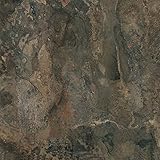
The color itself plays a role, too. Instead of pure black or a very deep, solid dark gray, consider darker shades with some variation or flecks of lighter color. Think of a dark charcoal with hints of brown or a deep navy with subtle lighter veins. These natural variations can camouflage dust and dirt much more effectively than a uniform, dark expanse. I’ve seen some beautiful dark wood-look tiles that have a lot of natural grain variation, and they are surprisingly forgiving. It’s the perfectly uniform, jet-black gloss that really screams ‘clean me now!’
When you’re at the tile store, don’t just look at the samples under perfect lighting. Ask to see them in different light conditions, or better yet, see if they have a larger display area where you can get a better sense of how they’ll look in a real room. If possible, get a sample and take it home. Put it on your floor, walk on it, and see how it looks after a day or two. This is the best way to avoid buyer’s remorse. I made the mistake of just picking based on the small sample and the showroom lights, and it cost me a lot of cleaning time later.
Common Mistakes People Make with Dark Tile Floors
One of the biggest mistakes people make is assuming that because the tile is dark, it means dirt won’t show. This is categorically false. In fact, lighter dirt and dust show up more prominently. People also tend to over-clean, thinking they need to mop every single day. This can lead to its own set of problems, like water spots and mineral buildup, especially if you’re using a harsh cleaner or too much water. I’ve seen friends with dark tile floors using aggressive, ammonia-based cleaners daily, and it just leaves a hazy film that looks even worse than the original dirt. It’s a vicious cycle.
Another common error is not having the right tools. A standard sponge mop might seem fine, but it can drag dirt around and leave streaks, especially on a glossy surface. You need a mop head designed for smooth floors, something that absorbs well and doesn’t leave lint. Microfiber is your best friend here. I also see people using way too much cleaning solution. Less is often more. A dilute solution of a pH-neutral cleaner is usually all you need for daily touch-ups. For deeper cleaning, you still don’t need to go overboard. Remember, you’re not trying to strip paint; you’re trying to remove surface dirt and grime.
I also think people underestimate the power of a good doormat. Seriously, I can’t stress this enough. If you have dark tile floors, you need a high-quality doormat at every entrance. Not just any flimsy thing, but a substantial mat that actually traps dirt and moisture. I used to think one mat was enough, but when I installed a second, more absorbent mat right inside the back door (where most of our traffic comes in), the difference in how much grit ended up on my floors was astounding. It felt like I’d cut down on sweeping by nearly half.
Real-Life Use: How I Keep My Dark Tiles Looking Decent
Okay, so the dream of spotless dark tiles with zero effort is a myth. But that doesn’t mean you have to live with a perpetually dusty floor. My strategy involves a combination of daily habits and a more thorough weekly clean. Every morning, and again in the evening, I do a quick sweep or a pass with my cordless stick vacuum, focusing on the main traffic areas. (See Also: Can Ceramic Tile Flooring Harm Her )
This takes all of three minutes. It’s just enough to catch the obvious stuff – the pet hair, the crumbs from breakfast, the bits of leaves tracked in from the garden.
This quick sweep is the single most effective thing I do. It prevents the dust from settling in and becoming harder to remove.
For mopping, I’ve moved away from traditional mops and swear by a spray mop with a microfiber pad. I use a solution of warm water with a tiny squirt of a pH-neutral floor cleaner. I dampen the pad – I don’t want it dripping wet. I work in small sections, and I make sure to rinse the pad thoroughly or switch to a clean one if it gets too dirty.
This prevents me from spreading dirty water around. I usually do a proper mop every 3-4 days, or more often if we’ve had a particularly messy day (spaghetti sauce incident, anyone?). I also keep a small dustpan and brush set and a microfiber cloth handy for quick spot clean-ups throughout the day. Spills?
Wipe them up immediately. A stray smudge? Buff it out with the dry cloth. It’s about consistent, small efforts rather than one big, overwhelming cleaning session.
Another trick I’ve learned is to use distilled water for my mopping solution, especially if you have hard water. Tap water, with its mineral content, can leave those chalky streaks behind. Using distilled water makes a noticeable difference in the final sheen, or lack thereof, after mopping. It might sound like overkill, but when you’re dealing with dark floors, every little bit helps. I also make sure to clean the microfiber pads religiously. I wash them separately from other laundry, with no fabric softener, and air dry them. Fabric softener can make them less absorbent and leave streaks.
What to Look for in a Dark Tile Cleaner
When picking a cleaner for your dark tile floors, avoid anything too acidic or alkaline. These can etch or dull the finish over time. Stick with pH-neutral cleaners. Also, steer clear of anything with ammonia or bleach for regular cleaning. While they might seem like they’ll get things cleaner, they can leave residues that attract more dirt or damage the sealant on your grout. Look for cleaners specifically designed for tile floors, or even a general-purpose cleaner that’s labeled as pH-neutral. Some people swear by just water and a microfiber mop, and for light daily cleaning, that’s often enough.
Can I Use a Steam Mop on Dark Tile Floors?
Generally, yes, you can use a steam mop on most porcelain and ceramic dark tile floors. Steam can be very effective at lifting dirt and sanitizing without chemicals. However, it’s important to check your tile manufacturer’s recommendations. Some grout types, especially unsealed or epoxy grout, might not react well to high heat and moisture. Also, avoid steam mops on natural stone tiles like marble or granite, as the heat and moisture can damage them. Always start on a low setting and make sure your mop pad is clean and dry before you begin.
How Often Should I Clean Dark Tile Floors?
This is where honesty is key. For a pristine look, daily sweeping or vacuuming of high-traffic areas is best. A proper mop should happen every 3-4 days, or as needed based on visible dirt. If you have pets or young children, you’ll likely find yourself mopping more frequently. The goal is to prevent dirt from building up and becoming embedded, which is much harder to clean than fresh dust. (See Also: Can I Epoxy Over Vinyl Tile Floor )
What’s the Best Way to Clean Grout on Dark Tile?
The grout is often the real challenge. For regular cleaning, a diluted pH-neutral cleaner and a stiff brush (a grout brush or an old toothbrush works well) is sufficient. For tougher stains, a paste of baking soda and water can be effective. Apply it, let it sit for 10-15 minutes, then scrub and rinse thoroughly. If your grout is unsealed, it will absorb stains more easily. Consider sealing your grout to make cleaning and maintenance much easier. For very stubborn stains, a dedicated grout cleaner might be necessary, but test it in an inconspicuous area first.
| Cleaning Task | Frequency | Notes/Verdict |
|---|---|---|
| Daily Sweep/Vacuum (High Traffic Areas) | Daily (or twice daily) | Verdict: Key. Prevents dust buildup. Takes minutes. |
| Spot Cleaning Spills/Smudges | As needed | Verdict: Important. Immediate action is best. Keep supplies handy. |
| Mopping (Light Clean) | Every 3-4 days | Verdict: Recommended. Use pH-neutral cleaner, damp microfiber pad. |
| Deep Cleaning (Tougher Grime) | Weekly or Bi-weekly | Verdict: Optional. May require a slightly stronger (but still pH-neutral) cleaner or a baking soda paste. |
| Grout Cleaning | As needed | Verdict: Important. Regular attention prevents deep stains. Sealing helps immensely. |
Contrarian View: Are Dark Tiles Actually Harder to Keep Clean?
Here’s my hot take that might ruffle some feathers: While dark tiles show dust more obviously, the idea that they are inherently harder to keep clean is, in many ways, a myth perpetuated by people who are unwilling to adapt their cleaning habits. Everyone says, “Oh, dark tiles, forget about it, they’re a nightmare!” But I disagree. If you’re diligent with daily sweeping or vacuuming and use the right tools, you can maintain them just fine.
The real issue isn’t the tile color; it’s the expectation that you can ignore them for a week and have them look perfect. Lighter tiles might hide dust better, but they show scuffs, grime, and muddy footprints much more readily. I’ve had light beige tiles that looked perpetually dingy after a month because every speck of dirt just sat on top, becoming ground-in grime.
My experience is that dark tiles, especially with a matte or textured finish, are easier to keep looking generally clean on a day-to-day basis, provided you do that quick daily sweep. The dust is visible, yes, but it’s typically just sitting on the surface, waiting to be picked up. It’s not embedded grime. It’s a superficial problem.
With lighter tiles, the dirt can blend in and become much harder to remove without a deep scrub. So, while the visual feedback is more immediate with dark tiles, the actual cleaning effort to maintain a decent appearance might be less than you think, assuming you’re willing to sweep daily. The upfront visual shock of dust is replaced by the insidious, ground-in dirt of lighter floors.
It’s a trade-off, and for me, the visible dust is the easier battle.
Conclusion
So, are dark tile floors hard to keep clean? The short answer is: yes, they can be, but it depends a lot on the finish, your lifestyle, and your willingness to be a bit more proactive. If you’re dreaming of dark, glossy tiles and envisioning yourself mopping only once a month, you’re in for a rude awakening. However, if you’re prepared to sweep daily, use the right tools, and embrace a slightly more frequent cleaning routine, you can absolutely enjoy the sophisticated look of dark tile without drowning in dust bunnies. It’s about setting realistic expectations and adopting a strategy that works for you.
My advice? Go for a matte or textured dark tile if you can. Invest in a good microfiber mop and a quality doormat. And remember that a quick daily sweep is your secret weapon against the visual onslaught of dust and pet hair. Don’t let the fear of cleaning deter you, but also, don’t underestimate the maintenance required.
Ultimately, the decision rests on whether the aesthetic appeal of dark tile floors outweighs the extra bit of daily upkeep they might demand. For me, the sleek look is worth the few extra minutes with the broom each day, but I’m also the type who finds satisfaction in a clean floor, no matter the color.