I remember fumbling for my keys in the dark, rain soaking through my jacket, praying I wouldn’t drop the groceries. That’s when I finally said, ‘Enough!’ and looked into those fancy digital door locks. But then I hit a wall: are digital door locks electric or battery powered? It sounds like a basic question, but the answer actually matters for how you’ll use and maintain one.
The short answer is that most modern digital door locks, the ones you’d actually want to buy, are primarily battery-powered. This makes them way more flexible than being tied to your home’s wiring. But understanding the nuances of both power sources is key to not getting burned.
Powering Your Entry: The Battery-Born Locks
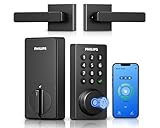
Let’s cut to the chase: the vast majority of digital door locks you’ll find on shelves and online today run on batteries. We’re talking about those sleek keypads, fingerprint scanners, and even ones you control with your phone. The reason is pretty simple: convenience and installation ease. Nobody wants to call an electrician to wire a lock into their front door. Battery-powered makes it a DIY job for most people, which is a huge selling point.
The typical setup involves a set of AA or sometimes 9-volt batteries. These power everything from the motor that actually turns the deadbolt to the electronics that read your codes, fingerprints, or Bluetooth signals. It’s a self-contained unit. I’ve got one on my back door that’s been chugging along for over two years on the original set of AAs. They’re surprisingly efficient these days. The lock will usually give you a heads-up when the batteries are getting low, often through a blinking light or a chime, and sometimes even a notification on your phone if it’s a smart lock connected to Wi-Fi.
My first foray into this world was with a brand I won’t name (but it rhymes with ‘Schmergency Lock’) that promised the moon. It ran on four AA batteries. The first month was great. Then, just as I was heading out for a weekend trip, it decided its batteries were really low. The keypad was flashing red, and it refused to let me lock the door from the outside. I ended up having to wedge it open with a brick and hope for the best until I could get new batteries. That’s the kind of surprise you don’t want. Modern ones are better, but it’s a good reminder that battery life isn’t infinite.
The biggest advantage here is that if the power goes out in your house, your digital lock still works. This is a massive plus. You aren’t going to be locked out of your own home because of a neighborhood blackout. The batteries have their own dedicated power source. This independence is why battery power dominates the market.
When Electricity Enters the Picture: Hardwired Options
So, if most are battery-powered, does that mean absolutely none are electric? Not quite. There are some higher-end or commercial-grade digital lock systems that do integrate with your home’s electrical wiring. These are less common for typical residential front doors but you might see them in places where continuous power is absolutely most important, or where the lock is part of a larger integrated security system. Think of apartment building entry systems or high-security office doors.
These systems often still have a battery backup, just in case. But their primary source of power comes from a connection to your home’s AC power. The upside is you don’t have to worry about battery changes. The downside is, obviously, installation. You’ll likely need a qualified electrician to run the wiring, and it’s not something you can just slap onto any door. If the power goes out and there’s no battery backup (which is rare for anything you’d buy for your house), you’re out of luck until the electricity is restored. This is the main reason why most people steer clear of fully electric options for their front doors. (See Also: Are Sesame Seeds Kosher For Passoveris Pollock Kosher )
I once looked at a system for a rental property I owned that had a hardwired option. The property manager insisted it would be ‘set it and forget it’ power-wise. But the quote for installation was eye-watering, and frankly, the idea of a potential power outage rendering the main entrance useless gave me more anxiety than a dead battery ever could. So, for that property, we stuck with a good old-fashioned battery-powered smart lock. It’s a trade-off, and for most homeowners, the trade-off favors batteries.
These hardwired systems are often found in conjunction with intercoms or access control panels, where multiple doors or entry points are managed centrally. The power draw for these might be higher, necessitating a constant supply. But for the average homeowner wanting to ditch their keys, the battery-powered route is almost always the way to go. It’s the simplest, most practical, and most accessible solution.
Battery Life and What to Expect
Here’s where things get real. How long do those batteries actually last? It varies wildly. Manufacturers will give you estimates, often in months or even years, but that’s usually based on ideal conditions with moderate use. My experience? I’d say a good quality lock from a reputable brand, running on decent alkaline or even lithium AA batteries, will last anywhere from 6 months to 2 years. This is for a main entry door with pretty regular use (say, 4-8 entries and exits per day).
What drains batteries faster? Frequent use of features like Wi-Fi connectivity (which constantly communicates with your router), constant Bluetooth polling, or even just a really cold environment. Extreme temperatures, both hot and cold, can affect battery performance and longevity. I’ve had batteries die faster in my shed door lock during a brutal winter than in my main door lock during a mild summer.
The key takeaway is to pay attention to the low battery warnings. Don’t ignore them. Most locks will give you plenty of notice. I recommend keeping a spare set of the correct batteries in a drawer. For a few dollars, you can avoid being locked out or having to run to the store in your pajamas. Some locks also have a physical key backup, which is a lifesaver in these situations. Others have a 9V battery terminal on the outside that you can temporarily connect to jump-start the lock if the main batteries die unexpectedly.
The Real-World Differences: Installation and Maintenance
This is where the rubber meets the road, or rather, the lock meets the door. The installation process for battery-powered locks is generally straightforward. Most are designed to replace your existing deadbolt. You’ll typically need a screwdriver, maybe a drill if you need to widen a hole slightly, and about 30-60 minutes. It’s a project most handy people can tackle themselves. The instructions are usually clear, and there are a million YouTube videos to guide you through it.
Hardwired electric locks are a different beast. You’re talking about running wires through walls, potentially needing to modify door frames, and definitely needing electrical knowledge. This is not a DIY job for the average homeowner. It’s a professional installation that adds significant cost and complexity upfront. The maintenance is less about changing batteries and more about making sure the wiring remains intact and that the lock mechanism itself is functioning smoothly, which still involves lubrication and occasional checks. (See Also: Are Sliding Door Locks Common )
My cousin, bless his heart, decided to go with a ‘smart’ solution for his apartment door that was advertised as fully electric. Turns out, it also required a special adapter that plugged into a nearby outlet and a dedicated circuit. He ended up spending more on the electrician than the lock itself, and it still had a battery backup that he had to remember to check. It felt like the worst of both worlds. For a homeowner, the simplicity of a battery-powered lock is its biggest appeal. You buy it, you install it, you change batteries every year or two. Simple.
Comparing Power Sources: What to Look For
When you’re shopping, pay close attention to the power source specification. Almost all consumer-grade digital door locks will clearly state they are battery-powered. Look for details about the type of batteries used (AA is most common and easiest to find), and estimated battery life. Some high-end smart locks might even have rechargeable battery packs, which can be a nice feature, though you still have to remember to charge them.
For hardwired systems, you’ll see terms like ‘AC powered’ or ‘requires dedicated wiring.’ If you see these, understand that you’re entering a different category of installation and maintenance. You should also look at the lock’s ability to function during a power outage. Most battery-powered locks will still work perfectly fine, and some even have a physical key override as a backup. Hardwired systems must have a battery backup to be practical for residential use.
Here’s a quick rundown of what I’d consider:
| Feature | Battery Powered | Hardwired Electric | My Verdict |
|---|---|---|---|
| Installation Ease | High (DIY possible) | Low (Professional needed) | Battery wins for accessibility. |
| Power Outage Reliability | High (Independent) | Depends on backup (Can be low) | Battery is more reliable during blackouts. |
| Ongoing Power Cost | None (Batteries) | Negligible (Household current) | Basically a tie, but battery is simpler. |
| Battery Replacement | Required (1-2 years typically) | Not required | A minor chore for battery locks. |
| Initial Cost | Lower | Higher (due to installation) | Battery locks are more budget-friendly. |
| Maintenance Hassle | Low (Battery changes) | Low (Wiring checks, lubrication) | Both are low, but battery is easier for self-maintenance. |
| Feature Set | Varies widely, many smart features | Often integrated into larger systems | Can find both with extensive features. |
The overarching advice? Unless you have a very specific need for a commercial-grade, integrated system, stick with battery-powered digital door locks. They are designed for the residential user, are far easier to install and maintain, and offer excellent reliability for everyday use. The fear of a dead battery is largely overblown with modern devices and simple precautions.
Common Mistakes and How to Avoid Them
One of the biggest mistakes people make is not understanding the power source. They see ‘digital lock’ and assume it’s all fancy and electric. Then they’re surprised when they have to buy batteries. Always check the specs. Another common error is ignoring low battery warnings. I’ve seen people wait until the lock completely fails, often when they’re in a hurry or bad weather, only then realizing they should have swapped the batteries weeks ago. Keep a spare set handy. Seriously, it’s like $10 for a pack of AAs and it will save you a major headache.
Forgetting about the physical key backup is another one. Many battery-powered locks come with a traditional key cylinder. This is your insurance policy. Don’t lose that key, and keep it somewhere safe and accessible, not buried in a drawer you never open. My neighbor, who is notoriously bad with tech, once got locked out because his smart lock died and he’d lost the physical key. He had to call a locksmith. It was a painful $200 lesson for him. Always have that physical key in a known spot. (See Also: Are The Rams Locked Into The 6th Seed )
Some people also over-rely on the smart features and forget the lock is still a mechanical device. Batteries power the motor that turns the bolt. If the door isn’t aligned perfectly, or the bolt is sticking, the motor can struggle, draining batteries faster or even failing. Regularly check that your door closes and locks smoothly without any excessive force. A little WD-40 on the strike plate and bolt can go a long way. Also, consider the environment: extreme heat or cold can impact battery performance, so if your lock is in a harsh spot, be more vigilant with battery checks.
People Also Ask: Addressing Your Top Concerns
Are Digital Door Locks Reliable If They Are Battery Powered?
Yes, for most residential use, battery-powered digital door locks are very reliable. Modern locks are designed to be energy-efficient, and manufacturers provide ample warning for low battery levels. Keeping up with these warnings and having a spare set of batteries will make sure consistent operation. They are designed to function independently of your home’s main power supply, which is often a plus during outages.
Can a Dead Battery Leave Me Locked Out?
It’s possible, but unlikely if you pay attention to warnings. Most battery-powered locks have multiple low-battery indicators. Furthermore, many models include a physical key override, and some have a 9V battery terminal on the exterior for a temporary power boost. The key is proactive maintenance and keeping your physical key accessible.
How Often Do I Need to Change Batteries in a Digital Door Lock?
This varies based on the lock model, battery quality, and usage frequency. Generally, expect to change batteries every 6 to 12 months for standard usage. High-end smart locks with constant Wi-Fi connectivity might require changes more frequently, perhaps every 3 to 6 months. Always refer to your lock’s manual for specific recommendations and pay attention to low battery alerts.
What Happens to Digital Door Locks During a Power Outage?
If your digital door lock is battery-powered, it will continue to function normally during a power outage because it operates independently of your home’s main electrical supply. This is one of the significant advantages of battery-powered models. Hardwired electric locks, however, will cease to function unless they have a solid battery backup system.
Final Verdict
So, to circle back to the burning question: are digital door locks electric or battery powered? For the vast majority of us, the answer is overwhelmingly battery-powered. This makes them accessible, easy to install, and independent of your home’s electrical grid. While hardwired options exist, they’re generally overkill and too complex for a typical house or apartment door.
Don’t let the fear of dead batteries paralyze you. Modern locks are smart about their power usage, and with a little foresight—keeping a spare battery handy and noticing those flashing lights—you’ll be just fine. It’s about choosing the right tool for the job, and for securing your front door, a good battery-powered digital lock is usually that tool.
If you’re thinking about making the switch, focus on reputable brands and understand the battery requirements. It’s a small step that can bring a surprising amount of convenience, and frankly, peace of mind, to your daily life. Just make sure you know if your digital door lock is electric or battery powered before you buy it.