I remember the first time I had to replace a lock on my Brooklyn apartment. It was a cheap, flimsy thing that felt more like a suggestion than a barrier. After a late-night scare, my mind immediately went to upgrading. But then the questions started: can I even do that? Are double locks authorized on doors in New York, or am I going to get a nasty surprise from the landlord or worse, the city?
My initial panic led me down a rabbit hole of city codes and landlord regulations, which, frankly, is a nightmare. Most of what you find online is either overly technical or just plain wrong. I learned pretty quickly that “double locks” can mean a lot of things, and not all of them are created equal, especially when it comes to what’s actually legal and practical in a city like New York.
This isn’t about getting an engineering degree; it’s about knowing your rights and what makes sense for your safety without breaking rules or pissing off your landlord.
The Real Deal with Nyc Door Locks: What’s Actually Legal?
Let’s cut to the chase: are double locks authorized on doors in New York? The short answer is generally yes, but with caveats. The biggest confusion stems from what people call a “double lock.” Most folks think of a second deadbolt, a chain lock, or a security bar. In New York City, especially in rental properties, your landlord often has a say. They’re usually responsible for the primary lock, and they have to meet certain security standards. However, adding your own second lock is where things get murky.
For renters, the lease agreement is king. Most leases will have a clause about not altering the property, which includes changing or adding locks.
If you want to add a second deadbolt, you absolutely need permission. Some landlords are fine with it, especially if you agree to have their preferred locksmith install it and maybe even pay for it. Others will flat-out say no, citing building codes or insurance reasons.
I once tried to talk my landlord in Queens into letting me install a high-security deadbolt after a shady incident. He just pointed to the lease clause and shut me down. Ended up getting a super-sturdy chain lock instead, which was easier to get approval for, and honestly, it felt much more secure than the original lock.
For homeowners, it’s usually a lot simpler. You own the place, you can pretty much install whatever locks you want, as long as they meet fire safety egress codes.
That means if there’s a fire, you need to be able to get out quickly. A second deadbolt on your main entry door is almost always fine. However, if you’re thinking about installing a lock on a secondary escape route, like a basement window that’s also an exit, you need to be damn sure it’s compliant with fire codes.
I saw a guy in Staten Island get a warning from the fire department because his basement window had a heavy-duty bolt that would have taken too long to open in an emergency. Stick to the main doors for your extra security.
The New York City Department of Buildings (DOB) has rules, but they’re mostly about the minimum standards for new construction or major renovations. They don’t typically dictate every single lock you can or can’t add to an existing door, unless it compromises fire safety. The key is understanding that “double lock” isn’t a regulated term. It’s a description of function. A standard deadbolt is one lock. Adding another deadbolt is two locks. A chain is a lock. A security bar is a lock. Each might have different implications. (See Also: Are There Different Size Holes For Installing Door Locks )
Understanding Different Types of ‘double Locks’ and Their Nyc Status
When we talk about “double locks,” we’re not talking about a single, magical device. We’re talking about adding a second layer of security. Let’s break down the common types you might consider in New York and how they generally fit into the legal and practical picture.
First up, the classic second deadbolt. This is probably what most people envision when they think of a double lock. It’s a sturdy mechanism installed above or below your existing doorknob lock. For homeowners, these are almost always authorized and a great idea. For renters, as I mentioned, you absolutely need landlord permission. I’ve seen a few apartments where landlords insisted on a second deadbolt being installed by a licensed locksmith as part of the lease terms for enhanced security, so it’s not unheard of, but it’s landlord-driven.
Then there are chain locks and swing-bar locks. These are typically simpler and less invasive. You’ve seen them: the metal chain or bar that swings out from the door frame. They allow you to open the door a crack for verification without letting someone in. These are usually much easier to get approved by landlords because they don’t involve drilling extensively into the door itself. They’re considered supplementary security. I had a chain lock on my first apartment in the Bronx, and it was a lifesaver for not having to deal with strangers at the door. It felt flimsy, but it gave me that important pause.
Another option is a door reinforcement lock or security bar. These are often wedge-shaped or bar-like devices that brace against the floor or the door frame. They’re very effective against forced entry. For homeowners, these are generally authorized. For renters, it depends on the landlord and the specific installation. Some can be temporary, while others might require drilling. I’ve heard stories of landlords having issues with these if they cause damage to the floor or frame when used aggressively, so always check.
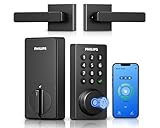
Finally, there are more advanced smart locks with auto-locking features or multiple authentication methods. While not strictly a “second lock” in the traditional sense, they add layers of security. Are these authorized? Generally, yes, as long as they don’t violate lease terms for property alteration. The key is that if you’re a renter, the default advice is: ask first. It’s always better to get written permission than to have an issue later over a security upgrade you thought was a good idea.
Here’s a quick rundown of what I’ve seen work and what’s generally accepted:
| Lock Type | Common Use | NYC Renter Approval Needed? | NYC Homeowner Authorized? | My Verdict |
|---|---|---|---|---|
| Second Deadbolt | Main Entry Door | YES (Landlord/Lease) | YES | Best for true security, but requires permission for renters. |
| Chain Lock/Swing Bar | Main Entry Door (Partial Open) | Likely YES (Easier Approval) | YES | Good for peace of mind, easy to install, but less solid against determined entry. |
| Security Bar/Reinforcer | Main Entry Door (Bracing) | Likely YES (Check Installation) | YES | Very effective against kicks, but installation might be an issue for renters. |
| High-Security Bolt (e.g. Medeco, Mul-T-Lock) | Main Entry Door | YES (Landlord/Lease) | YES | Top-tier security, expensive, requires professional installation. |
Common Mistakes and What to Watch Out For
When people decide they need more security in their New York apartment or house, they often jump into buying the most expensive or high-tech lock without thinking things through. This is where you can waste money and, worse, end up violating rules or creating a safety hazard. I made a classic mistake years ago. I bought this super-beefy, industrial-grade deadbolt for my apartment door without even hinting to my landlord.
I figured, “It’s my door, my safety!” Wrong.
When the landlord did a routine inspection a few months later, he saw it, and it became a whole big thing. I had to pay to have it removed and the original one reinstalled. About $180 down the drain, plus a ton of stress.
One of the biggest blunders is assuming that just because a lock is for sale, it’s automatically allowed or even a good idea. For renters, the absolute number one mistake is not checking the lease agreement or talking to the landlord before buying or installing anything. This is a must. Even if the lock is fantastic, if your lease prohibits modifications, you’re on thin ice. Some leases are very specific, saying you can’t alter the “hardware” or “fixtures.” That includes locks. (See Also: Are Sesame Seeds Kosher For Passoveris Pollock Kosher )
Another common pitfall is focusing solely on the lock mechanism itself and ignoring the door and frame. A really strong lock is only as good as the material it’s attached to. If your door is old, hollow, or your frame is weak, a determined attacker can bypass the lock by simply kicking in the door or ripping out the frame. I learned this the hard way when a neighbor’s flimsy apartment door was kicked in, despite having a decent deadbolt. The lock was fine; the door was a joke. Always consider the whole system.
People also get confused about what constitutes an emergency exit. In New York, like most places, fire codes are most important. You cannot install a lock that impedes a quick escape in case of fire. This is particularly relevant for secondary exits or doors that might be used for evacuation. I’ve seen people install heavy-duty bars or bolts on basement doors that, while great for security, could become death traps if a fire breaks out. Always, always make sure any additional locks don’t prevent you or others from getting out fast.
Finally, there’s the issue of self-installation versus professional installation. While DIY is great for saving money, some locks, especially high-security ones, require precise installation. A poorly installed deadbolt can be loose, difficult to operate, or even jam. This is not only frustrating but can also compromise security. If you’re unsure, bite the bullet and hire a reputable locksmith. It costs more upfront, but it’s better than dealing with the consequences of a faulty lock.
Practical Tips for Choosing and Installing Extra Locks
So, you’ve decided you want that extra layer of security for your door in New York. Whether you’re a homeowner or a renter who’s gotten the green light, here’s how to approach it without making a mess of things. My advice is always to be practical and thorough. Don’t get swayed by fancy marketing; focus on what actually works and what’s permissible.
First, know your door type. Is it solid core or hollow core? What’s the frame made of? This information will dictate what kind of lock you can effectively install. A solid core door can take more abuse and is better suited for a heavy-duty deadbolt. A hollow core door is less secure overall, and adding a complex lock might not be worth the investment unless you’re also reinforcing the door itself. I learned this when I was upgrading an old shed door. It was hollow, and the screws for the new lock barely held. Had to reinforce it with plywood first.
Second, understand the landlord’s requirements (if renting). Get it in writing! Don’t rely on a verbal okay. Specify the type of lock, the brand if they have a preference, and who will be installing it. Many landlords prefer their own approved locksmiths to make sure the job is done right and to their standards. This protects both you and them. It also means you know exactly what you’re getting into financially.
Third, focus on quality and installation. For deadbolts, look for ANSI Grade 1 or Grade 2 ratings. Grade 1 is the highest, meaning it’s built for heavy-duty use and has passed rigorous testing. Brands like Schlage, Kwikset (their higher-end lines), Baldwin, and Yale are generally reliable. But remember, even the best lock can be defeated if installed poorly. If you’re not comfortable with precise measurements and drilling, hire a professional. A good locksmith in NYC can cost anywhere from $100 to $300 for installation, depending on the complexity and your location.
Fourth, consider the aesthetic and functionality. Does the new lock match your existing hardware? Is it easy to operate? For example, some high-security locks can be stiff. If you have arthritis or mobility issues, a very heavy mechanism might be a problem. Also, think about key control. If you’re installing a new deadbolt, decide if you want a standard key or a restricted keyway that prevents unauthorized duplication. For a primary residence, a standard key is usually fine.
Here’s a simple process I’d recommend:
- Review your lease or property deed for any existing restrictions on lock changes or additions.
- If renting, formally request permission from your landlord in writing, detailing the proposed lock and installation plan.
- If approved, research reputable locksmiths in your area or look for brands known for quality and durability.
- Confirm the installation details, including cost, timeline, and warranty, before work begins.
- Make sure the installed lock meets all safety and egress requirements for your specific property type.
The Future of Door Security in Nyc Apartments
The way we secure our homes is constantly evolving, and New York City is no exception. While the debate over whether double locks are authorized on doors in New York has its roots in traditional security, the future is leaning towards smarter, more integrated systems. For renters, the challenge often remains navigating landlord permissions, but even that is starting to shift as technology makes certain upgrades less invasive. (See Also: Are Sliding Door Locks Common )
One area that’s gaining traction is the rise of smart locks. These aren’t your grandfather’s deadbolts. They offer keyless entry via smartphone apps, keypads, or even fingerprint scanners. Many smart locks can be programmed with temporary access codes for guests or service providers, which is a huge convenience. Furthermore, some smart locks offer auto-locking features – you close the door, and it locks itself after a set period. This eliminates the common mistake of forgetting to lock up.
For renters, the appeal of smart locks is that some models can be installed without significant modification to the existing deadbolt mechanism. You might replace the interior thumb turn, for example, or install a device that works in conjunction with your existing deadbolt. This can make them more palatable to landlords. However, it’s still important to check your lease and get explicit permission. I’ve heard of some building management companies in Manhattan that are starting to adopt building-wide smart lock systems, which might eventually make it easier for individual tenants to upgrade.
Homeowners have a bit more freedom, of course. They can integrate high-security smart locks with their home security systems, creating a solid network of protection. The ability to remotely monitor and control door locks from anywhere adds a significant layer of peace of mind. Imagine being away on vacation and getting an alert that your door was tampered with, or being able to let a trusted friend in remotely if they arrive unexpectedly.
However, it’s important to temper enthusiasm with reality. The common advice is that smart locks are the future, but the reality is that they still have vulnerabilities. Battery life, Wi-Fi connectivity issues, and the potential for hacking are all factors to consider. Also, the cost can be prohibitive for some. A good quality smart lock can set you back anywhere from $150 to $400, plus any installation fees. And when it comes to basic security, a well-installed, traditional high-security deadbolt can still be incredibly effective and doesn’t rely on electricity or Wi-Fi.
My own take? I’m cautiously optimistic. I’ve tested a few smart locks, and the convenience is undeniable. But for sheer peace of mind against brute force, I still trust a solid deadbolt. The real future might be a hybrid approach: solid, traditional deadbolts for the primary lock, and perhaps a smart lock for added convenience and monitoring, provided all regulations and permissions are met. For now, the old-fashioned approach, done right, is still king for basic door security.
Frequently Asked Questions About Nyc Door Locks
Can I Add a Second Deadbolt to My Apartment Door in New York City?
Generally, yes, but you almost certainly need your landlord’s written permission. Most rental agreements prohibit altering the property, and this includes adding or changing locks. Always check your lease and get explicit approval before proceeding, as unauthorized modifications can lead to penalties.
Are Chain Locks Legal on Apartment Doors in New York?
Yes, chain locks are typically legal and are a common way for renters to add a layer of security without making permanent alterations. They allow you to open the door slightly to verify who is there. Landlords usually approve these more readily than a second deadbolt, but it’s still good practice to check your lease or briefly inform your landlord.
What Are the Fire Safety Regulations for Door Locks in Nyc?
New York City building codes, like those elsewhere, mandate that all doors must be able to be opened quickly and easily from the inside in case of fire or other emergencies. This means any lock you install, especially on an exit door, cannot impede rapid egress. Avoid installing locks that require a key or special tool to open from the inside, as this could be a serious safety violation.
Who Is Responsible for the Main Lock on a Rental Apartment Door in Nyc?
Typically, the landlord or property owner is responsible for providing and maintaining the primary locking mechanism on a rental unit’s door. This lock must meet certain basic security standards. If the main lock is faulty or insufficient, you should report it to your landlord for repair or replacement.
Final Verdict
Navigating the world of door locks in New York can feel like a maze, especially when you’re trying to figure out if double locks are authorized on doors in New York. The bottom line is that for renters, permission is key. Don’t skip that step; it’ll save you headaches and money down the line. For homeowners, your options are broader, but never forget about fire safety. A locked door is great, but an escape route is a must.
Look for quality hardware, consider the whole door system, and if you’re unsure about installation, get a professional. It’s an investment in your peace of mind. I’ve learned that sometimes the simplest solutions, when implemented correctly and legally, are the most effective. Don’t overcomplicate it unless you have to.
Before you buy anything, reread that lease agreement one more time. Seriously.