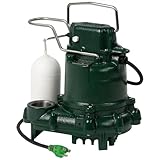
I remember the first time my basement flooded. It wasn’t a dramatic, Hollywood-movie kind of flood, but a slow, insidious creep of water that turned my spare room into a swamp. I’d bought what I thought was a decent sump pump, a shiny new model that promised the world. It lasted about six months before giving up the ghost, leaving me knee-deep in… well, you get the picture.
That’s the kind of experience that makes you question everything, especially when you’re staring down a potential home repair nightmare. So, when folks ask, ‘are Drummond sump pumps good?’, I don’t just give a quick yes or no. I give you the truth, born from leaky basements and a few too many trips to the hardware store.
The Nitty-Gritty: What Makes a Sump Pump Tick (or Not)
Look, a sump pump isn’t rocket science, but it’s also not something you should just grab off the shelf because it’s on sale. At its core, it’s a simple machine: a float switch that tells it when to turn on, a motor that powers an impeller, and a discharge pipe to push water away from your foundation. The devil, as always, is in the details – specifically, the quality of those components. I’ve learned the hard way that the cheapest option often costs you more in the long run, not just in replacement costs, but in the sheer panic of a flooded basement at 3 AM.
When I was first getting into home maintenance, I figured any pump that looked solid would do the job. I bought one that had a beefy-looking cast iron housing. Sounded good, right? Turns out, the inside of that pump was packed with cheap plastic parts that corroded way faster than I expected. It sputtered, it whined, and then it just… stopped. That’s when I started paying attention to things like impeller material, motor type, and the actual warranty, not just the pretty packaging.
Think about your typical submersible pump. The ones that sit down in the pit. They’re usually made of cast iron or thermoplastic. Cast iron tends to be more durable, resisting corrosion better, which is a big deal when it’s sitting in stagnant water.
Thermoplastic is lighter and cheaper, but it can become brittle over time or if exposed to certain chemicals in the water. Then there’s the motor. Submersible pumps have motors sealed within the unit. They can be oil-filled or electronically protected.
Oil-filled motors can run cooler and last longer, but if they develop a leak, the whole unit is toast. Electronically protected motors have built-in safeguards, which is nice, but sometimes those safeguards can be a bit too sensitive and shut the pump off unnecessarily.
The float switch is another important piece. You’ve got tethered floats, vertical floats, and even electronic ones. Tethered floats are common but can get stuck on debris in the pit. Vertical floats are generally more reliable but can take up more space. The quality of the switch mechanism – the contacts inside – really determines how long it will last before it starts sticking or failing to engage. I’ve had tethered floats get snagged on a stray piece of pipe or a root that somehow found its way in, leaving the pump dormant when I needed it most. That was a fun Sunday morning, let me tell you.
Drummond Sump Pumps: What the Heck Are They?
So, where do Drummond sump pumps fit into this picture? Honestly, for a long time, Drummond wasn’t a name that immediately sprang to mind when I thought of heavy-duty basement protection. They seemed to exist in a bit of a middle ground – not the absolute cheapest, but not the premium brands either. This is often where you find products that are… well, hit or miss. My initial thought was, ‘Are Drummond sump pumps good enough to rely on when the rain starts pouring?’
I started digging, talking to folks who’d installed them, and, yes, doing a bit of my own tinkering. What I found is that Drummond tends to focus on offering a decent value proposition. They often use cast iron for their main housing, which is a plus. Many of their submersible models come with a vertical float switch, which, as I mentioned, can be more reliable than the tethered kind if it’s well-designed. Their horsepower ratings are generally in line with what you’d expect for a residential sump pump – typically 1/3, 1/2, or 3/4 horsepower, suitable for most standard-sized basement sumps. (See Also: Are Pumpkin Seed Husks Edible )
However, here’s where my contrarian streak kicks in. Everyone talks about horsepower. Bigger is better, right? Not always. A 1/2 HP pump running efficiently is way better than a 1 HP pump that’s poorly designed and drawing too much power or cycling too frequently. A lot of the advice out there is simplistic. I’ve seen people buy massive pumps for tiny pits, and all it does is churn the water and wear the motor out faster. For most average homes, a good quality 1/3 or 1/2 HP pump is perfectly adequate. Over-speccing can be just as bad as under-speccing.
The key thing with Drummond, and frankly with many brands in this price bracket, is consistency. Are all Drummond pumps built to the same exacting standards? My experience suggests not always. You might get a fantastic unit that lasts for years, or you might get one where a small component, like a gasket or a seal, fails prematurely. This is why looking at recent reviews and understanding the warranty is important. Don’t just assume because it has a cast iron body, it’s indestructible. I’ve seen cast iron crack in freezing temperatures, too, if it’s not tempered properly or if it’s subjected to sudden thermal shock.
When to Consider a Drummond Pump: Realistic Expectations
So, when does a Drummond sump pump make sense for your home? If you’re looking for a no-frills, budget-conscious option for a situation where the water ingress isn’t catastrophic, they can be a viable choice. For instance, if you have a slightly damp basement that gets a bit of water during heavy rains, and you want a basic pump to take care of it without breaking the bank, a Drummond might fit the bill. They’re often found at big box stores or online retailers, making them accessible.
I remember a situation at my sister’s place. Her basement was mostly dry, but she’d had a minor issue with surface water seeping in during a particularly bad storm season. She didn’t want to spend $300+ on a pump she might rarely need. We found a Drummond 1/3 HP submersible model for about $70. It was easy to install, and it did its job perfectly for the two or three times it kicked on that year. It ran smoothly, kicked off when it should, and kept the floor dry. For her needs, it was absolutely the right choice. It’s about matching the tool to the job, not just buying the most expensive thing you can find.
However, if you live in an area prone to severe flooding, have a history of significant basement water issues, or have a deep, large sump pit that requires a high volume of water to be moved quickly, I’d probably look at brands with a stronger reputation for extreme reliability and longer warranties. Drummonds generally come with a standard 1-year or 2-year warranty, which is decent, but some of the higher-end brands offer 3 or even 5 years. That extra peace of mind can be worth the investment when you’re talking about protecting your home’s foundation.
The key is to be honest with yourself about your risk. Are you dealing with a minor annoyance or a potential disaster? If it’s the latter, that’s when you start looking at pumps with heavier-duty motors, better seals, and more solid float mechanisms. For lighter duty, a Drummond can be a perfectly reasonable solution. It’s not about Drummond being “bad,” it’s about understanding their place in the market. They offer a functional product at a competitive price point, but you need to temper your expectations accordingly.
Common Mistakes When Buying and Installing Any Sump Pump
Alright, let’s talk about what trips people up, regardless of the brand. Buying the wrong pump is one thing, but installing it incorrectly can make even the best pump useless. The most common mistake I see? Not cleaning out the sump pit. Seriously. I’ve seen pits full of muck, debris, and even old rags. The pump will just churn this stuff up, clog itself, or get its float switch jammed. Before you even think about dropping a new pump in, grab a shop vac and a shovel and clean that pit out until it’s spotless. It’s a dirty job, but it’s a must for pump longevity.
Another classic blunder is not checking the discharge pipe setup. Is it pitched correctly away from your house? Is it free of kinks or obstructions? A pump can be working perfectly, but if the water it’s pushing out has nowhere to go or is being forced back towards your foundation, you’re still going to have problems. I once helped a neighbor who swore his new pump was faulty. Turned out his discharge pipe was routed right back into his neighbor’s yard, where it just pooled and seeped back towards both houses. A simple redirection solved the whole issue.
Then there’s the float switch placement. If it’s set too low, the pump won’t run long enough to clear the pit effectively, leading to more frequent cycling and wear. If it’s set too high, the water level could get dangerously high before the pump kicks in, especially with a slow pump or a heavy inflow. (See Also: Are Pumpkin Seed Acid Or Alkaline )
It’s a balance. You want the pump to run long enough to lower the water level significantly but not so long that it’s constantly cycling.
For submersible pumps with vertical floats, you often just need to make sure there’s enough vertical travel for the float to activate and deactivate the switch within a reasonable water level range. For tethered floats, you might need to adjust the length of the tether or the position of the anchor point.
Finally, people often forget about a battery backup. Power outages happen, and when they do, your sump pump is useless. I learned this during a massive ice storm a few years back. The power went out for 18 hours, and by the time it came back on, my basement had about six inches of water. Now, every pump I install, including the Drummonds I’ve put in for others, gets paired with a decent battery backup system. It’s an extra cost, sure, but it’s a fraction of the cost of repairing water damage.
Sump Pump Installation Steps (general Guide)
- Safety First: Turn off the power to the sump pit circuit at the breaker box. Never work on a pump with the power on.
- Remove Old Pump: Disconnect the discharge pipe from the old pump. Lift the old pump out of the pit.
- Clean the Pit: Remove all debris, sediment, and sludge from the sump pit. A shop vac is your best friend here.
- Position New Pump: Place the new Drummond pump in the pit, making sure it sits on a stable, level surface. Make sure the intake is not submerged in sediment.
- Connect Discharge Pipe: Attach the discharge pipe to the new pump. Use appropriate fittings and clamps to make sure a watertight seal. Make sure the pipe has a slight downward slope away from your foundation.
- Test Float Switch: Manually lift the float switch to simulate a high water level and make sure the pump turns on. Lower it to simulate a low water level and make sure it turns off.
- Restore Power: Turn the power back on at the breaker box.
- Test Operation: Pour water into the pit to simulate a flood. Watch the pump kick on, discharge water, and then turn off. Check for leaks in the discharge pipe.
Comparing Sump Pump Options: Drummond vs. Others
When you’re staring at a wall of sump pumps, it’s easy to get overwhelmed. Let’s break down how Drummond generally stacks up against a couple of other common types you’ll see. This isn’t an exhaustive list, but it gives you a general idea of what you’re getting into.
You’ve got your budget brands, which are often all-plastic and can be very inexpensive. Then you have the mid-range players like Drummond, often featuring cast iron bodies and more reliable float switches. At the top end, you’ll find brands known for heavy-duty construction, powerful motors, and longer warranties, often commanding a higher price tag. These might be brands like Zoeller, Wayne (their higher-end models), or Little Giant. These premium pumps are built for continuous duty and extreme conditions.
Here’s a quick snapshot, based on my experience and what I’ve seen others report:
| Feature | Drummond | Budget Brands (Generic Plastic) | Premium Brands (e.g., Zoeller M53) |
|---|---|---|---|
| Typical Price Range | $70 – $150 | $40 – $70 | $150 – $300+ |
| Housing Material | Often Cast Iron or Heavy-Duty Thermoplastic | Lightweight Thermoplastic | Cast Iron, Stainless Steel |
| Motor Durability | Decent, but can vary | Lower, prone to overheating | Excellent, built for longevity |
| Float Switch Reliability | Good (often vertical) | Variable, can stick easily | Excellent, solid design |
| Warranty | 1-2 Years | Often 1 Year (limited) | 3-5 Years |
| Best Use Case | Moderate water issues, good value | Occasional light dampness, very low budget | Frequent flooding, high water tables, peace of mind |
| My Verdict | A solid mid-tier option if your needs aren’t extreme. Good value for the money, but check reviews. | Avoid unless you’re on an absolute shoestring budget and expect to replace it soon. | The ‘buy it once’ option for serious protection. Worth the investment for high-risk homes. |
It’s worth noting that even within brands like Drummond, there can be variations. Some of their models might be better than others. Always check specific product reviews for the exact model you’re considering. I once bought a Drummond pump that had a fantastic cast iron body but a surprisingly flimsy-looking float switch. It worked fine, but it made me nervous. That’s why I always lean towards a battery backup, no matter the pump.
My Honest Take: Are Drummond Sump Pumps Good?
After years of wrestling with leaky basements and various pumps, I can give you a straight answer on are Drummond sump pumps good. Yes, they can be. But it comes with a big asterisk. They represent a middle-of-the-road option that offers decent performance for a reasonable price. If you’re dealing with minor dampness or occasional water intrusion during heavy storms, a Drummond pump, especially a submersible model with a cast iron housing and a vertical float switch, is likely to serve you well. They’re readily available, and they often outperform the absolute cheapest options on the market.
However, and this is important, don’t expect them to be the bomb-proof, last-a-lifetime units that some of the premium brands offer. I’ve had Drummond pumps that worked flawlessly for years, and I’ve heard from others who’ve had issues with premature failure of certain components. It’s a bit of a gamble, like buying a refurbished high-end appliance versus a brand-new mid-range one. The key is to manage your expectations and match the pump to your specific needs and risk level. (See Also: Are Organic Pumpkin Seeds From China Bad )
For my own home, especially knowing how unpredictable weather can be, I tend to lean towards brands with a longer track record of reliability and better warranties when it comes to primary sump pump duty. But I’ve recommended Drummonds to friends and family for their garages or less important areas, and they’ve been perfectly happy. It’s all about context. Just remember to pair any sump pump, regardless of brand, with a reliable battery backup system and a properly installed discharge line. That’s the real insurance policy against a wet basement.
Frequently Asked Questions About Sump Pumps
How Often Should a Sump Pump Run?
A properly sized and installed sump pump should run intermittently. It shouldn’t be constantly kicking on and off, nor should it run for excessively long periods. Ideally, it will cycle on when the water level in the pit rises to a certain point, run for a short duration (usually 10-30 seconds) to clear the water, and then turn off. The frequency will depend on rainfall, groundwater levels, and your home’s drainage system. If it’s running constantly or not running at all when needed, there’s an issue.
Can a Sump Pump Run Dry?
Running a sump pump dry is generally not recommended and can damage the pump. Most pumps are designed to operate when submerged in water, which helps to cool the motor. Running a pump dry can cause it to overheat, potentially burning out the motor. Some pumps have thermal overload protection, but it’s best to avoid situations where the pump operates without water.
What Size Sump Pump Do I Need?
The size of the sump pump needed depends on several factors, including the size of your sump pit, the potential volume of water, and the vertical distance the water needs to be discharged (head height). For most standard residential basements with average rainfall, a 1/3 HP or 1/2 HP pump is usually sufficient. Homes in areas with very high water tables or frequent heavy rainfall might require a 3/4 HP or even a 1 HP pump. It’s often better to slightly oversize than undersize, but avoid grossly oversizing, as this can lead to short cycling.
How Long Does a Sump Pump Typically Last?
The lifespan of a sump pump varies significantly based on its quality, how often it runs, and maintenance. A good quality sump pump can last anywhere from 5 to 15 years. Pumps that run very frequently or are subjected to heavy debris may have a shorter lifespan. Regular testing and maintenance, along with a battery backup to prevent damage from power outages, can help extend a sump pump’s life.
Should I Get a Submersible or Pedestal Sump Pump?
Submersible sump pumps sit directly in the sump pit, are generally quieter, and are less prone to clogging because the motor is sealed and protected. They are typically more durable. Pedestal sump pumps have the motor mounted on a pedestal above the pit, with an intake pipe extending down. They are often less expensive and easier to access for maintenance, but they can be noisier and the motor is more exposed. For most homeowners, submersible pumps are the preferred choice for their reliability and effectiveness.
Verdict
So, to wrap up the big question: are Drummond sump pumps good? My honest verdict is that they are a solid, mid-tier option that can get the job done for many homeowners, especially those dealing with moderate water issues. They offer a decent blend of features and price, making them an attractive choice for budget-conscious buyers who still want a functional pump with a cast iron housing.
However, as with any product in this category, individual experiences can vary. If your home is in a high-risk flood zone or you’ve had significant past water problems, you might want to consider investing in a premium brand with a longer warranty for that extra peace of mind. But for standard residential use, a Drummond pump is definitely worth considering, provided you do your homework and check specific model reviews.
Ultimately, the best sump pump is the one that works reliably when you need it most. Make sure you install it correctly, test it regularly, and always, always have a battery backup ready to go. That’s the real secret to staying dry.