Look, nobody wants to think about their basement flooding. It’s the kind of problem that sneaks up on you when you least expect it, usually during a torrential downpour at 3 AM. I’ve been there, staring at a slowly rising puddle, heart sinking faster than the water level.
When that happens, you don’t care about fancy features or brand prestige; you just need something reliable to kick in and do its job. So, are Everbilt sump pumps good enough to keep your basement dry when the chips are down?
I’ve wrestled with more than my fair share of basement water issues, and I’ve got some unfiltered opinions on the matter.
Why I Started Looking at Everbilt (and What I Found)
My first real sump pump disaster involved a unit I bought because it was on sale. Big mistake.
It sputtered, wheezed, and quit about an hour into a moderate rainstorm. The panic that followed, scrambling to bail water and find a replacement at midnight, is something I wouldn’t wish on anyone. That experience taught me that when it comes to sump pumps, you get what you pay for – usually.
So, when I needed to replace a failed pump in a rental property a few years back, I started poking around at the more budget-friendly options, and Everbilt kept popping up. Their name is plastered on a lot of shelves at the big box stores, and their prices are certainly appealing. But are Everbilt sump pumps good, or just cheap?
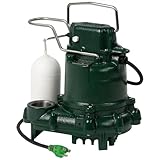
My initial thought was skepticism. “If it’s that cheap, it can’t be any good,” I grumbled to myself. I’ve wasted enough money on products that overpromised and underdelivered to be wary. However, the rental property situation was tight on budget, and I needed something now. I ended up grabbing one of their more basic submersible models. The build quality felt… okay. Not exactly industrial-grade, but it didn’t feel like it would disintegrate if I sneezed on it. The motor housing was plastic, which initially gave me pause. I’ve always leaned towards cast iron for durability, thinking it would last forever. This was a departure from my usual thinking, and frankly, I was bracing for it to fail.
The installation was straightforward, just like any other submersible pump. It has a tethered float switch, which is pretty standard.
The real test, of course, is how it performs when the water actually arrives. The first time it kicked on, it was during a heavy storm. I was hovering around the basement stairs, listening. It hummed to life, a decent amount of water was pushed out through the discharge pipe, and then it shut off.
So far, so good. Over the next year, it cycled on and off a dozen times. It never missed a beat. This surprised me, given my initial prejudice against its plastic housing and lower price point.
It seemed to be doing exactly what it was supposed to do: keep the basement dry without fuss. This led me to re-evaluate my assumptions about sump pumps and brand names.
Understanding How a Sump Pump Actually Works
Before we get too deep into whether Everbilt pumps are any good, it’s worth a quick refresher on what these things actually do and how they operate. It’s not rocket science, but understanding the basics helps you appreciate (or criticize) the design and performance of any pump you’re considering. At its core, a sump pump is a water pump designed to remove water that has accumulated in a lower-level area, typically a basement or crawl space. This water usually collects in a specially constructed pit, known as a sump pit, which is dug into the floor of your basement. (See Also: Are Pumpkin Seed Husks Edible )
The magic ingredient is the float switch. Think of it like the float in your toilet tank, but instead of controlling water levels in a tank, it’s telling the pump when to turn on and off. When the water level in the sump pit rises high enough, it lifts the float. This upward movement triggers a mechanical or electrical switch, which then powers the pump motor.
The motor spins an impeller, a sort of propeller-like device, which forces the water up through a discharge pipe and out of your house, usually to a storm drain or a safe distance away from your foundation. Once the water level drops sufficiently, the float lowers, deactivates the switch, and the pump shuts off. Simple, right?
There are two main types: submersible and pedestal. Submersible pumps sit entirely within the sump pit, meaning they’re quieter and less obtrusive.
They’re generally considered more durable because they’re cooled by the water they’re pumping. Pedestal pumps have the motor and switch assembly mounted on top of a long shaft that extends down into the pit. They’re usually cheaper and easier to service because the motor isn’t submerged, but they can be louder and more prone to clogging if debris gets into the pit.
Everbilt makes both types, and understanding the difference helps when you’re deciding which is right for your specific situation and budget. The performance of both hinges on that simple float mechanism and the pump’s ability to move water efficiently without overheating or failing.
What to Look for When Buying (and Avoiding Traps)
Alright, so you need a sump pump. What should you actually be looking for? Forget the marketing jargon for a second. It boils down to a few key things.
First, horsepower. This is often advertised, and while more horsepower generally means it can move more water, it’s not the only factor.
A 1/3 horsepower pump is usually sufficient for most homes. If you have a history of major flooding or a very large basement, you might consider a 1/2 horsepower, but don’t just assume bigger is better. An oversized pump can cycle on and off too quickly, which can actually shorten its lifespan and make it less efficient. It’s like using a fire hose to water a potted plant – overkill and potentially damaging.
Second, the type of switch. Tethered float switches are common and reliable for most residential applications. Vertical float switches offer a slightly more compact design and can be good if your pit is narrow, but they can sometimes get snagged. More advanced options include electronic or water-level sensing switches, but these can be pricier and add another point of potential failure. For a basic, reliable pump, a good old tethered float is usually fine. Third, the discharge size. Make sure the pump’s discharge outlet matches your existing plumbing or the size of pipe you plan to use. Most common sizes are 1-1/4 inch or 1-1/2 inch. Mismatched sizes can restrict flow and strain the pump.
Here’s a trap many people fall into: focusing solely on the price tag. Yes, Everbilt pumps are often cheaper. But that doesn’t automatically mean they’re a bad deal. What you need to avoid are pumps with flimsy construction, poor seals, or motors that overheat easily.
Read reviews, but take them with a grain of salt. Look for common themes of failure. (See Also: Are Pumpkin Seed Acid Or Alkaline )
Another mistake is not considering the total cost of ownership. A cheap pump that fails after a year or two, leading to water damage, is far more expensive in the long run than a slightly pricier but more durable unit. Don’t skimp on the check valve, either – it prevents water from flowing back into the pit when the pump shuts off, which is important for efficiency and preventing constant cycling.
| Model Type | Horsepower | Pros | Cons | Verdict |
|---|---|---|---|---|
| Submersible (Plastic Housing) | 1/3 HP – 1/2 HP | Affordable, quiet, cools itself in water. Good for typical homes. | Plastic housing can feel less durable than cast iron. Potential for long-term wear on the impeller. | Good value for the price. Solid performer for average needs. |
| Submersible (Cast Iron Housing – less common for Everbilt basic models) | 1/3 HP – 1/2 HP | More solid build, better heat dissipation, potentially longer lifespan. | Heavier, can be slightly noisier, often more expensive. | A step up in durability if you can find one and the price is right. |
| Pedestal | 1/3 HP – 1/2 HP | Cheaper, easier access for maintenance, motor stays dry. | Louder, motor exposed to dust/debris, float switch can be less reliable if not cleaned. | Okay for tight budgets or if easy access is most important, but not my first choice for reliability. |
Real-World Use Cases and My Experience
I’ve deployed a couple of Everbilt sump pumps in different scenarios over the past five years. The first one, as I mentioned, was in a rental property. The tenant never complained about basement flooding, which is the highest praise you can give a sump pump. It just did its job in the background. It was a 1/3 HP submersible unit with a plastic body. It ran through maybe 15-20 cycles in its first year, and the tenant lived there for three years before I sold the property. I never got a call about it failing, which is frankly amazing for a budget pump.
My second experience was more personal. I had a small, older home with a crawl space that was prone to getting damp. I decided to install a sump pump there as a preventative measure, thinking a basic model would be fine.
I opted for a slightly more powerful 1/2 HP Everbilt submersible, again with the plastic housing. The crawl space is tight, so the submersible design was key.
The float switch was a tethered type. I can’t tell you how many times it’s kicked on; I’ve never seen standing water in the crawl space since installing it. The discharge pipe runs to daylight. The only sensory feedback I get is a faint hum when it activates, and that’s usually only noticeable if I’m specifically listening for it.
It’s been about three years now, and it’s performed flawlessly. I honestly expected it to give up the ghost by now, especially given the relatively inexpensive price tag of around $100 when I bought it.
It’s made me a convert, at least for certain applications.
However, I want to be clear: these are not pumps I’d necessarily install in a high-end finished basement where a single failure could mean thousands in damage. For those situations, I might lean towards a heavier-duty cast iron model from a brand with a longer track record of heavy-duty performance, even if it costs twice as much. But for garages, unfinished basements, rental properties, or as a secondary pump, Everbilt seems to punch above its weight class. The key is matching the pump to the task. Don’t buy a compact car engine for a semi-truck, and don’t buy a tank for a go-kart.
Common Mistakes and How to Avoid Them
People make sump pump mistakes constantly. The most common one, in my book, is not having a backup power source. What happens when the power goes out during a storm?
Your sump pump, no matter how good it is, becomes a very expensive paperweight. Battery backup systems are a lifesaver.
They aren’t cheap, but neither is a flooded basement. Another mistake is improper discharge. You must make sure the water is being pumped far enough away from your foundation. If it’s just pooling around the perimeter, you’re defeating the purpose. (See Also: Are Organic Pumpkin Seeds From China Bad )
Ideally, it should go to a municipal storm drain or a downhill area. I once saw a guy who’d plumbed his sump pump discharge right next to his neighbor’s foundation. Guess who ended up having a very angry neighbor and a potential lawsuit?
Installation errors are rampant. Forgetting the check valve is a classic.
Without it, every time the pump shuts off, all the water in the discharge pipe falls back into the pit, causing the pump to cycle immediately. This wears out the motor unnecessarily.
Make sure the float switch has enough room to move freely without hitting the pit walls or any debris. If it’s a tethered switch, make sure the tether has adequate length to allow the pump to engage and disengage properly based on your water level needs. For pedestal pumps, make sure the motor housing isn’t sitting in water or mud; that’s a recipe for disaster.
Also, remember that sump pumps aren’t designed to handle solids, so keeping your sump pit clean is important. My cousin, bless his heart, once tried to pump out a pit full of mud and gravel. The pump lasted about 15 minutes.
Finally, people often neglect maintenance. Sump pumps are not ‘set it and forget it’ devices. Periodically, you should test them by pouring water into the pit to make sure they turn on, pump water out, and shut off correctly. Clean out any debris that accumulates in the pit. Check the discharge pipe for blockages. A little bit of preventative care can go a long way in making sure your pump is ready when you need it most. Ignoring this is like never changing the oil in your car – eventually, something’s going to seize up.
What Is the Lifespan of an Everbilt Sump Pump?
The lifespan of any sump pump, including Everbilt models, can vary significantly based on usage, installation quality, and maintenance. Generally, a well-maintained submersible sump pump can last anywhere from 5 to 15 years. Everbilt’s more budget-friendly models, particularly those with plastic housings, might lean towards the lower end of this spectrum if subjected to heavy use or less-than-ideal conditions. However, many users report getting 5-7 years or more out of them, which is respectable for the price.
Are Everbilt Pumps Reliable?
For their price point, Everbilt sump pumps are generally considered reliable for average residential use. They are built to perform their basic function of water removal without excessive bells and whistles. While they might not have the heavy-duty construction of some premium brands, they often exceed expectations for basic reliability in typical basement or crawl space environments. They are a good option when budget is a concern and extreme flooding isn’t a constant threat.
Where Are Everbilt Sump Pumps Made?
Everbilt products, including their sump pumps, are typically manufactured overseas, often in China. While this contributes to their affordability, it’s important to focus on the design, quality control, and performance rather than just the country of origin. Many reputable brands source manufacturing from various international locations. The key is that they are designed and distributed by a U.S.-based company, with warranties and customer support typically handled by them.
How Do I Choose the Right Size Everbilt Sump Pump?
Choosing the right size Everbilt sump pump depends on factors like the size of your basement or sump pit, and how much water you expect to deal with. For most standard homes with a typical basement, a 1/3 horsepower (HP) submersible pump is usually sufficient. If you have a larger basement or experience more frequent or heavier water intrusion, a 1/2 HP pump might be necessary. Consider the gallons per hour (GPH) rating as well – higher GPH means it can move more water faster. It’s often better to slightly oversize than undersize, but avoid extreme oversizing, which can lead to short cycling.
Final Thoughts
So, are Everbilt sump pumps good? My honest answer is: yes, for many situations, they are surprisingly good for the money. They’re not the heavy-duty, bulletproof units you might find from high-end brands costing hundreds more, but they get the job done reliably for typical residential needs. I’ve personally seen them perform without issue for years in rental properties and crawl spaces.
Don’t let the plastic housing fool you into thinking they’re junk. For homeowners on a budget, or for secondary protection in less important areas, an Everbilt sump pump can be a smart choice that won’t break the bank. Just remember to properly install it, keep the pit clean, and have a backup power plan in place.
If you’re facing a basement flood, the last thing you want is a pump that fails. Everbilt offers a decent balance of cost and performance that makes them a viable option when you need to protect your home without emptying your wallet. Make sure you get the right type and size for your specific needs.