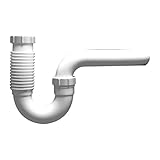
I remember the first time I had to fix a leaky drain under my sink. The old metal P-trap was rusted through, and I was in a panic. I dashed to the hardware store, grabbed what looked like the right replacement, and hurried home. Only when I was elbow-deep in plumber’s putty did I realize I’d bought a flexible plastic accordion trap. My first thought was, ‘Can I even use this thing?’ That’s when the question started: are flexible p traps legal?
It’s a question that pops up a lot when you’re trying to get a plumbing job done quickly and affordably. You see them everywhere, they look easy to install, and they’re cheap. But legality? That’s a whole other can of worms.
Why the Confusion About Flexible P Traps?
Look, I’m not a licensed plumber. I’m just a guy who’s spent way too many weekends wrestling with pipes under sinks and behind toilets. And let me tell you, the world of plumbing codes and regulations can be a confusing mess. When you’re staring at a pile of plastic fittings, trying to figure out if they’re going to pass inspection or just cause you a headache down the line, it’s easy to get lost.
The primary reason for the confusion around flexible P-traps is a mix of misinformation and varying local building codes. Most flexible traps are made of corrugated plastic, designed to bend and twist to accommodate awkward pipe alignments. They seem like a godsend when you’re dealing with a stubbed-out drain pipe that’s just a little bit off from where it should be. You can bend them, push them, and wiggle them into place with a fraction of the effort it takes to cut and glue rigid PVC or sweat copper.
The common advice you’ll hear is that they’re fine for minor fixes or temporary solutions. And yeah, if you’re in a pinch and need to get water flowing again fast, a flexible trap can do the job. I’ve definitely used them myself in situations where ripping out and re-piping just wasn’t an option at that moment.
I recall one particularly frustrating Saturday afternoon trying to connect a new pedestal sink to an ancient, crooked drainpipe in a rental property. The rigid fittings were just not lining up without serious effort and potentially compromising the seal. The flexible trap, while I mentally grumbled about it, made the connection in about two minutes flat.
It stopped the leak, and the tenant was happy.
But here’s the rub: while they work in the short term, the long-term viability and legal standing of these flexible traps are where things get murky. Most building codes, especially in new construction or major renovations, are written with durability and proper drainage in mind. Rigid piping, when installed correctly, creates a smoother, more predictable flow path for wastewater. It’s less prone to kinks, sagging, or blockages that can occur over time with the corrugated design of flexible traps.
Think about it: that accordion design, while flexible, also creates internal ridges. These ridges are perfect little snag points for hair, grease, and other gunk that goes down your drain. Over time, this can lead to clogs that are a real pain to clear, often requiring a complete replacement of the trap anyway. Plus, the plastic material, especially if exposed to sunlight or harsh cleaning chemicals, can degrade over time, becoming brittle and prone to cracks. This is why inspectors often look askance at them, preferring the more solid and predictable performance of rigid piping. The question of whether flexible p traps are legal often hinges on the specific requirements of your local plumbing code and the inspector’s interpretation. (See Also: Are Omega Watch Straps Real Alligator )
A Contradictory View: When Flexibility Wins
Now, here’s my contrarian take. Everyone – and I mean everyone – online will tell you to avoid flexible traps like the plague. They’ll preach about code compliance and the sanctity of rigid PVC. And for new installs or when you’re doing it by the book?
They’re probably right. But for DIYers, renters, or in those ‘oh crap’ moments where you just need to stop the water from pooling on your kitchen floor, they have their place. I’ve had flexible traps I installed myself in older homes, in places where the existing plumbing was… let’s just say ‘character-filled,’ last for years without a single issue. The key, in my experience, isn’t just the trap itself, but the overall integrity of the plumbing system it’s connecting to, and how well you seal the connections.
What the Codes (sort Of) Say
Okay, let’s cut through some of the internet noise. When we talk about whether flexible p traps are legal, we’re really talking about plumbing codes. In the United States, the primary standard for plumbing is the International Plumbing Code (IPC). Many states and local municipalities adopt the IPC, sometimes with modifications. The IPC, and similar codes, generally favor rigid piping for drain, waste, and vent (DWV) systems. Why? Because rigid piping offers a smoother internal surface, preventing the buildup of debris that can clog the trap and lead to sewer gases escaping into your home.
The code often specifies materials, dimensions, and installation requirements that are more easily met with rigid fittings. For example, codes might require traps to be made of specific materials (like brass, cast iron, or Schedule 40 PVC) and have a certain slope to make sure proper drainage. They also emphasize the need for traps to be accessible for cleaning, which can be a point of contention with some convoluted flexible trap installations.
However, the codes don’t always explicitly ban flexible traps outright. Instead, they often have requirements for trap materials, siphonage protection, and cleanout access that might make flexible traps more difficult to approve. Some codes might permit them for specific applications or in situations where a rigid trap cannot be installed without significant structural modifications. This is where local interpretation becomes a huge factor. A strict inspector might reject any flexible trap, while a more lenient one might allow it if the installation is sound and the trap itself is certified by a recognized testing agency.
What about those certifications? You’ll sometimes see flexible traps that boast NSF (National Sanitation Foundation) certification. NSF certification indicates that a product has been tested and meets certain standards for safety and performance. While this is a good sign, it doesn’t automatically mean a flexible trap will pass local code. Local building departments have the final say. It’s always best to check with your local building department or plumbing inspector before you install anything that might be questionable. They can tell you exactly what is and isn’t allowed in your area. Ignoring this step is how you end up with a plumbing job that needs to be ripped out and redone, costing you double.
The bottom line is that while flexible traps exist and are sold in major hardware stores, their legal standing is often a gray area. For anything beyond a temporary fix or in a place that doesn’t get inspected, people use them. But if you’re building a house, doing a significant remodel, or selling your home and need to pass a formal inspection, relying on flexible traps is a risky gamble. The intent of most plumbing codes is to make sure safe, sanitary, and long-lasting systems, and rigid piping generally fulfills those requirements more reliably.
Common Misconceptions About Flexible Traps
One of the biggest misconceptions is that because you can buy them at any hardware store, they must be code-compliant everywhere. That’s a dangerous assumption. Stores sell many things that aren’t necessarily approved for every type of installation. Another common myth is that they’re ‘universal’ solutions. While they offer flexibility in alignment, they can sometimes be too short, too long, or the wrong diameter for a specific setup, leading to poor seals. (See Also: Are Traditional Mouse Traps Humane )
| Feature | Rigid P-Trap | Flexible P-Trap | My Verdict |
|---|---|---|---|
| Installation Ease | Moderate (requires precise cutting/fitting) | High (bends to fit) | Flexible wins for quick fixes. Rigid is better for perfect alignment. |
| Durability | High (if metal or proper PVC) | Moderate (plastic can degrade, kinks can form) | Rigid is the clear winner for longevity. |
| Code Compliance | Generally accepted (if installed correctly) | Often questionable, highly dependent on local codes | Rigid is the safer bet for passing inspections. |
| Cost | Slightly higher initially | Lower initial cost | Flexible is cheaper upfront, but potential re-work costs more. |
| Ease of Cleaning | Relatively easy for standard traps | Can be difficult due to corrugations | Rigid is easier to access and clean. |
| Blockage Risk | Lower (smoother interior) | Higher (ridges can catch debris) | Rigid is less prone to clogs. |
The Real-World Performance of Flexible Traps
I’ve been there. You’re trying to connect a washing machine drain hose to a standpipe, and the standpipe is just a hair too far away, or at a weird angle. Or maybe you’re installing a utility sink in a basement where the existing drain is an ancient, corroded mess. In these scenarios, a flexible P-trap – or more commonly, a flexible drain pipe connector – can seem like a lifesaver. They can bridge short gaps, accommodate slight misalignments, and generally make the job much less frustrating than trying to wrestle with rigid PVC that needs multiple angled fittings.
My own experiences, outside of that initial rental sink incident, have been mixed. I’ve had flexible connectors that worked flawlessly for years, acting as a silent, leak-free intermediary between an appliance and the drain. They just… work. No fuss, no muss. Then, I’ve had others that started to weep at the seals after only a year or two. The plastic would get brittle, or the rubber gaskets would dry out, and suddenly you’ve got a slow drip that you have to address. It’s infuriating because you thought you were done with that project.
One time, I was installing a dishwasher, and the drain hose didn’t quite reach the disposal inlet. I used a flexible corrugated hose to extend it. For about eighteen months, it was fine. Then, during a heavy rain, the washing machine cycle (also connected to the same drain line via a similar flexible hose) seemed to overwhelm the system slightly, and I noticed a tiny, almost imperceptible dampness under the sink.
It turned out the dishwasher hose connector had developed a hairline crack. Not a catastrophic failure, but enough to require replacement and a good cleaning of the surrounding area. That’s the gamble with flexible drain components – they’re not always built for the long haul or for consistent, heavy use.
The issue isn’t always the flexibility itself, but the material and design. Corrugated plastic, while pliable, is inherently weaker than solid PVC or ABS. It’s also more susceptible to chemical breakdown and UV degradation if exposed. This means that what might seem like an easy fix today could be a source of a leak or a clog tomorrow. The common advice to use them only as a temporary measure isn’t just about legality; it’s about performance. They are often less reliable over extended periods compared to their rigid counterparts. When considering whether flexible p traps are legal, think about the long-term reliability you’re sacrificing for short-term ease.
When to Consider Alternatives
Given the potential issues and the code ambiguities, when should you definitely steer clear of flexible P-traps and opt for something more traditional? The answer is simple: anytime you can. If you have the space, the budget, and the time to install rigid piping, do it. It’s the more reliable, code-compliant, and ultimately, the better long-term solution for your plumbing.
New construction and major renovations are obvious times to use rigid pipes. Building codes are strictly enforced during these phases, and an inspector will likely flag any flexible traps that aren’t explicitly permitted. Even if they are allowed in your area, using rigid pipes demonstrates a higher standard of workmanship and is generally preferred. I once saw a brand-new house fail its final plumbing inspection because the contractor had used a flexible trap under the kitchen sink, even though it was a simple trap replacement and not a structural change. The inspector just said, ‘Rigid only for new builds.’ Point taken.
Another scenario where rigid piping is superior is in areas prone to frequent clogs or where multiple fixtures drain into the same trap. The smoother interior of rigid pipes allows waste to flow more freely, reducing the chances of buildup. If you’ve got a history of slow drains or recurring blockages in a particular sink or shower, upgrading to a rigid trap with a smoother interior profile can make a significant difference. It’s about preventing problems before they start. (See Also: Are Sticky Mouse Traps Humane )
Finally, consider the resale value of your home. A home inspector looking at plumbing will often make notes about the type of materials used. While a flexible trap might not be a deal-breaker for everyone, it can raise a red flag for some buyers or inspectors, suggesting potential shortcuts were taken.
Opting for rigid piping in visible areas, or even in concealed ones if you’re doing work, presents a more professional and durable installation. It’s a small detail that can contribute to a smoother sale and give potential buyers more confidence in your home’s infrastructure.
So, unless you are absolutely sure your local code permits it and you’re dealing with a very minor, non-inspected repair, the alternative to a flexible P-trap is almost always the better choice.
People Also Ask (faq)
Are Flexible Drain Pipes Legal in California?
California has its own plumbing code, which is based on the Uniform Plumbing Code (UPC). Generally, the UPC and California’s code favor rigid piping for DWV systems. While flexible connectors are sometimes permitted for specific appliance connections (like washing machines or dishwashers), the use of flexible traps is often restricted and subject to strict local interpretation. It is highly advisable to consult the California Plumbing Code and your local building department for definitive guidance.
Can You Use a Flexible P-Trap Under a Sink?
Under a sink, rigid P-traps are the standard and generally preferred option. Flexible P-traps are often not code-compliant due to concerns about their durability, tendency to sag, and potential for internal blockages. While they might pass in some jurisdictions for minor repairs or in situations where rigid installation is extremely difficult, they are generally not recommended for permanent installations and may fail inspection.
What Is the Maximum Length for a P-Trap?
The length of a P-trap is not typically measured by its overall length in the same way a pipe run is. Instead, the important dimension is the ‘dip’ or the vertical drop of the trap arm before it connects to the waste line. This dip is what holds the water seal. Codes usually specify maximum lengths for the trap arm (the horizontal section from the trap weir to the vent connection) to prevent siphonage, often around 4 feet for a 1-1/2 inch drain pipe, but this can vary based on pipe size and local code variations.
Are Corrugated Drain Pipes Allowed?
Corrugated drain pipes, often used as flexible connectors, are allowed in certain applications, primarily for connecting appliances like washing machines and dishwashers to the drainage system. However, their use as a primary trap or in visible drain lines under sinks or in main drainage runs is often restricted or prohibited by plumbing codes due to concerns about durability, flow restrictions, and ease of cleaning. Always check local regulations.
Final Thoughts
So, are flexible p traps legal? The short answer is: it’s complicated and usually not the best idea for anything permanent. While they can be incredibly useful for getting out of a bind or making those awkward connections that would otherwise require a plumbing degree to fix, their legality is a constant question mark. Most plumbing codes lean heavily towards rigid piping for a reason: reliability and long-term performance.
If you’re a renter, or just trying to fix a minor leak without calling a pro for something that’s not going to be inspected, a flexible trap might get the job done. But if you’re a homeowner planning to stay put for a while, or if your work might ever be inspected – for a sale or renovation – you’re much better off investing in and installing rigid PVC or metal traps. It saves you the headache, the potential for future leaks, and the inevitable call to a plumber when that flexible trap decides to give up the ghost.
My advice? Keep a flexible connector in your toolbox for emergencies, but make rigid piping your go-to for any actual P-trap installation. It’s the safer, more honest way to handle your plumbing.