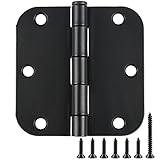
I remember the first time I tried to hang a door. It was a shed door, probably cost me twenty bucks, and I figured hinges were hinges. Boy, was I wrong.
The thing sagged like a tired old dog, the gap was wider than my hand at the top, and closing it felt like wrestling a bear. That’s when I learned that not all hinges are created equal, and the common advice you find online often skips the messy bits.
So, let’s cut the fluff. Are hinges wherls? It’s not a simple yes or no, but understanding what makes a good hinge can save you a heap of frustration and cash.
Why Some Hinges Just Plain Suck
Look, I’ve been around the block with hardware. I bought a set of fancy, black stainless steel hinges for my new bathroom vanity doors a few years back. They looked slick, cost me an arm and a leg – probably $180 for a dozen – and promised whisper-quiet operation and zero rust. Within six months, they were creaking like a haunted house, and I spotted the first flecks of rust peeking through the coating.
The problem is, most people, including me the first time, just grab the cheapest pack or the ones that look the prettiest. They don’t think about load-bearing capacity, the material’s actual resistance to corrosion, or the difference between a basic butt hinge and a more specialized type. It’s like buying a car based solely on the color of the paint. You end up with something that looks okay but falls apart when you actually need it to do the job.
When it comes to those initial shed door hinges, they were likely made of some thin, plated steel that couldn’t handle the weight or the weather. The pins probably weren’t snug, allowing for too much play, and the screw holes were drilled a bit too large. It’s a recipe for sag. This isn’t rocket science, but it does require paying attention to details that many manufacturers don’t highlight because, frankly, it’s cheaper not to. They rely on us to make the easy, often wrong, choice.
The common advice to just ‘get new hinges’ if yours are bad is technically true, but it’s like telling someone with a broken leg to ‘just walk it off’. You need to know which hinges to get. It’s the difference between fixing the problem and just postponing the inevitable squeak and sag.
The Anatomy of a Decent Hinge: What to Actually Look For
Okay, so you’ve decided you don’t want your doors to feel like they’re being held up by sheer willpower. What separates a good hinge from a dud? It boils down to a few key things: material, construction, and intended use. Forget fancy finishes for a second; we’re talking about what keeps your door hanging straight and swinging smoothly for years.
First off, material. Steel is common, and for good reason. But not all steel is created equal.
You want to see a decent thickness. For interior doors, something like cold-rolled steel with a good plating (like zinc or nickel) is usually fine and won’t break the bank. For exterior doors, or areas prone to moisture like bathrooms or kitchens, you need to step up. (See Also: Are Spring Loaded Door Hinges Better )
Stainless steel is the king here, but even then, check the grade – 304 stainless is a solid choice. I once had to replace hinges on a garden gate after just two years because the cheap plated ones had corroded so badly they were practically fused. Swapping to proper stainless steel was a big deal, even if it set me back about $30 more.
Construction matters. Look at the barrel, where the pin sits. It should be smooth, with no rough edges. The pin itself should fit snugly – not so tight you can barely remove it, but not so loose that the door feels wobbly. The screw holes should be clean and countersunk properly so the screw heads sit flush. I’ve seen hinges where the holes were a bit oval or too big, meaning the screws just spin and don’t bite into the wood effectively, leading to that dreaded sag. The knuckles (the parts that overlap) should be tight, with minimal gap.
Then there’s the weight rating. This is HUGE and often overlooked. Doors have weight. Heavy solid wood doors need beefier hinges than lightweight hollow-core doors. Most hinge packaging will give you a weight limit. If you’re unsure, always go a bit heavier duty. I learned this the hard way with a solid oak interior door. The standard hinges I picked, which felt solid enough, started to groan within a year. I ended up having to replace them with heavier-duty ones, which involved filling the old screw holes and re-drilling. A real pain in the backside that could have been avoided by checking the spec.
Finally, consider the type of hinge. A standard butt hinge is for most doors. But if you’re dealing with something unusual, like a cabinet door that needs to sit flush or a gate that needs to swing both ways, you’ll need a different type – like a concealed hinge, a barrel hinge, or a double-action spring hinge. It’s about matching the hinge’s function to the door’s need.
Common Pitfalls: Mistakes That Lead to Hinge Hell
You’d think installing hinges is straightforward, right? Screw ’em in, hang the door. Wrong. I’ve made enough mistakes to write a book, and most of them boil down to a few recurring blunders that turn a simple DIY job into a frustrating ordeal. One of the biggest is not realizing that the hinges are only part of the equation; the door frame and the door itself need to be solid.
I once tried to hang a new door on a frame that was slightly out of plumb. The door looked fine when closed, but it would stick when opened past 90 degrees. I spent hours adjusting the hinges, thinking I was just being fiddly. Turns out, the frame itself was the issue. The hinges were fine; they were just fighting against a crooked foundation. You can’t cheat gravity or basic carpentry with just good hinges.
Another classic mistake is using the wrong screws or not driving them in properly. Many hinges come with generic screws, which might be okay for a lightweight hollow-core door, but for anything heavier, you need longer, sturdier screws that can bite deep into the stud behind the frame, not just the thin jamb material. I’ve seen hinges pull out because the screws were too short or stripped the wood. I learned this when I was replacing hinges on an old dresser. The original screws were quite substantial, and the replacements I grabbed were puny. The drawers sagged almost immediately until I went back and got proper wood screws that reached the solid backing.
Forgetting to mortise correctly is another one. A mortise is the recess cut into the door and frame for the hinge leaf to sit flush. If you don’t cut it deep enough, the hinge leaf will stick out, preventing the door from closing properly or creating an unsightly gap. If you cut it too deep, you’ll have a loose hinge that won’t sit flush, and you’ll have to shim it later – a fiddly business. I remember spending an entire afternoon trying to get a cabinet door to sit right because I’d gone too deep with my chisel on one side. It looked okay from afar, but up close, you could see the tell-tale uneven gap.
Finally, and this is a big one that people overlook: the number of hinges. Most interior doors only need two hinges. But if you have a particularly heavy door, or if it’s a high-traffic door that will get a lot of use, you might need a third hinge. Adding a third hinge, placed strategically in the middle, can significantly reduce stress on the hinges and the door frame, preventing sag over time. It’s a simple fix that can save you a lot of headaches down the line. (See Also: A Box Without Hinges Key )
Real-World Use: When Hinges Really Show Their Worth
It’s easy to get bogged down in specs and materials, but let’s talk about where hinges actually make a difference you can see and feel. Think about your front door.
That’s a heavy beast, exposed to the elements, and it’s the first thing people interact with. A well-hung front door with good quality hinges feels solid, swings smoothly, and seals properly against drafts. A bad one?
It feels flimsy, might stick, and can be a security concern. I once stayed at a rental property with a cheap, poorly installed front door.
Every time the wind picked up, the door rattled in its frame. It felt cheap and frankly, a bit unsafe. That alone made me appreciate the engineering that goes into a solid exterior door setup.
Then there are kitchen cabinet doors. These get opened and closed hundreds, maybe thousands, of times a year. They need hinges that can take a beating and keep on working. Soft-close hinges, for instance, aren’t just a luxury; they prevent slamming, which saves the doors, the cabinet boxes, and your sanity. When I upgraded my kitchen cabinets, I splurged on good quality soft-close hinges. The difference was night and day. No more bangs, no more doors left ajar because they didn’t quite close. They feel premium, and the doors operate with a satisfying quiet glide.
Heavy interior doors, like those solid wood ones I mentioned, also demand respect. If you’ve ever wrestled with a heavy door that just doesn’t want to stay put, you know the pain. Using three, or even four, heavy-duty hinges can make a world of difference. It distributes the weight evenly, making the door feel lighter and easier to operate, and prevents the inevitable sagging that happens when two hinges are overloaded. I’ve seen old houses with beautiful, heavy wooden doors that still operate flawlessly because they were fitted with solid, well-maintained hinges.
Even something as simple as a small gate can benefit. A shed door or a garden gate might seem trivial, but if it’s constantly sticking, binding, or feels like it’s about to fall off, it’s an annoyance. Using appropriate strap hinges or T-hinges, designed for the load and the style, makes it a pleasure to use. I built a small garden gate for my mom, and using proper, galvanized T-hinges meant it swings freely even after years of exposure to rain and sun. It’s those everyday interactions where you really appreciate well-chosen, functional hardware. These are the real-world tests that show whether hinges wherls.
A Quick Comparison: Common Hinge Types and When to Use Them
Picking the right hinge isn’t about having a million options; it’s about understanding the basic types and where they shine. Forget about those fancy, decorative ones for now. Let’s stick to the workhorses.
| Hinge Type | Material Options | Pros | Cons | Best For | My Verdict |
|---|---|---|---|---|---|
| Butt Hinge | Steel (plated, stainless), Brass | Ubiquitous, versatile, easy to install, wide range of sizes and weights. | Can be visible when door is closed if not mortised correctly. | Most interior and exterior doors, cabinets. The default choice for a reason. | The workhorse. Reliable for 90% of jobs. Get good quality steel or stainless for longevity. |
| Ball Bearing Hinge | Steel (often heavy gauge) | Smooth operation, reduced friction, excellent for heavy doors or high-traffic areas. | More expensive than standard butt hinges, can be slightly bulkier. | Heavy interior doors (solid wood, fire doors), exterior doors in demanding environments. | Worth the splurge for heavy doors. Makes a huge difference in feel and wear. |
| Concealed (Euro) Hinge | Steel, Zinc Alloy | Completely hidden when door is closed, allowing for a clean, modern look. Often adjustable. | Requires precise mortising and installation, can be complex to adjust. | Cabinet doors, modern furniture, frameless cabinets. | Key for a clean look on cabinets. Installation takes patience. |
| Barrel Hinge | Steel, Brass, Aluminum | Hidden when door is closed, cylindrical shape. Good for tight spaces. | Limited load capacity for some types, installation can be tricky. | Small cabinets, hidden doors, specialty applications. | Niche, but great for specific designs where visibility is key. |
| Strap Hinge / T-Hinge | Steel (galvanized, black iron) | Decorative appeal, good for distributing weight along the door edge. | Can look rustic or industrial, not ideal for a sleek modern look. | Gates, shed doors, barn doors, decorative furniture. | Perfect for gates and rustic doors. Adds character and strength. |
| Double-Action Spring Hinge | Steel | Allows doors to swing in both directions and return to center. | Can be noisy, requires careful installation, spring tension needs adjustment. | Restaurant kitchen doors, saloon doors, some closet doors. | Only if you absolutely need two-way swing. Otherwise, stick to standard hinges. |
A Word on Maintenance: Keeping Your Hinges Happy
Even the best hinges need a little love now and then. The most common issue is squeaking. This usually means the hinge pin is dry or has picked up some grit. A quick fix is to use a bit of lubricant. WD-40 works in a pinch, but for a longer-lasting solution, I prefer a silicone-based spray or even a bit of graphite lubricant, especially for metal-on-metal contact. Just lift the pin slightly (you might need a nail set and hammer to tap it up from below), spray or apply the lube, and work the pin up and down a few times. Wipe away any excess. (See Also: Are Integrated Washing Machine Door Hinges Standard )
If you’re dealing with exterior hinges, especially in coastal or humid areas, corrosion is your enemy. Regularly wiping them down with a clean cloth can help remove salt spray or moisture. For stainless steel, a quick polish with a stainless steel cleaner can keep them looking good and protected. For painted or plated hinges, if you see rust spots starting, address them immediately. A bit of rust removal (using a fine-grit sandpaper or a rust-dissolving product) followed by a touch-up paint or clear coat can prevent it from spreading and compromising the hinge’s integrity.
Loose hinges are often a sign of stripped screw holes. If the screws just spin, you can often fix this by removing the screw, stuffing the hole with a wooden toothpick or a piece of wooden matchstick (break off the head), and then re-driving the screw. The wood fills the void and gives the screw something to grip. For more severe cases, you might need to use a wood filler or even re-drill and insert a larger screw or a wooden dowel. It’s not glamorous, but it’s cheaper than replacing the entire frame or door.
When Should I Replace Hinges?
You should consider replacing hinges if they are visibly rusted, corroded, bent, or excessively loose in a way that simple tightening or lubrication can’t fix. If a door consistently sags or binds despite adjustments, the hinges might be worn out or the wrong type for the door’s weight. It’s better to replace them before they cause further damage to the door or frame.
What Are the Best Hinges for Exterior Doors?
For exterior doors, opt for hinges made from corrosion-resistant materials like 304 stainless steel or heavy-gauge, high-quality plated steel. Ball bearing hinges are also a good choice for heavy exterior doors as they provide smooth operation and support. Always make sure they are rated for outdoor use and have a sufficient weight capacity.
Can I Use Cabinet Hinges on a Regular Door?
Generally, no. Cabinet hinges are designed for the much lighter load of cabinet doors and often have specific mounting systems (like Euro-style hinges). Regular doors require stronger hinges with solid screw attachments capable of supporting significant weight and stress over time.
How Do I Choose the Right Size Hinge?
Hinge size is determined by the door’s dimensions and weight. For standard interior doors, look at the height and thickness. For heavier doors, you’ll need thicker, often longer, hinges. Always check the hinge’s weight rating to make sure it can safely support your door. It’s better to slightly oversize than undersize.
Are Brass Hinges a Good Choice?
Brass hinges are often chosen for their aesthetic appeal, especially in older homes or for decorative purposes. Solid brass is durable and corrosion-resistant. However, they can be more expensive than steel and may not be as strong as heavy-gauge steel or stainless steel for very heavy doors. Make sure they are solid brass, not just plated.
Conclusion
So, are hinges wherls? Yes, they absolutely are, in the sense that the right ones make a world of difference, and the wrong ones will make you question your life choices. It’s not just about getting a hinge; it’s about getting the right hinge for the job.
Don’t be afraid to spend a few extra bucks on quality, especially for exterior doors or heavy interior ones. Check the material, the construction, and the weight rating. A bit of research upfront can save you a lot of frustration, squeaks, and sagging doors down the line.
Next time you’re hanging a door or fixing a sticky one, take a moment. Look at what you’ve got, consider what you need, and make an informed choice. Your doors – and your sanity – will thank you for it.