I remember walking into a house once, and it smelled… damp. Not like a quick spill, but a deep, persistent, musty odor that clung to the air. The realtor, bless her heart, chirped about the ‘excellent basement system.’ I nodded, but my gut screamed. That’s when I started really thinking about whether are houses with sump pumps bad. Most people just see them as a necessary evil, a sign of potential trouble. But is that the whole story? Does having one automatically mean you’re living on borrowed time, or is it just a tool, like a fire extinguisher, that you hope you never have to use?
My own experience with basements hasn’t always been sunshine and dry concrete. I’ve dealt with my fair share of soggy carpets and questionable stains that turned out to be more than just spilled juice. So, I’m going to give you the unvarnished truth about sump pumps.
Basement Water Woes: What’s the Deal with Sump Pumps?
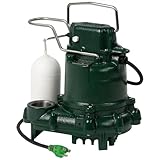
Let’s cut to the chase: a sump pump itself isn’t ‘bad.’ It’s a machine designed to do one job: keep your basement dry. It sits in a pit, called a sump pit, dug into the lowest part of your basement or crawl space. When groundwater rises or water from heavy rains starts to pool around your foundation, it flows into this pit. Once the water reaches a certain level, a float switch on the pump activates, and whirr, it pumps the water out and away from your house, usually through a discharge pipe. Simple, right? Well, like most things involving water and houses, it’s a bit more complicated than that.
The ‘bad’ reputation often comes not from the pump itself, but from what it signifies. A sump pump is usually installed because a house has a history of, or a high risk of, basement flooding. This can be due to a high water table, poor grading around the house, heavy clay soil that doesn’t drain well, or a foundation that’s seen better days. So, when you see a sump pump, it’s less about the pump being a problem and more about the underlying conditions that necessitate its presence. Think of it like a bandage – it’s there because there’s a wound, not because the bandage itself is the injury.
I once bought a place where the previous owner had installed a brand-new, top-of-the-line sump pump just before listing. They made a big deal about it, framing it as a proactive measure.
Three months later, we had a torrential downpour, the kind that makes you wonder if Noah is building another ark. The pump kicked on, did its thing, and saved the day. But it also highlighted that the reason it was there in the first place was a seriously leaky basement window well and soil that seemed to actively absorb water like a sponge.
The pump was a godsend, but it also meant I was now responsible for managing a potential water problem on a regular basis. It was a constant low-level hum of ‘what if?’
in the back of my mind.
The real issue isn’t the pump; it’s the maintenance and the potential for failure. If a sump pump fails during a storm, that’s when you have a major problem.
And they do fail. Power outages are the big one. If the electricity goes out, your main pump is dead in the water.
That’s why many people, myself included, consider a battery backup system. It’s an added expense, but honestly, after seeing a friend’s basement turn into a swimming pool during a blackout, it felt like a a must. The initial cost of the pump can range from $100 to $300 for a basic model, plus installation which can add another $200 to $700 depending on complexity.
Battery backup systems can add another $150 to $500.
How Sump Pumps Work (and Why They Sometimes Don’t)
Understanding the mechanics is key to not being blindsided. A standard submersible sump pump is pretty straightforward. It’s a motor and an impeller inside a waterproof casing. When the water in the pit reaches the float switch, it tilts upwards, closing an electrical circuit. This powers the motor, which spins the impeller. The spinning impeller creates pressure, forcing water up through the discharge pipe and out of your home. Gravity then does the rest, carrying the water away. The float switch then drops back down as the water level recedes, shutting off the pump.
Now, why do they fail? Power outages are the most common culprit, as I’ve mentioned. Without electricity, it’s just a metal bucket in a hole. Another common issue is the pump getting clogged. Debris like dirt, small rocks, or even pipe fragments can get washed into the pit and jam the impeller. This can cause the motor to overheat and burn out. Regular cleaning of the pit and making sure the discharge pipe isn’t blocked are surprisingly important tasks that many homeowners neglect. I once forgot to check mine for a year, and when I finally did, the pit was full of sludge and a rogue plastic bag. The pump was struggling. (See Also: Are Pumpkin Seed Husks Edible )
Age is also a factor. Sump pumps don’t last forever. Most have a lifespan of about 10 years, though some high-quality ones can last longer. If you’re buying a house with an older pump, factor in replacement costs. I learned this the hard way when a pump I inherited decided to give up the ghost at year 11, right after a lengthy period of heavy rain. The resulting flood wasn’t catastrophic, but it was enough to make me swear off neglecting my home’s utilities ever again. It was a costly lesson, both financially and in terms of sheer annoyance.
Another factor people don’t always consider is the discharge line. If this pipe freezes in winter or gets blocked by leaves or sediment, the water has nowhere to go. The pump will run, but the water will just back up into the pit, potentially overflowing. Some systems have backwater valves to prevent this, but they can also get stuck. It’s a whole system, and any weak link can cause trouble. My neighbor had his discharge pipe buried too close to the surface, and it froze solid one winter. His basement flooded. Simple oversight, major headache.
Here’s a quick rundown of common sump pump types and my take:
| Type | Pros | Cons | My Verdict |
|---|---|---|---|
| Submersible | Quieter, less prone to clogging, out of sight | Can be harder to access for repairs | My go-to. Reliable and less intrusive. |
| Pedestal | Easier to access for maintenance, often cheaper | Noisier, motor exposed to potential moisture | Okay for a budget, but I’d upgrade if I could. |
| Battery Backup | Provides protection during power outages | Additional cost, battery needs maintenance/replacement | Key for peace of mind. Don’t skip this. |
What to Look for When Buying a House with a Sump Pump
When you’re house hunting and you see that sump pit in the corner of the basement, don’t immediately run for the hills. Instead, treat it as an opportunity to ask questions and do your due diligence. First off, ask the seller or their agent about the history of flooding. Has the basement ever flooded? If so, when, why, and how bad was it? What steps have been taken to address it? A well-maintained pump with no recent flood history is a much better sign than a brand-new pump in a basement that’s seen better days. A newer pump doesn’t erase past problems.
Have the pump itself inspected. If you’re serious about a property, hire a qualified home inspector who knows their way around plumbing and basements. They can tell you the age and condition of the pump, check the float switch, and look for signs of wear and tear. They can also assess the sump pit itself for cracks or signs of water intrusion. Ask how old the pump is. If it’s pushing 10 years, be prepared to budget for a replacement soon. I once skipped a detailed pump inspection on a house, figuring ‘it works, it works.’ Big mistake. The pump was ancient and sounded like a dying walrus. I had to replace it within six months.
Next, look at the discharge pipe. Where does it lead? Is it routed far enough away from the foundation? Does it have a way to prevent freezing or backflow? Ideally, the water should be discharged at least 10 feet from the house, and the pipe shouldn’t be directed towards a neighbor’s property or a public sewer system unless it’s permitted. Improper discharge can cause erosion or contribute to your neighbor’s water problems, which can lead to its own set of headaches. Some municipalities have regulations about where sump pump water can be discharged.
What about the power source? Is the pump plugged into a dedicated, properly grounded outlet? Is there a battery backup system in place? If there isn’t one, consider it a mandatory upgrade if you buy the house. The cost of a battery backup is a fraction of the cost of repairing water damage. I’ve seen folks argue that a battery backup is overkill, but honestly, what’s your peace of mind worth during a 3-day storm when the power flickers on and off? For me, it’s priceless. It’s not just about the pump working; it’s about it working when you need it most, regardless of grid stability. It’s a small investment for a huge safeguard.
Finally, consider the local water table and soil conditions. A good real estate agent or a local builder can often provide insights into whether the area is prone to high water tables or drainage issues. If you’re in a low-lying area or a region known for heavy rainfall, a sump pump might be a common feature and not necessarily a red flag. Conversely, if the house is on a high, well-drained hill, and there’s a sump pump, you might want to ask why. Is it an old problem that’s been fixed, or is there an ongoing issue they’re trying to mask?
Common Mistakes and What They Cost You
There are a few classic blunders people make with sump pumps, and they can really drain your wallet and your patience. The first, and I’ve already touched on it, is neglecting maintenance. Thinking a sump pump is a ‘set it and forget it’ appliance is a recipe for disaster. You need to check it regularly – at least twice a year, and more often if you live in a flood-prone area or have experienced heavy rains.
Pull it out, clean the pit, check the float switch for free movement, and test the pump by running water into the pit. Most of my friends who’ve had major basement floods?
They all admitted they hadn’t looked at their pump in years. The cost of a simple pump test is zero, but the cost of flood damage repair can be tens of thousands.
Another common mistake is installing a pump that’s too small or not powerful enough for the job. A cheap, low-gallon-per-minute (GPM) pump might be fine for minor seepage, but it will be completely overwhelmed during a heavy rain event.
You need a pump that can handle the volume of water you’re likely to encounter. If your inspector or a plumbing professional tells you the pump is undersized, don’t skimp on replacing it. (See Also: Are Pumpkin Seed Acid Or Alkaline )
I once bought a fixer-upper that had a tiny little pump that sounded like it was on its last legs. I replaced it with a more solid model before the rainy season, costing me about $250 for the pump and another $300 for installation. The previous owner probably thought they were saving money. I found out later their basement had flooded significantly the year before.
Improper discharge is another biggie. Dumping water right next to your foundation, or where it can’t drain away effectively, defeats the entire purpose. This can actually increase the water pressure against your foundation walls, leading to cracks and leaks. Make sure the discharge pipe is clear, runs downhill, and is directed well away from the house – at least 10 feet, more is better. Some people try to get fancy with underground pipes, but these are more prone to freezing and clogging if not installed and maintained perfectly. Above-ground, visible discharge is often easier to manage.
The most infuriating mistake, though? Relying solely on the primary pump. As I’ve hammered home, power outages are a real threat.
A battery backup system is not a luxury; it’s a necessity in many areas. The cost of the backup pump and battery can range from $300 to $800.
Add to that the potential cost of a new battery every 3-5 years ($100-$200), and it’s an ongoing expense. But compare that to the cost of replacing soaked drywall, damaged flooring, ruined furniture, and potential mold remediation, which can easily run into the tens of thousands.
I had a neighbor whose sump pump failed during a storm because the power went out. His finished basement, which had cost him $50,000 to renovate, was a wreck.
He’d never bothered with a backup. Ouch.
Finally, not addressing the root cause of the water problem. A sump pump is a solution, but it’s often treating the symptom, not the disease. If your house has poor exterior grading, downspouts that dump water right at the foundation, or foundation cracks, the pump is just working overtime. You might need to regrade your yard, extend your downspouts, or even get foundation repairs. These can be significant expenses, but ignoring them means your sump pump will always be under immense pressure, and the risk of failure or overwhelm is much higher.
Living with a Sump Pump: Real-World Experience
So, what’s it actually like to live in a house with a sump pump? For me, it’s become a background hum of awareness. I don’t agonize over it daily, but I don’t forget it either. The key is routine. I’ve made it a habit to do a quick visual check every month or so, just to make sure the pit is clear and the pump looks dry. Twice a year, I pull it out, clean the pit thoroughly – it’s amazing what collects down there – and run water into the pit to make sure the pump kicks on and discharges properly. This takes maybe 30 minutes, and it’s a small price to pay for avoiding a potential disaster.
The sound of the pump kicking on used to make me jump. Now, it’s almost a comforting noise.
It means the system is working. It’s like hearing a smoke detector chirp – better to hear it working than to find out it wasn’t when you needed it. My current house has a submersible pump with a battery backup.
The backup is key. We had a brief power flicker last winter during a snowstorm, and I heard the faint click of the backup kicking in.
It ran for about 10 minutes until the main power was restored. That 10 minutes of silence from the backup was worth every penny I spent on it. It was a little stressful, but knowing it handled it was a relief. (See Also: Are Organic Pumpkin Seeds From China Bad )
The biggest surprise for me was how much the pump’s operation can vary. In dry seasons, it might run only once or twice a month, or not at all. During heavy rain or snowmelt, it can kick on every few minutes. You get used to the rhythm. You also get a better understanding of your property’s drainage. If the pump is running constantly for days, it might indicate an issue you need to address beyond just the pump itself, like the grading or a clogged drain. It’s a sort of early warning system for your home’s overall health.
One contrarian thought: many people panic about sump pumps, seeing them as a sign of impending doom. I disagree. While they indicate a potential water issue, they are also a solution. A house without a sump pump in a flood-prone area is far worse. It means the water problem is being ignored or is so severe that a pump can’t keep up. A well-maintained sump pump, especially with a backup, is a sign of a proactive homeowner or a well-prepared property. It’s a tool that, when properly managed, can save you from immense headaches and costs. It’s better to have one and manage it than to not have one and face a flooded basement.
The discharge pipe can sometimes be a minor annoyance. In winter, you have to be mindful of where it’s discharging to prevent freezing. In summer, you might need to make sure it’s not creating a muddy mess in your yard. Simple things like making sure it’s properly sloped and directing it to a drain or a gravel bed can solve most issues. It’s not a huge burden, just another small chore to add to the homeownership list. It’s part of the package, like mowing the lawn or changing air filters.
Practical Tips for Sump Pump Owners
Alright, let’s get down to brass tacks. If you have a sump pump, or are thinking about getting one, here are some practical things you can do to make sure it does its job and doesn’t become a nightmare:
- Regular Maintenance is King: I can’t stress this enough. At least twice a year, clean out the sump pit. Check for debris, silt, or any obstructions. Test the pump by pouring water into the pit to make sure the float switch engages and the pump activates. Make sure the water is discharged away from the house.
- Test the Battery Backup: If you have a battery backup, test it regularly. Many systems have a test button. Also, check the battery’s water level if it’s a wet cell battery and top it off with distilled water as needed. Batteries typically last 3-5 years, so keep track of its age and be prepared to replace it.
- Inspect the Discharge Line: Make sure the discharge pipe is clear and not blocked by leaves, ice, or sediment. In winter, make sure the end of the pipe isn’t frozen shut. Consider a freeze-resistant discharge cap or a secondary above-ground discharge point.
- Consider a Water-Level Alarm: These inexpensive devices can be placed in the sump pit and will sound an alarm if the water level gets too high, even if the pump fails. It gives you an audible warning before flooding occurs.
- Have a Backup Plan (Literally): If you don’t have a battery backup, get one. If you do, make sure it’s in good working order. Consider a secondary pump or a water-powered backup pump as an extra layer of protection if your area is highly prone to flooding or power outages.
- Check Your Insurance Policy: Understand what your homeowner’s insurance covers regarding basement flooding and sump pump failure. Some policies require specific riders or exclusions for water damage. Don’t assume you’re covered for everything.
- Know Your Pump’s Specs: Understand the horsepower of your pump and its gallons-per-minute (GPM) rating. This will help you determine if it’s adequate for your needs and when it might be time for an upgrade.
I learned the hard way about the discharge line freezing. I was out of town for a week in January, and the temperature dropped significantly. When I got back, the pump was running constantly, but the basement was damp. I realized the end of the discharge pipe outside had frozen over, creating a plug.
Water was backing up. I had to run out in the snow and use a heat gun to thaw it.
Cost me nothing but a good scare and a reminder to always check that pipe in freezing weather. A simple hose clamp holding a piece of mesh over the end can prevent animals or debris from blocking it, and making sure a proper downhill slope is important.
Faq: Your Sump Pump Questions Answered
Are Houses with Sump Pumps Bad?
No, houses with sump pumps are not inherently bad. A sump pump is a proactive measure to prevent basement flooding. Its presence usually indicates a property has a history or high risk of water intrusion, but the pump itself is a solution, not the problem. A well-maintained pump with a backup system can significantly protect your home.
Does a Sump Pump Increase Home Insurance Costs?
It can, but not always significantly. Insurers may see it as a risk mitigation feature. However, if you have a history of basement flooding, or if the pump fails and causes damage, your premiums could increase or coverage could be denied. It’s best to check with your insurance provider about specific policy details and potential discounts for having a backup system.
How Often Should a Sump Pump Run?
A sump pump’s frequency of operation depends heavily on rainfall, snowmelt, and the local water table. In dry periods, it might run rarely or not at all. During heavy storms or spring thaw, it could run every few minutes. If it’s running constantly for extended periods without a major water event, it might indicate a problem with the pump itself or an underlying drainage issue that needs addressing.
Can I Turn Off My Sump Pump in the Winter?
No, you should never turn off your sump pump, especially in winter. Winter can bring snowmelt and frozen ground which can increase groundwater levels. Additionally, if your home’s heating system causes condensation or if pipes leak, the pump may still be needed. The discharge line is more susceptible to freezing in winter, so making sure it remains clear is important.
What Happens If a Sump Pump Fails?
If a sump pump fails, especially during a period of heavy groundwater or rain, the sump pit will fill with water. Once the pit is full, the water will overflow and begin to flood the basement. This can lead to significant water damage to the foundation, walls, flooring, furniture, and can cause mold growth if not addressed quickly. This is why a battery backup system is so important.
Verdict
So, to wrap it all up, are houses with sump pumps bad? My honest answer is no, not if they’re managed correctly. A sump pump is a tool, a protector, not a harbinger of doom. It means the house is likely in an area where water management is important, but it also means there’s a system in place to deal with it. The key is understanding what you’re getting into. Don’t just see the pit and run. Inspect it, ask questions, and if you buy a place with one, make maintenance a priority. Treat it like the vital piece of home infrastructure it is.
If you’re buying a house and one isn’t present but the area suggests you might need one, factor in the cost of installation. For me, the peace of mind that comes with a reliable, well-maintained sump pump (with a battery backup, obviously) far outweighs the minor inconveniences. It’s the difference between a dry, comfortable basement and a potential disaster zone. So, go ahead, inspect that pump, and if it’s in good shape, consider it a bonus feature.