I remember wiring my first workshop, feeling like a damn electrician with my shiny new breaker panel. I’d spent a small fortune on everything top-of-the-line, or so I thought. Then, a buddy of mine, who’s been in the trades for longer than I care to admit, took one look and just laughed. “ITE?” he scoffed, “You bought those?” That’s when the nagging question started: are ITE circuit breakers legacy? And more importantly, does that mean they’re still worth a damn, or just old junk collecting dust in panels everywhere?
It’s not just about brand names; it’s about what actually keeps the lights on and prevents your house from becoming a bonfire. These things are literally the gatekeepers of your electrical system. If they’re ‘legacy,’ what does that actually imply for safety and reliability today?
Why ‘legacy’ Isn’t Always a Dirty Word (but Can Be)
Look, when people ask if ITE circuit breakers are legacy, they usually mean one of two things: are they outdated and potentially unsafe, or are they simply older models that are still perfectly functional? The honest answer is, it’s complicated, and depends a lot on which specific ITE breaker we’re talking about. ITE, or instead, the company that eventually absorbed it, Siemens, has been around forever. They made a ton of breakers, and not all of them are created equal, nor were they all made at the same time.
Back in the day, ITE was a big name. They produced breakers that were considered reliable for their time. The issue with “legacy” is that technology marches on.
Safety standards evolve. What was perfectly acceptable in the 70s or 80s might not meet today’s stringent requirements, especially for arc fault protection or ground fault detection in certain areas.
I once bought a used panel with ITE breakers for a shed project, thinking I was being thrifty. The breakers looked beefy, solid metal. But when I started tripping them, they felt… mushy.
They didn’t snap off with that satisfying ‘thwack’ you get from newer ones. It made me genuinely nervous, and I ended up replacing them with a modern Eaton panel. That $80 saved cost me a few sleepless nights and ultimately another $200 for new breakers and a panel.
The term ‘legacy’ often gets thrown around by manufacturers and installers pushing the latest and greatest. They want you to think anything not made in the last five years is practically dangerous. While there’s some truth to that for certain sensitive applications, for general-purpose circuits in older homes, many older breakers still do their job of preventing overloads and short circuits. The real question is whether you’re willing to accept the potential increased risk for the sake of saving a few bucks or sticking with what’s already in your wall. It’s a gamble, and one I’m usually not keen to take with my own home’s electrical system.
What to Actually Look for (beyond the Brand Name)
Forget the brand name for a second. When you’re looking at any circuit breaker, legacy or not, there are a few things that matter more than the sticker. First off, is it the right amperage for the circuit? You’d be shocked – and maybe a little horrified – how many times I’ve seen breakers that are way too high for the wire gauge. That’s a recipe for disaster, where the wire overheats and melts before the breaker trips. This is where the common advice to “just match the breaker to the wire” becomes incredibly important, and sadly, often ignored.
Next, consider the type of breaker. For standard lighting and outlet circuits, a simple thermal-magnetic breaker is what you’ll find in most older panels. These react to sustained overcurrents (thermal) and sudden, large currents like short circuits (magnetic).
But for areas like kitchens, bathrooms, laundry rooms, or anywhere near water, you absolutely need Ground Fault Circuit Interrupters (GFCIs) or Arc Fault Circuit Interrupters (AFCIs). These offer protection against electrocution (GFCI) and fires caused by arcing electricity (AFCI), respectively. (See Also: Are Afci Circuit Breakers Required In Florida )
If your legacy panel doesn’t have spaces for these, or if the existing breakers are just basic types, that’s a significant red flag. You can’t just jam a modern GFCI breaker into any old slot; the panel needs to be designed to accept them, and often, older panels are not. This is a detail most DIYers miss, thinking they can just upgrade one breaker.
The physical condition of the breaker is also key. Are the terminals clean and tight?
Does the handle move smoothly, or does it feel loose, stiff, or gritty? A breaker that feels ‘off’ is a warning sign.
I once had a breaker that would sometimes stick. It wasn’t a big deal until we had a storm and a lightning strike nearby caused a surge.
That sticky breaker didn’t trip immediately, and it fried a couple of appliances before finally giving up. Lesson learned: don’t ignore subtle mechanical issues.
For older breakers, I’d also look at the brand’s reputation during the era the breaker was manufactured. Some brands had good runs and bad runs. ITE, for instance, had a solid reputation for a long time, but like any company, quality can fluctuate.
Here’s a quick rundown of what to inspect:
| Feature | What to Look For | Verdict on Legacy Breakers |
|---|---|---|
| Amperage Rating | Matches wire gauge and circuit load. | Often correct, but verify wire gauge. |
| Type (Thermal-Magnetic, GFCI, AFCI) | Appropriate for the circuit’s location and risk. | Legacy panels often lack GFCI/AFCI capability or slots. |
| Physical Condition | Smooth operation, clean terminals, no looseness. | Can be good, but wear and tear is a major factor. |
| Markings/Labels | Clear, legible, UL listed or equivalent. | Usually fine, but sometimes faded on very old units. |
| Manufacturer Reputation (at time of manufacture) | Known for reliability during its production period. | ITE generally good, but specific models vary. |
Common Mistakes People Make with Older Breakers
The biggest mistake I see, hands down, is assuming that because a breaker looks okay, it is okay. People will see an old ITE breaker in their panel and think, “It’s been working fine for 30 years, why change it?” That’s like saying your old car is still safe because it hasn’t crashed yet. The internal components degrade over time. Springs lose tension, contacts can pit, and the thermal elements can become less sensitive. It’s a ticking time bomb, and you don’t know when it’s going to go off.
Another common error is believing that all breakers are interchangeable. You might have an older ITE panel, and you decide to buy a replacement breaker from a completely different brand because it looks similar. This is incredibly dangerous. Breakers are designed to fit specific panel brands and types.
Not only can an incompatible breaker physically fail to seat properly, but its performance characteristics (like trip curves) might not match the panel’s busbars. This can lead to overheating, arcing, and potential fires. I once had a guy tell me he swapped out a breaker for one he found at a flea market. It was the right amperage, but the wrong type for the panel. (See Also: Are Circuit Breakers Ac Or Dc )
It worked… for a while. Then, during a minor surge, it didn’t trip, and he ended up with a nice scorch mark on his wall where the outlet used to be.
He was lucky it didn’t spread.
People also underestimate the importance of proper installation. Even if you have a new, compatible breaker, if it’s not seated firmly onto the busbar or the wire connection isn’t torqued correctly, it won’t function as intended.
Loose connections create resistance, which generates heat – a major fire hazard. This is why, even for simple breaker replacements, I always recommend using a torque screwdriver if you’re not experienced. It’s an $18 tool that can prevent a $18,000 disaster.
Trying to “eyeball” the tightness is a fool’s errand. And let’s not forget the DIY temptation.
Electrical work can seem straightforward, but one missed detail can have catastrophic consequences. If you’re not 100% confident, call a professional. The cost of an electrician is cheap compared to the cost of a house fire or injury.
When Legacy Breakers Are Still Doing Their Job
Now, before you go ripping out every old breaker you can find, let’s be fair. If you have an older home with a panel full of what you might consider “legacy” ITE circuit breakers, and they’ve been functioning perfectly without any issues for decades, they might still be okay for certain applications. For example, if you’re powering a simple lighting circuit in a basement that’s rarely used, or a small workshop with low-demand tools, an older, properly functioning thermal-magnetic breaker might continue to serve its purpose adequately. The key here is ‘properly functioning’. A breaker that trips reliably when it should, and doesn’t trip when it shouldn’t, is still doing its primary job.
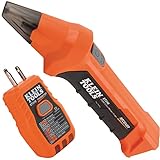
I had a situation in my garage where the original panel had some older breakers, including a couple of ITE ones. I tested them with a breaker tester I bought for about $50. It simulates overloads and checks trip times. Two of the breakers tested fine, meeting their trip specifications within acceptable tolerances.
The rest were sluggish or didn’t trip at all. So, I kept the two good ones for non-important circuits – powering some LED shop lights and a small radio. The ones that failed, I replaced with modern AFCI/GFCI breakers, as required by code for my workshop renovations. This approach allowed me to address the most important safety needs without a complete panel overhaul, saving me some cash.
It’s about assessing risk and necessity. (See Also: Can 12 Gage Wire Fit 15 Amp Breaker )
The reality is, in many older homes, the electrical system hasn’t been significantly updated. The wiring itself might be older, and the demand on circuits is lower than in modern, gadget-filled households.
In these scenarios, a well-maintained, older breaker might still provide a reasonable level of protection. However, I’d caution against this approach for any important circuits, like those serving bedrooms, living areas where people spend a lot of time, or circuits powering major appliances. The cost of upgrading to modern breakers, or even a new panel, is often justified by the increased safety and peace of mind they provide.
It’s a judgment call, and I lean towards caution, especially with the increasing prevalence of sensitive electronics that can be damaged by poor power quality or surges that older breakers might not handle as gracefully.
For those who insist on keeping older breakers, regular testing is most important. This isn’t something you do once and forget. You should ideally test them every few years. This involves using a dedicated breaker testing device or carefully simulating an overload. If you’re not comfortable doing this yourself, a qualified electrician can perform these tests. Remember, the breaker is the last line of defense. If it fails, you’re relying on the insulation of your wires not to catch fire, which is a gamble I wouldn’t want to take.
People Also Ask: Are Ite Circuit Breakers Legacy?
Are Ite Circuit Breakers Still Safe?
Some older ITE circuit breakers, if well-maintained and functioning correctly, can still be safe for basic overcurrent protection. However, safety standards have evolved, and newer breakers offer enhanced features like GFCI and AFCI protection that older models lack. Their internal components can also degrade over time, making them less reliable. It’s important to test older breakers regularly and consider replacement for important circuits.
What Replaced Ite Circuit Breakers?
ITE circuit breakers were eventually integrated into Siemens. Siemens continues to manufacture circuit breakers under their own brand, which are considered modern replacements and upgrades for older ITE installations. Other manufacturers like Eaton, Square D, and GE also produce compatible or upgradeable breakers for panels that originally housed ITE devices, though direct compatibility must always be verified.
When Were Ite Circuit Breakers Made?
ITE was a prominent manufacturer of electrical equipment for many decades, particularly from the mid-20th century through the 1980s and into the 1990s before its acquisition. Therefore, “legacy” ITE circuit breakers could have been manufactured anytime from the 1950s up to the early 2000s, with the vast majority found in older homes dating from the 1960s to 1990s.
Can I Replace an Ite Circuit Breaker with a Siemens One?
In many cases, yes, a Siemens circuit breaker can replace an older ITE circuit breaker, especially if the panel was manufactured by ITE and later acquired by Siemens. Siemens breakers are often designed to be compatible with panels that originally accepted ITE breakers. However, it’s absolutely important to confirm compatibility with the specific panel model and the replacement breaker model, as not all combinations are guaranteed to work safely and reliably.
Final Thoughts
So, are ITE circuit breakers legacy? The short answer is yes, many of them are. That doesn’t automatically mean they’re junk, but it does mean you can’t just treat them like new. They’re like an old, reliable car: it might still get you from point A to point B, but it doesn’t have the safety features of a new model and might break down more unexpectedly.
My personal take? If you’ve got a panel full of them and nothing’s gone wrong, great. But don’t get complacent. Get them tested. For any new circuits or areas where safety is most important – like kitchens, bathrooms, or bedrooms – I’d strongly advocate for upgrading to modern breakers. The peace of mind, and the actual safety improvements, are usually well worth the cost.
Ultimately, understanding your electrical panel is important. Don’t just live with what’s there because it’s always been there. A little effort now could save you a lot of heartache later. If in doubt, always, always consult a qualified electrician. They’ve seen it all and can give you the best advice for your specific situation regarding whether your ITE circuit breakers are legacy and what to do about it.