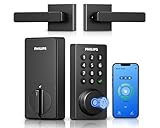
I remember the first time I swapped out my old deadbolt for one of those fancy digital keypads. Seemed like the future, right? No more fumbling for keys in the dark, no more worrying about who has a copy. But as I stood there, punch card in hand, I couldn’t shake this nagging feeling: are key code door locks safe? It’s a question I’ve wrestled with for years, especially after seeing friends get locked out or worse, wondering if their digital fortress was as secure as they thought.
We’ve all seen the movies, the slick hackers breaking into systems with a few keystrokes. While real-world home security isn’t quite like that, the underlying question remains. Is the convenience of a code worth any potential trade-off in security? Let’s cut through the marketing hype and get down to what actually matters.
Rethinking the Humble Deadbolt: Are Key Code Door Locks Safe?
Let’s be blunt: the primary reason people ditch traditional locks is pure convenience. No more keys. That alone is a massive draw. Forgetting your keys is a classic annoyance, but having a spare hidden under the mat is an invitation for trouble. With a keypad lock, you punch in your code, the bolt retracts, and you’re in. Simple. But ‘simple’ can sometimes mask complexity, and complexity can hide vulnerabilities. The core question is, are key code door locks safe enough for your home? My experience says yes, but with significant caveats. It’s not just about slapping one on and forgetting about it; you have to be smart about it.
Think about your typical deadbolt. It’s mechanical. A physical key turns pins, which retracts a bolt. It’s been around forever because it’s reliable. A keypad lock, however, introduces electronics. There’s a circuit board, batteries, often a motor to drive the bolt, and a communication method for the keypad itself. This electronic layer is where the ‘are key code door locks safe’ debate really heats up. Can these electronics be bypassed? Can the code be intercepted? These are valid concerns.
For years, I stuck with my trusty Kwikset deadbolt. It worked. It was strong. Then came the smart home phase.
I wanted that remote access, the ability to let a neighbor in while I was out of town. I started researching. The initial wave of smart locks had some rough edges.
I remember reading about early models that could be fooled with a simple magnet or had glaring Wi-Fi security holes. That’s where my first real-life lesson came in. I bought one of the first popular smart locks on the market, a sleek-looking model that promised the moon.
Within six months, the app was buggy, the battery life was atrocious, and I discovered it was communicating over unencrypted Bluetooth, meaning someone with a basic scanner could potentially see my lock’s status. It felt less like a fortress and more like a digital picket fence.
I returned it, thoroughly unimpressed and out about $150.
The good news is, technology has improved by leaps and bounds since those early days. Manufacturers have learned from their mistakes. Modern keypad locks, especially those from reputable brands, have come a long way in terms of security. They use encryption, secure communication protocols, and often have physical tamper detection. But are they foolproof? No. No lock is.
The real danger with keypad locks often isn’t a sophisticated hack, but rather human error or poor choices. For instance, many people choose incredibly simple codes. ‘1234’, their birthday, or the year they moved in. That’s not a code; that’s an open invitation. Or they’ll write down the code and stick it somewhere “safe” – like under the welcome mat. That’s not securing your home; it’s practically handing over the keys. These are the weak links that make people question, ‘are key code door locks safe?’, when in reality, the lock itself might be perfectly fine, but the user’s practices are not.
One of the key aspects to consider when evaluating the safety of these devices is the physical construction. A flimsy housing can be pried open, regardless of the digital mechanism. Reputable brands use solid materials like brass or steel, designed to withstand brute force attacks. The internal mechanism that throws the bolt also needs to be solid. Many high-quality keypad locks mimic the heavy-duty bolt action of a traditional deadbolt, which is a good sign. It’s not just about the digital brain; the brawn matters too.
What to Look for (beyond the Shiny Buttons)
So, if you’re wading into the world of keypad locks and wondering, are key code door locks safe, what should you actually be looking for? It’s not as simple as picking the prettiest one. First off, brand reputation is king. I’ve learned the hard way that a no-name brand off a discount site might be cheap, but it’s often cheap for a reason – security being a prime suspect. Stick with established brands like Schlage, Kwikset, Yale, or August. These companies have invested years into developing and refining their lock technology, and they have a vested interest in not having their products fail spectacularly. (See Also: Are There Different Size Holes For Installing Door Locks )
When you’re looking at a specific model, check its security features. Does it use encryption for its wireless communication (if it has any)? What kind of encryption? AES-128 is a common standard, and it’s pretty good for this application. Some higher-end models might use AES-256. If it connects to Wi-Fi, how does it do it? Is there a separate hub, or does it connect directly? Direct Wi-Fi connections can sometimes be more vulnerable if not implemented correctly. A hub-based system can add another layer of security, as the hub itself is a hardened device.
Another thing to consider is the battery. Battery life is a practical concern, but also a security one. If your lock dies unexpectedly, you’re locked out. Look for models that give you ample warning when the battery is low, and check how long the batteries typically last. Most good ones will last 6-12 months on a set of AA batteries. Some even have a backup power option, like a 9-volt battery terminal on the outside, so you can juice it up if the main batteries die. This is a small detail, but it’s the kind of thing that stops a minor inconvenience from becoming a lockout emergency.
Physical security is also most important. Does the exterior keypad feel solid? Is it made of metal or cheap plastic? The keypad itself should be responsive and easy to use. Some have capacitive touch screens, while others have physical buttons. Physical buttons can sometimes be easier to feel in the dark or with gloves on, but screens can be sleeker. Either way, it needs to be durable. I’ve seen some cheap button keypads where the numbers wear off after a year, making it hard to even enter your code.
Here’s a quick rundown of features that make a keypad lock safer:
| Feature | Why It Matters | My Verdict |
|---|---|---|
| Reputable Brand | Proven track record, better support, more secure development. | Must-have. Don’t skimp here. |
| AES Encryption | Protects wireless data transmission from interception. | Highly Recommended. Standard for secure smart devices. |
| Tamper Alerts | Notifies you if someone is trying to force the lock. | Nice to have. Adds peace of mind. |
| Low Battery Warning | Prevents unexpected lockouts. | Key. Avoids getting stranded. |
| Physical Key Backup | A fallback in case of electronic failure or dead battery. | Strongly Recommended. For ultimate security. |
| Durable Construction | Resists physical attacks and wear. | Key. Especially for the exterior. |
When I’m choosing, I always look for a physical key backup. It might feel like I’m defeating the purpose of a keypad, but it’s a safety net. It’s like having insurance – you hope you never need it, but you’re damn glad it’s there if you do. This is a key part of answering ‘are key code door locks safe?’ – it’s about having layers of security.
Common Mistakes That Make You a Target
Alright, let’s talk about the bonehead moves people make that turn a perfectly good keypad lock into a security liability. I’ve seen them all, and I’ve probably made a few myself when I was starting out. These aren’t about the lock failing; they’re about you failing the lock. And honestly, this is where most people go wrong when they question, ‘are key code door locks safe?’ It’s not the tech; it’s the user.
First up: weak passcodes. This is the most obvious.
If your code is ‘1-2-3-4’, your pet’s name backwards, or the current year, you might as well leave your door wide open. Most keypad locks allow for 4 to 8 digits, sometimes more. Use that length! Mix it up.
Don’t use sequences. Don’t use patterns.
And for the love of all that is holy, don’t use the default code that came with the lock. I’ve heard stories, and it’s terrifyingly common. Someone installs a new lock, never changes the factory code, and a burglar who knows the common defaults walks right in. I’ve seen people use their anniversary date, their kid’s birthday, or just the last four digits of their phone number.
That’s not a code; it’s a guessable pattern.
Another massive mistake is sharing your code too liberally. Giving your code to the dog walker is one thing, but handing it out to every friend who comes over to “hang out” is another. If you have guests who need access, consider setting up temporary guest codes if your lock allows it. Or, if it’s a one-off, change the code immediately after they leave. Think about it: if you tell five friends, and one of them casually mentions it to someone else, or worse, their phone with the code written down gets stolen, you’ve just compromised your home. It’s the social engineering angle that’s often overlooked. (See Also: Are Sesame Seeds Kosher For Passoveris Pollock Kosher )
Then there’s the issue of physical keys. Many keypad locks come with a physical key override. While this is a great backup (as I mentioned), people sometimes treat it like a regular key. They hide it in the same old pathetic spots: under a rock, in a fake sprinkler head, or worse, on a hook right next to the door. If you’re going to use the physical key backup, keep it somewhere completely separate and secure. My spare lives in my wallet, not on my property. If my electronic lock fails, I have a way in. But if I were to lose my wallet, the risk is contained to just me losing access, not someone else gaining it.
Ignoring maintenance is another killer. Batteries die. Electronics can glitch. If your lock starts acting up – the keypad is slow to respond, it makes weird noises, or the app connection is spotty – don’t just live with it. Address it. Check the battery. Update the firmware if it’s a smart lock. If it’s a mechanical issue with the bolt, get it serviced. A malfunctioning lock isn’t just inconvenient; it can become a security risk if it fails to lock properly or jams altogether. I had a lock once that would randomly refuse to lock for about 30 seconds. It was infuriating, and in that window, my house was vulnerable. I learned to fix it immediately.
Finally, don’t neglect the rest of your home security. A high-tech keypad lock on your front door is great, but if your back window is opened or your garage door opener is easily accessible, you’ve got a gaping hole elsewhere. Burglars often look for the easiest entry point, and they’re not always focused on the front door. A layered approach to security is always best. This means your keypad lock needs to be part of a bigger picture.
My Personal Experience: The Good, the Bad, and the Ugly
Look, I’m not some tech guru who lives in a fortress. I’m just a regular person who’s bought, installed, and lived with a bunch of these things over the last decade. My journey with keypad locks has been… an education. The initial excitement of ‘no keys!’ quickly gave way to a more pragmatic view. Are key code door locks safe? Yes, if you pick the right ones and use them intelligently. But there’s a lot of learning involved.
The ‘good’ part for me has been the sheer convenience. Letting my parents in when they came to visit unexpectedly while I was at work? Easy. Granting a temporary code to a friend helping me with a DIY project? Simple. No more frantic calls to my partner to come home and let them in. I’ve also found that some smart features are genuinely useful. Geofencing, where the lock can sense when my phone is nearby and automatically open, is surprisingly handy when my hands are full of groceries. Receiving notifications when the door is locked or opened gives me a sense of control, especially when I’m away.
The ‘bad’ stuff? Battery life can be a real pain. I’ve had a couple of locks that seemed to eat batteries like candy, especially during colder months. It’s usually a minor annoyance, a quick swap of AA’s, but it reminds you that these are electronic devices, not solid chunks of metal. Another annoyance is the occasional software glitch. A smart lock’s app freezing, or the lock itself not responding to the keypad for a few seconds, can be frustrating. These moments make you pause and wonder about reliability. Did I really want my primary entry point dependent on a piece of software?
The ‘ugly’ part? That’s the time I accidentally set a code that was too similar to my old one, and for a week, I kept trying the wrong sequence out of habit. It was embarrassing and a stark reminder of how easily our brains can default to old patterns.
More seriously, I once had a friend whose smart lock malfunctioned during a power outage. The battery backup terminal was there, but the actual 9V battery they had on hand was dead.
They were locked out of their house for nearly two hours in the rain, trying to pry open a window. That was a wake-up call for me to make sure I always had fresh spare batteries and knew exactly where the physical key was.
I also remember a neighbor who had a rather basic keypad lock. It didn’t have a physical key backup. One day, the keypad just stopped working. No response. Completely dead. They had to call a locksmith, who had to basically drill out the lock. It was expensive, time-consuming, and frankly, a bit of a nightmare. It made me realize that while keypad locks offer modern convenience, you absolutely need a reliable fail-safe. For me, that’s the physical key backup. It’s a must. It’s the insurance policy against the electronic component failing.
The biggest lesson for me has been that the perception of security often hinges on the user’s diligence. The technology itself, from reputable brands, is generally quite solid now. The real vulnerability lies in how we set up and manage these devices. Are key code door locks safe? My answer is a qualified yes. They are safe when chosen wisely, installed correctly, and managed with a healthy dose of common sense regarding passwords and maintenance. The convenience is undeniable, but it must be balanced with awareness.
Installation & Maintenance: The Practicalities
You’ve decided to take the plunge, or you’re still on the fence. You’ve thought about the features, the brands, and the potential pitfalls. Now, let’s get down to brass tacks: installation and maintenance. Because even the most secure lock in the world is useless if it’s installed incorrectly or not looked after. This is a practical step that directly impacts whether ‘are key code door locks safe’ remains a hypothetical question or a lived reality. (See Also: Are Sliding Door Locks Common )
Installation for most modern keypad locks is surprisingly straightforward. They’re designed to fit standard door preps, the same holes your old deadbolt used. You’ll typically need a screwdriver (Phillips head is common), and sometimes a drill if your door isn’t already prepped. The instructions usually come with detailed diagrams. For a standard deadbolt replacement, it’s often a 30-45 minute job. You’ll be removing the old lock, then installing the new interior mechanism, the exterior keypad and bolt mechanism, and connecting them. Making sure the bolt operates smoothly without binding is important. If it’s stiff, the lock can fail over time or be harder to engage.
My first installation, I rushed it. I didn’t fully read the instructions on how the two halves of the lock needed to connect. The result? The keypad worked, but the actual bolt wouldn’t retract or extend properly. I spent about an hour fiddling with it, getting increasingly frustrated, before I finally sat down and went step-by-step through the manual. It was a simple alignment issue. Lesson learned: read the manual, twice. And don’t rush. A proper installation prevents mechanical wear and makes sure the electronic components have a stable base to operate from.
Maintenance is where most people drop the ball. For battery-powered locks, the obvious one is battery replacement. As I’ve said, look for low battery warnings. When it’s time, swap them out promptly. Use good quality batteries; cheap ones die faster and can sometimes leak, which is a disaster for the electronics. I recommend keeping a spare set of the correct type of batteries handy. For smart locks, firmware updates are also a form of maintenance. These updates often patch security vulnerabilities or improve performance. Make sure your lock is connected to your Wi-Fi (if applicable) and check the app periodically for update notifications.
Beyond batteries and firmware, a physical check every few months is a good idea. Wipe down the keypad to keep it clean. Check the bolt mechanism for any signs of wear or corrosion, especially if you live in a harsh climate. Test the lock manually by entering your code to make sure it operates smoothly. If you have a physical key backup, test that too. Make sure the key turns freely and operates the mechanism correctly. Sometimes, dust or debris can get into the keyway, making it difficult to insert or turn the key.
If your lock starts acting up – and this applies to both basic keypad locks and smart ones – don’t ignore it. A sticky bolt, a slow-to-respond keypad, or erratic behavior from the electronic components are all warning signs. This is the time to consult the manual, check online forums for your specific model, or contact the manufacturer’s customer support. Sometimes a simple reset can fix things. Other times, it might indicate a component is failing and needs to be replaced before it causes a lockout or a security issue. Regular, simple maintenance is the key to longevity and continued safety.
The Faq: Addressing Your Burning Questions
Can Someone Hack My Key Code Door Lock?
For reputable brands with up-to-date firmware, direct hacking of the code itself is extremely difficult. Most modern smart locks use strong encryption for wireless communication. However, if your lock is older or from a less reputable manufacturer, there might be vulnerabilities. The more common ways a lock might be compromised aren’t through direct hacking, but through weak passcodes, phishing attacks on your associated app account, or exploiting unencrypted communication. Always choose locks with strong encryption and update firmware regularly.
Are Keypad Locks Reliable in Bad Weather?
Generally, yes, but it depends on the build quality and the specific lock. Extreme cold can affect battery performance, causing them to drain faster or leading to slower response times. Extreme heat or humidity can sometimes cause issues with electronic components or even the physical mechanisms if not properly sealed. Locks designed for outdoor use, especially those with good weatherproofing ratings, will perform much better. Always check the manufacturer’s specifications for operating temperature and environmental resistance. A lock with a physical key backup is your best bet against weather-related failures.
What Happens If the Battery Dies on a Key Code Door Lock?
This is a common concern, and it’s why having a backup is so important. Most battery-powered keypad locks will provide a low battery warning for weeks or even months before they completely die. If the battery does die, and you don’t have a backup, you’ll typically be locked out. However, many smart locks have an external 9-volt battery terminal on the keypad housing. You can briefly touch a charged 9-volt battery to these terminals to power the lock enough to enter your code and get inside. If your lock has a physical key backup, you can simply use that key to open the door, bypassing the electronic component entirely.
Are Fingerprint Door Locks Safer Than Key Code Locks?
This is a matter of ongoing debate and depends heavily on the quality of both technologies. A good quality fingerprint lock can be very convenient and secure, but dirt, moisture, or wear on a finger can sometimes lead to failed readings. Similarly, the scanner itself could potentially be bypassed with advanced techniques, though this is rare for consumer-grade devices.
Key code locks, when using a complex, unique code, offer a different type of security. The main advantage of a fingerprint lock is that your ‘key’ is always with you and can’t be easily shared or forgotten. However, the complexity and reliability of the scanning technology are key factors. For most people, a well-chosen keypad lock with a strong code is just as safe, if not safer due to its simplicity, than a fingerprint lock.
Verdict
So, after all this, are key code door locks safe? My honest answer is a resounding ‘yes, they can be.’ But it’s not a passive ‘yes.’ It’s a ‘yes, if you do your homework.’ This means choosing a lock from a reputable brand, understanding its security features, and most importantly, being smart about how you use it. The convenience they offer is undeniable, especially in our increasingly connected lives. I’ve found them indispensable for managing access for family and friends, and the peace of mind knowing I can check my door’s status remotely is worth a lot.
Don’t fall for the cheapest option. Invest in quality. And please, for the love of your own security, pick a code that isn’t ‘1-2-3-4’. Think of your code as your personal digital handshake with your home – make it a strong one. And always, always have a backup plan, whether that’s a physical key or a spare battery that you know how to use.
Ultimately, the safety of your home secured by a key code door lock rests on a partnership between the technology you choose and the diligence you exercise. Make sure you’re pulling your weight.