I remember standing in my first rental, fumbling with a flimsy lock that felt like it could be jiggled open with a credit card. My landlord had just handed me the keys, and while I was excited about the new place, that lock made me feel about as secure as a screen door in a hurricane. It immediately got me wondering: are landlords responsible for door locks, and what kind of security am I entitled to?
It’s a question that pops up more often than you’d think, especially when you’re signing a lease or dealing with a landlord who’s a bit… lax. The reality is, while there are laws governing habitability, the specifics of who pays for what when it comes to locks can get murky.
The Law Says What Now? Landlord vs. Tenant Lock Duties
Let’s cut to the chase: are landlords responsible for door locks? Generally, yes. Landlords have a legal duty to provide a safe and habitable living environment. This isn’t just about making sure the roof doesn’t leak; it extends to reasonable security measures. Think of it this way: if your apartment’s front door lock was broken when you moved in, a landlord would be expected to fix it because it directly impacts your ability to secure your home.
However, this duty usually applies to the initial provision and maintenance of working locks on exterior doors. When you move in, the landlord is typically responsible for making sure the locks are functional and reasonably secure. This often means providing at least one deadbolt on the main entry door. Some states or local ordinances might have specific requirements about the type of lock needed, but the baseline is usually a functional lock.
Where it gets tricky is when you, the tenant, want an upgrade. If you’re perfectly happy with the standard deadbolt and the landlord agrees to a new set of keys, great.
But if you decide you want a smart lock, or a high-security, pick-resistant deadbolt, that’s usually on you. And here’s a real-world anecdote for you: I once rented a place where the deadbolt was ancient and sticky.
I asked the landlord if I could pay for a new one and install it myself. He said sure, but insisted on keeping the old, crappy lock in his garage.
Then, when I moved out, he tried to charge me for a brand-new lock installation, claiming I’d broken his. It took a sternly worded email and a reference to the lease agreement (which specified he was responsible for ‘maintenance of existing hardware’) to sort it out. Lesson learned: get everything in writing, especially upgrades or replacements.
It’s also important to distinguish between the landlord’s responsibility for the structure of the lock and the tenant’s responsibility for key management. If you lose your keys, you’re almost always on the hook for the cost of making new ones or re-keying the locks if the landlord requires it for security reasons. This is fair game – losing keys is usually a tenant oversight.
What about internal doors? Landlords aren’t typically obligated to provide locks on interior doors like bedroom or bathroom doors unless it’s specifically stipulated in the lease or required by local law for specific reasons (like a shared housing situation where individual privacy is a major concern). The primary focus of landlord responsibility is securing the perimeter of the dwelling unit against external threats.
So, in short, if the lock is broken or was never adequate to begin with, it’s likely the landlord’s problem. If you want something fancier or lose your keys, that’s probably your wallet.
When Upgrades Are Your Problem (and Sometimes, a Bad Idea)
Okay, so we’ve established that landlords are generally on the hook for making sure your basic entry doors have working locks. But what happens when you, the tenant, decide that ‘working’ isn’t good enough? This is where things get dicey, and you might be surprised at how often landlords push back on tenant-initiated lock upgrades, or how much it can cost you if you’re not careful. (See Also: Are Sesame Seeds Kosher For Passoveris Pollock Kosher )
My first foray into this was with a smart lock. I’d just moved into a great apartment, but the idea of fumbling for keys with groceries in hand was already annoying.
I figured, “I’ll just swap out the deadbolt for a smart lock. Easy peasy.” I bought a nice August lock, assuming it would be a simple screw-swap. Big mistake.
The landlord’s response was swift and not friendly. They cited the lease, which said any alterations to the property required their written consent. Even though I offered to pay for it and reinstall the original lock when I left, they made me put the old one back on and just gave me an extra key. They were worried about compatibility issues, potential damage to the doorframe, and frankly, losing control over who could access the unit.
They also mentioned liability – if their smart lock malfunctioned and someone broke in, who would they sue?
This is a common concern. Landlords are responsible for making sure the security of the property, and if a tenant installs a lock that fails or is improperly installed, it could create a liability nightmare for them. Many leases will explicitly state that tenants cannot make alterations to the property without prior written consent. This includes changing locks, installing new hardware, or even painting walls without permission.
If your landlord does allow you to upgrade, you need to be crystal clear about the terms. Who pays for the new lock? Who pays for installation? Importantly, what happens when you move out? Do you get to take the smart lock with you? Or do you have to leave it, effectively gifting it to the landlord? I’ve heard of tenants who had to leave their expensive smart locks behind, which is a real kick in the teeth. Always, always, always get these terms in writing. A verbal agreement with a landlord is about as solid as a sandcastle during high tide.
Furthermore, some tenants mistakenly believe they can just change the locks themselves for privacy or security. This is a huge no-no. In most jurisdictions, changing the locks without the landlord’s permission is a lease violation and could lead to eviction. Even if you’re concerned about the landlord having a copy of your key (which they generally have a right to, for emergencies), the proper procedure is to request that the locks be re-keyed by a locksmith chosen and paid for by the landlord, or to pay for it yourself with their explicit permission and under their supervision.
The whole point is that while you rent the space, you don’t own the fixtures. Upgrading locks, even with good intentions, can be seen as modifying their property. So, before you buy that fancy new lock, have a serious conversation (and get it in writing) with your landlord. Otherwise, you might end up paying for an upgrade you can’t keep or, worse, facing lease violations.
Common Lock Issues and Who Fixes Them
When you’re renting, a malfunctioning lock isn’t just an inconvenience; it’s a potential security breach and a clear indicator of who’s responsible for the fix. Let’s break down some common lock problems and the typical breakdown of responsibility.
The most frequent offender is the sticky or jammed deadbolt. You know the one – you have to wiggle the key just right, or push the door inward with all your might to get it to turn. This is generally the landlord’s headache. If the lock is difficult to operate, doesn’t fully engage, or requires excessive force, it’s a sign of wear and tear or a mechanical issue. Landlords are responsible for maintaining the structural integrity and functionality of key fixtures, and a door lock absolutely falls into that category. They should arrange for a locksmith or handyman to service or replace the faulty mechanism.
Another common issue is a loose strike plate. This is the metal plate on the doorframe where the bolt slots into. If it’s loose or misaligned, the door might not latch properly, or it can be difficult to lock. Again, this is typically a landlord’s responsibility to repair. It’s part of the door hardware that needs to function for the lock to be effective. (See Also: Are Sliding Door Locks Common )
Then there are the dreaded key issues. If the key you were given doesn’t work smoothly, or if it snaps off in the lock (ouch!), the landlord should provide a working key or fix the lock if the key is faulty. However, if you break a key off in the lock because you jammed it in or forced it, you’ll likely be footing the bill for the locksmith. It’s a fine line, but generally, if the problem stems from the lock itself or the original key provided, it’s the landlord’s repair.
What about lock re-keying? This is a bit more nuanced. If a previous tenant moved out and the landlord didn’t re-key the locks, that’s a potential habitability issue and the landlord should address it. If you lose your keys and the landlord decides for security reasons that all locks need to be re-keyed, they might charge you for the service, especially if the lease states you’re responsible for lost keys. Some leases are more tenant-friendly and might cover re-keying as part of general maintenance if it’s done for a legitimate security concern unrelated to tenant negligence.
Here’s a quick comparison table:
| Issue | Landlord Responsible? | Tenant Responsible? | Opinion/Verdict |
|---|---|---|---|
| Sticky/Jammed Exterior Lock | Yes | No | Standard wear and tear. Landlord’s duty. |
| Loose Strike Plate | Yes | No | Affects door security. Landlord’s job. |
| Key Doesn’t Work Properly (Original Key) | Yes | No | Faulty hardware or key. Landlord should fix/replace. |
| Lost Tenant Keys | No (usually) | Yes | Tenant’s responsibility for possession. |
| Tenant Wants Smart Lock | Only with written consent | Yes (cost/installation) | Tenant upgrade, often requires landlord permission and potentially leaving it behind. |
| Tenant Damages Lock | No | Yes | Tenant negligence. You break it, you buy it. |
The general rule of thumb is that if the lock problem existed prior to your occupancy, is due to normal wear and tear, or is a safety issue, it’s on the landlord. If it’s due to your actions or your desire for an upgrade, it’s likely on you.
When Are Landlords not Responsible for Door Locks?
While the default position is that landlords are responsible for providing and maintaining functional locks on exterior doors to make sure a safe living environment, there are several scenarios where this responsibility shifts or doesn’t apply.
Firstly, as touched upon, any tenant-initiated upgrades or modifications are usually not the landlord’s financial burden. If you want a smart lock, a high-security deadbolt, or even just a different style of knob, that’s your personal preference and expense. The key here is consent. If you make these changes without written permission, you’re likely in violation of your lease. Even with permission, the cost and responsibility for installation and future maintenance of that upgraded item falls on you. And importantly, as discussed, you might have to leave it behind when you move out, effectively gifting it to the landlord, unless you negotiate otherwise.
Secondly, damage caused by the tenant or their guests voids the landlord’s repair obligation. If you carelessly jam something into the lock, force the door open, or cause damage through negligence, you’ll be responsible for the repair costs. This is standard practice; you can’t break something and expect the landlord to fix it for free. For instance, I had a roommate who once tried to force the lock with a bent key during a late-night arrival. The key snapped, and the lock mechanism was damaged. The landlord rightfully charged us for the locksmith and the new lock cylinder, as it was clearly tenant-induced damage.
Thirdly, locks on interior doors are typically not the landlord’s responsibility. Unless your lease specifically states otherwise, or local building codes for specific types of housing (like dormitories or some assisted living facilities) mandate interior locks for privacy or safety, you won’t find locks on bedroom or bathroom doors provided by the landlord. Your ability to secure these internal spaces is usually up to you, perhaps with a simple slide bolt or a standard doorknob lock that you can use without altering the property.
Fourth, lost keys are almost always a tenant’s problem. If you misplace your keys, you’ll typically have to pay for a locksmith to let you in and, often, to re-key the locks if the landlord deems it necessary for security. Some leases might have clauses about a grace period or a set fee for lost keys, but the cost of immediate access and making sure security is usually passed on to the tenant.
Finally, the lease agreement itself is king. While general landlord-tenant laws set a baseline, your lease can specify different arrangements, provided they don’t violate state or local laws. If your lease explicitly states that tenants are responsible for all lock maintenance, or that they must pay for all re-keying services, then that’s what you’re legally bound to. Always read your lease carefully, and don’t assume standard practices apply if your lease says something different. It’s a contract, and its terms, within legal bounds, are what govern your relationship.
This whole landlord-lock situation can bring up a lot of specific questions. Let’s tackle a few that I’ve heard or experienced myself. People often wonder about the specifics of what constitutes a ‘safe’ lock and what happens if they want to improve it. (See Also: Are The Rams Locked Into The 6th Seed )
Can I Change the Locks If I’m Worried About My Landlord Having a Key?
Generally, no, you cannot unilaterally change the locks if you are worried about your landlord having a key. Most leases require landlord consent for any alterations. If you are concerned, the proper procedure is to request that the landlord re-key the locks at your expense, with a locksmith approved by both parties. This makes sure you have new keys and the landlord’s original key is no longer functional for that lock, without you altering their property.
What If the Lock Was Broken When I Moved in?
If the lock was broken when you moved in, it’s the landlord’s responsibility to fix it. This falls under their duty to provide a habitable and safe dwelling. You should document the issue immediately (photos, videos, written communication) and notify your landlord in writing. If they fail to act promptly, you may have legal recourse depending on your local tenant laws.
Do I Have to Pay for a New Lock If Mine Breaks From Normal Use?
Typically, if a lock breaks due to normal wear and tear, the landlord is responsible for the repair or replacement. This is considered part of the maintenance of the property. However, if the landlord can prove the damage was caused by tenant negligence or misuse, they may charge you for the repair.
What About Locks on Windows? Are Landlords Responsible for Those Too?
Landlords are generally responsible for making sure that windows have functional latches or locks that secure them from the inside, contributing to overall property safety. However, they are not usually required to install high-security window locks unless mandated by local code or explicitly agreed upon in the lease. The primary focus is on making sure they can be secured against unauthorized entry.
Can a Landlord Charge Me to Re-Key the Locks When I Move Out?
This depends heavily on your lease agreement and local laws. Some leases require tenants to pay for re-keying upon move-out, especially if keys were lost. In other cases, it might be considered standard landlord maintenance. It’s best to check your lease and local tenant rights. If it’s not explicitly stated, it’s worth negotiating with the landlord.
My Contrarian Take: Stop Obsessing Over Smart Locks, Focus on the Basics
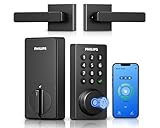
Everyone these days is gung-ho about smart locks. Oh, you can lock and open your door from your phone! You can give temporary access to your dog walker! You can see who came and went! It’s all very fancy and technologically impressive, I’ll give it that. But honestly? I think for most renters, it’s a massive overcomplication and a potential headache that just isn’t worth the trouble.
Here’s why I disagree with the hype: First, installation and landlord consent. As I’ve detailed, getting permission to install one can be a nightmare. Even if you get it, you might have to leave it behind, meaning you’ve basically paid $200-$300 for a temporary convenience. Second, reliability. What happens when your Wi-Fi goes out? Or the app glitches? Or the battery dies? Suddenly, that fancy tech lock becomes a very expensive paperweight, and you might be stuck outside in the rain. I’ve heard horror stories of people locked out of their own homes because their smart lock decided to take a digital nap.
Third, security theater. Are smart locks actually more secure than a good, solid deadbolt? Not necessarily. They introduce new potential vulnerabilities: hacking, firmware bugs, or even just someone physically prying off the external keypad. A well-made, properly installed mechanical deadbolt from a reputable brand is incredibly secure and far less prone to random failure. It does one job: lock the door. It does it reliably, year after year, without needing software updates or a charged battery.
My advice? Unless you have a very specific, demonstrable need for remote access or temporary guest codes that your landlord can’t accommodate with traditional methods, stick to the basics. Focus on making sure your landlord provides a sturdy, well-functioning deadbolt and a secure strike plate. If you’re really concerned, invest in a high-quality mechanical deadbolt after getting your landlord’s written permission to upgrade, and negotiate to take it with you when you move. Don’t get caught up in the tech trend if it means sacrificing reliability and potentially causing lease violations. A simple, solid lock is often the smartest lock.
Final Thoughts
So, when it comes down to it, are landlords responsible for door locks? In most standard rental situations, the answer is a resounding yes, at least for providing and maintaining functional exterior door locks. They’re a fundamental part of providing a safe and habitable home. Your lease agreement is your ultimate guide, but the law generally backs you up on this basic security measure.
Don’t be afraid to communicate with your landlord about lock issues. Document everything, be clear about your rights, and always put requests and agreements in writing. If you want an upgrade, do it the right way – with permission and clear terms about ownership and cost.
Before you start second-guessing your security or planning a high-tech lock takeover, take a deep breath. Understand your rights and responsibilities first. A working, standard deadbolt is often all you need, and it’s your landlord’s job to make sure you have it.