My basement flooded for the first time a few years back. It wasn’t a biblical flood, more like a persistent, weeping mess from a tiny crack in the foundation wall that I’d ignored for way too long. The water was cold, slimy, and smelled like regret. That’s when I learned the hard way that a good sump pump isn’t a luxury; it’s a necessity. So, are Liberty sump pumps any good? It’s a question I get asked a lot, and frankly, the internet offers a lot of noise and not enough signal.
I’ve dealt with more than my fair share of leaky basements and temperamental pumps. I’ve seen cheap plastic bits disintegrate and cast iron beasts hum along for years without a hiccup. Getting the right pump feels like a gamble, and when you’re dealing with potential water damage, you don’t want to be on the losing side.
So, Are Liberty Sump Pumps Any Good? Let’s Cut to the Chase
Look, nobody wants to spend their Saturday wrestling with plumbing, especially when it involves a potential flood. The question ‘are Liberty sump pumps any good’ is one that pops up when you’re staring at a damp patch on your basement wall and realizing your current setup, or lack thereof, is a ticking time bomb. I’ve been there. I’ve bought the fancy-looking pump that died a quiet death after one heavy rain, and I’ve been surprised by the workhorses that just keep chugging along for pennies on the dollar.
Liberty Pumps is a name you see everywhere. They make a ton of different models, from your basic entry-level submersible to more heavy-duty cast iron units. They’re not some fly-by-night operation; they’ve been around for a while and have a reputation. But reputation doesn’t always mean they’re the best for your specific situation. I’ve found that what works for my neighbor’s tiny crawl space might be woefully inadequate for my sprawling, partially finished basement.
The biggest thing you need to understand is that ‘good’ is relative. A pump that’s ‘good’ for a minor seasonal water issue might be a complete failure when dealing with groundwater that’s constantly trying to find its way inside. Liberty offers pumps at various price points and with different features, so you need to know what you’re actually buying. I’ve seen folks get a Liberty pump, have it work fine for a year, and then declare them the greatest thing since sliced bread. I’ve also heard from people who had theirs give up the ghost in less than six months. It usually comes down to the specific model and how it’s being used.
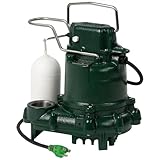
Let’s talk about what makes a sump pump tick. At its core, it’s a pump designed to sit at the lowest point in your basement or crawl space, in a sump pit. When water fills the pit, a float switch activates the pump, which then pushes the water out of your house through a discharge pipe. Simple, right? Well, the devil is in the details. The motor size, the horsepower, the material it’s made from, and the quality of the float switch all play a massive role in how reliable it will be.
For Liberty, the materials are a big differentiator. Many of their budget models use thermoplastic casings, which are lighter and cheaper to produce. They can work perfectly fine for lighter-duty jobs. But for serious water pressure or a pump that needs to run for extended periods, I’ve found that their cast iron models are a much safer bet. They’re heavier, more durable, and generally better at dissipating heat, which is key to motor longevity.
Under the Hood: What Makes a Liberty Pump Tick (and When It Might Stop)
When I’m looking at any sump pump, especially from a brand like Liberty that offers a wide range, I immediately zero in on the motor and the materials. It’s like buying a car; you wouldn’t buy a sports car with a tiny engine if you plan on hauling a family of five. The same principle applies here. You need a pump that’s appropriately sized for the job.
Liberty offers pumps in various horsepower ratings, typically from 1/4 HP up to 1 HP or even more for their commercial-grade stuff. For most average homes with occasional water seepage, a 1/3 HP or 1/2 HP pump is usually sufficient.
If you live in an area with a high water table or experience frequent heavy rains, you might need to step up to a 3/4 HP or 1 HP model. I made the mistake once of getting a 1/4 HP for a basement that was borderline swampy. It ran constantly, overheated, and died within months.
It was a cheap lesson, but a lesson nonetheless. I ended up replacing it with a 1/2 HP Liberty model, and it held up much better.
The materials are equally important. Many of Liberty’s entry-level models, like some of their 400-series pumps, are made with a thermoplastic housing. These are fine for light-duty applications.
They’re corrosion-resistant and lightweight. However, thermoplastic can become brittle over time, especially with temperature fluctuations, and it’s not as solid as cast iron. If you’re looking for a pump that can withstand more abuse or a higher volume of water, I strongly recommend looking at their cast iron models, such as the 200-series or the SN50 series. The cast iron is heavier, more durable, and generally offers better heat dissipation, which leads to a longer motor life.
I’ve pulled out cheap plastic pumps that looked like they’d been gnawed on by mice after just a few years, while cast iron pumps I’ve installed still look solid years later. (See Also: Are Pumpkin Seed Husks Edible )
Another important component is the float switch. This is what tells the pump when to turn on and off. Liberty uses a few different types.
The most common is a tethered float switch, which is basically a ball on a rod that moves up and down with the water level. The newer, vertical-style float switches are also becoming more common and can be more reliable in tight sump pits because they don’t need as much horizontal space to operate. I’ve had tethered floats get stuck on debris or the side of the pit, leading to the pump not turning on when it should.
It’s a good idea to look for models with a sturdy, well-protected float switch, or be prepared for regular inspection and cleaning of the pit.
When considering Liberty, you’ll often see terms like ‘submersible’ and ‘sump pump.’ All their sump pumps are submersible, meaning they sit down in the water. The distinction usually comes down to the specific application and the materials. They also offer ‘sump pump kits,’ which can sometimes include the pump, a pit liner, and a discharge pipe, which can be convenient if you’re starting from scratch. Just make sure the kit includes a pump that’s adequately sized for your needs.
Common Mistakes Homeowners Make (and How to Avoid Them)
You’d think buying a sump pump would be straightforward, but I’ve seen people mess it up in so many ways. The most common blunder? Buying the cheapest one they can find. Seriously, I get it – nobody likes spending money on a ‘just in case’ item. But that’s exactly when you need to spend wisely. A cheap pump that fails during a major storm isn’t saving you money; it’s costing you a potential fortune in water damage repairs.
I remember a friend who bought a bargain-basement pump. It worked fine for a while, then during a hurricane, it just died. The water rose, ruined his finished basement, and the repair bill was astronomical. He ended up buying a much better, more expensive Liberty pump afterward. His exact words: ‘I should have just bought the good one the first time.’
Another big mistake is not sizing the pump correctly. As I mentioned before, you need enough horsepower to handle the volume of water. If you have a large basement or live in an area prone to flooding, a 1/4 HP pump is likely a recipe for disaster. You need to consider your specific situation: the size of your basement, the soil type around your foundation, and how much rain you typically get. Consulting with a local plumber or a basement waterproofing specialist can save you a lot of headaches and money down the line.
Installation is another area where people often drop the ball. While many Liberty pumps are designed for DIY installation, it’s not always as simple as just dropping it in the pit. You need to make sure the pit is clean and deep enough. The discharge pipe needs to be routed correctly, with a check valve installed to prevent water from flowing back into the pit when the pump shuts off.
And importantly, the discharge pipe needs to empty far enough away from your foundation so that the water doesn’t just seep back in. I’ve seen pipes that just dribbled water a few feet from the house, which defeats the whole purpose. Make sure your discharge line is also protected from freezing in winter.
Ignoring maintenance is a surefire way to shorten the lifespan of any sump pump, including a Liberty. These things aren’t set-it-and-forget-it devices. You need to test them periodically. Pour a bucket of water into the sump pit to make sure the float switch activates the pump and that water is discharged. I make it a habit to do this at least twice a year, usually in the spring and fall. I also clean out any debris that might have accumulated in the pit. Debris can clog the pump intake or interfere with the float switch. It takes maybe 10 minutes and could save you thousands.
Finally, people often overlook backup systems. What happens if the power goes out during a storm? Your primary sump pump won’t work. This is where a battery backup system or a water-powered backup pump comes into play. Liberty offers battery backup systems that are pretty reliable. It’s a important addition if you live in a flood-prone area. Relying solely on a single pump, even a good Liberty one, is a gamble you shouldn’t take.
Real-World Performance: My Take on Liberty Sump Pumps
I’ve had several Liberty pumps in my life, both in my own homes and helping out friends and family. The verdict isn’t as simple as ‘yes’ or ‘no.’ It’s more of a ‘it depends,’ and that’s the honest truth. I’ve seen their workhorse 200-series cast iron models perform admirably for years, quietly doing their job during heavy downpours with barely a whimper.
One instance that sticks out was helping my aunt with her perpetually damp basement. She had an older, generic pump that was constantly struggling. We decided on a Liberty 200-series 1/2 HP model. It was a night and day difference. The motor hummed with a solid, reassuring sound, not the frantic whine of the old pump. The cast iron casing felt solid, and the float switch, a vertical type, operated smoothly. Over the next three years, through several significant storms, that pump never faltered. It kept her basement dry, and that peace of mind was worth every penny. (See Also: Are Pumpkin Seed Acid Or Alkaline )
However, I’ve also dealt with some of their lighter-duty thermoplastic models. While they technically worked, they felt less substantial. The motor noise was a bit higher pitched, and I always had a nagging feeling that they wouldn’t hold up under sustained heavy use. I installed one in a small vacation cabin that only experienced minor seepage. It did its job, but the constant worry about whether it would fail when no one was around was something I could have avoided by spending a little more upfront on a cast iron unit.
The reliability of a Liberty pump often comes down to the specific model and how it’s matched to the home’s needs. For lighter duty or as a secondary pump, some of their thermoplastic models might be perfectly adequate. But if you’re looking for the primary defense against serious water intrusion, I’d steer you towards their cast iron submersibles. They feel more substantial, run cooler, and generally have a longer lifespan. It’s the difference between a tool that gets the job done and a tool that you can rely on for decades.
When you’re comparing, look at the warranty. Liberty typically offers decent warranties on their pumps, often longer on their higher-end cast iron models. This is a good indicator of the manufacturer’s confidence in the product. A good warranty isn’t a substitute for a well-chosen and properly installed pump, but it’s a nice layer of security.
Here’s a quick breakdown of what I’ve seen and would generally recommend:
| Liberty Model Series (General Type) | My Verdict/Use Case | Typical Horsepower Range | Material |
|---|---|---|---|
| 400 Series (e.g., 404, 405) | Decent for light duty, occasional seepage. Might be okay for a crawl space. | 1/4 HP – 1/3 HP | Thermoplastic |
| 200 Series (e.g., 250, 257) | My go-to for most basements. Solid performer, good balance of price and durability. | 1/3 HP – 3/4 HP | Cast Iron |
| SN/SGN Series (e.g., SN50, SGN100) | Heavy-duty workhorses. Excellent for high water tables or frequent flooding. Built to last. | 1/2 HP – 1 HP+ | Cast Iron |
I will say this: their customer support is generally responsive, which is a plus if you run into issues. But frankly, with a pump, the best customer support is the kind you never need to call.
Choosing the Right Liberty Pump for Your Home
Picking the right Liberty sump pump is less about finding the ‘best’ model and more about finding the model that’s ‘best’ for your specific basement and its water problems. It sounds obvious, but I’ve seen people overbuy and overspend, or worse, underbuy and end up with a flooded floor.
First off, you need to assess your situation. How bad is the water issue? Is it a damp basement that gets a little musty after heavy rain?
Or do you have standing water that creeps up with every storm? Do you live in a low-lying area with a high water table?
The answers to these questions will dictate the horsepower you need. For most homes with occasional basement dampness, a 1/3 HP or 1/2 HP pump is usually adequate. If you’re dealing with significant water intrusion, consider a 3/4 HP or even a 1 HP pump, especially from their cast iron lines like the SN series.
I’ve always leaned towards a slightly beefier pump than I think I need, just for peace of mind. It’s a small price to pay for not having to deal with a flood.
Next, consider the pit. What kind of sump pit do you have, or what are you planning to install? Some Liberty pumps are designed for smaller pits, while others need more room. The type of float switch also matters. Tethered floats need more space to swing freely. Vertical float switches are great for tighter spaces. If you’re installing a new pit, make sure it’s deep enough to accommodate the pump and allow the float switch to operate without obstruction. A pit that’s too shallow will cause the pump to cycle on and off too frequently, which can shorten its lifespan.
Material is another key factor. As I’ve hammered home, cast iron is king for durability and longevity, especially if the pump is going to run frequently or under heavy load. Liberty’s cast iron models are generally more expensive upfront, but the increased lifespan and reliability often make them a better value in the long run. Thermoplastic pumps are lighter and cheaper, making them suitable for less demanding applications or as a backup pump. I once installed a thermoplastic pump in a rental property, and while it worked, I always felt like I was taking a gamble if I wasn’t there to check on it after a big storm.
Think about the discharge. Where will the water go? You need a discharge line that runs away from your foundation and doesn’t freeze in winter. Many Liberty pumps come with a discharge adapter, but you’ll likely need to purchase the pipe, fittings, and a check valve separately. Make sure the pipe is properly supported and has a slight downward slope all the way to the outlet. A common mistake is not having a backflow preventer (check valve), which allows water to drain back into the pit when the pump stops. (See Also: Are Organic Pumpkin Seeds From China Bad )
Finally, consider a backup system. Power outages during storms are common, and a primary sump pump is useless without electricity. Liberty offers battery backup systems that are a worthwhile investment. These systems automatically kick in when the main power fails, keeping your basement dry. Alternatively, some people opt for water-powered backup pumps, though these require a connection to your home’s water supply and can increase your water bill. For me, a battery backup is the most practical solution for most homeowners.
Frequently Asked Questions About Liberty Sump Pumps
Are Liberty Sump Pumps Made in the USA?
Liberty Pumps states that their products are designed and manufactured in the USA, adhering to strict quality control standards. This is a significant factor for many consumers looking for reliable, domestically produced goods. It also often means better access to parts and support if needed.
How Long Does a Liberty Sump Pump Typically Last?
The lifespan of a Liberty sump pump varies significantly depending on the model, installation, maintenance, and how often it’s used. Their higher-end cast iron models, when properly maintained and used appropriately, can last 10-15 years or even longer. More basic thermoplastic models might last 5-10 years under similar conditions. Regular testing and cleaning are key to maximizing longevity for any pump.
What Is the Best Liberty Sump Pump Model?
There isn’t a single ‘best’ Liberty sump pump model, as the ideal choice depends entirely on your specific needs and basement conditions. For general home use with moderate water issues, their cast iron 200-series or SN-series pumps (like the SN50) are highly regarded for their durability and performance. For lighter-duty needs, some of their thermoplastic models might suffice, but cast iron is generally recommended for longevity and reliability.
Do Liberty Sump Pumps Have a Warranty?
Yes, Liberty Pumps offers warranties on their products. The length and terms of the warranty depend on the specific model. Typically, their more solid and expensive cast iron models come with longer warranty periods, reflecting their intended durability and performance. It’s always best to check the specific product documentation for the warranty details of the pump you are considering.
Can I Install a Liberty Sump Pump Myself?
Many Liberty sump pumps are designed for DIY installation, especially the submersible models. However, it requires basic plumbing and electrical knowledge. Proper installation includes making sure the sump pit is correctly sized and clean, the discharge pipe is routed correctly with a check valve, and the electrical connection is safe. If you are not comfortable with these tasks, it’s advisable to hire a qualified plumber to make sure correct installation and prevent potential issues.
Liberty Sump Pumps: The Final Word
So, are Liberty sump pumps any good? After years of dealing with basements that would rather be swimming pools than dry spaces, my honest answer is yes, they can be, but you’ve got to be smart about it. They aren’t some magic bullet that will solve all your water problems with zero effort or thought. But when you choose the right model for your needs and install it correctly, a Liberty pump is a solid piece of equipment that can give you serious peace of mind.
I’ve learned that skimping on a sump pump is like buying cheap tires for a race car – it’s a disaster waiting to happen. Liberty offers a range, and that’s both a blessing and a curse. The blessing is you can likely find a pump that fits your budget and your situation. The curse is you have to do your homework. Don’t just grab the cheapest one. Look at the horsepower, the material (cast iron if you can swing it for a primary pump), and the type of float switch. Think about your basement’s specific challenges – is it a constant battle with groundwater or just an occasional dampness?
My advice? If you’re looking for a workhorse that’ll take a beating and keep going, aim for one of their cast iron submersible models. They’re built tough. For less demanding situations, their thermoplastic pumps might be adequate, but understand their limitations. And for the love of all that is dry, get a battery backup. Power outages happen, and you don’t want your primary defense to be useless when you need it most. Ultimately, a Liberty sump pump can be a very good investment in protecting your home, but only if you’re informed and make a choice that matches your reality.
Final Thoughts
So, to circle back to the main question: are Liberty sump pumps any good? My experience says they can be, and often are, quite good. They offer a range of options that cater to different needs and budgets, and their reputation for making reliable pumps is, for the most part, well-earned, especially with their cast iron models.
However, ‘good’ is entirely dependent on choosing the right pump for your specific situation. Don’t just buy the cheapest model you see; understand your basement’s water issues, the required horsepower, and the materials that will best withstand your conditions. Investing a little more in a solid cast iron pump, or making sure you have a reliable backup system, is a smart move that pays off in the long run by preventing costly water damage.
Before you buy, take a hard look at your sump pit, consider the frequency and severity of water intrusion you experience, and then match that to the specs of the Liberty pump you’re eyeing. A little research now can save you a lot of heartache, and a lot of damp carpet, later on.