I swear, the first time my basement flooded, I thought I was going to have a nervous breakdown. Water creeping up the stairs, that awful musty smell already starting to set in… nightmare fuel. My old, cheap sump pump had decided to give up the ghost without even a whimper. That’s when I started digging, asking myself, ‘Are Liberty sump pumps good?’ I’ve seen their name pop up everywhere, so I figured it was time to get real about what they actually offer.
Look, nobody wants to think about their sump pump until it’s too late. But when your home is on the line, you need reliable gear. I’ve flushed money down the drain on products that promised the moon and delivered dust, so I’m here to tell you what I’ve learned through the leaky trenches.
Why I Switched to Liberty Sump Pumps After My Disaster
My sump pump graveyard is starting to rival a small automotive junkyard. I’ve had cheap plastic ones that cracked after a year, pumps that sounded like a dying badger, and one that just… stopped. Period.
So when the water started rising that fateful Tuesday, I was already past the ‘mild annoyance’ stage and heading straight for ‘full-blown panic.’ The old pump was an off-brand thing I’d grabbed on a whim, and boy, did I regret it. It was loud, it vibrated like it was trying to escape the pit, and it never felt like it was truly doing its job. When it finally failed, it did so silently, leaving me with a soggy mess and a new appreciation for what a sump pump should be.
That’s when I started seriously looking into brands that had a reputation for actually working. Liberty Pumps kept coming up. I was skeptical, of course. ‘Good’ always seems to come with a hefty price tag, and I’d already spent too much on junk.
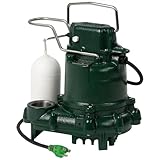
But the sheer volume of positive feedback, especially from plumbers and contractors who deal with this stuff day in and day out, couldn’t be ignored. I decided to bite the bullet and invest in one of their mid-range models, the 257.
It wasn’t the cheapest, but it certainly wasn’t the most expensive either. The first time it kicked on after a heavy rain, the difference was stark. It was quieter, smoother, and just… competent. It didn’t sound like it was struggling.
It just did its job. That peace of mind is worth more than I can say when you live in a flood-prone area.
I’ve since installed them in a couple of rentals, and the feedback from my tenants has been equally positive. They don’t even notice them, which, frankly, is the highest compliment a sump pump can get.
People often ask me if Liberty sump pumps are good, and honestly, for the average homeowner dealing with a damp basement or the occasional flood scare, the answer is a resounding yes. They offer a solid balance of performance, durability, and price that’s hard to beat. My initial switch wasn’t just about replacing a broken pump; it was about finally having a piece of mind that didn’t come with constant worry.
What Makes a Sump Pump Actually ‘good’? Beyond the Hype
So, what separates a pump that’s just there from one that’s actually doing its job right? It boils down to a few key things, and it’s not just about horsepower or gallons per minute, though those matter. First off, the material is huge. I’ve had flimsy plastic pumps that look like they’re one rock away from shattering. Liberty, and other good brands, tend to use cast iron or high-impact thermoplastic. That cast iron feels substantial, and it dissipates heat better, which means the motor lasts longer. Think of it like the difference between a cheap plastic toy and a solid metal tool – you just know one is going to hold up.
Then there’s the motor itself. You want a sealed motor. This is a must. If water can get into the motor housing, it’s only a matter of time before it corrodes and dies. (See Also: Are Pumpkin Seed Husks Edible )
Liberty Pumps generally have good quality sealed motors. I once took apart a failed pump (don’t ask why, I’m just curious like that) and the motor housing was full of rust. That’s a death sentence. Another big factor is the impeller design.
This is the part that actually moves the water. A well-designed impeller can move more water more efficiently, and it’s less likely to get clogged by debris. Cheaper pumps often have simpler, less efficient impellers that can get jammed up with little bits of gravel or sludge. When that happens, the pump strains, overheats, and you’re back to square one.
Float switches are another area where quality really shows. You’ve got vertical and tethered floats. Vertical ones are generally more reliable and take up less space in the pit. A good float switch will turn the pump on and off precisely when it needs to, without sticking or getting caught on anything.
I had a tethered float once that got stuck in the ‘off’ position because it got tangled on a pipe. You can imagine how that went. Liberty offers different types of float switches depending on the model, but they are generally well-regarded.
It’s these details – the build materials, the motor sealing, the impeller shape, the float switch reliability – that make a sump pump genuinely good, not just a box that moves water sometimes.
Liberty Sump Pump Models: A Practical Breakdown
Liberty Pumps has a pretty wide range, which can be a bit overwhelming, but it also means there’s likely a model for most needs. For basic basement waterproofing, their submersible cast iron models, like the 257 and 259 series, are workhorses. These are the ones I’ve had the best luck with. They’re built tough, the cast iron helps with heat dissipation (keeping the motor cool), and they’re relatively quiet compared to some of the cheaper options out there. The 257 is typically a 1/3 horsepower pump, good for average homes. The 259 steps it up to 1/2 horsepower, which you might want if you have a larger basement or expect more frequent water intrusion.
They also have their 400 series, which are 3/4 to 1 horsepower pumps. These are serious pieces of equipment, designed for higher volume pumping. You’re probably looking at these if you have a real water problem – like a high water table or a history of significant flooding. They’re more expensive, naturally, but they get the job done. I used a 404 (3/4 HP) in a rental property that sits near a creek, and it handled a record-breaking rainstorm without breaking a sweat. One thing to consider is the discharge size. Most standard pumps are 1-1/2 inch or 2 inch. Make sure your discharge pipe matches the pump’s outlet size to avoid restricting flow.
Then there are the pedestal pumps. These have the motor and switch on top of the pit, with a long shaft going down to the impeller. They’re usually cheaper and easier to service because you don’t have to pull the whole unit out of the pit to get to the motor.
However, they tend to be louder and they can be less reliable because the motor isn’t sealed against moisture in the same way. I generally steer clear of them for primary pumps unless space is an absolute premium or budget is extremely tight. For a good, reliable backup or a secondary pump in a large basement, maybe.
But for the main line of defense? I’m sticking with submersible cast iron. Here’s a quick look at how some common Liberty models stack up for a typical residential setup:
| Model Series | Horsepower | Primary Material | Best For | My Verdict |
|---|---|---|---|---|
| 250 Series (e.g., 257, 259) | 1/3 to 1/2 HP | Cast Iron / Thermoplastic | Average homes, regular basement moisture, reliable primary pump | Solid Bet: Excellent all-rounder. Reliable, durable, and reasonably quiet. Worth the investment. |
| 400 Series (e.g., 404, 405) | 3/4 to 1 HP | Cast Iron | Larger homes, higher water volume, serious flood potential | Heavy Duty: If you have a real water problem, these are the ticket. Expensive but capable. |
| 240 Series (Pedestal) | 1/3 to 1/2 HP | Cast Iron (motor housing), Plastic (impeller housing) | Budget-conscious, easier service access, secondary pump | Conditional Use: Okay for backup or light duty. Not my first choice for main protection due to noise and potential moisture issues. |
Common Pitfalls and How to Avoid Them with Liberty Pumps
Even with a good brand like Liberty, you can still mess things up. I learned this the hard way. My biggest mistake early on was buying a pump that was just too small for the job. I had a moderate amount of water, and I thought a 1/3 HP pump would be fine. (See Also: Are Pumpkin Seed Acid Or Alkaline )
It worked, sort of, but it ran constantly during heavy rains. This is bad for two reasons: it wears out the pump much faster, and it increases the risk of the motor overheating.
Liberty Pumps, especially their higher HP models, are designed to handle more volume, meaning they cycle on and off more efficiently, which extends their life. So, my first tip is: don’t skimp on horsepower if you have significant water issues.
Another mistake I see people make is improper installation. The pit needs to be clean and deep enough.
If the pit is too shallow, the pump might suck up sediment from the bottom, which can clog the impeller. You also need to make sure the float switch has enough clearance to move freely. If it’s hitting the side of the pit or getting obstructed by debris, it won’t operate correctly. For a float switch to work properly, it needs a decent range of motion to signal the pump to turn on and off.
Some people also try to jury-rig the discharge pipe, using all sorts of adapters. This is a recipe for clogs and pressure buildup.
Stick to the recommended pipe size and use the right fittings. A 1-1/2 inch or 2-inch PVC pipe is standard for most residential pumps. If you’re unsure, consult the pump’s manual or a professional plumber.
Finally, maintenance is key. People think once it’s installed, it’s done.
Wrong. You need to check your sump pit periodically. Remove any leaves, dirt, or other debris that might have accumulated. Test the pump by pouring water into the pit to make sure it kicks on and pumps water out.
I try to do this at least twice a year, usually in the spring and fall. If you have a battery backup system (which I highly recommend, more on that in a bit), test that too. Liberty pumps are built to last, but they aren’t magic. A little bit of user care goes a long, long way in preventing premature failure and making sure your basement stays dry.
Ignoring your sump pump is like ignoring a leaky roof – it’s just a matter of time before the problem gets much, much worse.
Battery Backup Systems: The Unsung Hero with Liberty
This is where the ‘good’ really becomes ‘great.’ I cannot stress enough how important a battery backup sump pump system is. The number one reason a primary sump pump fails you? Power outage. It happens during the worst storms, when you need your pump the most. I learned this the hard way during a major ice storm a few years back. The power went out, and within hours, my basement was a skating rink. My main Liberty pump, which had been faithfully working, was now useless. (See Also: Are Organic Pumpkin Seeds From China Bad )
That’s when I invested in a quality battery backup system. Liberty Pumps makes some excellent ones. They basically install a second pump, or a system that kicks in if the main pump loses power. The best ones use deep-cycle marine batteries – the kind you find in boats, designed for sustained power output. These systems are designed to kick on automatically when the main pump loses power, or if the water level rises too high due to the main pump being overwhelmed. Some are simple battery-powered pumps, while others are more sophisticated controllers that monitor your main pump and switch to battery power when needed.
I opted for a Liberty Pumps backup system that uses a separate, smaller pump that runs off a battery. It’s not as powerful as my main pump, but it’s more than enough to keep the water level down during an outage until the grid comes back online.
The controller unit also has alarms, so if the power goes out or the battery level gets low, I get an alert on my phone. This peace of mind is invaluable. It’s an extra expense, yes, but compared to the cost of water damage, mold remediation, and replacing ruined belongings, it’s a fraction of the price. Think of it as cheap insurance for your home’s foundation.
When people ask if Liberty sump pumps are good, I always follow up with a question: ‘And do you have a battery backup?’ Because a good pump is only as good as its ability to run when you need it most.
Liberty Sump Pump Faqs
Are Liberty Sump Pumps Reliable?
Yes, Liberty sump pumps are generally considered very reliable. They are known for using quality materials like cast iron and high-impact thermoplastic, along with sealed motors and well-designed impellers. This build quality contributes to their longevity and consistent performance, making them a trusted choice for homeowners dealing with potential basement flooding.
What Is the Average Lifespan of a Liberty Sump Pump?
The average lifespan of a Liberty sump pump typically ranges from 10 to 15 years, though this can vary significantly. Factors like the frequency of use, the quality of installation, the presence of debris in the sump pit, and regular maintenance all play a role. With proper care and a backup system, many Liberty pumps can last even longer.
How Do I Choose the Right Liberty Sump Pump for My Home?
To choose the right Liberty sump pump, consider the size of your basement, the typical amount of water you experience, and your local water table. For average homes with moderate water issues, a 1/3 to 1/2 HP cast iron submersible pump (like the 257 or 259 series) is usually sufficient. For larger homes or areas with significant flood risk, a higher horsepower model (like the 3/4 HP or 1 HP 400 series) might be necessary. Always check the discharge size compatibility with your plumbing.
Should I Get a Liberty Sump Pump with a Tethered or Vertical Float Switch?
Vertical float switches are generally preferred for their reliability and space-saving design in the sump pit. They are less prone to getting caught on debris or the pit walls. Tethered float switches can be reliable too, but they require more clearance and can sometimes become entangled, potentially hindering operation. Liberty offers models with both, so consider your pit size and potential for debris when making your choice.
The Bottom Line on Liberty Pumps
After wrestling with leaky basements and unreliable pumps for years, I can honestly say that Liberty Pumps have earned their reputation. They aren’t the cheapest pumps on the market, and frankly, some of their higher-end models can be pricey. But when you factor in their durability, consistent performance, and the peace of mind they provide, they’re a solid investment. I’ve found their cast iron submersible models to be the sweet spot for most homeowners, offering a great balance of power and reliability without breaking the bank.
Remember, though, that even the best sump pump needs proper installation and a little bit of regular attention. Don’t skimp on horsepower if your situation calls for it, and for crying out loud, get a battery backup system. Power outages are when you need your pump the most, and relying solely on grid power is a gamble I’m no longer willing to take. So, are Liberty sump pumps good? Yes, they absolutely are. Just make sure you pick the right one for your needs and give it the support it deserves.
Verdict
So, after all the water damage nightmares and endless troubleshooting, my verdict on are Liberty sump pumps good is a solid ‘hell yeah.’ I’ve seen them perform, I’ve heard from plumbers who swear by them, and I’ve slept better knowing one was running (and that I had a backup ready to go). They’re not a magic bullet that means you’ll never have water issues, but they are a damn good piece of the puzzle.
Don’t just grab the cheapest thing you see. Invest a little more in a quality pump like a Liberty, make sure it’s installed right, and for the love of all that is dry, get a battery backup. It’s the trifecta for basement flood protection.