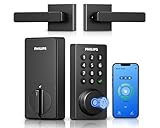
I remember the sheer panic when my smart lock died at 10 PM, leaving me fumbling for a backup key that I probably lost years ago. It was a stark reminder that these fancy gadgets, while convenient, are only as good as their power source. For a number lock door app, reliability is king. That’s why the question of whether are lithium AA batteries preferred for number lock door app isn’t just a techie’s whim; it’s a practical concern for anyone who values peace of mind and a door that actually opens when you need it to. We’ve all been burned by cheap batteries that drain faster than a leaky faucet, so let’s get down to what actually works.
Why My First Smart Lock Was a Battery Nightmare
When I first jumped on the smart lock bandwagon, I thought any old AA battery would do. Boy, was I wrong. I bought a fairly decent smart lock – the kind you can control with your phone and give temporary codes to guests. It was a big deal, until it wasn’t.
About three months in, it started giving me low battery warnings. Fine, I thought, just swap them out.
I grabbed a pack of alkaline AAs from the corner store, popped them in, and felt smug. Two weeks later, same low battery warning. Then it started acting glitchy, taking a second or two to register button presses. One evening, I was sure it was dead.
I stood there, staring at the door, convinced I was locked out. Thankfully, it sputtered to life just in time. That’s when I realized alkaline batteries were simply not cutting it for this power-hungry device. The constant connectivity, the Bluetooth handshakes, the internal processor – it all drains power faster than you’d think.
I ended up going through three packs of alkaline batteries in less than six months, and the anxiety was honestly worse than a dead car battery. I felt like I was wasting money and constantly on edge, waiting for the next failure. It made me question the whole smart lock concept, which is ridiculous when the solution was staring me in the face, albeit a more expensive one initially.
The Real Deal with Lithium Aa Batteries
So, what’s the big deal with lithium AA batteries? They’re not just a pricier version of what you’re used to. The fundamental difference lies in their chemistry. Standard alkaline batteries use a zinc-manganese dioxide chemical system, which is fine for remote controls and wall clocks. Lithium AA batteries, on the other hand, use lithium-thionyl chloride or lithium-iron disulfide. These chemistries offer some serious advantages for devices like smart locks, especially when you’re asking ‘are lithium AA batteries preferred for number lock door app?’
First off, energy density. Lithium batteries pack more punch. This means they can deliver consistent power for a longer period. For a smart lock, which needs to maintain a constant low-level power draw for standby and then a burst of power for communication or motor operation, this is huge.
You get more ‘uptime’ out of a single set. Secondly, voltage stability. Alkaline batteries tend to have a voltage that drops gradually as they are used. This can cause devices to become unreliable or trigger low-battery warnings prematurely.
Lithium batteries maintain a much more consistent voltage throughout their discharge cycle, meaning your smart lock will function at its peak performance for much longer before the voltage starts to dip significantly. This consistency is key for electronic components that rely on stable power. (See Also: Are Sesame Seeds Kosher For Passoveris Pollock Kosher )
Third, and this is a big one for me given my past experiences, is their performance in extreme temperatures. While most smart locks are installed in sheltered areas, some might be exposed to the elements.
Alkaline batteries can perform poorly in the cold, sometimes failing entirely. Lithium batteries, due to their chemistry, are far more resilient to temperature fluctuations, maintaining their performance even in freezing conditions. This makes them a more solid choice for year-round operation. Finally, shelf life.
Unused lithium batteries can last for 10, even 15 years, compared to alkaline batteries which typically have a shelf life of 5-7 years. This means you can buy them in bulk without worrying about them expiring before you need them, which can sometimes offset the higher upfront cost.
Alkaline vs. Lithium: A Direct Showdown
When you’re trying to figure out if lithium AA batteries are the way to go for your number lock door app, it really comes down to a few key comparison points:
| Feature | Alkaline AA | Lithium AA | Verdict for Smart Locks |
|---|---|---|---|
| Capacity/Runtime | Moderate | High | Lithium wins, more dependable operation. |
| Voltage Stability | Decreases over time | Very stable, then sharp drop | Lithium is better; fewer glitches. |
| Temperature Range | Limited, poor in cold | Wide, excellent in cold | Lithium is superior for outdoor/unpredictable environments. |
| Weight | Heavier | Lighter | Minor factor, but lithium is easier to handle. |
| Cost per Battery | Low | High | Alkaline cheaper upfront, but lithium is cheaper long-term due to fewer replacements. |
| Shelf Life | 5-7 years | 10-15+ years | Lithium is much better if you buy in bulk. |
| Leakage Risk | Moderate, especially when drained | Very Low | Lithium is safer for sensitive electronics. |
The table doesn’t lie. For a device that’s basically your gatekeeper, you want the most reliable option. While alkaline batteries seem like the budget-friendly choice at first glance, the hidden costs – the frustration of dead batteries, the potential for lockouts, and the sheer frequency of replacement – often make lithium batteries the smarter investment in the long run. Think of it like buying a cheap tool versus a good one. The cheap one breaks faster and makes your job harder. The good one costs more upfront but saves you time, money, and headaches down the road. For a smart lock, that headache can be literally being locked out of your own home.
Common Battery Blunders and How to Avoid Them
I’ve made my fair share of battery blunders, and honestly, most people do. It’s not rocket science, but there are definitely pitfalls that can lead you to ask ‘are lithium AA batteries preferred for number lock door app?’ and then still end up with a dead lock. One of the biggest mistakes is mixing battery types.
You might have some alkaline batteries lying around and think, ‘Ah, I’ll just use two of these and two new lithium ones to save a buck.’ Don’t. Mixing battery chemistries, even brands, can lead to uneven discharge, voltage issues, and potential damage to your device. The batteries will drain at different rates, and one might leak before the others are even depleted.
Always use a fresh set of the same type of battery.
Another mistake is relying solely on the device’s low battery indicator. These indicators are usually set to trigger when the battery voltage drops below a certain point, and with alkaline batteries, that point can be reached while there’s still a bit of ‘juice’ left. (See Also: Are Sliding Door Locks Common )
However, for some devices, that lower voltage might already be enough to cause intermittent issues or prevent full operation. If you’re using lithium batteries, their stable voltage means you’ll get a much longer period of full functionality, and the warning will be more accurate when it finally appears. But even then, don’t push your luck. If your smart lock gives you a low battery warning, it’s time to replace them proactively, not wait for it to die.
A related error is not understanding the actual power draw of your smart lock and its associated app features. If you’re constantly using the app to check status, grant temporary access, or operate the lock remotely via Wi-Fi (if it has that capability), you’re using more power than if you just use it for manual entry with codes. The Wi-Fi connection, in particular, is a power hog compared to Bluetooth. So, if you’re a heavy user, especially with Wi-Fi, your battery life will be shorter, and the preference for lithium batteries becomes even more pronounced.
Lastly, don’t underestimate the impact of temperature. I’ve had friends in colder climates experience smart lock failures in winter that they’d never encountered in summer.
If your lock is exposed to cold, relying on anything less than lithium is asking for trouble. Always consider your environment and usage habits.
Real-World Use: My Lithium Battery Lock Experience
After my alkaline battery fiasco, I finally caved and bought a pack of reputable lithium AA batteries for my smart lock. The difference was night and day. Installation was the same, but the peace of mind was immediate.
The lock felt snappier, the app responded quicker, and for the first time, I didn’t find myself nervously checking the battery level every few days. I’ve had these same lithium batteries in for over a year now, and the battery indicator in the app still shows a healthy charge. It’s incredible. I used to buy batteries every couple of months; now, I’ve forgotten when I last even thought about them.
It’s genuinely made the smart lock experience what it’s supposed to be: convenient and worry-free.
I’ve also seen this play out with other battery-powered gadgets. My kid’s wireless gaming controller, which used to eat alkaline batteries like candy, runs for ages on lithium.
My portable weather station, which sits outside year-round, is far more reliable with lithium power. It’s not just about the number lock door app; it’s about any electronic device that needs consistent, long-lasting power. The upfront cost for a pack of lithium AAs might seem steep – I think I paid around $12 for an 8-pack, whereas alkaline can be $5 for a similar quantity. But when you factor in that one pack of lithium has lasted me over a year of heavy use, and I would have gone through at least 4-5 packs of alkaline in that same time (costing me $20-25 easily), plus the hassle and the risk of lockout, the math is clear. (See Also: Are The Rams Locked Into The 6th Seed )
Lithium batteries are the superior choice for my smart lock.
Practical Tips for Smart Lock Battery Management
Thinking about whether are lithium AA batteries preferred for number lock door app is one thing, but managing them effectively is another. Here are a few practical tips that have saved me headaches:
- Buy in Bulk: Lithium batteries have a very long shelf life. If you can find a good deal on a larger pack (say, 16 or 24), it’s often more economical in the long run. Just make sure to store them properly in a cool, dry place, away from direct sunlight.
- Label Your Batteries: When you install new batteries, especially if you have multiple devices, jot down the date on the battery itself or on the device. This helps you track their lifespan and gives you a baseline for when you might expect them to need replacing.
- Keep Spares Handy: Even with lithium batteries, it’s wise to have a spare set nearby, just in case. Store them in a designated spot so you can quickly swap them out if you get that low battery warning. I keep mine in a small, clear plastic container in my desk drawer.
- Check Your App’s Battery Status Regularly: Most smart lock apps have a battery percentage indicator. Make it a habit to glance at it periodically, especially during times when you might have used the lock more frequently (like after a party or a period of guests visiting).
- Consider the Environment: If your lock is exposed to significant temperature swings or extreme cold, lithium is your best bet. Don’t try to tough it out with less capable batteries; it’s a recipe for disappointment.
- Read Your Lock’s Manual: While I’m giving you my take, your specific smart lock might have particular recommendations or quirks. Always check the manufacturer’s guidelines for battery types and expected lifespan. Some high-end locks might even have rechargeable battery packs, which is a different conversation entirely.
People Also Ask:
How Long Do Lithium Aa Batteries Last in a Smart Lock?
The lifespan of lithium AA batteries in a smart lock can vary significantly based on usage patterns, environmental conditions, and the specific smart lock model. However, you can generally expect them to last anywhere from 1 to 5 years, with many users reporting 2-3 years of excellent performance. Their stable voltage and high capacity mean they offer a much longer and more reliable power source compared to alkaline batteries, which might only last a few months in the same application. This longevity is a major reason why they are often preferred for important devices.
Can I Use Rechargeable Aa Batteries in My Smart Lock?
In most cases, yes, you can use rechargeable AA batteries (like NiMH) in your smart lock. However, there are a few caveats. Rechargeable batteries typically have a lower nominal voltage (1.2V) compared to alkaline or lithium (1.5V), which can sometimes cause devices to report low battery sooner or operate slightly less efficiently. Also, their self-discharge rate is higher than disposable batteries, meaning they lose charge over time even when not in use. For a important application like a door lock, you need to be diligent about keeping them fully charged and monitoring their performance closely. Many high-end smart locks are designed to work with rechargeable batteries, so check your device’s manual.
Are Lithium Batteries Better Than Alkaline for Electronics?
For most demanding electronics that require a consistent power supply and long runtime, lithium batteries are generally better than alkaline batteries. They offer higher energy density, a more stable voltage output throughout their discharge cycle, better performance in extreme temperatures, and a longer shelf life. While alkaline batteries are cheaper and sufficient for low-drain devices like remote controls, lithium batteries provide superior performance and reliability for power-hungry gadgets such as digital cameras, portable gaming devices, and, importantly, smart locks. The trade-off is the higher upfront cost, but the benefits in performance and longevity often outweigh this.
Why Do Smart Locks Drain Batteries So Fast?
Smart locks drain batteries quickly due to their constant need to be ready for action. They have a small processor that is always on, listening for commands via Bluetooth or Wi-Fi. When you use the app, send a code, or the lock needs to engage its motor to open or close, it requires a significant burst of power.
Unlike simple devices like a TV remote that only draw power when a button is pressed, a smart lock is in a perpetual state of low-power standby, punctuated by higher power demands. Features like Wi-Fi connectivity, frequent app usage, and operating in very cold or hot temperatures can further accelerate battery drain. This constant demand makes them a prime candidate for higher-capacity, more stable battery chemistries.
Final Verdict
So, to circle back to the main question: are lithium AA batteries preferred for number lock door app? The answer from my experience, and based on the tech, is a resounding yes. The added upfront cost is a small price to pay for the reliability and peace of mind they offer for such a important piece of home security. My door hasn’t failed me since making the switch, and that’s worth more than a few dollars saved on a pack of alkaline batteries.
Don’t be like me, caught in the cold with a dead lock because you skimped on batteries. Invest in lithium AAs for your smart lock. Your future self, who won’t be locked out at an inconvenient hour, will thank you. It’s a simple upgrade that makes a world of difference in how you interact with your home’s security.
If you’re still on the fence, grab a small pack and try them out. See for yourself how much longer they last and how much more consistently your lock performs. For now, I’m sticking with lithium for any device where a dead battery means more than just missing a TV show.