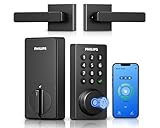
I remember visiting a daycare once, years ago, and the director proudly showed me how their main entrance had this heavy-duty deadbolt. My first thought wasn’t about security, it was about how on earth a panicked parent would get in if there was an emergency. It got me thinking: what’s the actual deal with locks on doors in places where little kids are hanging out? This isn’t a simple yes or no question. When you’re talking about whether are locked doors allowed in California childcare centers, you’re wading into a whole mess of regulations designed to keep kids safe, but also to make sure adults can get to them when they need to.
It’s easy to get caught up in the headlines about security, but the reality on the ground for childcare providers is a constant balancing act. They’ve got to worry about who’s walking in off the street, but they also have to be accessible to parents, paramedics, or even just a delivery person dropping off urgent supplies. So, what’s the law really say about that locked door?
The Actual Rules: What the State Says About Doors
Let’s cut to the chase. The idea of a completely locked-down childcare center in California sounds like a good way to keep bad guys out, but it’s not that simple.
The California Department of Social Services (CDSS) oversees licensing for child care facilities, and they have a whole rulebook, often referred to as Title 22. When it comes to doors, the focus is on a balance between security and accessibility. The overarching principle is that the facility must be safe from unauthorized persons but also allow for the safe and timely exit of children and staff in case of an emergency. This means you can’t just slam a deadbolt and forget about it.
Doors that lead to the outside, especially main entrances and exits, have specific requirements. They need to be secured against unauthorized entry, but they also need to be easily opened from the inside. Think about it: if there’s a fire, you need to get out. If a parent is locked out during an emergency pickup, that’s a problem too.
What most centers do, and what’s generally permitted, is using locking devices that can be quickly disengaged from the inside. This often means standard doorknobs with locks, or deadbolts that have a thumb-turn on the inside. The key is that staff members, who are trained and present within the facility, can easily operate these locks without needing a key or special tool. They need to be able to open the door in a matter of seconds if a parent arrives, or if there’s any kind of immediate threat or need for evacuation.
Some facilities might use electronic key card systems for main entrances, but again, there’s usually an internal override or a way for staff to open it instantly. It’s not about making it impossible to get in or out; it’s about controlling who enters and exits and making sure that authorized people can do so quickly and efficiently.
One of the things that really grinds my gears is when people assume that ‘locked’ means ‘impenetrable.’ It’s not. The regulations are designed with practicality in mind. They acknowledge that childcare centers are active places with children who need supervision and adults who need to manage the daily operations.
The regulations don’t typically prohibit locks, but they dictate how those locks can be used and what kind of locking mechanisms are acceptable. For instance, a door that requires a key from the inside to open is generally a no-go for main exits. That’s a serious safety hazard. (See Also: Are Sesame Seeds Kosher For Passoveris Pollock Kosher )
The aim is to prevent someone from walking in off the street unnoticed, but not to create a situation where an emergency exit is effectively blocked. It’s a fine line, and licensed facilities have to walk it carefully.
The ‘why’ Behind the Rules: Safety vs. Access
So, why all the fuss about doors and locks? It boils down to a constant push and pull between two seemingly contradictory needs: keeping the kids safe from external threats and making sure that authorized people can get in and out when necessary. This isn’t just about preventing a random stranger from wandering in.
It’s also about making sure that parents can pick up their children without a hassle, that emergency responders can gain immediate access if there’s a medical emergency or fire, and that staff can easily supervise arrivals and departures. The regulations are written to address these complex scenarios. They’re not designed to make life difficult; they’re designed to cover the bases for a wide range of potential incidents.
I once had a situation where a parent was running late and couldn’t get into the daycare because the receptionist had stepped away for literally two minutes, and the door was on a timer that reset. The parent was freaking out, and the poor kid inside was getting upset because Mom wasn’t there.
It was a minor inconvenience, sure, but it highlighted how easily something that seems like a small operational detail can cause significant stress. It made me realize how important it is for these access points to be managed efficiently.
It’s not just about the big, dramatic emergencies; it’s about the everyday flow of people and the emotional well-being of children and their families. This is why you often see a receptionist or a dedicated staff member stationed near the entrance during peak hours.
The common advice you’ll hear is often about installing the most solid security system you can find. And sure, security is important. But the rules in California childcare centers are more nuanced. They understand that a fortress isn’t always the safest option for a place full of young children. They need a system that’s secure but also permeable to authorized individuals. Think of it like a bouncer at a club versus a friendly concierge. You want the concierge who can grant access to the right people but also keep unwanted guests out. That balance is precisely what the CDSS regulations aim to achieve. They’re trying to prevent the worst-case scenarios while allowing for the smooth, everyday functioning of the center.
What to Look for: Smart Security, Not Just Locks
When you’re looking at a childcare center, or if you’re running one, it’s not just about whether the door is locked. It’s about how it’s locked and what other measures are in place. Many facilities opt for a combination of methods. The main entrance might have a secure lock, but there could be a doorbell or an intercom system. A staff member then buzzes the person in after verifying their identity. This way, the door remains locked, but you’re not leaving parents or authorized visitors waiting outside. This approach is often what’s permitted under Title 22 because it provides a layer of security without sacrificing accessibility. (See Also: Are Sliding Door Locks Common )
I’ve seen places with simple key card entry for staff and a separate buzzer for visitors. Others have basic deadbolts on the doors that are easily operable from the inside by anyone on staff.
My personal experience is that the simpler, the better when it comes to emergency access. The more complicated the system, the higher the chance of something going wrong or someone not knowing how to operate it under pressure. I remember one place that had a fancy electronic lock that required a specific sequence on a keypad. During a power outage, it was completely useless, and they had to resort to trying to pry the door open.
That’s the kind of thing that gives me hives. Stick to systems that are reliable and intuitive.
Consider the visibility from inside. Can staff see who is at the door before they let them in? Are there cameras? While cameras aren’t a replacement for a physical barrier, they add another layer of oversight. Look at the doors themselves. Are they solid? Do they have small windows? The regulations often specify things like the type of door and frame, but the core idea is that it should be a secure barrier. Ultimately, what you want to see is a system that prioritizes controlled access and rapid egress. It’s not just about a single lock; it’s about the entire approach to managing who comes and goes.
Common Lock Misconceptions
There’s a common misconception that you can’t have any locks on childcare center doors. That’s not true. You absolutely can have locks, but they must be installed and used in accordance with state regulations. The key is that they can be easily disengaged from the inside by staff. Another myth is that any lock will do, as long as it can be opened from the inside. This ignores the need for speed and ease of operation during an emergency. A lock that jams or requires multiple steps to open is not acceptable.
Real-World Application: How Centers Actually Do It
So, how do childcare centers actually implement these rules in their day-to-day operations? It’s a mix of physical security measures and strict operational protocols. Most licensed centers will have their main entrance secured. This might be a door with a standard lock and deadbolt that can be easily turned from the inside. When a parent or visitor arrives, they’ll typically ring a bell or use an intercom. A staff member will then verify their identity, often by looking through a window or via a camera feed, before opening the door.
Some centers use what are called ‘exit devices’ on doors that are designated as emergency exits. These are typically push bars that allow for quick opening from the inside. While these are primarily for emergency egress, they can also be locked from the outside to prevent unauthorized entry. However, they must always be operable from the inside without a key or special knowledge. I’ve also seen facilities that have a secure lobby area. The main entrance is locked, but once inside the lobby, there’s another door leading into the childcare space, which is also secured. This creates a buffer zone.
It’s also important to note that regulations can differ slightly between different types of facilities, such as large centers versus smaller in-home daycares. However, the core principles of safety and accessibility remain the same. The CDSS publishes detailed licensing requirements, and it’s worth reviewing these if you’re involved in operating a facility. They often have specific guidance on door hardware and locking mechanisms. It’s not about reinventing the wheel; it’s about adhering to established safety standards that have been developed over time through experience and, unfortunately, sometimes through tragic incidents. The goal is to create an environment that feels welcoming to parents but is also a secure haven for children. (See Also: Are The Rams Locked Into The 6th Seed )
What to Avoid: Common Mistakes and Pitfalls
The biggest mistake I see providers make is thinking that the most expensive, high-tech security system is automatically the best. Sometimes, those systems are overly complicated and create more problems than they solve. I remember one center that installed an elaborate electronic lock that required a fob. Sounds fancy, right? Well, when a key staff member left their fob at home, they were locked out of their own office within the center for over an hour. That’s not a functional security system; that’s an impediment. The regulations aren’t asking for Fort Knox; they’re asking for practical safety measures.
Another common pitfall is neglecting the importance of staff training. Even the best locking system is useless if the staff don’t know how to operate it correctly, especially under pressure. Many centers don’t have regular drills or clear protocols for what to do in different security scenarios. This means that if an actual incident occurs, staff might panic or fumble with the locks, delaying important actions. I’ve seen firsthand how a lack of preparedness can turn a manageable situation into a crisis. Regular, hands-on training is a must.
Finally, and this is a big one, is the temptation to simply lock all exterior doors and assume that’s enough. This is often not compliant with California regulations. You cannot have doors that are impassable from the inside. This applies to all exits, not just the main entrance. Imagine a fire alarm goes off, and the only way out is a door that’s bolted from the outside. It’s a horrifying thought, and it’s precisely what the rules are trying to prevent. Always make sure that all escape routes are clear and easily accessible from within the facility. This includes making sure that any locks are secondary to the immediate need for egress.
Comparing Locking Mechanisms: A Practical Look
| Lock Type | Pros | Cons | Verdict for Childcare |
|---|---|---|---|
| Standard Deadbolt (inside thumb-turn) | Simple, reliable, easy to operate from inside, cost-effective. | Can be slower to operate than push bars if staff are not near. | Generally good for interior doors or secondary entrances where rapid exit is needed. |
| Key Card System | Controlled access, logs entry/exit, can integrate with alarms. | Can be expensive, requires power, complex override procedures can be an issue. | Viable for main entrances if there is a solid, easily accessible manual override for staff and clear protocols. |
| Push Bar Exit Device | Fastest egress, ideal for emergency exits. | Can be propped open accidentally if not managed, might require external locking for unauthorized entry prevention. | Excellent for emergency exits; can be combined with external locks (e.g., keyed cylinder) that don’t impede internal operation. |
| Simple Doorknob Lock | Common, inexpensive. | Can be less secure than deadbolts, may be prone to jamming. | Acceptable for less important interior doors, but main entrances need more solid solutions. |
Faq: Your Burning Questions Answered
Can I Use a Deadbolt on the Main Entrance Door in California Childcare?
Yes, you can use a deadbolt on the main entrance door in California childcare centers, but it must be operable from the inside without a key or special knowledge. This typically means a deadbolt with a thumb-turn on the interior side. The primary goal is to secure the entrance against unauthorized entry while making sure staff can open it instantly in case of an emergency or for authorized access.
Are Electronic Locks Allowed in California Childcare Centers?
Electronic locks are allowed in California childcare centers, provided they meet safety regulations. This means there must be a reliable and immediate way for staff to disengage the lock from the inside during an emergency, such as a fire or medical situation. Systems that require complex procedures or are dependent on power without a fail-safe internal override are generally not permitted.
What About Doors That Automatically Lock?
Doors that automatically lock are generally permissible as long as they can be disengaged by staff from the inside without a key or special tools. The key is that the automatic locking mechanism does not create a barrier to emergency egress or prevent authorized entry/exit by staff and parents. Regulations focus on making sure quick and unimpeded access when needed.
Are There Specific Rules for Emergency Exit Doors?
Yes, emergency exit doors have specific rules. They must be readily accessible and unobstructed at all times. While they can be secured from the outside to prevent unauthorized entry, they must always be operable from the inside without a key or special knowledge, typically through a push bar or a panic device. The priority is always safe and rapid evacuation.
Verdict
So, to circle back to whether are locked doors allowed in California childcare centers: the answer is yes, but with very specific conditions. It’s not about creating a fortress that keeps everyone out, but about implementing smart, controlled access and making sure that anyone authorized can get in and out quickly, especially when it matters most. The regulations are there to protect the little ones, but they’re also practical enough to allow for the daily realities of running a busy childcare facility.
My advice? If you’re a parent looking at centers, ask questions about their door security and access policies. Don’t be shy. If you’re running a center, make sure your systems are compliant and that your staff are well-trained. It’s better to over-prepare and have a system that’s secure and accessible than to find yourself in a bind when seconds count. Remember that peace of mind for parents comes from knowing their kids are safe, and that includes knowing the facility is both secure and responsive.
Ultimately, it’s about finding that sweet spot between keeping the outside world out and letting the right people in, all while making sure everyone can get out if they need to. It’s a balancing act, for sure.