I was staring at a row of kitchen cabinets, the kind that looked decent enough from 20 feet away, and I started to wonder. The sales guy had been a bit cagey, just saying ‘wood composite’ or some other vague nonsense. It got me thinking: are MDF cabinets plywood? This whole cabinet-buying process can be a minefield, and frankly, I’ve wasted enough money on stuff that looked good but fell apart faster than a politician’s promise.
If you’re deep in the cabinet-selection trenches, trying to figure out what’s what and what’s worth your hard-earned cash, you’re probably asking yourself the same thing. Let’s cut through the marketing fluff and get down to brass tacks about MDF versus plywood in cabinets.
Mdf vs. Plywood: The Nitty-Gritty Behind Cabinet Materials
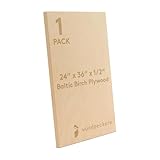
Alright, let’s cut straight to it. Are MDF cabinets plywood? No, they are not. They are fundamentally different materials, though both are engineered wood products. Think of it like comparing a brick wall to a concrete pour – both are building materials, but they’re made differently and have different strengths and weaknesses. Plywood is made from thin sheets of wood veneer, glued together with the grain of each layer running in alternating directions. This cross-graining is what gives plywood its strength and stability. It’s like a layered sandwich of wood strips.
MDF, on the other hand, stands for Medium-Density Fiberboard. It’s made by taking wood fibers, breaking them down, and then mixing them with wax and resin binders. This mixture is then pressed into panels under high temperature and pressure.
The result is a very dense, smooth, and uniform board. There are no wood grains to worry about, just a consistent, solid mass of compressed wood dust and glue.
This makes MDF incredibly smooth and easy to machine, which is why it’s often used for painted cabinet doors or intricate decorative elements. I remember trying to cut a fancy edge profile into a piece of plywood once; it was a nightmare of splintering and tear-out. MDF? Smooth as silk, even with a relatively basic router bit.
The key difference for cabinet makers and consumers alike boils down to strength, moisture resistance, and how they hold fasteners. Plywood, with its layered structure, is generally stronger and more resistant to sagging, especially under the weight of heavy countertops or shelves.
It also holds screws and nails better because the wood fibers are longer and interlocked. MDF, while dense, can be more susceptible to swelling and damage from moisture. If you spill water on an MDF shelf edge, it can get soggy and expand. And while it holds paint beautifully, screwing into MDF can be less secure over time if not done carefully.
I learned this the hard way when a shelf I’d installed in a pantry, made of MDF, started to bow after a year of storing canned goods. The screws holding the shelf supports just started to pull out because the MDF wasn’t as solid as I’d hoped.
So, Which Is Better for Kitchen Cabinets: Mdf or Plywood?
This is the million-dollar question, and like most things in life, the answer is: it depends. There’s no single “best” material. For the cabinet boxes themselves – the carcasses that hold everything up – plywood has historically been the preferred choice for its durability and stability. Its resistance to moisture and its ability to hold weight without bowing make it a solid foundation for a kitchen. I’ve seen plywood cabinet boxes that are decades old and still perfectly sound. It’s just a more forgiving material in the humid, occasionally splashy environment of a kitchen.
However, MDF has carved out its own significant niche. For cabinet doors, drawer fronts, and decorative mouldings, MDF can be superior, especially if you’re planning a painted finish. Its ultra-smooth surface takes paint exceptionally well, providing a flawless, furniture-like finish that’s hard to achieve with the natural grain of plywood. Plus, MDF is generally less expensive than high-quality plywood. This cost-effectiveness makes it an attractive option for manufacturers looking to offer more budget-friendly cabinets. (See Also: Can A 4x8 Plywood Fit In A Honda Pilot )
Here’s where my contrarian streak kicks in: a lot of people will tell you that MDF is absolute garbage for cabinets. I disagree, with a caveat.
If you’re talking about the entire cabinet box being made of MDF, especially in a high-moisture area like under a sink without proper protection, then yeah, you might be asking for trouble. But for doors and drawer fronts?
Or for cabinet boxes in a more controlled environment where extreme moisture isn’t a daily threat? MDF can be a fantastic choice, particularly for painted finishes.
The key is understanding where each material shines. I’ve seen painted MDF cabinet doors that look absolutely stunning, far better than a poorly painted plywood door with visible grain. The common advice often lumps all MDF uses together, which isn’t fair.
The reality is, many cabinets on the market today use a combination of both. You might find plywood for the structural boxes and MDF for the doors. This hybrid approach allows manufacturers to use the strengths of each material while managing costs. When you’re shopping, ask specifically what each part of the cabinet is made from. Don’t let vague terms like ‘engineered wood’ confuse you. It’s worth knowing if the parts you see and touch most often – the doors – are MDF or plywood, and if the structural integrity of the boxes is solid plywood.
What to Look for: Beyond the Mdf vs. Plywood Debate
Okay, so we’ve established that MDF and plywood are different beasts. But what else should you be scrutinizing when you’re looking at cabinets, regardless of whether they use MDF, plywood, or a combo? The construction quality is most important.
Think about how the cabinet box is actually put together. Are the joints glued and screwed? Or are they just stapled? Stapled joints, especially in cheaper cabinets, are a red flag.
They might hold for a while, but they’re not as solid as properly joined and fastened corners. I once bought a set of bathroom vanity cabinets that felt solid, but after a year, I noticed one of the drawers was starting to sag.
Turns out, the sides were only held to the bottom with a few staples and some weak glue. Lesson learned: inspect the joinery.
Look at the hardware. The hinges and drawer slides might seem like minor details, but they are important for the long-term functionality and feel of your cabinets. Cheap, flimsy hinges will sag over time, making doors hard to close and align. (See Also: Can Bondo Be Applied To Plywood )
Similarly, low-quality drawer slides will stick, grind, or even come off the tracks. You want to see smooth, soft-close hinges and slides. Blum is a brand that’s often cited as a gold standard for hardware, and for good reason.
They’re pricey, sure, but the difference in daily use is night and day. I spent an extra $150 on an upgrade for soft-close drawer slides in my kitchen, and honestly, it was worth every penny. No more slamming drawers, and they glide like butter.
The finish is another huge factor. Whether it’s paint, veneer, or laminate, how well is it applied? Are there any imperfections, drips, or areas where the coating is thin? For painted cabinets, especially if they’re MDF, you want to see a smooth, even application. If it’s a veneer, look for consistent grain patterns and no lifting or bubbling. Laminate finishes should be tightly bonded with no peeling edges. I’ve seen some laminate cabinets where the edges started to peel after just a year, looking cheap and worn. This is often a sign of poor application or a low-quality laminate material.
Here’s a table summarizing some key points to consider when evaluating cabinet materials:
| Feature | Plywood | MDF | My Verdict |
|---|---|---|---|
| Strength/Sag Resistance | Excellent | Good to Very Good (can be dense) | Plywood wins for heavy loads. |
| Moisture Resistance | Good (varies by grade) | Poor (swells easily) | Plywood is safer, especially in kitchens. |
| Screw Holding Power | Excellent | Fair to Good (can strip easily) | Plywood is more secure long-term. |
| Surface Smoothness (for paint) | Fair (grain shows) | Excellent | MDF is superior for painted finishes. |
| Cost | Moderate to High | Low to Moderate | MDF is generally cheaper. |
| Machinability (carving/details) | Good | Excellent | MDF is easier for intricate designs. |
Common Mistakes When Buying Cabinets (and How to Avoid Them)
One of the biggest mistakes people make is not asking enough questions. They walk into a showroom, see something that looks nice, get a price, and assume it’s all good. But as we’ve discussed, the devil is in the details. Not knowing if the cabinet box is plywood or particleboard (which is even weaker than MDF) is a huge oversight. Particleboard is basically wood chips and sawdust with glue, and it’s the lowest tier of engineered wood for cabinets. I’ve seen it warp and disintegrate under its own weight. Always clarify the construction of the cabinet box and the doors/drawer fronts.
Another common pitfall is prioritizing aesthetics over functionality. You might fall in love with a particular door style or color, but if the underlying construction is poor, it’s going to cause headaches down the line. Cabinets are a major investment in your home; they need to be built to last. Focusing solely on the outward appearance without considering the structural integrity is like buying a beautiful car with a faulty engine. It might look great, but it’s not going to get you very far, or it’s going to cost you a fortune in repairs.
Overpaying for features you don’t need is also a classic mistake. Some showrooms will push high-end options like custom interior organizers, elaborate pull-outs, or specialized finishes that can significantly inflate the price. While these can be nice, assess whether they genuinely add value to your lifestyle. Do you really need a spice rack that pulls out from the ceiling, or would a simple, well-built cabinet with sturdy shelves suffice? I’ve seen people spend an extra $5,000 on fancy drawer inserts that they rarely use, while the actual cabinet construction was just mediocre. Get the best possible construction for your budget first, then add the bells and whistles if there’s money left.
Conversely, underestimating the importance of the finish can also lead to regret. A beautiful cabinet can quickly lose its appeal if the finish chips, scratches, or fades prematurely. This is particularly relevant for painted MDF cabinets. A cheap paint job on MDF will look terrible quickly. Look for manufacturers that use high-quality, multi-layer finishes, often baked on, for durability. My first DIY painted cabinets looked decent initially, but the paint scuffed off way too easily. It was a frustrating lesson in the importance of a proper, durable finish, not just the base material.
Finally, don’t underestimate the value of a good warranty. A reputable manufacturer will stand behind their product. Understand what the warranty covers – typically manufacturing defects and material flaws – and for how long. A limited lifetime warranty on structural components is a good sign. If a company is hesitant to offer a decent warranty, it might be a signal that they don’t have full confidence in the longevity of their products.
Faq: Are Mdf Cabinets Plywood?
Are Mdf Cabinets Plywood?
No, MDF cabinets are not plywood. Plywood is made from thin sheets of wood veneer glued together with alternating grain directions, creating layers of strength. MDF (Medium-Density Fiberboard) is made from wood fibers mixed with wax and resin, then pressed into dense panels. They are both engineered wood products but differ significantly in their construction and properties. (See Also: Can Cat Plywood Be Used For Exterior Siding )
Is Mdf or Plywood Better for Kitchen Cabinets?
For the cabinet boxes (carcasses), plywood is generally preferred for its strength, stability, and better moisture resistance. For cabinet doors and drawer fronts, especially for painted finishes, MDF can be superior due to its smooth surface and ease of machining. Many cabinets use a combination of both materials to optimize cost and performance.
Can Mdf Cabinets Get Wet?
MDF is highly susceptible to moisture. If MDF gets wet, it will swell and can be permanently damaged, losing its structural integrity. Plywood, while not entirely waterproof, is much more resistant to moisture damage and is a safer choice for areas prone to splashes or humidity.
What Is the Difference in Cost Between Mdf and Plywood Cabinets?
MDF is generally less expensive than plywood. This makes MDF an attractive option for manufacturers looking to produce more budget-friendly cabinet doors and drawer fronts. Plywood, particularly high-grade plywood, tends to be more costly but offers superior durability for the structural components of cabinets.
Are Mdf Cabinets Durable?
MDF can be durable for certain applications, particularly for painted doors and drawer fronts where its smooth surface is an advantage. However, its durability is compromised significantly by moisture. For structural cabinet boxes, plywood is typically considered more durable and long-lasting due to its inherent strength and better resistance to environmental factors.
The Honest Truth About Mdf and Plywood Durability
Let’s talk durability. When people ask if MDF cabinets are plywood, they’re often really asking about which one will last longer and hold up better to the rigors of a kitchen. Plywood, especially cabinet-grade plywood (which is typically hardwood plywood with fewer internal voids), is a workhorse. Its layered construction means that if one layer is stressed, the others help support it. This makes it excellent at resisting warping and sagging over time, even when loaded with heavy dishes, pots, or countertop materials. I’ve seen old houses with plywood cabinets that still look and function great after 50 years. The screws holding hinges and shelves remain tight, and the structure feels solid.
MDF, while dense, has a different kind of vulnerability. Its primary weakness is its reaction to moisture. If you get a significant spill under a sink that isn’t properly sealed, or if humidity levels are consistently high, MDF can absorb water, swell up, and turn into a mushy mess. This swelling is irreversible. Once it swells, it loses its density and structural integrity. Screws and fasteners can also strip out more easily in MDF over time, especially if the material has been compressed or exposed to moisture, weakening the connection points. This is why proper sealing and avoiding direct water exposure are absolutely important if you have MDF components.
However, it’s not all doom and gloom for MDF. For painted cabinet doors, its density and smooth surface mean it can withstand repeated opening and closing of doors without the wood grain texture showing through the paint, which can happen with plywood. It also offers a more consistent surface for machining intricate designs or profiles. For a painted door that’s not directly exposed to water, it can be very durable. The key is that it needs to be protected. Think of it like a good pair of leather shoes: they’re durable, but you wouldn’t stand in a puddle with them without waterproofing them first.
The overall durability of any cabinet also depends heavily on the quality of the manufacturing and the finish applied. A poorly made plywood cabinet with a cheap veneer or a bad finish will not last as long as a well-made MDF cabinet with a superior, sealed finish. I’ve seen high-end MDF doors from reputable manufacturers that have held up beautifully for years because they were properly constructed, sealed, and finished. So, while plywood generally has a structural advantage in terms of inherent material properties for cabinet boxes, the actual user experience and longevity can be influenced by many other factors. Don’t just look at the base material; consider the entire package.
Final Verdict
So, to circle back to the initial question: are MDF cabinets plywood? No, they are not. They’re distinct engineered wood products with different pros and cons. Plywood offers superior strength and moisture resistance for cabinet boxes, making it a solid choice for structural integrity. MDF, on the other hand, excels in its smooth surface, making it ideal for painted cabinet doors and decorative elements where a flawless finish is desired.
The best cabinets often use a combination of both, using the strengths of each material. Your job as the buyer is to understand these differences and ask the right questions. Don’t be afraid to probe about the construction of the boxes, the doors, the hardware, and the finish. A well-informed decision will save you money and headaches down the road, making sure you get cabinets that look good and perform well for years to come.
When you’re ready to look at cabinets, keep this breakdown in mind. It’s not about choosing one material over the other universally, but about choosing the right material for the right part of the cabinet, based on your needs and budget, and making sure quality construction throughout. For the structural guts of your kitchen, I’d lean towards plywood, but for those sleek, painted doors, MDF is often the smarter, more cost-effective play.