You’re staring at that blank wall, dreaming of hanging that massive art piece or finally getting those shelves up. But then the question hits you: what
is
this wall made of? Are most apartments drywall? Yeah, pretty much. It’s the king of apartment construction for a reason, but knowing that doesn’t stop you from wondering if you can actually hang a 50-pound mirror without needing a stud finder and a prayer. I’ve been there, eyeing up walls with a mix of DIY ambition and sheer terror. Let’s get into what you’re really dealing with.
The Ubiquitous Sheet: Why Drywall Rules Apartments
Look around any modern apartment building, especially the ones built in the last 50 years, and you’re going to see a lot of white. Not just the paint, but the material underneath. So, are most apartments drywall? Almost universally, yes.
Drywall, often called gypsum board, plasterboard, or wallboard, is the go-to for interior walls and ceilings in residential construction for a laundry list of practical reasons. It’s relatively cheap to produce, easy to transport in large sheets, and incredibly fast to install compared to traditional plaster. Think about it: you can cover a whole room in a day with drywall panels, then tape, mud, sand, and paint. Plastering is a multi-step, skill-intensive process that takes significantly longer and requires a much higher level of craftsmanship.
For developers looking to build quickly and affordably, especially in multi-unit dwellings like apartments, drywall is a no-brainer. It’s a blank canvas that’s sturdy enough for everyday living and adaptable to pretty much any finish you can imagine. The widespread adoption of drywall isn’t just a trend; it’s a fundamental building practice that makes building apartments feasible on a large scale.
I remember the first apartment I ever rented. It was a classic 1970s build, and I was convinced the walls were made of concrete because they felt so solid.
Turns out, it was just a really well-done drywall job with a thick skim coat of plaster over it. My landlord, bless his heart, had apparently hired someone who knew what they were doing.
Most of the time, though, you get that standard, slightly hollow-sounding knock when you tap on it. That’s your cue: drywall.
It’s gypsum powder sandwiched between two layers of paper. Simple, cheap, effective. It’s not exactly glamorous, but it gets the job done.
And when you’re renting, the landlord wants the cheapest, fastest way to put up walls that look decent and meet building codes. Drywall fits that bill perfectly. It’s the workhorse of interior construction, and its dominance in apartments is a testament to its practicality and cost-effectiveness for mass construction.
Hanging Stuff on Drywall: The Eternal Struggle
Okay, so you know it’s drywall. Now what?
The big question for anyone living in an apartment is always about hanging things. Are most apartments drywall?
Yes, and that means you’re going to deal with the realities of hanging things on it. Forget just hammering a nail into drywall for anything heavier than a thin piece of paper. You’ll quickly learn about anchors.
There are a million types: the plastic conical ones that you screw in, the self-drilling ones that look like screws with wings, the toggle bolts that flap open behind the wall like a tiny parachute. Each has its place, and honestly, a lot of them are glorified plastic afterthoughts. My first apartment, I wanted to hang a cheap bookshelf. I used those standard plastic anchors you get in a little plastic bag.
Within a week, the shelf was listing like a sinking ship, and the anchors had pulled half the drywall paper off with them. Total disaster. (See Also: Are There Special Screws For Drywall )
I learned the hard way that not all anchors are created equal, and for anything with actual weight, you need to do your homework. A good stud finder is your best friend, but most apartment walls are built with studs spaced 16 or 24 inches apart, which means you’re often in the middle of nowhere when you try to hang something. The common advice is ‘use a stud,’ and while that’s the strongest option, it’s not always available when you need it.
So, you’re left with the anchors, and choosing the right one can feel like a science experiment.
This is where many people get it wrong. They assume all anchors are the same or that the little ones that come with picture frames are sufficient for everything. They are not.
For something like a TV mount, you absolutely need to hit studs or use specialized heavy-duty anchors that can support hundreds of pounds. For a shelf with books, you’re probably looking at toggle bolts or heavy-duty screw-in anchors.
The key is understanding the weight rating of the anchor versus the weight of the item you want to hang, plus a good safety margin. I bought a set of E-Z Ancor toggle bolts once for about $18, and they were a revelation. They look a bit intimidating at first, with a big metal wing that folds up, but once you screw them in, they’re solid as a rock.
I’ve hung a full-size mirror and a heavy coat rack with them, and they haven’t budged. The initial investment in good anchors can save you a lot of drywall repair headaches down the line, and more importantly, prevent your prized possessions from making a dramatic exit from your wall.
How to Hang Heavy Items on Drywall
When you’re dealing with apartment walls, which are almost always drywall, hanging heavy items requires a bit of strategy. First, try to locate studs. Use a stud finder; they’re inexpensive and can save you a lot of trouble. Mark the studs clearly.
If the item you’re hanging aligns with studs, use long screws that go through the drywall and deep into the wood stud. For items that don’t align with studs, you’ll need drywall anchors. For moderately heavy items (like shelves with books), toggle bolts or heavy-duty screw-in anchors are a good bet, provided they are rated for more than the item’s weight.
Always check the weight rating on the anchor packaging. For extremely heavy items like large TVs, it’s often best to consult a professional or use a mounting system specifically designed for drywall that distributes weight across a wider area or uses multiple anchor points.
The Sound of Silence (or Lack Thereof)
One of the biggest downsides to the ubiquitous drywall construction in apartments is sound transmission. Are most apartments drywall? Yes, and that means your neighbor’s questionable taste in music or their late-night arguments can become an unwelcome soundtrack to your life. Drywall itself isn’t a great sound insulator.
It’s a relatively thin, rigid material. When sound waves hit it, they vibrate, and those vibrations travel through the wall to the other side. It’s like a drumhead; tap one side, and the other side vibrates too.
This is especially true for the ‘zero-lot-line’ apartments, where walls are shared between units. The construction methods often involve just two layers of drywall with a small air gap or a thin layer of insulation in between. This is far from ideal for soundproofing.
Traditional plaster and lath walls, while a pain to install, often had a bit more mass and could dampen sound better. Even concrete walls, common in older, higher-end buildings, are significantly better at blocking noise.
I once lived in an apartment where I could hear my upstairs neighbor’s cat walking around. Not like thumping, but a distinct tap-tap-tap that echoed through the ceiling. It was maddening.
And don’t even get me started on the shared wall. I could hear conversations, the TV, and sometimes even the clink of ice in glasses. It wasn’t an all-out noise fest, but the constant low-level auditory bleed was enough to drive me nuts. I tried hanging heavy blankets on the wall, which did absolutely nothing except make the room look like a medieval dungeon. (See Also: Are There Studs At The Corners Of Drywall )
I even considered soundproofing paint, but honestly, the reviews were so mixed, and the cost was high, that I decided to just live with it. The reality is, with standard drywall construction, soundproofing is a major compromise. You’re getting affordability and speed of construction, but you’re sacrificing peace and quiet. It’s a trade-off that developers make, and as a renter, you’re often left to deal with the consequences.
Sometimes, a really thick rug and some dense furniture can help absorb some of the noise, but for direct sound transmission through walls, drywall is your enemy.
DIY Sound Dampening in Apartments
While true soundproofing is difficult and often prohibited in rental apartments, you can take steps to dampen sound. The most effective, albeit least aesthetically pleasing, method is adding mass. Heavy curtains, thick rugs, and upholstered furniture absorb sound. For walls, consider hanging tapestries or acoustic panels, though their effectiveness varies greatly.
Acoustic foam tiles, often used in studios, can absorb some high-frequency sounds but won’t do much for low-frequency noise like bass or loud voices. Make sure that any gaps or cracks around doors and windows are sealed with weatherstripping, as sound can travel through these openings. If you’re fortunate enough to have thicker walls, you might find that heavier furnishings and strategic placement can make a noticeable difference in perceived noise levels.
The Drywall Repair Nightmare
So, you’ve managed to hang something, but maybe it didn’t go perfectly. Or maybe you accidentally slammed a door, and now there’s a dent. Are most apartments drywall?
Yes, and that means you’re going to have to deal with drywall repair if you want your security deposit back. This is where many renters absolutely panic.
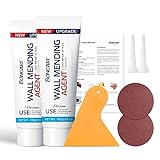
Small nail holes are one thing – they’re easy to patch. But a ding, a gouge, or worse, a hole that goes all the way through? That’s a whole different ball game, and most people have zero experience with it. You’ll need spackle or joint compound, a putty knife, sandpaper, and a steady hand.
The spackle goes in the hole, you smooth it out, let it dry, sand it down until it’s flush, and then you have to try and match the paint texture. This last part is where most DIYers fail miserably. The landlord’s paint is rarely just plain white; it’s usually a specific shade with a particular sheen and often a textured finish to hide imperfections.
My first attempt at repairing a fist-sized hole from a rogue hockey puck (don’t ask) was a disaster. I used way too much spackle, it dried bumpy, I sanded it down too much, then added more spackle, and it ended up looking like a topographical map of the moon. Then came the painting. I bought what I thought was matching white paint, but it was slightly off, and the sheen was different.
The patch was glaringly obvious. I ended up having to buy a small can of ‘eggshell’ paint and a roller, and I basically had to repaint the entire wall to make it blend in. It cost me about $40 and a whole Saturday afternoon. The lesson learned?
Drywall repair is easy to mess up, and getting it to look smooth is an art. If you’re not confident, it’s often worth paying a handyman a small fee to do it for you.
They have the tools, the experience, and they know how to match the paint and texture. It can save you a lot of stress and potential deductions from your deposit. The complexity of drywall repair is often underestimated, making it a common source of conflict between renters and landlords.
What to Look for: Beyond the White Paint
When you’re looking at a new apartment, beyond the obvious paint job, what can you tell about the walls? Are most apartments drywall? Yes, but there are nuances.
The thickness of the drywall can vary. Thicker drywall (like 5/8 inch) is more fire-resistant and can offer slightly better sound dampening than the standard 1/2 inch.
You can sometimes gauge this by looking at the thickness of the edge if you see exposed drywall in a closet or utility area. Another clue is the seams. In a well-finished drywall job, the seams between the panels are taped and covered with joint compound, then sanded smooth. (See Also: Are There Bugs That Eat Drywall )
You can sometimes see faint lines where the seams are, especially in lower light or if the paint job is less than perfect. If the seams are really obvious, or if the wall feels uneven or bumpy, it might indicate a rushed or poor-quality installation.
This can mean more potential for cracks to appear over time, especially in buildings that settle or experience seismic activity.
The type of finish can also be a clue. Is it a smooth finish, or does it have a texture like orange peel or knockdown? Textured finishes are often applied to hide imperfections in the drywall installation itself. A heavily textured wall might be covering up a less-than-perfect taping job.
I’ve seen apartments with beautiful, smooth walls that feel solid, and others where the walls looked fine at first glance but had subtle waves and ripples. I once rented a place where the landlord had slapped a heavy knockdown texture over everything, presumably to cover up some serious damage. It looked okay from across the room, but up close, it was obvious. This is a good indicator that the underlying drywall work might not be top-notch.
Also, listen to the sound when you knock. A solid, dull thud is better than a hollow, ringing sound.
While most apartment walls will have some degree of hollowness due to the standard stud framing, an extreme hollow sound can suggest minimal insulation or very thin drywall.
Drywall vs. Other Wall Materials: A Quick Comparison
| Material | Pros | Cons | Verdict for Apartments |
|---|---|---|---|
| Drywall | Cheap, Fast Installation, Easy to Finish, Widely Available | Poor Sound Insulation, Prone to Damage, Can Be Dusty to Repair | The Standard. Practical and cost-effective for builders. Expect it. |
| Plaster and Lath | Durable, Good Sound Dampening, Smooth Finish | Expensive, Slow Installation, Difficult to Repair for Amateurs | Rare in modern apartments. Common in older, higher-end construction. |
| Concrete | Extremely Durable, Excellent Sound & Fire Resistance | Expensive, Difficult to Install/Modify, Requires Specialized Tools | Found in some luxury or older buildings. Great for noise. |
| Wood Paneling | Aesthetic Appeal, Can Hide Imperfections | Can Be Costly, Installation Varies, Susceptible to Scratches | More of a decorative finish than structural. Not common for full walls. |
The ‘are Most Apartments Drywall?’ Faq
Is It Okay to Hang a TV on an Apartment Wall?
Yes, but with caution. Most apartment walls are drywall, and standard drywall anchors aren’t sufficient for the weight of a TV. Always use a stud finder to locate wall studs and secure the TV mount directly to them with long, heavy-duty screws. If studs aren’t ideally placed, use specialized heavy-duty drywall anchors designed for TV mounts, making sure their weight rating significantly exceeds the TV’s weight. When in doubt, consult a professional or opt for a floor-standing TV mount.
Can I Put Screws in Apartment Walls Without Asking?
Generally, yes, for small nail holes or standard picture hanging. However, for anything substantial – like shelves, mirrors, or heavy decor – it’s wise to check your lease agreement. Many leases have clauses about altering walls. If you cause damage beyond normal wear and tear, you could be charged for repairs. It’s better to use appropriate anchors and be prepared to patch any holes properly before moving out.
What’s the Best Way to Repair a Hole in an Apartment Wall?
For small holes (like nail pops), use a small amount of spackle and a putty knife to fill the hole. Let it dry, then sand it smooth. For larger holes, you might need a drywall patch kit, which often includes a mesh patch and joint compound. Apply the compound, spread it thinly over the patch, let it dry, sand it smooth, and then apply a second coat if needed. The trickiest part is matching the paint color and texture; consider repainting the entire wall if the repair is noticeable.
Why Are Apartment Walls So Thin?
Apartment walls are typically thin due to cost and speed of construction. Drywall is an inexpensive and fast-to-install material. To reduce building costs, developers often use standard 1/2 inch drywall with minimal insulation or sound-dampening materials between studs. While this meets basic building codes, it compromises sound insulation, leading to the perception of thin walls. Higher-end apartments might use thicker drywall or additional soundproofing materials.
Can I Paint My Apartment Walls?
Most landlords allow you to paint the walls, but you’ll almost always be required to paint them back to the original color before you move out. Always get permission first and understand the repainting clause in your lease. Using primer before painting can help make sure better coverage and make it easier to revert to the original color later. Be mindful of the paint finish (e.g., matte, eggshell, satin) as it needs to match the original to avoid noticeable patches.
Final Thoughts
So, to finally put it to rest: are most apartments drywall? The overwhelming answer is yes. It’s the most cost-effective and quickest way to build interiors on a large scale. This means you’re going to live with its limitations, from the struggle of hanging heavy items to the inevitable sound bleed. Understanding what you’re working with is half the battle. Don’t be afraid of those walls, but be smart about how you interact with them. Invest in good anchors, learn basic patching skills, and manage your expectations regarding noise. It’s not glamorous, but it’s the reality of apartment living for millions of people.
Don’t let the drywall deter your decorating dreams, just equip yourself with the right knowledge and tools. A few well-chosen anchors and a willingness to learn basic repair can make a huge difference in your living experience. And if all else fails, remember that most of these issues are temporary. You’re likely not living there forever, so focus on making it work for you now.
When you’re looking at your next apartment, take a moment to tap the walls and listen. It’s a small thing, but it can tell you a lot about what you’re getting into. Maybe even ask the landlord about the wall construction if you’re particularly concerned about noise or hanging heavy items. You might be surprised what you learn.