Look, we’ve all been there. You’re trying to fix a leaky sink, or maybe you’re just curious about why that weird U-bend exists under every drain. You’ve probably Googled a million things, and somewhere along the line, you stumbled across the question: are p traps required AC? It sounds like a question about your air conditioner, right? Nope. It’s all about your plumbing, and frankly, most people don’t give it a second thought until something goes wrong. And when something goes wrong with plumbing, it’s rarely pretty.
Let’s cut to the chase. P-traps are not optional. They’re fundamental to keeping your home healthy and stink-free. If you’ve ever wondered about the gurgling noises or the faint (or not so faint) smell creeping up from your drains, the P-trap is your first suspect, or more accurately, the lack of one or a faulty one.
Why That U-Bend Is Your Plumbing’s Best Friend
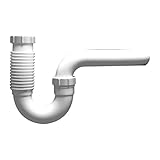
So, why do we even have these weirdly shaped pipes under our sinks, showers, and tubs? It’s not just some plumber’s quirky design choice. The P-trap, that distinctive U-shaped bend in your drainpipe, serves one incredibly important purpose: it holds a small amount of water. This little water barrier is the gatekeeper between your living space and the sewer gases that lurk below. Without it, those noxious, often foul-smelling gases would have a direct line right into your home. Think rotten eggs, sulfur, and general unpleasantness – all thanks to a lack of a simple water seal.
I remember a time when I was helping a buddy tackle a DIY bathroom renovation. We were pulling out an old vanity, and the plumbing underneath looked… odd. There was a straight pipe going down.
No U-bend, no P-trap. My first thought was, ‘Wow, this is going to be easy to connect the new sink to.’ Then the smell hit me.
It wasn’t just a whiff; it was a full-on assault. Turns out, they had capped off the old vent pipe and just let the drain go straight down. The house had been smelling vaguely off for years, and they’d just gotten used to it.
Once we installed a proper P-trap, the difference was immediate and frankly, miraculous. It’s amazing how much a simple water seal can do.
The mechanism is ridiculously simple but brilliant. When you run water down the drain, it flows through the pipe and then fills the U-bend. Some water stays behind, creating that seal. When you use the drain again, fresh water flushes out the old water, and the cycle repeats. This constant water seal is what prevents those sewer gases, which can contain methane and hydrogen sulfide, from backing up. Beyond the smell, these gases can also be flammable and, in high concentrations, even pose health risks. So, while they might look a bit clunky, P-traps are absolutely vital for a safe and odor-free home. They’re a testament to effective, low-tech engineering that works every single time.
The question of whether P-traps are required AC is a bit of a red herring, as AC (air conditioning) systems don’t directly involve plumbing in the same way your sinks do. However, if your AC system produces condensation, it usually has a drain line, and sometimes these drain lines can be routed into the plumbing system. In those cases, the plumbing regulations regarding P-traps would still apply to the point where that condensate drain ties into the main drain lines.
When Does a P-Trap Make Sense (and When Does It Not)?
Generally speaking, any fixture that connects to your home’s drainage system needs a P-trap. This includes sinks (kitchen, bathroom), bathtubs, showers, floor drains, and even some appliances that discharge water, like dishwashers and washing machines. The goal is always to create that water seal to prevent sewer gas intrusion. (See Also: Are Omega Watch Straps Real Alligator )
However, there are some exceptions or specific scenarios where you might see variations. For instance, some newer high-efficiency furnaces and air conditioners produce condensate.
This condensate is basically just water, and its drain line is often routed to a floor drain or directly into the plumbing. If it’s routed to a floor drain, that floor drain absolutely needs a P-trap. If it’s routed directly into a drain line, the code typically requires a P-trap to be installed on that condensate line before it joins the main waste pipe.
This is to prevent any potential sewer gas from backing up into the appliance itself, which could damage it or cause operational issues. I’ve seen folks try to skip this step to “simplify” the installation, only to deal with musty smells coming from their HVAC system later. Don’t be that person.
Another area where things can get a little nuanced is with venting. A P-trap works in conjunction with a vent pipe. The vent pipe allows air into the drainage system, which helps the water flow smoothly and prevents a vacuum from forming that could siphon the water out of the P-trap. So, while the P-trap is the barrier, the vent is what keeps the barrier functional. Sometimes, especially in older homes or with complex plumbing layouts, you might encounter situations where the venting is less than ideal, which can lead to P-traps drying out. This is where understanding your home’s plumbing system becomes important.
For standalone appliances like washing machines, you often see a standpipe. This standpipe acts as both the drain and the trap. The bottom of the standpipe is connected to the drain line, and the standing water in the pipe itself forms the trap. The height of the standpipe is also important; it needs to be high enough to hold sufficient water to create a good seal, but not so high that the water flow from the machine can’t clear it properly. It’s a delicate balance, but again, the principle is the same: a water seal is most important.
Here’s a quick comparison of common scenarios:
| Fixture/Appliance | Typical P-Trap Requirement | Reasoning | My Verdict |
|---|---|---|---|
| Kitchen Sink | Required | Prevents sewer gas from entering kitchen, where food is prepared. | Absolute must. No questions asked. |
| Bathroom Sink | Required | Prevents sewer gas from entering bathroom. | A must for hygiene and comfort. |
| Shower/Bathtub | Required | Stops odors from the main drain. | Often overlooked but just as vital as sink traps. |
| Dishwasher | Required (often integrated or via air gap) | Connects to sink drain or separate air gap; P-trap principle still applies. | Make sure it’s done right; sneaky source of smells if not. |
| Washing Machine | Required (via standpipe) | Standpipe acts as a trap. | Key. Don’t let your laundry room smell like a sewer. |
| HVAC Condensate Drain | Often Required (check local code) | Prevents sewer gas from entering HVAC system. | Smart move, even if code is fuzzy. Protects your air quality. |
Common P-Trap Mistakes That Make You Smell Bad
It’s frustrating how many things can go wrong with something so simple. I’ve seen P-traps installed backwards (yes, it’s possible if you’re really not paying attention), too high, too low, or not vented properly. The most common mistake, however, is simply forgetting about them. When water isn’t used in a fixture for a long time – think guest bathrooms, laundry room sinks, or floor drains in basements that rarely see water – the water in the P-trap can evaporate. Once it’s dry, that protective seal is gone, and the sewer gases have free rein.
Another frequent issue is clogs. P-traps are notorious for catching hair, grease, and all sorts of gunk that goes down the drain. When a P-trap gets clogged, water backs up. People often think the problem is deeper in the drainpipe, but more often than not, the blockage is right there in the trap. Many P-traps are designed with a cleanout plug on the bottom, specifically for this purpose. If you don’t have one, or if it’s seized up, clearing a clog becomes a much messier affair, usually involving dismantling the trap.
I learned this the hard way after a particularly greasy Thanksgiving dinner. My kitchen sink started backing up. I plunged, I snaked, I used chemical drain cleaners (which I now avoid like the plague, by the way – terrible for pipes and the environment!). Nothing worked. Finally, in a fit of desperation, I just unbolted the P-trap myself. The amount of solidified grease and food particles that came out was horrifying. It was like a solid, smelly mass. Once I cleared that out, the sink drained like new. It took me about twenty minutes and a lot of paper towels, but it saved me a plumber’s bill. The key takeaway? Always check the P-trap first for clogs in sink drains. (See Also: Are Traditional Mouse Traps Humane )
A less obvious, but equally annoying, mistake is using the wrong type of P-trap. While most are simple plastic or metal U-bends, some applications might require specific designs. For instance, some codes might prefer or require a deeper trap seal in certain areas to prevent siphoning. Also, making sure all connections are watertight is absolutely key. A tiny leak can not only lead to water damage but can also disrupt the trap’s seal over time, especially if it’s a slow drip that evaporates before you notice it.
Real-World Use: Beyond the Bathroom Sink
While the bathroom sink P-trap is the most common image that comes to mind, these devices are ubiquitous in modern plumbing for a reason. Think about floor drains in basements, garages, or commercial kitchens. These are direct pathways to the sewer system. Without a P-trap, any moisture in those areas would be a constant source of sewer gas. I’ve seen basements that smelled perpetually damp and musty, and the culprit was often a dry floor drain P-trap because no one ever poured water into it.
Dishwashers and washing machines, as mentioned, also rely on the P-trap principle. When a dishwasher drains, it pumps water out. This water needs to go somewhere, and it’s usually routed to the sink drain or a dedicated air gap which then connects to the drain. The connection point needs that water seal. Similarly, washing machines dump a large volume of water quickly. The standpipe they connect to needs that water retention to function as a P-trap. Failing to have this can lead to washing machine wastewater backing up into the machine or, worse, sewer gases entering your laundry area.
Let’s talk about AC units for a moment. While not a direct plumbing fixture in the traditional sense, many modern high-efficiency air conditioning units and furnaces produce condensate, which is basically just water. This condensate needs to be drained away.
This drain line is often routed to a floor drain or directly into the building’s plumbing system. When it connects to the plumbing, it absolutely needs a P-trap installed on that condensate line before it joins the main waste pipe.
This prevents any sewer gas from the main line from wicking back up the condensate pipe and into your HVAC system, which can cause foul odors and potentially damage sensitive components. I saw a situation once where a homeowner had bypassed this, and their AC started blowing a really strong sewage smell. It took us a while to trace it back to the condensate line.
Another example is in commercial settings. Commercial kitchens, for instance, have specialized drains. Grease traps are common, but even the drains feeding into those grease traps, or the drains for sinks used for general washing, will have P-traps. They’re important for preventing odors and potential pest issues that can arise from exposed sewer lines. The principle remains the same: keep that water seal intact.
The common advice when dealing with a dry P-trap is to run water for a minute or two. This is sound advice. But it’s also a temporary fix if the underlying issue isn’t addressed. Why is the trap drying out? Is there a leak? Is the vent system faulty? Is it in a low-use area where regular flushing isn’t happening? Understanding the ‘why’ behind a dry P-trap is as important as the ‘how’ to refill it.
When it comes to plumbing, especially when considering whether are P traps required AC, local building codes are your ultimate guide. These codes exist for a reason: to make sure public health and safety. Most plumbing codes, like the International Plumbing Code (IPC) or the Uniform Plumbing Code (UPC), mandate P-traps for virtually all fixtures connected to the sanitary drainage system. They specify the required trap seal depth (usually between 2 and 4 inches) and requirements for venting. Ignoring these codes can lead to failed inspections, potential fines, and, most importantly, unsafe living conditions. (See Also: Are Sticky Mouse Traps Humane )
DIYers often face a dilemma: save money by doing it yourself versus calling a professional. While many P-trap installations or replacements are straightforward, there are nuances. Getting the slope right, making sure watertight connections, and understanding the venting requirements can be tricky. I’ve seen too many DIY jobs that looked okay on the surface but had fundamental flaws that led to problems down the line. A common contrarian take I often hear is, ‘My uncle Bob did it himself and it’s been fine for 20 years!’ While that might be true, it doesn’t negate the fact that it might not be up to code or could fail unexpectedly. Codes are there to protect against the unexpected failures.
My personal philosophy? For simple replacements of existing P-traps in accessible locations, a DIYer with basic tools and a willingness to learn can probably handle it. However, if you’re installing new drains, dealing with complex vent systems, or if you’re unsure about code requirements, call a plumber. The cost of a plumber is almost always less than the cost of repairing water damage, dealing with persistent sewer gas issues, or facing code violations. Plus, a professional plumber brings knowledge of local codes and best practices that a DIYer might not have. Think about it: a professional plumber knows exactly why are P traps required AC in that condensate line, not just that they are required.
When inspecting your own plumbing or considering a renovation, look for these signs that a P-trap might be missing or faulty: persistent foul odors, gurgling sounds from drains when other fixtures are used, or slow draining. If you’re unsure, it’s always better to err on the side of caution and get a professional opinion. They can assess the entire drainage and venting system to make sure everything is functioning as it should and is up to code. It’s not just about preventing smells; it’s about maintaining the integrity of your home’s safety and health infrastructure.
Faq: Your P-Trap Questions Answered
Are P Traps Required for Ac Condensate Drains?
Yes, in most cases, P-traps are required for AC condensate drains that tie into the building’s plumbing system. This is to prevent sewer gases from entering the HVAC system and potentially causing odors or damage. The exact requirement can vary slightly by local code, but it’s a widely accepted practice for good reason.
What Happens If I Don’t Have a P Trap?
If you don’t have a P-trap, sewer gases containing methane and hydrogen sulfide will be able to enter your home through the drain opening. This will lead to foul odors, and in extreme cases, these gases can pose health risks or be flammable. It basically defeats the purpose of having a sealed drainage system.
How Often Should I Clean My P Traps?
You don’t typically “clean” a P-trap proactively unless you notice slow draining or foul odors. The best maintenance is simply to run water through fixtures regularly (e.g., once a month for infrequently used ones) to keep the water seal fresh. If a clog develops, then you’ll need to address it, usually by disassembling the trap or using a drain snake.
Can a P Trap Be Installed Too High?
Yes, a P-trap can be installed too high, which can affect its ability to hold water and create a proper seal. The height and slope of the drainpipe leading to and from the trap are important for it to function correctly and prevent the water seal from being siphoned out or not filling adequately.
Do All Drains Need a P Trap?
Basically, yes, all fixtures that connect to a sanitary drainage system and could potentially allow sewer gases to escape need a P-trap or an equivalent method of creating a water seal. This includes sinks, tubs, showers, floor drains, and appliance drains. The primary goal is always to prevent the backflow of sewer gases into occupied spaces.
Verdict
So, to wrap this up, the question of whether are p traps required AC is really about making sure your plumbing is functioning correctly, regardless of what it’s connected to. They’re not some obscure plumbing accessory; they are the silent guardians against a host of unpleasantries, from foul smells to potential health hazards.
The simple U-bend is a cornerstone of modern sanitation. It’s a low-tech solution to a significant problem, and for the most part, it works flawlessly. Don’t underestimate its importance, and don’t fall for the temptation to skip it, even in seemingly minor installations. A little bit of water in the right place makes all the difference.
If you suspect a problem with your drains or are undertaking any renovation, take a good look at your P-traps. Are they intact? Are they holding water? Are there any strange odors? Addressing these questions now can save you a whole lot of trouble, and a whole lot of bad smells, later on.