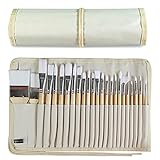
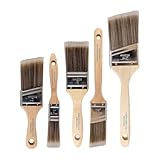
I remember staring at a wall of paint brushes in the art store, completely overwhelmed. I was on a mission to find the perfect tools for a project, but the sheer variety was mind-boggling. Then, a thought struck me: are paint brushes vegan? It seemed like a simple question, but one I’d never actually considered before. Most people just grab what looks good or what their art teacher recommended. But what if you’re trying to live a more ethical, cruelty-free lifestyle? It turns out, the answer isn’t as straightforward as you might think, and understanding the materials can make a huge difference in both your art and your conscience. So, are paint brushes vegan? Let’s get into it.
The Bristle Debate: Animal Hair vs. Synthetics
For centuries, the go-to for quality paint brushes meant animal hair. Think badger, hog, squirrel, sable – the names alone conjure images of traditional artistry. Sable, in particular, has long been the king of soft, flexible bristles, prized by watercolorists for its incredible water retention and smooth application.
But here’s the blunt truth: these aren’t vegan. They come from animals, and while the industry often touts sustainable harvesting or byproduct use, the fundamental source is animal. My first real art brush set, a gift when I was a teenager, was full of these fancy animal-hair brushes.
They felt amazing, sure, but looking back, I’d definitely question the ethics if I were starting out today with my current mindset. The idea of animal fur being integral to creating art felt… off.
I ended up spending a small fortune on a set of synthetic brushes later on, mostly out of curiosity, and honestly, I was surprised at how good they were. The common advice back then was that synthetics were for hobbyists, and pros used animal hair. That’s just not true anymore.
Synthetic bristles are typically made from nylon, polyester, or other plastic-based materials. These are engineered to mimic the properties of natural hair, and frankly, they’ve gotten really, really good. Depending on the type of synthetic fiber and how it’s manufactured, you can get brushes that are stiff and springy for oils and acrylics, or soft and absorbent for watercolors and gouache. The manufacturing process allows for incredible control over the bristle’s diameter, taper, and texture.
This means a well-made synthetic brush can offer superior performance in certain areas compared to natural hair, like holding its shape after repeated use and cleaning, or resisting damage from harsh solvents. Plus, the consistent quality control in synthetic production means you can generally rely on a specific line of synthetic brushes to perform the same way every time you buy them, which is a huge plus for consistency in your work. It’s this engineered precision that makes many artists, myself included, lean heavily towards synthetics for most applications now.
The reality is, the ‘natural is always better’ mantra for brushes is outdated. Technology has moved on. I’ve seen watercolorists produce stunning, delicate washes with meticulously designed synthetic brushes that hold water just as well as any sable. For oils, synthetic bristles are often more durable and easier to clean than hog hair, which can get splayed and damaged by the solvents. The environmental impact of animal farming is also a consideration for many. While synthetic brushes are petroleum-based, the intensive farming practices, water usage, and waste associated with animal hair production can also be significant. It’s a complex issue, but for a vegan artist, the choice is clear: steer clear of natural hair.
What to Look for in Vegan Paint Brushes
So, you’ve decided you want vegan paint brushes. Great. Now what? The first and most obvious step is to check the packaging and product description.
Reputable brands will proudly advertise their brushes as synthetic or vegan-friendly. Look for terms like ‘synthetic bristles,’ ‘nylon,’ ‘polyester,’ or ‘vegan fibers.’ If a brush description is vague or only mentions ‘natural bristles,’ it’s best to assume it’s not vegan and move on.
I learned this the hard way by not reading labels closely enough initially, assuming a brush was synthetic because it looked like it. Turns out, it had a blend of materials, including some animal hair. A quick search confirmed my suspicion, and that brush went straight to a donation pile for an art program that didn’t have vegan requirements.
Lesson learned: read the fine print!
Beyond the bristle material, consider the ferrule and the handle. The ferrule is the metal part that holds the bristles to the handle. Most ferrules are made of aluminum or brass, which are vegan. However, some older or very cheap brushes might use glues that contain animal products, though this is rarer these days.
The handle is usually wood or plastic. Again, most wooden handles are fine, but be wary if they have a strange finish that might be derived from animal products. Plastic handles are generally safe. The key is to look for transparency from the manufacturer.
Do they clearly state the materials used? Do they have a dedicated section on their website addressing vegan or animal-friendly products?
Brands that are committed to ethical sourcing will usually make this information easy to find. (See Also: Are Foam Paint Brushes Good For A Latex Paint )
When it comes to performance, don’t just assume all synthetic brushes are created equal. Different synthetic fibers have different properties. Taklon is a common type of synthetic fiber used for brushes, and it’s known for its softness and ability to hold paint. Some brands use proprietary blends of synthetic fibers to achieve specific characteristics, like elasticity, stiffness, or paint-holding capacity.
For watercolor, you’ll want soft, absorbent synthetics that can hold a lot of water. For acrylics and oils, you might prefer stiffer, more resilient synthetic bristles that can push thicker paint and withstand more vigorous scrubbing. Think about the type of paint you’ll be using and the techniques you employ.
My personal preference for acrylics leans towards stiffer, flagged-tip synthetics that mimic hog bristles, allowing me to get those nice textured strokes. For watercolors, I seek out the softest, most water-retentive synthetic fibers I can find. It’s about matching the brush’s characteristics to your artistic needs.
Common Mistakes When Buying Vegan Brushes
One of the biggest blunders I see people make, and honestly, I’ve been guilty of it too, is assuming that because a brush looks like a natural hair brush, it must be good. This leads to buying synthetic brushes that are poorly designed and perform terribly. For example, a cheap nylon brush that’s too stiff and doesn’t hold paint well is a common culprit.
The bristles might splay out after the first use, leaving you with jagged lines and frustrating paint application. This isn’t a reflection of all synthetic brushes, but of poorly manufactured ones. You’re not saving money if you have to replace them constantly or struggle through your work because the tools are subpar.
I once bought a ‘budget’ set of synthetic brushes that were so bad, they shed bristles into my paint like crazy. It was a nightmare trying to pick them out.
That set cost me about $25, and it was a complete waste. I learned that spending a little more upfront on a reputable brand of synthetic brushes saves you money and headaches in the long run. Aim for brushes specifically engineered for the type of paint you use.
Another mistake is not considering the ferrule and handle materials. While less common, I have heard of some glues used in brush assembly containing animal derivatives.
It’s not something you’ll find on every cheap brush, but it’s worth being aware of if you’re committed to a fully vegan art practice. If a brand is transparent about its materials for the bristles, it’s a good sign they’ll be transparent about the rest of the brush construction.
If information is scarce, it’s a red flag. Also, don’t be afraid to experiment. Many artists stick to one type of brush and never try others.
There are so many different kinds of synthetic fibers and brush shapes out there that you might be missing out on a tool that could revolutionize your process. I once got a free sample of a really unique synthetic brush with a weirdly shaped head, and I almost didn’t try it. Turns out, it was perfect for creating a specific texture I’d been struggling to achieve.
So, keep an open mind and try different types of vegan brushes.
Finally, there’s the trap of believing that ‘artist grade’ automatically means animal hair. This is simply not the case. Many high-end, professional-quality brushes are now made from synthetic fibers. Don’t let outdated notions dictate your purchasing decisions. Focus on the performance characteristics you need for your medium – paint-holding capacity, spring, stiffness, softness, ability to hold a fine point – and find synthetic brushes that meet those criteria. I’ve seen artists create breathtaking masterpieces with only synthetic brushes, proving that material origin is far less important than the skill and vision of the artist wielding them. The focus should always be on the quality of the tool’s performance for its intended purpose, not just its pedigree.
Real-World Performance: My Experience with Vegan Brushes
I’ve been using synthetic, vegan brushes almost exclusively for the last five years, and honestly, I don’t miss animal hair one bit for most of my work. For acrylics, I rely on a set of synthetic brushes that are quite stiff and springy. They hold their shape beautifully, even when I’m really working the paint. Cleaning them is a breeze; a quick rinse with soap and water, and they’re good to go.
I’ve never had a synthetic brush splay out or get permanently misshapen from using acrylic mediums, which used to be a constant battle with my old hog bristle brushes. The durability is fantastic. I bought a set of about six synthetic acrylic brushes for around $90 two years ago, and they’re still in excellent condition, despite heavy use. That’s way better value than replacing natural hair brushes that get damaged or worn out. (See Also: A Brush Above Painting Michigan )
For watercolor, I initially struggled to find synthetic brushes that felt as responsive as sable. Many felt too stiff or didn’t hold enough water.
Then I discovered a specific line of synthetic watercolor brushes that are incredibly soft and absorbent. They mimic the feel of squirrel hair remarkably well and hold a generous amount of pigment and water, allowing for beautiful, flowing washes and fine details. I remember one specific painting where I was trying to achieve delicate, layered glazes, and these synthetic brushes were perfect. They allowed me to control the flow of water and pigment precisely, something I found harder to do with my previous, less refined synthetic options.
It took me about three different brands before I landed on these, costing me roughly $70 across those attempts, but the payoff in my watercolor work has been immense. They dry quickly and don’t get waterlogged in the same way natural hair can.
The biggest surprise for me was using vegan brushes for oil painting. I was skeptical. My ingrained belief was that oils needed natural bristles for the texture and paint-handling. I was wrong.
I invested in a set of synthetic brushes designed specifically for oils, and they perform brilliantly. They have a good amount of stiffness and resilience, allowing me to load them with thick paint and apply it with texture. The cleaning process, while still involving solvents, is much less damaging to the bristles than it is to natural hair.
I haven’t found myself reaching for my old hog bristle brushes once since making the switch. The consistency and longevity of these synthetic oil brushes have been a revelation, saving me money and hassle. My current favorite set cost me about $120 and they’re holding up incredibly well after a year of regular use.
Common Paint Brush Materials and Their Vegan Status
| Material | Description | Vegan Status | Verdict |
|---|---|---|---|
| Sable | Natural hair from the tail of a sable. Known for extreme softness and water retention. | ❌ No | Luxury, but not vegan. |
| Squirrel | Natural hair, very soft and absorbent, ideal for watercolor. | ❌ No | Gentle, but not vegan. |
| Hog Bristle | Stiff, resilient natural hair, often used for oils and acrylics. | ❌ No | Durable, but not vegan. |
| Synthetic (Nylon, Polyester, Taklon) | Man-made fibers engineered to mimic natural hair properties. | ✅ Yes | Versatile and often superior for vegan artists. |
| Ferrule (Aluminum, Brass) | Metal band connecting bristles to handle. | ✅ Yes | Standard and vegan. |
| Handle (Wood, Plastic) | Part you hold. Wood is usually sealed with vegan finishes. Plastic is generally safe. | ✅ Yes (typically) | Look for clarity on finishes. |
The Contrarian Take: When Synthetics Might Actually Be better
Everyone says you need natural hair for the best results, especially in traditional art circles. It’s like gospel. But I’m going to go out on a limb here and say that for a lot of modern artists, especially those working with acrylics or who need extreme durability and washability, synthetic brushes are not just a vegan alternative; they are often superior. Why?
Consistency and resilience. Natural hair, even the best sable, can be unpredictable.
It absorbs moisture differently depending on humidity, can get damaged by solvents used in acrylics or oils, and can lose its snap over time. Synthetic bristles, on the other hand, are engineered. They are made to precise specifications, meaning that a size 10 synthetic brush from Brand X today will perform exactly like a size 10 synthetic brush from Brand X a year from now, assuming normal wear and tear. That kind of predictability is invaluable when you’re trying to replicate effects or maintain a consistent style.
Furthermore, synthetic brushes are simply easier to clean and maintain, especially for acrylics and oils. The solvents and mediums used in these paints can wreak havoc on natural hair, breaking down the cuticle and causing the bristles to splay and clump. Synthetic fibers are generally more resistant to these chemicals. I’ve had natural hair brushes that became gummy and unusable after just a few sessions with acrylic mediums, forcing me to discard them.
My synthetic brushes, however, can be thoroughly cleaned with soap and water or appropriate solvents, and they bounce right back. This longevity means I end up buying fewer brushes over time, which is not only more economical but also better for the environment. I spent about $150 on a set of high-quality synthetic oil brushes three years ago, and they’re still my go-to.
Compare that to the cost and lifespan of premium natural hair brushes, and the math starts to favor synthetics for sheer practicality.
The argument for natural hair often boils down to a certain ‘feel’ or a specific way it holds and releases paint. And yes, there are nuances. But the gap is closing rapidly. Modern synthetics are designed with varying degrees of stiffness, taper, and texture to replicate those qualities.
For instance, some synthetic fibers are ‘flagged,’ meaning the tips are split into finer strands, which helps them hold more paint and create softer, more blended strokes, much like natural hair. So, while tradition dictates natural hair, the reality for many working artists is that high-quality vegan brushes offer greater durability, easier maintenance, consistent performance, and a wider range of specialized properties, often at a better price point. They are not just a compromise; they are a powerful tool in their own right.
Caring for Your Vegan Brushes
Taking care of your vegan brushes is pretty straightforward, but there are a few key things to remember to make them last as long as possible. First off, clean them immediately after use. Don’t let paint dry on the bristles – it’s a nightmare to get out, whether they’re natural hair or synthetic. (See Also: Can I Apply Hair Dye With A Paint Brush )
For water-based paints like acrylics and watercolors, a good rinse with lukewarm water and a gentle artist’s soap or even a mild dish soap works wonders. Lather the soap into the bristles, rinse thoroughly, and then reshape the brush head with your fingers before letting it dry. For oil paints, you’ll need to use a solvent. Odorless mineral spirits or turpentine are common choices.
Swirl the brush in the solvent to loosen the paint, then rinse with soap and water. Again, reshape the bristles immediately.
Drying is just as important as cleaning. Never store your brushes standing up in a jar with the bristles down. This causes water to seep into the ferrule, potentially loosening the glue and damaging the bristles.
The best way to dry them is flat or hanging bristles-down. Many artists use brush drying racks that allow for bristle-down drying, which helps any residual water drain away from the ferrule.
If you don’t have one, you can lay them flat on a towel or even hang them from a clothesline with a clip. Patience is key here; make sure they are completely dry before storing them away.
I learned this the hard way when I first started out. I’d just toss my brushes into a cup after a painting session, and over time, I noticed the ferrules loosening and some bristles getting bent out of shape. It was a costly mistake that could have been avoided with proper drying techniques.
It probably cost me about $60 in brushes that died prematurely before I wised up.
Storage is the final piece of the puzzle. Once your brushes are clean and dry, store them properly to protect the bristles. The ideal scenario is to keep them in a brush holder or a case where the bristles are not being bent or crushed.
Some artists use specialized brush cases with individual slots. If you’re using a jar, make sure the brushes are upright with the bristles not touching anything or each other. Avoid cramming too many brushes into one container.
For travel, brush rolls or cases are excellent for keeping them organized and protected. Keeping your brushes in good condition not only preserves their performance but also extends their lifespan significantly, saving you money in the long run and making sure your vegan art supplies continue to serve you well for years to come. It’s a small investment in time for a big return in quality.
Frequently Asked Questions About Vegan Paint Brushes
Are All Synthetic Paint Brushes Vegan?
Generally, yes. Most synthetic paint brushes are made from man-made fibers like nylon or polyester, which are vegan. However, it’s always best to check the product description and manufacturer’s information to be absolutely sure, as occasionally glues or other assembly materials might contain animal products, though this is rare in modern production.
Do Vegan Paint Brushes Perform as Well as Natural Hair Brushes?
For many applications, high-quality vegan synthetic brushes perform just as well, and sometimes even better, than natural hair brushes. They offer excellent durability, consistent performance, and are often easier to clean and maintain, especially for acrylic and oil paints. The gap in quality has narrowed considerably due to advancements in synthetic fiber technology.
Where Can I Buy Vegan Paint Brushes?
You can find vegan paint brushes at most art supply stores, both online and brick-and-mortar. Reputable brands that specialize in art materials will clearly label their synthetic or vegan options. Look for them on the websites of major art suppliers or in their physical stores.
How Do I Identify a Vegan Paint Brush?
Look for labels that specify ‘synthetic bristles,’ ‘nylon,’ ‘polyester,’ or ‘vegan fibers.’ Brands committed to ethical production will often explicitly state ‘vegan’ on their packaging or product descriptions. If a brush is labeled ‘natural bristles,’ it is not vegan.
Are Natural Hair Brushes Always Unethical?
The ethics of natural hair brushes are complex and depend on individual perspectives. While some natural hair brushes may be sourced as byproducts or through humane practices, the origin is still animal-derived. For those committed to veganism, any product made from animal parts is considered unethical, regardless of the sourcing method.
Final Verdict
So, to circle back to the big question: are paint brushes vegan? The short answer is: many of them are, and you have excellent options. You don’t need to sacrifice quality or performance to make an ethical choice. Synthetic brushes have come a long way, offering incredible versatility and durability for all sorts of mediums. My own studio is now almost entirely stocked with vegan brushes, and my art hasn’t suffered – if anything, it’s benefited from the consistency and ease of maintenance. Don’t be swayed by outdated notions that only natural hair brushes are ‘proper’ tools. Your artistic vision is what matters most, and the right vegan brushes can absolutely help you achieve it.
When you’re next in the market for new brushes, take a moment to check the labels and do a quick search. Look for those clear indicators of synthetic fibers and transparent manufacturing practices. You might be surprised at the fantastic range of vegan options available, from soft watercolor brushes to stiff acrylic workhorses. Investing in quality vegan tools is a vote for a more compassionate art world, and that’s something I can definitely get behind.